TL;DR
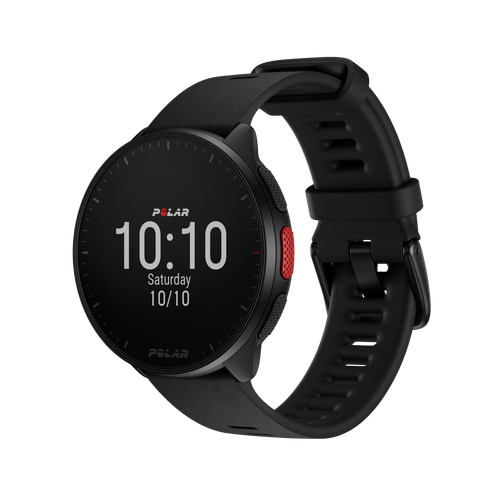
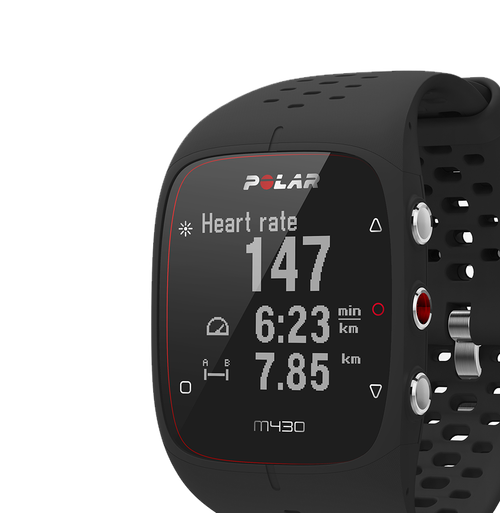
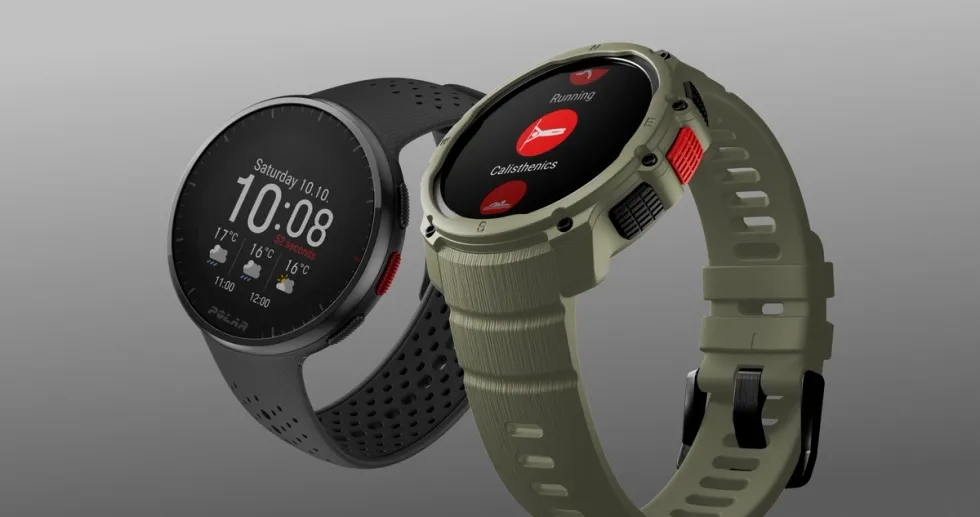
- Street X replaces the Pacer Pro’s MIP display with a 1.28" AMOLED touchscreen running the same OS as the Vantage V3 and Grit X2 Pro.
- Battery life improves: 43 hours in GPS mode (up from 30), 10 days in smartwatch mode (up from 6.5).
- Street X adds wrist skin temperature tracking — a recovery signal the Pacer Pro doesn’t have.
- Street X introduces a built-in flashlight, a first for the Pacer/Street line — useful for early starts, night runs, and finding gear in a dark tent.
- Both watches carry the same Precision Prime™ GEN 3.5 optical HR sensor and a barometric altimeter.
The Polar Pacer Pro earned a reputation for doing exactly what a running and multi-sport watch should: accurate GPS, reliable heart rate and sleep tracking, and smart coaching and recovery tools at a price that didn’t demand justification. It became a default recommendation for runners who train seriously but don’t need a flagship.
Street X picks up where Pacer Pro left off. The same Polar accuracy, the same science-backed features — but on a modern, more capable platform. AMOLED display, updated OS, skin temperature added to recovery tracking, a built-in flashlight, and a wristband system that opens to any standard 22mm strap, so you can make the watch your own. This is the Polar Pacer series moving a generation forward.
Read the story behind Street X to learn about the design thinking behind the shift.
undefined
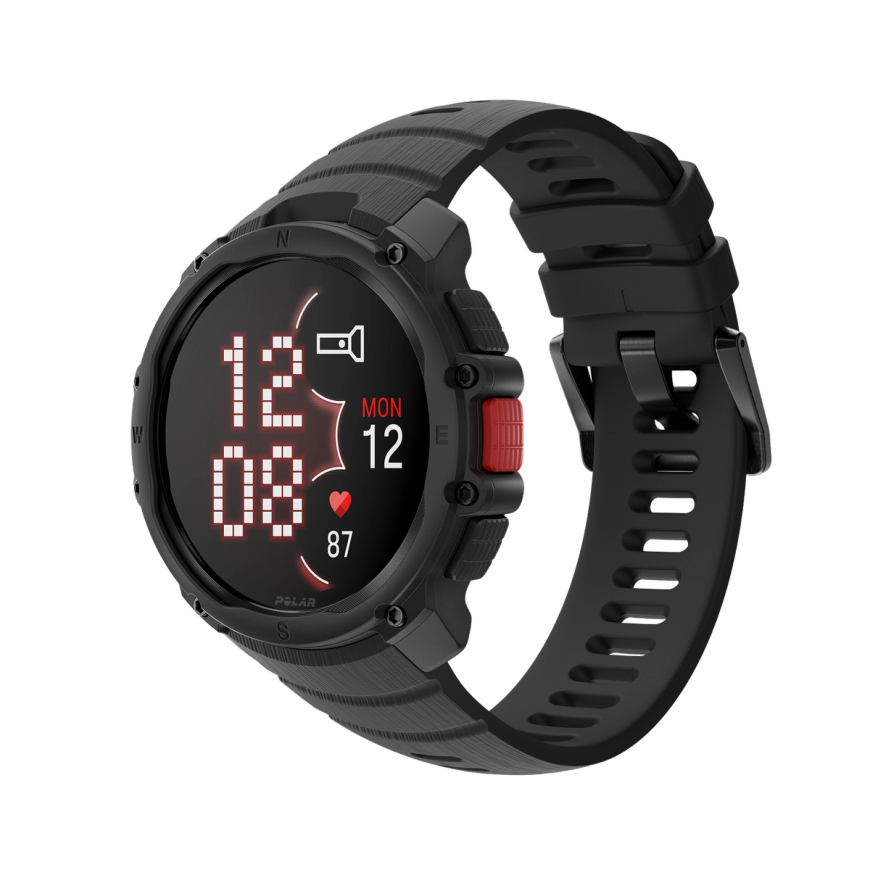
POLAR Street X
The Urban Sports Watch
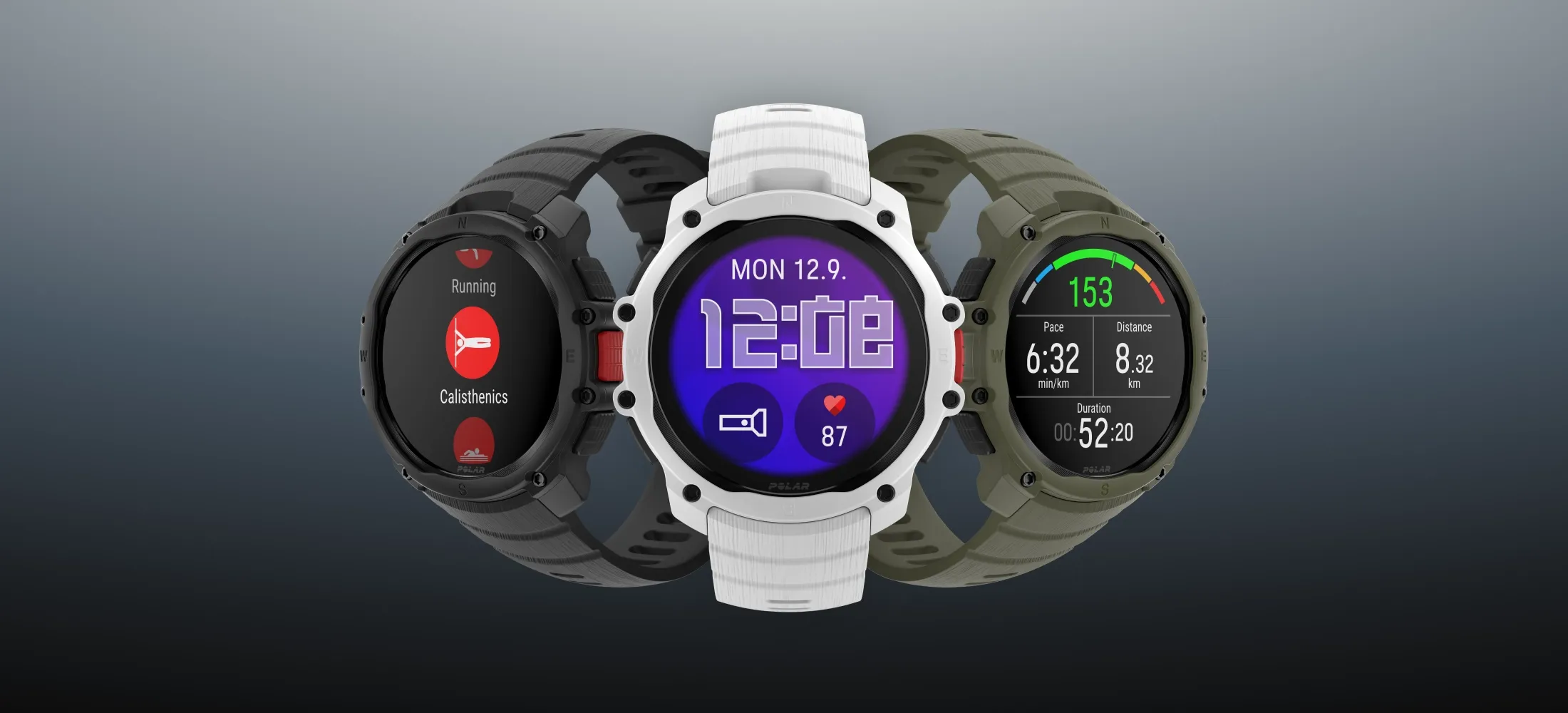
POLAR Street X is the urban sports watch for those who live, work, and train in the city. Tough, lightweight, and always ready, it delivers reliable GPS, a bright AMOLED display, precision heart-rate tracking, and 24/7 shock resistance for training, commuting, and everyday wear.
At a Glance — The Key Differences
| Polar Street X | Polar Pacer Pro |
|---|
| Display | AMOLED, 1.28", 416×416px | MIP reflective, 1.2", 240×240px |
|---|
| Touchscreen | Yes | No |
|---|
| Battery — GPS mode | 43 hours | 30 hours |
|---|
| Battery — smartwatch | 10 days | 6.5 days |
|---|
| HR sensor | Precision Prime™ GEN 3.5 | Precision Prime™ GEN 3.5 |
|---|
| GPS constellations | GPS, Galileo, BeiDou, QZSS | GPS, GLONASS, Galileo, QZSS |
|---|
| Skin temperature | Yes | No |
|---|
| Built-in flashlight | Yes | No |
|---|
| Durability standard | MIL-STD-810H | MIL-STD-810G |
|---|
| Lug width | 22mm | 20mm |
|---|
| Weight | 48g / 28g without band | 41g / 23g without band |
|---|
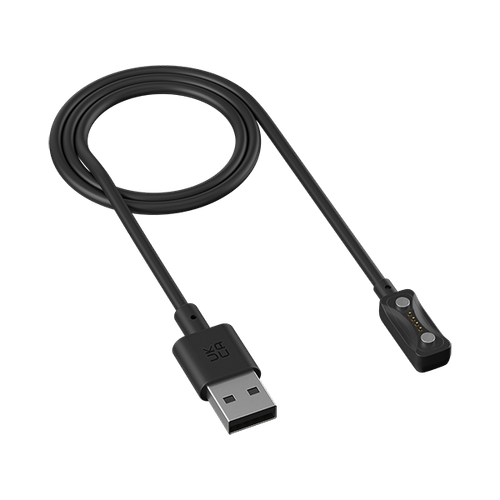
| USB cable | Proprietary / USB-C | Proprietary / USB-A |
|---|
| Water resistance | WR50 | WR50 |
|---|
The headline change is the AMOLED display. Everything downstream of that — the OS platform, widget support, training views — follows from it.
For a full comparison between Polar Street X and Polar Pacer Pro, check our comparison tool.
AMOLED Screen and the New Polar OS Platform
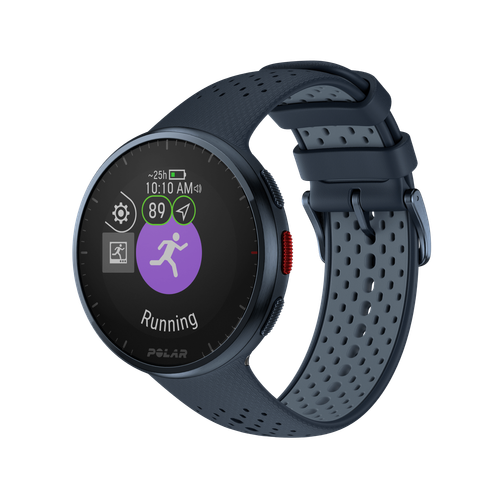
The Pacer Pro uses a MIP (memory-in-pixel) display: a reflective, low-power screen that reads well in direct sunlight and draws minimal battery. For a long time, this display technology was a sensible choice for a running watch, but it shows its limits anywhere other than bright outdoor conditions. Things have changed. We’ve all become used to bright and vivid displays. At the same time, the technology has improved and is more power-efficient. In fact, despite the brighter display, Street X features longer battery life than Pacer Pro.
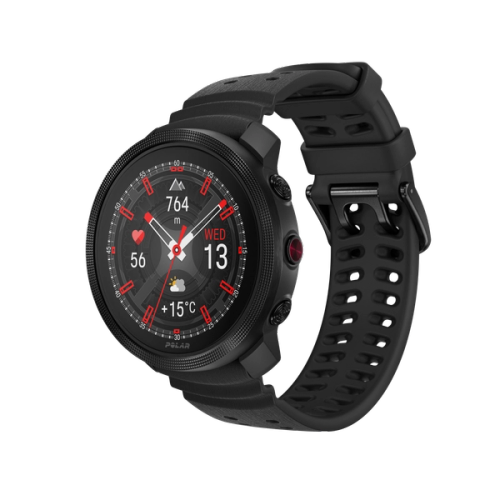
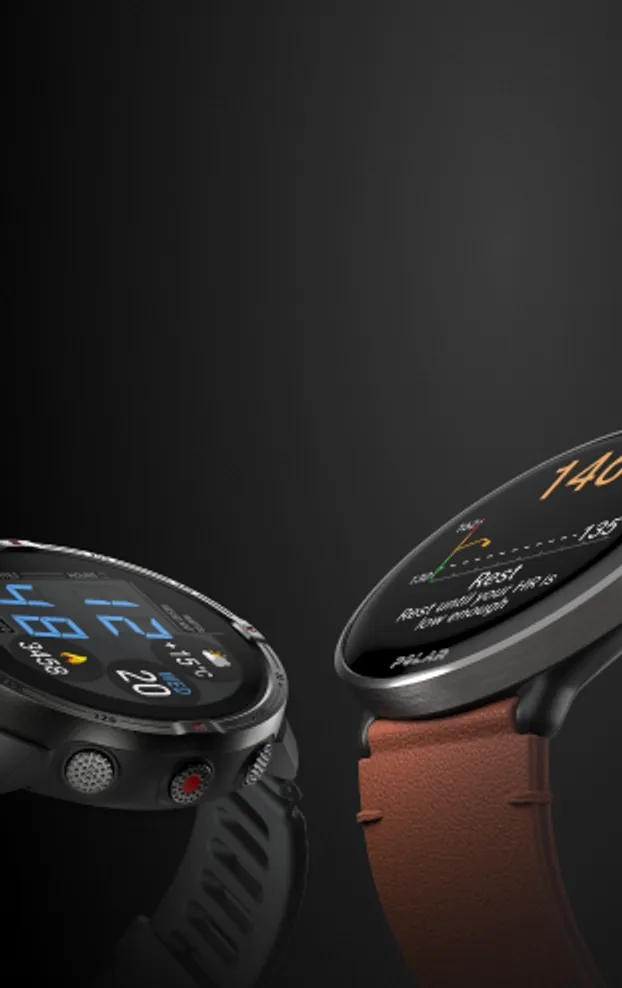
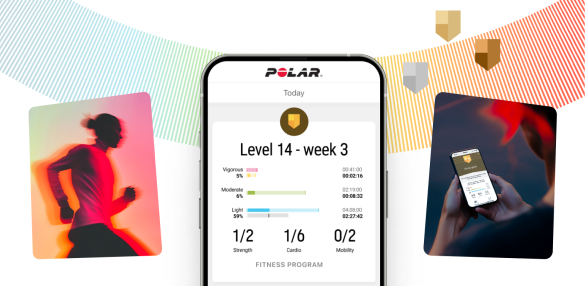
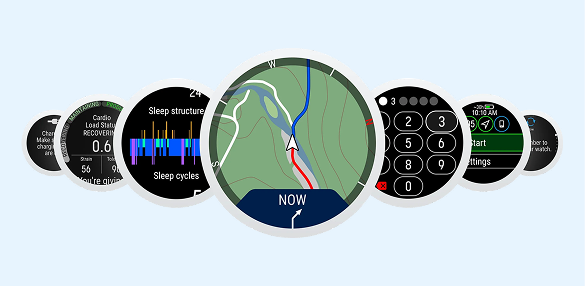
That’s why Street X moves to a 1.28" AMOLED touchscreen at 416×416 pixels. In practical terms, this means sharper data during a run, a usable always-on mode, and a watch face that’s easily customizable with different colors and fonts. It also enables widgets — glanceable data tiles for the watch face that the MIP architecture doesn’t support.
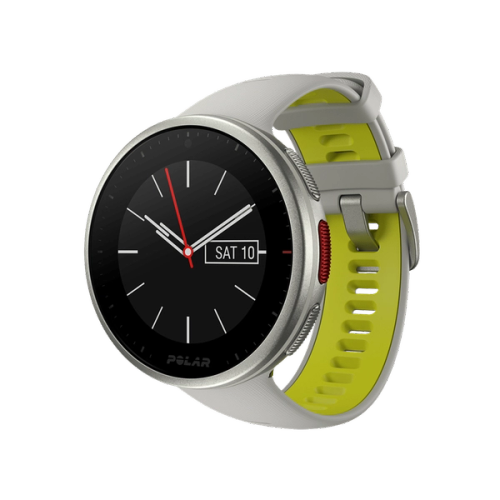
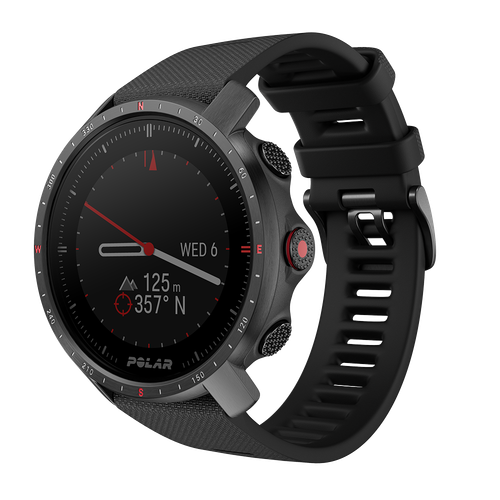
More consequentially, Street X runs the same software platform as our most modern watches: Vantage V3, Grit X2 Pro, and Vantage M3. This is not a separate product branch. Feature development for these watches is shared, which means Street X benefits from the same updates that reach Polar’s flagship lineup. For Pacer Pro owners, this is the most meaningful platform difference: moving from a hardware-constrained OS to the current-generation Polar environment. See how that translates into training views on Street X.
Keep an eye on the latest software updates — Street X’s shared platform means it benefits from the same firmware releases as Vantage V3 and Grit X2 Pro.
Design — Built for the Day and the Night
Street X reimagines what a sports watch looks like. The design language shifts toward something that works as an everyday watch. Night Black, Snow White, and Forest Green are colorways chosen for versatility so you can easily wear Street X on any occasion without screaming sports.
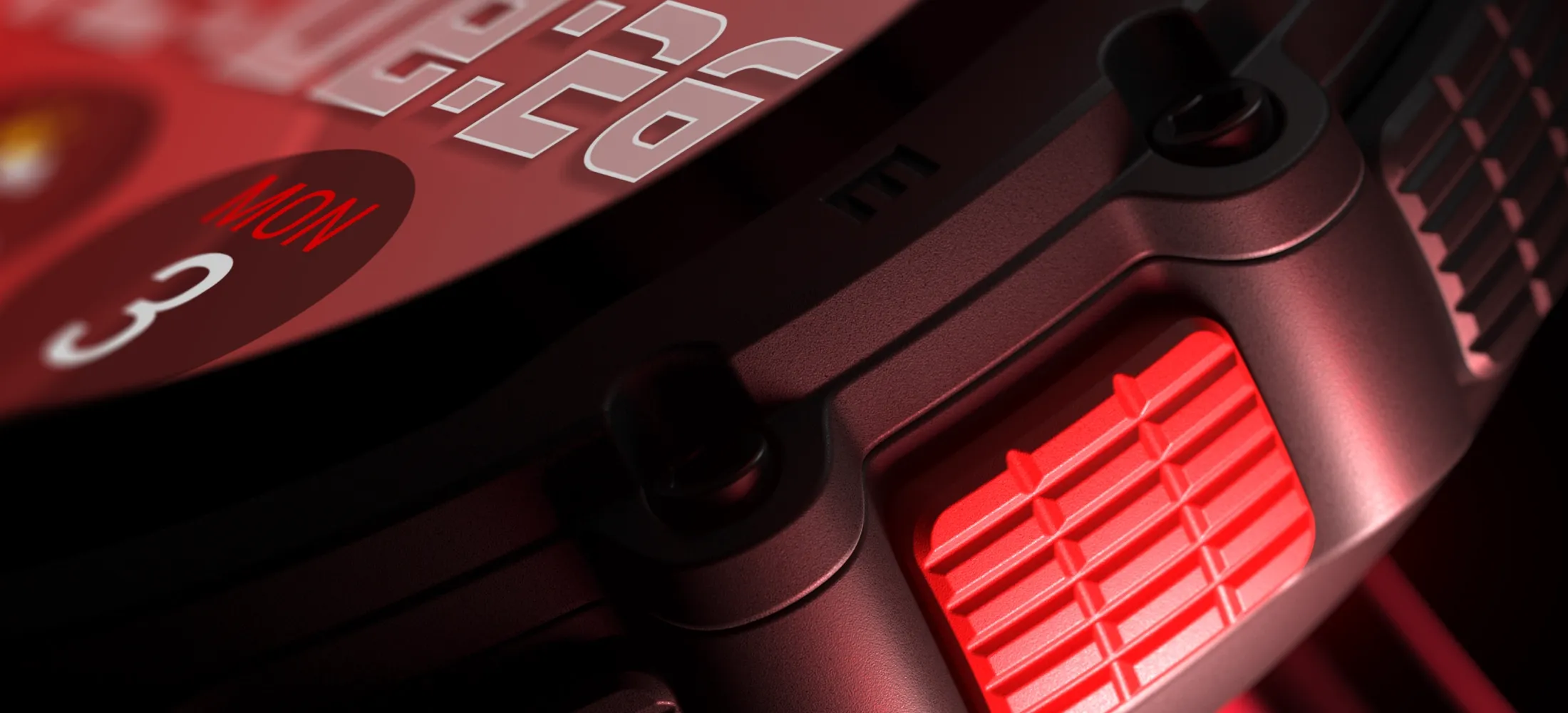
Street X also meets MIL-STD-810H testing, the current revision of the US military’s durability standard, so it’s resistant to drops, knocks, bumps, and withstands harsh weather. Despite its rugged looks, the watch is also light, ideal for running.
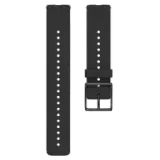
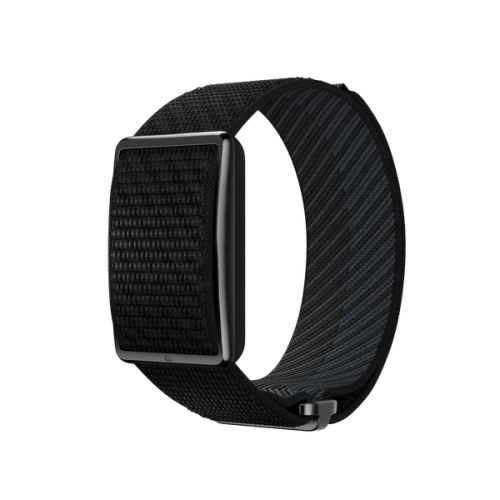
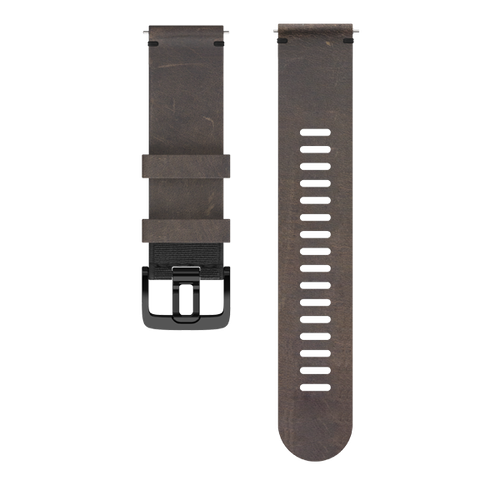
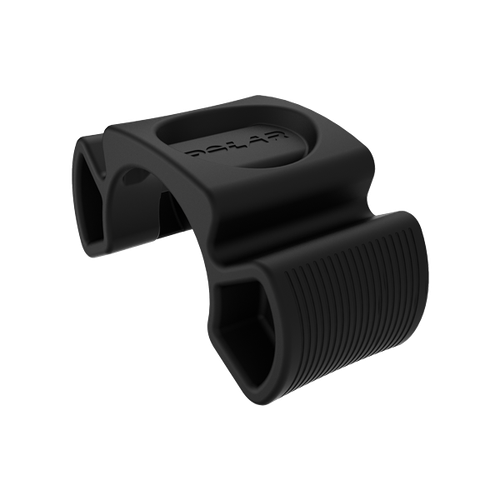
The band system is a practical upgrade. Pacer Pro uses a 20mm lug; Street X moves to a 22mm standard lug, compatible with any 22mm strap on the market. Polar’s own POLAR Street Wristband is designed for the watch, but the open standard means the strap choice is yours and supports third-party wristbands.
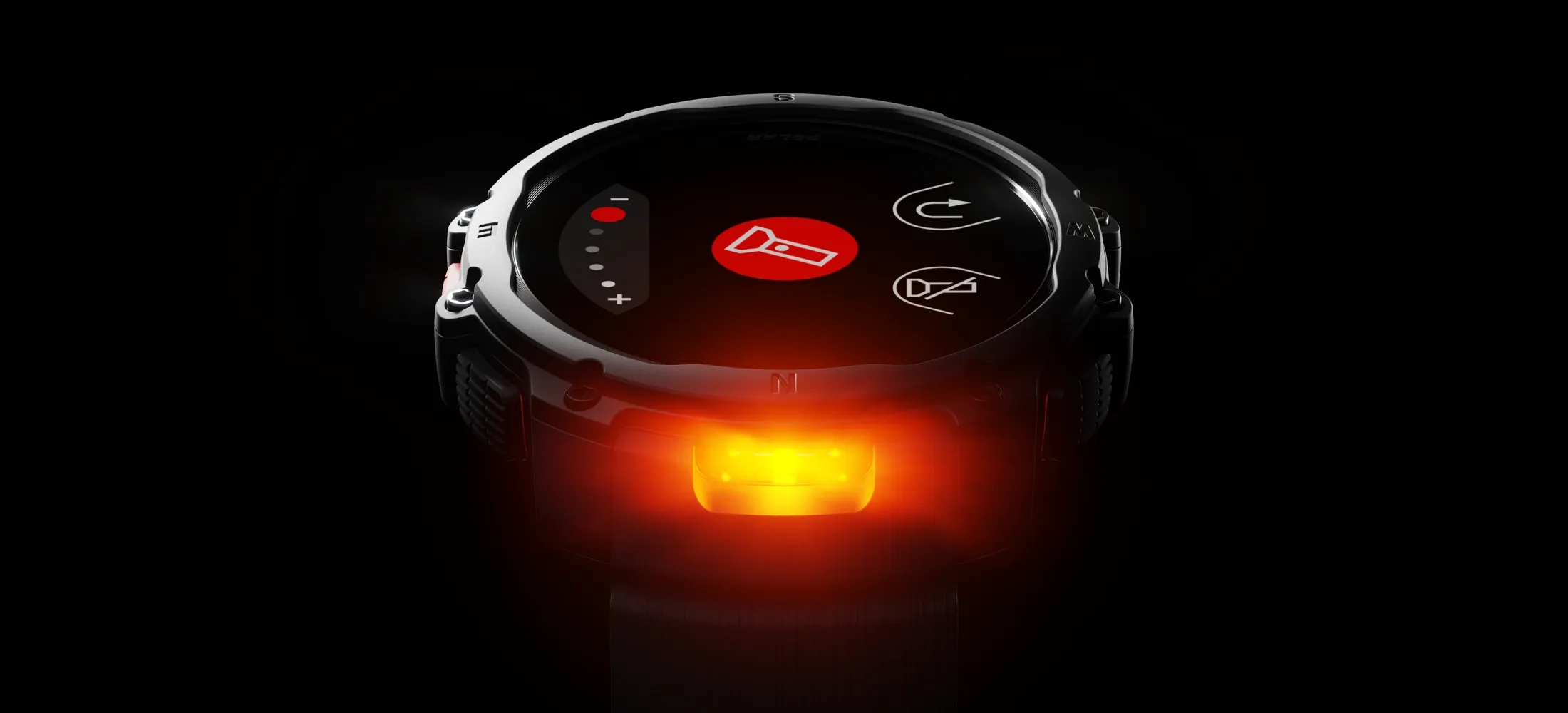
The standout addition, though, is a built-in flashlight — a first for Polar watches. A small LED sits in the case, switched on with a press-and-hold of the side button, bright enough to check a trail marker, read a race bib, or find a dropped gel in the dark. It’s a small feature that solves a real problem: early-morning starts, late-night runs, and the fumbling-in-a-dark-tent moments that come with race travel. Plus, it’s adjustable with white light and a red light mode.
GPS and Running Accuracy
Both watches carry a barometric altimeter, so elevation data is pressure-derived rather than GPS-estimated — a meaningful point for trail runners and anyone covering hilly routes where satellite-only altitude tends to drift.
The optical HR sensor is identical: Precision Prime™ GEN 3.5 on both watches. Wrist-based HR accuracy at running intensities depends more on fit and motion than on sensor generation, but the shared hardware means there is no accuracy differential between the two watches at the sensor level.
Training Features — What Carried Over, What’s New
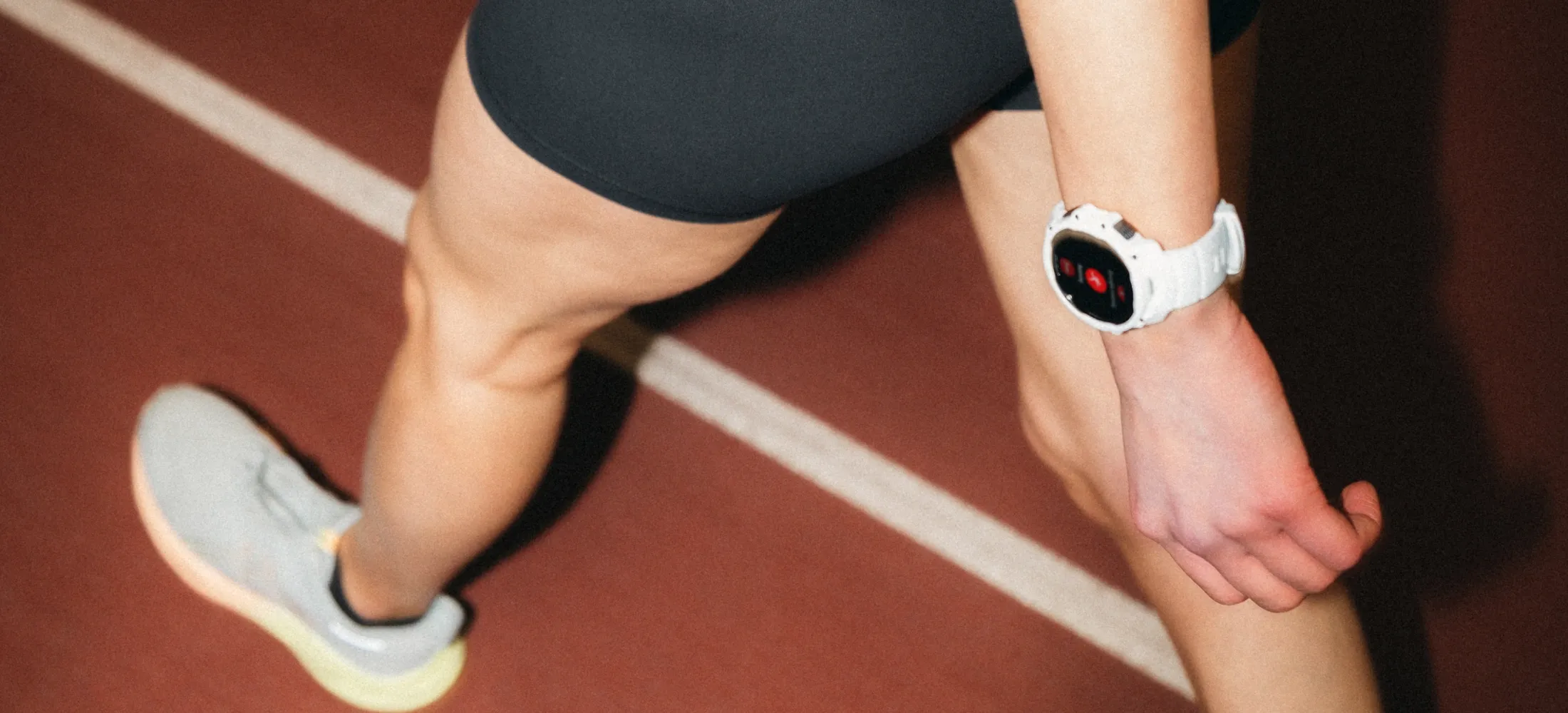
Street X is not a reduction in training capability. The core coaching toolkit from Pacer Pro is present: Running Power (wrist-based, measuring the external mechanical load placed on the body during running), Running Program for structured training plans, Training Load Pro™ tracking cardio, muscle, and perceived load across sessions, FitSpark™ for daily guided workouts, and FuelWise™ for carbohydrate pacing on longer efforts. Not only Polar Street X continues to be an excellent running watch, it also supports over 170 sports with customizable training views and metrics.
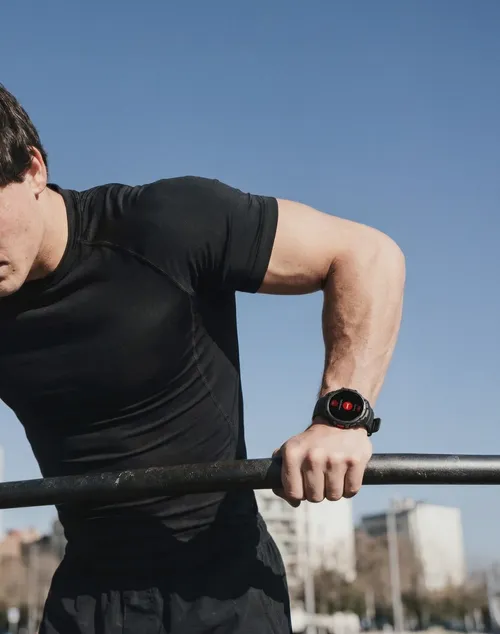
For those who prefer strength training or hybrid training, Polar Street X also includes features like Work-Rest Guide that will help you dial in recovery between sets. It tracks your heart rate through each set, detects your peak, then watches your heart rate drop during rest and signals the moment you’ve recovered enough to go again — built for circuit-style and interval strength work where guessing the rest period costs either recovery or momentum.
Both watches feature a set of performance tests — Running Performance Test, Fitness Test, Walking Test, and Cycling Performance Test. These features will help you dial your training in with accurate heart rate zones and track your progress with VO2max estimation.
What Street X adds to the platform is widget support through the AMOLED interface — the ability to surface training and recovery data on the watch face without entering the menu.
Recovery and Health Tracking — What Street X Adds
The recovery feature set carried over from Pacer Pro intact: Nightly Recharge™ evaluates overnight ANS recovery and sleep to shape the following day’s training guidance. Sleep Plus Stages™ classifies sleep into light, deep, and REM phases. SleepWise™ translates that data into daily alertness guidance.
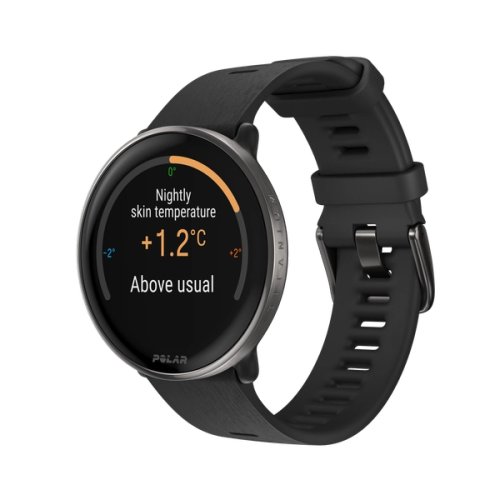
Street X adds one feature Pacer Pro doesn’t have: wrist skin temperature (Generation 1). The sensor measures skin temperature continuously during sleep, establishing a personal baseline over time. Deviations from that baseline — upward or downward — can indicate physiological stress, early illness, or incomplete recovery before those signals show up in other metrics. For runners monitoring their readiness carefully, this is a meaningful addition.
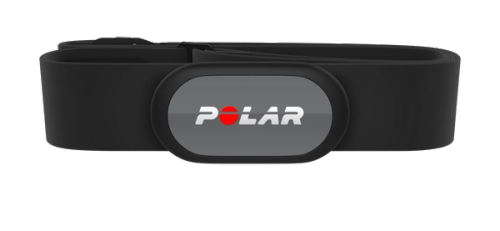
Another addition to Street X is the Orthostatic Test, a feature Pacer Pro doesn’t have. Worn with an H9 or H10 chest sensor, it takes a heart rate and HRV reading lying down, then standing, and compares the two. Over time, this builds a personal baseline — and a result that drifts from it flags autonomic stress from training, illness, or poor sleep before it shows up elsewhere. Like skin temperature, it’s another way for Street X to catch a recovery problem early rather than after a bad session confirms it.
Pairing With Heart Rate Sensors
Both watches pair with external Bluetooth HR sensors — a practical option for runners who want higher accuracy than wrist-based optical HR can reliably deliver at hard intensities.
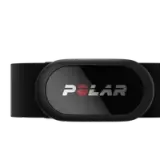
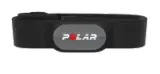
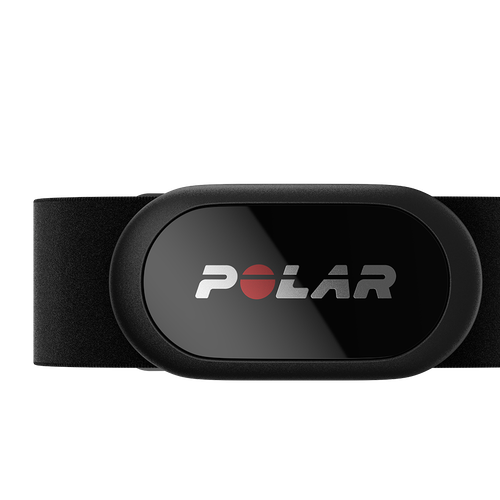
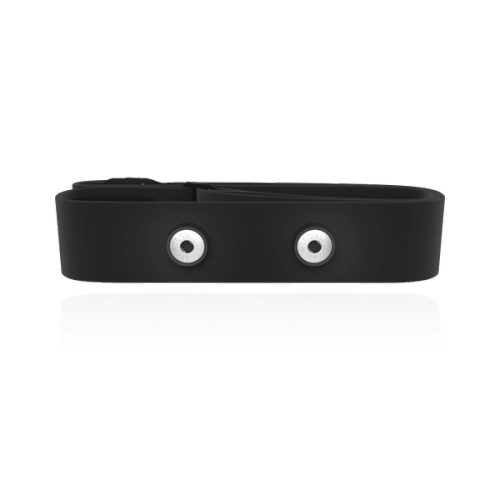
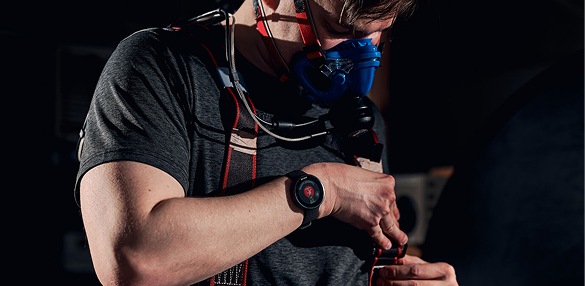
The Polar H10 is the precision choice. It uses chest-strap ECG to measure heart rate, and it holds up under conditions where optical sensors lose reliability: sprint intervals, high-cadence efforts, cold weather, and swimming.
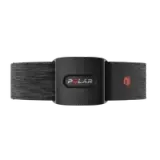
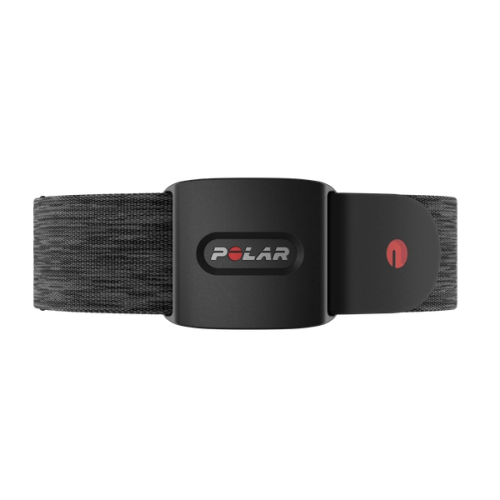
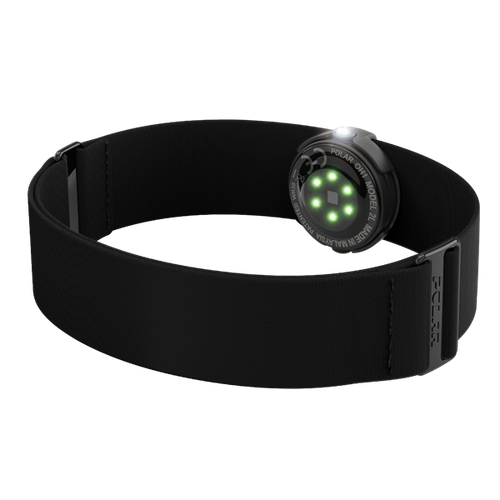
The Polar Verity Sense sits between wrist and chest strap. It’s an optical sensor worn on the forearm or upper arm — better motion isolation than a wrist placement, without the chest strap. Useful for runs where a strap isn’t practical, or for swimmers and cyclists where the watch moves too much. See how Verity Sense compares to H10 and H9 to find the right fit for your training.
Both sensors worked with Pacer Pro and both work with Street X.
Battery Life
This is one of the clearer wins for Street X. Despite adding an AMOLED display — which typically increases power draw relative to a MIP screen — Street X delivers longer battery life across every mode.
| Mode | Polar Street X | Polar Pacer Pro |
|---|
| Smartwatch | 10 days | 6.5 days |
|---|
| GPS training | 43 hours | 30 hours |
|---|
| Eco training | 170 hours | 139 hours |
|---|
In GPS training mode, 43 hours covers three back-to-back marathons on a single charge. For a runner logging 60km per week at a 5:30/km pace, that’s roughly six sessions before the watch needs charging. Pacer Pro’s 30 hours required more frequent top-ups for high-mileage weeks. The larger 385 mAh battery (versus Pacer Pro’s 265 mAh) accounts for most of the gain.
Polar Street X vs. Polar Pacer Pro: What Has Changed — The Short Version
For anyone who skimmed: here is what Street X changes relative to Pacer Pro.
- Display: AMOLED replaces MIP. Better in low light and artificial light; touchscreen; widget support.
- OS platform: Shared with Vantage V3 and Grit X2 Pro — more feature development, not a separate product line.
- Battery: 43h GPS (vs 30h), 10 days smartwatch (vs 6.5 days).
- Skin temperature: New recovery sensor, not available on Pacer Pro.
- Flashlight: Built-in LED, new to the line — not available on Pacer Pro.
- Recovery features: Orthostatic Test, not available on Pacer Pro.
- Durability: MIL-STD-810H (Street X) vs MIL-STD-810G (Pacer Pro).
- Lug width: 22mm open standard (vs 20mm Pacer Pro proprietary).
- Price: €249.90 / $249.99 / £219.00 vs €349.90 / $349.90 / £299.00
Polar Street X vs Polar Pacer Pro side-by-side: all the details.
The Upgrade in Plain Terms
The Pacer Pro was precise and dependable. Street X brings that same precision to the current Polar platform — better screen, longer battery, skin temperature added to recovery, a built-in flashlight for the dark starts, and a design that holds up past the finish line.
The Pacer Pro is being phased out. Street X is the running watch that replaces it: not as a premium step up, but as the next iteration of the same idea, rebuilt on better hardware at a lower price point.
If you’re ready to go deeper into what the data Street X collects actually means, start with heart rate zones — the foundation for using HR data to structure any training week.
Enjoying this article? Subscribe to the Polar Newsletter and get notified when new articles are out.
Subscribe



 POLAR Street X
New
POLAR Street X
New
 Polar Vantage M3
 Polar Grit X2 Pro Titan
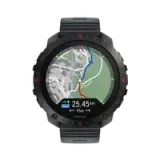 Polar Grit X2 Pro
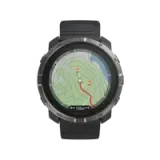 Polar Grit X2
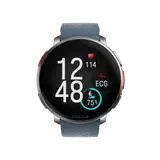 Polar Vantage V3
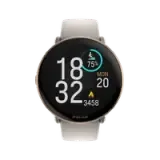 Polar Ignite 3
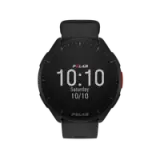 Polar Pacer
Grit X Series
Vantage Series
Pacer Series
Ignite Series
Polar Pacer
Grit X Series
Vantage Series
Pacer Series
Ignite Series