If you’ve spent any time lurking on LetsRun, Reddit, or Strava recently, you’ve likely noticed a quiet revolution taking place. It’s all thanks to James Copeland—known to the online running community as ‘sirpoc’—who went from a 28-minute 5K to a staggering 15:01 and a marathon debut of 2:24 at age 41. He did it not by running harder, but by intentionally slowing down his quality days.
In his self-published book, Norwegian Singles Method: Subthreshold Running Kept Simple, Copeland laid out a simplified blueprint that took the running world by storm. It adapted the famous ‘double threshold’ system favored by elite Norwegian pros (think Marius Bakken and the Ingebrigtsen brothers) and repackaged it for the everyday, busy athlete.
The thing to know about this elite double-threshold model is that it is wildly impractical. It requires a lifestyle that allows for two grueling workouts a day, not to mention a mountain of expensive lactate meter test strips. It’s exhausting, highly prone to error, and financially draining. But what if you could pocket 95% of those elite endurance benefits without the constant finger-pricking?
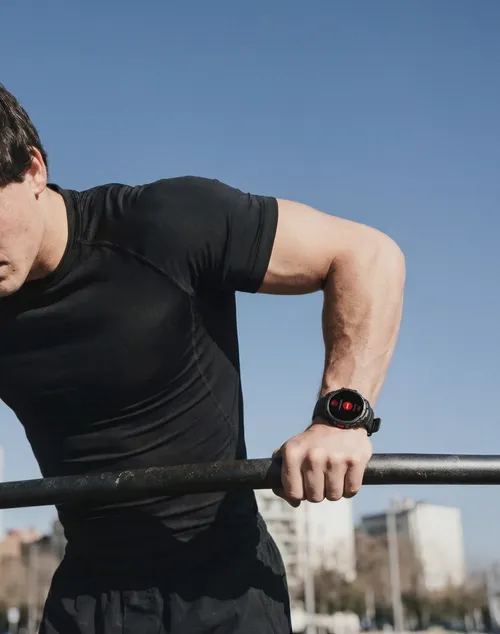
That’s where sub-threshold training comes in. By capping your hard sessions at a highly repeatable effort and policing your zones using nothing more than a precise heart rate monitor, you can stack massive quality volume week after week. As pioneers in heart rate training technology, Polar provides tools to help athletes monitor cardiovascular stress accurately during every session. While direct lactate measurement remains the gold standard for threshold testing, tracking heart rate offers a practical, reliable guide for managing effort when blood testing isn’t available or practical. Here’s how you can use heart rate monitoring to stay in the sub-threshold sweet spot and build a stronger aerobic engine.
What Is the Norwegian Singles Method?
The Norwegian Singles Method is an endurance training framework built around 2–3 controlled sub-threshold interval sessions per week, high weekly volume, zero VO2max work, and strictly easy recovery runs. By replacing double-workout days with sustainable single sessions, it allows competitive amateurs to accumulate significant quality volume without accumulating crippling fatigue.
What makes Norwegian singles training distinctive is its high frequency of quality sessions at carefully controlled, sub-threshold intensities. By eliminating heroic redline efforts, the framework maximizes workout repeatability and fosters long-term, sustainable progression with minimal burnout risk. Unlike traditional multi-faceted endurance plans, it deliberately cuts back on supplementary work—such as heavy strength sessions, steep hill repeats, and aggressive strides—to keep total physical stress low. This minimalist, high-volume approach is particularly suited for time-limited runners, slower recoverers, and those seeking steady, year-round aerobic development.
The Origins: From Double Threshold to ‘Sirpoc’
To understand Norwegian singles training, you first have to look at where it came from: the elite Norwegian double-threshold system popularized by former elite athlete and sports physician Marius Bakken and world-class athletes like the Ingebrigtsen brothers.
Pros perform two threshold workouts in a single day (say, short intervals in the morning and longer reps in the afternoon) twice a week, using frequent blood-lactate testing to ensure neither session spills over into extreme fatigue. It works phenomenally well if your full-time job is recovering between sessions.
For amateurs juggling 40-hour workweeks, family, and real life, doubling up is a fast track to burnout, injury, or divorce. Enter James Copeland (aka ‘sirpoc’). He recognized that the magic of the Norwegian system wasn’t the double-session gimmick itself—it was the total volume of work completed just below threshold. By spreading that quality across 2–3 single-session workouts per week, Copeland created a sustainable model that let everyday runners harvest elite-level aerobic adaptations on a realistic schedule.
Sub-Threshold vs. Zone 2 vs. Tempo Runs
Because internet training trends love buzzwords, the Norwegian singles method often gets confused with other popular endurance philosophies. Here’s where it actually sits on the spectrum:
- It’s not just zone 2: While zone 2 training anchored at your aerobic threshold forms the floor for your easy recovery days, sub-threshold work operates at a noticeably higher gear—roughly 80–87% of maximum heart rate. You’re moving with real purpose, not gliding along on a casual jog.
- It’s not a classic tempo run: Traditional tempo runs force you to sustain a hard, continuous effort for 20 to 30 minutes, often leaving you gasping for air by the final mile. Staying subthreshold, by contrast, uses structured intervals with short rests (e.g., 10x1k) to keep lactate steady and effort controlled. You should cross the finish line feeling like you could easily complete two more reps.
Why It Works: The Physiology of Cumulative Volume
The secret behind sub-threshold training comes down to a simple physiological principle: cumulative quality beats single-session heroics. Traditional hard workouts push you well above your second lactate threshold (LT2), triggering a rapid surge of metabolic fatigue, autonomic stress, and muscle tissue damage. The result? A single high-intensity session can knock your nervous system out of commission for three to four days, capping how much total work you can perform in a week.
By dropping your intensity just a few beats under LT2, you enter a metabolic sweet spot. At this level, blood lactate production perfectly balances with your body’s ability to clear it—a physiological ceiling known as the Maximal Lactate Steady State (MLSS).
In their foundational review on MLSS, Billat et al. (2003) demonstrated that operating at or just below this threshold allows an athlete to sustain high-volume quality without exponential metabolic breakdown. Crucially, the researchers noted that absolute blood lactate concentrations at MLSS vary wildly between individuals, typically ranging anywhere from 2.0 to 8.0 mmol/L.
Such a massive individual variance exposes the flaw in rigid, ‘one-size-fits-all’ lactate guidelines (like trying to force every runner to hit an arbitrary 3.0 or 4.0 mmol/L). It also highlights why personalized, real-time heart rate tracking is a far more practical tool for keeping your actual effort below your personal ceiling.
As sub-threshold sessions maintain a stable metabolic environment, muscle damage and central nervous system fatigue remain minimal. You can comfortably digest 30 to 40 minutes of quality work on Tuesday, recover fully within 48 hours, and execute a virtually identical session on Thursday.
This repeatability is where the true endurance magic happens. In his landmark research on workload management, Dr. Tim Gabbett (2016) established the Acute:Chronic Workload Ratio (ACWR)—a metric comparing the volume of work you completed this week (acute load) against your average weekly volume over the last month (chronic load). Gabbett’s data proved that keeping your ACWR in the 0.80–1.30 “sweet spot” significantly reduces injury risk while progressively building high chronic fitness.
When you spike your training load with exhaustive, high-intensity workouts, your ACWR jumps into the >1.50 “danger zone,” where overuse injuries and burnout skyrocket. Sub-threshold workouts allow competitive amateurs to systematically stack high-volume quality week after week. By keeping the Acute:Chronic ratio strictly in the sweet spot, you build a massive aerobic engine through consistent lactate threshold training without ever pushing your body over the edge.
Finding Your Threshold Training Heart Rate
Now that you understand the physiological engine behind the method, it’s time to take it to the road. The goal here isn’t to guess your effort based on pace or feel, but to strictly anchor your sessions using your threshold training heart rate.
For most competitive amateurs, the working subthreshold zone sits in a narrow target window of roughly 80–87% of maximum heart rate (HRmax). This intentionally places you about 3–5% below your true LT2 (your anaerobic threshold), giving you a crucial buffer against systemic fatigue.
| Zone Category | Heart Rate Range (% HRmax) | Training Function |
|---|
| Easy Recovery Runs | <70% | Strict active recovery; keeps muscle damage at zero |
|---|
| Sub-Threshold Target | 80–87% | The Sweet Spot; repeatable quality volume below LT2 |
|---|
| LT2/ Anaerobic Threshold | ~88–92% | The Redline; rapid fatigue and high recovery cost |
|---|
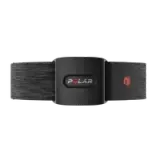
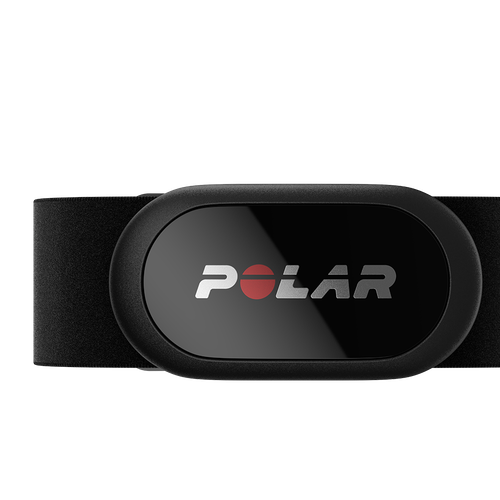
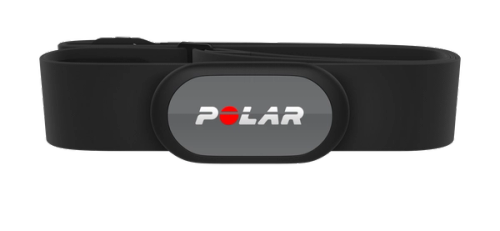
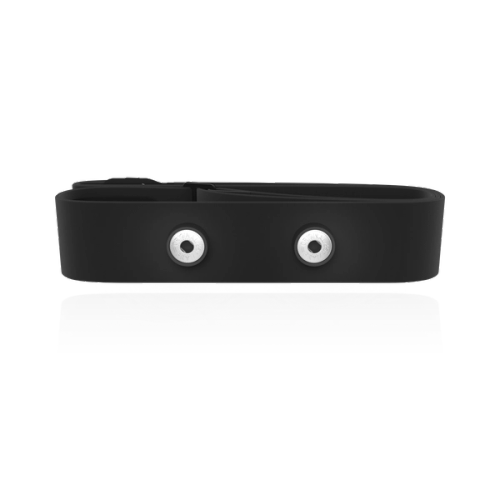
Targeting a narrow window of roughly 5 to 7 heartbeats per minute requires high precision. Standard optical wrist sensors on modern GPS watches are great for daily tracking, but they suffer from cadence lock and minor optical lag during interval transitions. When a deviation of just 4 beats per minute pushes you out of a steady state and into exponential fatigue, clinical-grade precision becomes essential. Equipping a chest strap with beat-to-beat ECG accuracy—like the Polar H10—ensures your watch reflects real-time cardiovascular strain without delay.
undefined
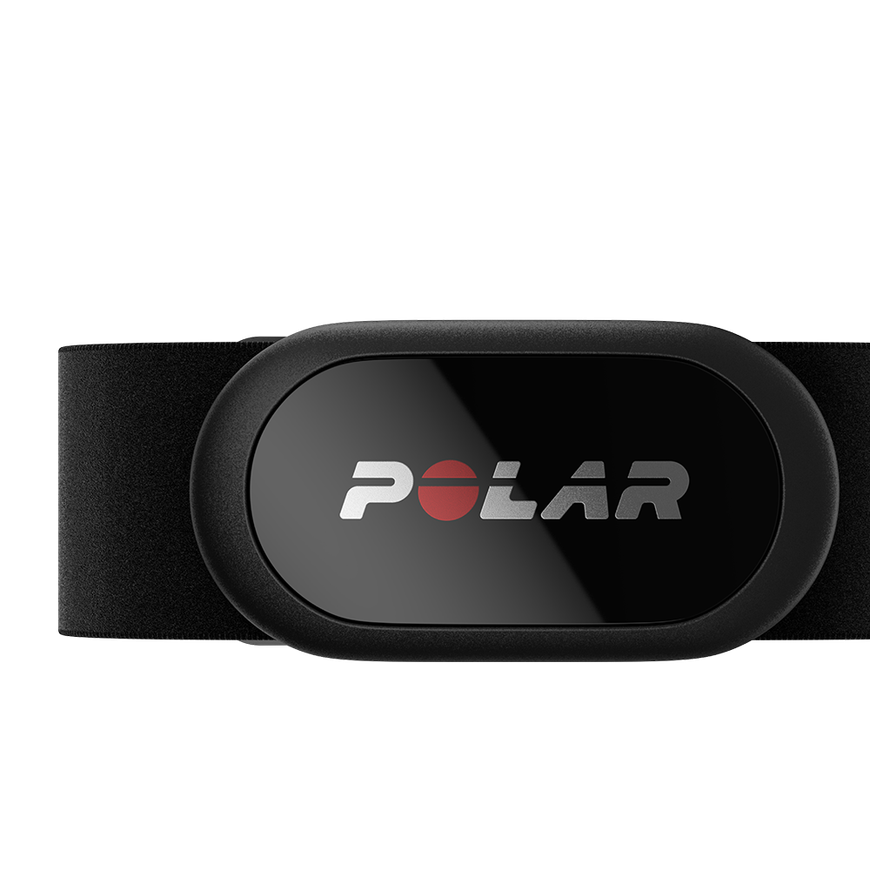
Polar H10
Heart Rate Sensor
When it comes to accuracy and connectivity, Polar H10 heart rate sensor is the go-to choice. Monitor your heart rate with maximum precision and connect your heart rate to a great variety of training devices with Bluetooth® and ANT+.
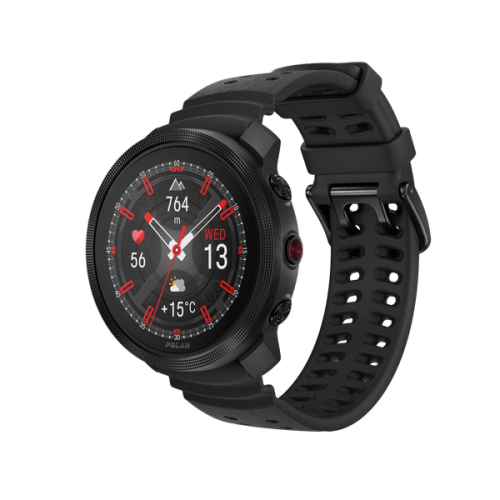
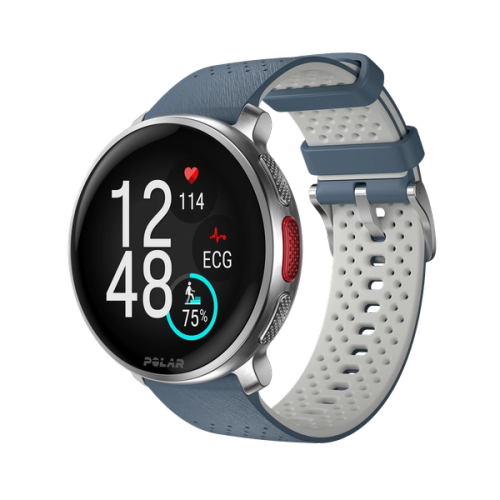
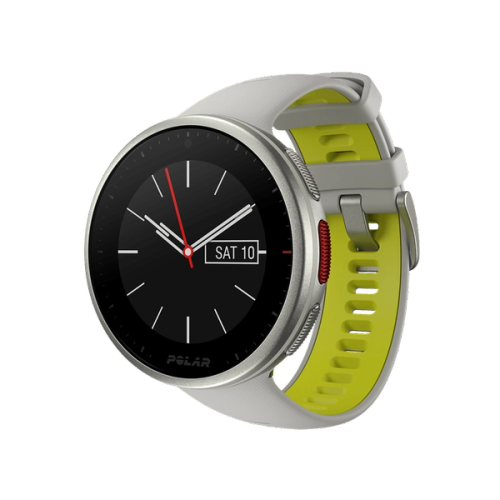
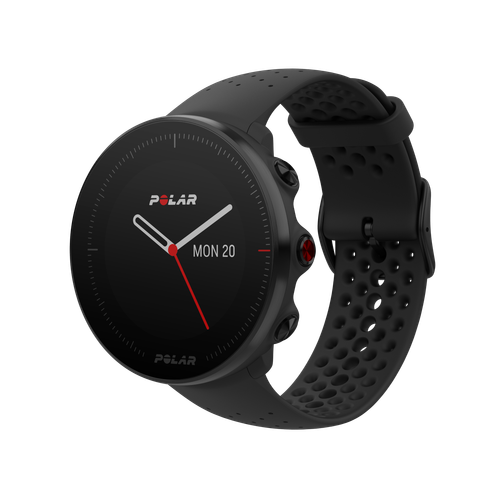
To establish your baseline ranges accurately, avoid crude age-based formulas like ‘220 minus age,’ which can be off by up to 15 beats. Instead, run a structured field assessment. The Polar Vantage V3 features a built-in Running Performance Test that guides you through a progressive ramp protocol to pinpoint your maximum heart rate, estimate your threshold pace, and automatically calibrate your personalized heart rate zones.
Once your zones are locked in, you need to account for real-world environmental variables—most notably cardiac drift. As your body temperature rises during longer intervals, or when running in warm, humid conditions, your heart rate naturally creeps upward even if your pace remains identical.
The Workouts: Structuring Your Sub-Threshold Running
To put the Norwegian Singles philosophy into practice, you need a rotation of structured interval sessions that keep your heart rate in that sweet spot (80–87% HRmax) without pushing you over the edge into anaerobic fatigue.
The backbone of subthreshold running relies on three primary interval menu options. Each session targets 30 to 40 minutes of total quality work, bounded by short, incomplete rest periods that keep your heart rate elevated while clearing just enough metabolic waste to make the next rep repeatable.
The Sub-Threshold Workout Menu
| Session Type | Interval Structure | Target Effort / Pace | Recovery Rest | Total Quality Volume |
|---|
| Short Reps | 8–12 x 3 min (or 1K) | ~15K / 10-Mile Pace | 60 sec (standing/jog) | 24–36 minutes |
|---|
| Medium Reps | 4–6 x 6 min (or 2K) | Half Marathon Pace | 60–90 sec | 24–36 minutes |
|---|
| Long Reps | 3–4 x 10 min (or 4K) | ~30K to Marathon Pace | 90–120 sec | 30–40 minutes |
|---|
(practical adaptation of the Norwegian Double Threshold system for amateur athletes, popularized online by runner/coach James Copeland)
Sample Weekly Training
To get the most out of these workouts, they must be layered across your week with strict discipline. Here’s how to structure a typical training block depending on your weekly schedule:
5-Day Runner Schedule:
- Tuesday: Short Reps (10x3 min)
- Wednesday: Easy-zone endurance training (<70% HRmax)
- Thursday: Medium Reps (5x6 min)
- Friday: Rest Day
- Saturday: Long Reps (3x10 min)
- Sunday: Easy Long Run (70–75% HRmax)
- Monday: Rest Day
6-Day Runner Schedule:
- Tuesday: Short Reps (10x3 min)
- Wednesday: Easy Run (<70% HRmax)
- Thursday: Medium Reps (5x6 min)
- Friday: Easy Run (<70% HRmax)
- Saturday: Long Reps (3x10 min)
- Sunday: Easy Long Run (70–75% HRmax)
- Monday: Rest Day
The Non-Negotiable Rule: Easy Days Stay Easy
The entire architecture of subthreshold running collapses if your easy days drift. Because you are completing three quality workouts every seven days, your recovery days must stay strictly below 70% of HRmax. Running even 5–10 beats too fast on a recovery day prevents full cardiac and muscular repair, leading to cumulative fatigue that will force your heart rate over threshold during your next quality session. Keep the easy days genuinely easy, and the method will handle the rest.
Common Mistakes: The Single-Session Spike
The biggest threat to your progress with Norwegian singles training isn’t doing too little—it’s letting your ego turn a controlled workout into a single-session ‘hero’ effort.
In a landmark 5,200-person cohort study published in the British Journal of Sports Medicine, Frandsen et al. (2025) showed that single-session training spikes are a primary trigger for running injuries. The researchers found that completing a single workout that exceeds your longest run of the previous 30 days by just 10–30% increases overuse injury risk by 64% (HRR = 1.64). Even worse, a single-session spike of >100% more than doubles your injury risk (HRR = 2.28).
This is precisely why the Norwegian Singles model works. By capping interval volume to strict, repeatable 30–40 minute blocks, it eliminates high-risk session spikes while keeping your musculoskeletal system safe.
Beyond heroic sessions, two other traps routinely derail runners:
- Ignoring Summer Heat: As ambient temperature rises, cardiac strain increases at the same pace. If you try to maintain your cooler-weather interval paces on a hot summer’s morning, your heart rate will surge well past LT2. Always yield to your heart rate monitor: slowing your pace by 10–15 seconds per mile in the heat to keep your heart rate under 87% HRmax is proper execution, not lost fitness.
- Ego-Driven Easy Days: Attempting to turn recovery runs into ‘moderate’ workouts ruins the aerobic base. True recovery requires strict low-heart-rate training below 70% HRmax to flush metabolic byproducts without adding structural fatigue.
Who It Suits (And Who It Doesn’t)
While sub-threshold training offers a powerful blueprint for endurance growth, it isn’t a one-size-fits-all solution for every distance or discipline.
The Best Fit
This framework shines brightest for time-crunched amateur road racers (5K to marathon), injury-prone runners, and high-mileage athletes stuck on performance plateaus. For marathoners, adapting the system is seamless: simply transition your Saturday long-rep session into a marathon-pace block (2–3 x 5K at goal race pace) while keeping your midweek intervals strictly sub-threshold.
The Weaker Fit
Conversely, pure sprinters and middle-distance track athletes (800m/1500m) who rely heavily on anaerobic power and neuromuscular speed will find this method limiting. These athletes eventually require structured VO2max training blocks to sharpen their top-end aerobic ceiling before key races.
The Science of Long-Term Gains
If you’re racing on the road, science strongly supports shifting away from relentless high-intensity blocks. In a comprehensive meta-analysis, Silva Oliveira et al. (2024) demonstrated that while polarized models (heavy VO2max work) yield quick short-term gains, threshold-focused pyramidal models prove equally effective for boosting performance over training blocks longer than 12 weeks. For the competitive amateur building a sustainable, year-round engine, sub-threshold training offers maximum cardiovascular returns with a fraction of the burnout risk.
Control the Intensity, Build the Engine
Endurance breakthroughs do not require finger-prick lactate meters or double-workout days that derail your life. The magic of sub-threshold training lies in a far simpler principle: control the intensity, and the volume takes care of your fitness.
By capping your heart rate just below threshold, you unlock a sustainable way to stack high-quality miles week after week without burning out or breaking down.
Ready to build a bigger engine? Sync your Polar H10 or Vantage V3, calibrate your custom heart rate zones, and commit to a single 6-week sub-threshold block. Your next personal record is waiting on the other side.
Enjoying this article? Subscribe to the Polar Newsletter and get notified when new articles are out.
Subscribe



 POLAR Street X
New
 Polar Vantage M3
 Polar Grit X2 Pro Titan
 Polar Grit X2 Pro
 Polar Grit X2
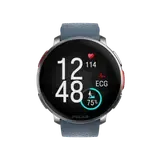 Polar Vantage V3
 Polar Ignite 3
 Polar Pacer
Grit X Series
Vantage Series
Pacer Series
Ignite Series