We usually think of sleep as one uniform experience when we lay down to rest each night. A singular process that we (ideally) emerge from refreshed, recovered, and ready to tackle what the new day may bring us. The reality is that our mind and body experience different sleep stages throughout the night, each with distinct characteristics and benefits. This means that we are never simply at rest – and why every night’s sleep is different.
Sleep isn’t a single, uniform state — it’s a structured biological process made up of several sleep stages that repeat in regular cycles each night. A healthy adult typically moves through four to six sleep cycles a night, each lasting around 90 minutes. Each stage – light sleep, deep sleep, and REM sleep – serves its own, scientifically established function: physical repair, memory consolidation, and emotional processing. Because these stages vary in length and intensity, no two nights of sleep are the same – which is exactly why it’s worth understanding, and tracking, your own sleep quality.
undefined
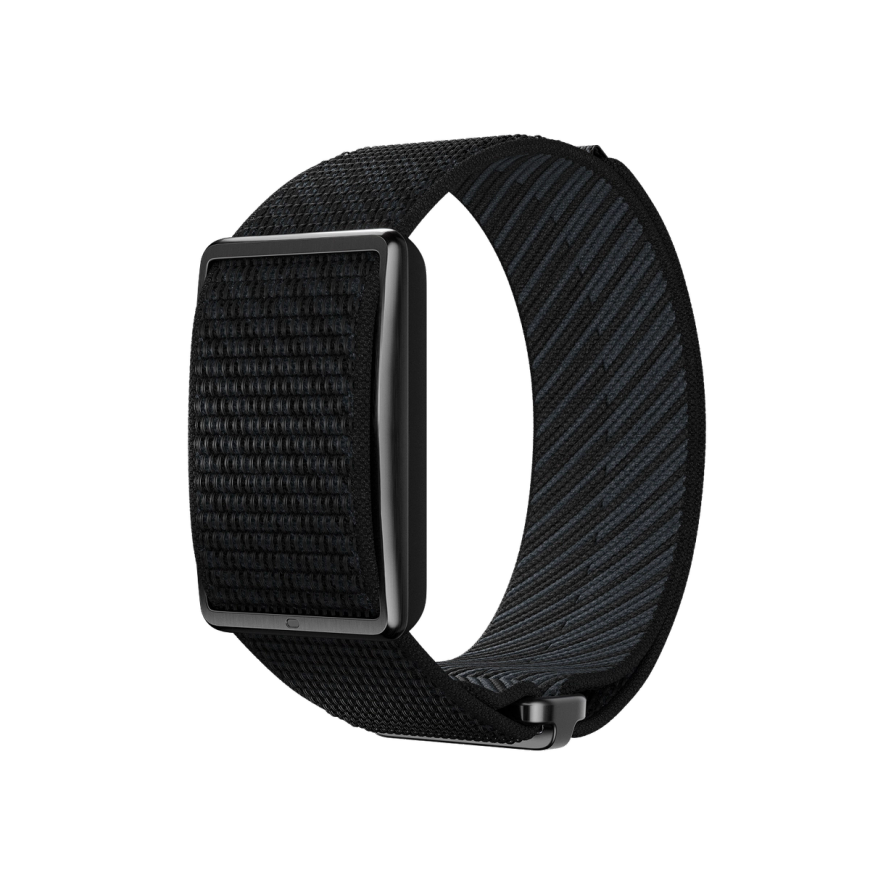
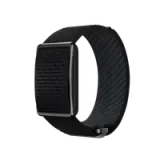
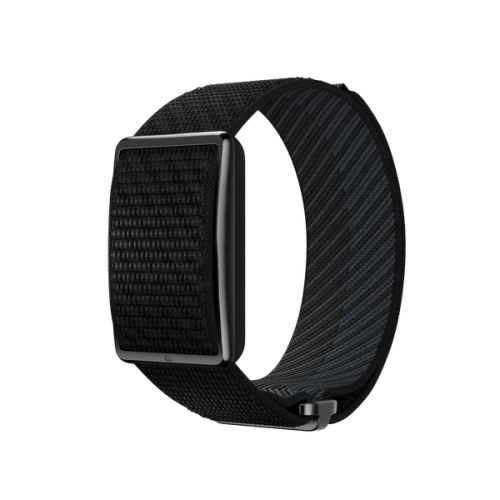
POLAR Loop
Screen-Free Wearable Health Band & Fitness Tracker
POLAR Loop is a screen-free, subscription-free fitness band that helps you sleep better, recover smarter, and stay active—without distractions.
Sleep stages explained: NREM and REM – what really happens in each stage
According to the American Academy of Sleep Medicine (AASM), a sleep cycle consists of four defined stages: three NREM stages (N1, N2, N3) and one REM stage. A full cycle lasts an average of 90 minutes; a healthy night includes four to six of these cycles.
NREM sleep (non-REM) makes up most of the night – about 75 to 80% of total sleep time. During these stages, the body slows down systematically: heart rate, breathing rate, brain wave activity, and muscle tone all drop below waking levels. The brain uses this time actively for physical repair processes, cell regeneration, and immune support.
Stage R is REM sleep which, as the name suggests, is when our body experiences bursts of rapid eye movement and brain activity, in a surprisingly similar way to how our body behaves when we are awake. It is the type of sleep associated with vivid dreaming and a kind of sleep paralysis when our muscles lose their ability to move to stop us from acting out our dreams (so this is not the stage when people sleepwalk, for example). REM sleep is vital for our memory and emotional regulation, as our brain is processing and clearing what we no longer need.
NREM and REM sleep: The four sleep stages and their functions at a glance
A sleep cycle consists of four stages: three NREM stages (N1, N2, N3) and one REM stage. Each stage has a clearly defined biological function.
NREM sleep stages:
- N1 – falling asleep: The lightest sleep stage. The brain shifts from alpha to theta waves, muscles relax, and responsiveness to external stimuli like noise stays relatively high. Duration: typically 1–7 minutes.
- N2 – light sleep: Heart rate and body temperature drop measurably, though loud noises can still wake you. Characterized by sleep spindles – short bursts of high-frequency brain wave activity (12–15 Hz) linked scientifically to memory consolidation and learning. N2 makes up 40–50% of total sleep time.
- N3 – deep sleep (slow-wave sleep): The most restorative NREM stage. Dominated by delta waves (0.5–2 Hz). Waking from N3 is difficult and often causes brief disorientation (sleep drunkenness). Core functions: tissue regeneration, muscle and building bone and muscle, growth hormone release, immune system support. Sleepwalking, when it occurs, happens during this stage – not during REM sleep.
REM sleep (Rapid Eye Movement):
During REM sleep, brain activity is almost identical to being awake – rapid eye movements under the eyelids are the defining feature. At the same time, the body enters active muscle paralysis (atonia): skeletal muscles are temporarily unable to move, preventing you from physically acting out your dreams. REM sleep is the primary stage for:
- Emotional processing: The brain sorts and processes the day’s emotional experiences
- Memory consolidation: Information moves from short-term to long-term memory
- Creative thinking: Neural connections between unrelated pieces of information are strengthened
The proportion of REM sleep increases as the night goes on: early cycles contain little REM, while later cycles can include up to 60 minutes of REM each.
Each sleep cycle looks different throughout the night: most deep sleep happens in the first half, most REM sleep happens in the second half (assuming you get enough sleep). By the early hours of the morning, you’re mostly alternating between the N2 and R stages.
How long is a sleep cycle? Duration, stage distribution, and what changes overnight
A full sleep cycle lasts between 90 and 110 minutes. On 8 hours of sleep, a healthy adult typically completes 4 to 6 full sleep cycles a night.
Stage distribution shifts as the night goes on:
- First half of the night (cycles 1–2): Dominated by deep sleep (N3). The body spends these early hours primarily on physical regeneration, cell repair, and immune support. N3 stages here can last 20–40 minutes per cycle.
- Second half of the night (cycles 3–6): The share of deep sleep decreases while REM increases sharply (assuming enough sleep). Later cycles can include up to 60 minutes of REM sleep. During this stage, the brain focuses on memory consolidation and emotional processing.
- Early morning hours: Sleep is dominated by N2 (light sleep) and REM, as the body prepares biologically to wake up.
Practical takeaway: Short sleep mainly cuts into the later REM stages – not early deep sleep. If you regularly sleep less than 7 hours, you lose a disproportionate amount of REM sleep, along with the capacity it supports for memory, learning, and emotional stability.
How long does each sleep stage last? Minute-by-minute duration of N1, N2, N3, and REM in adults
What these numbers mean:
- N2 (30 to 50 minutes per cycle) is the dominant stage every night – nearly half of all sleep time is light sleep
- Deep sleep (N3) (20 to 40 minutes in the first two cycles, often shrinking to just a few minutes – or disappearing altogether – in the second half of the night) is time-limited but biologically critical, since most regeneration happens in the first two cycles
- REM sleep (“Rapid Eye Movement”) is a distinct sleep stage that also changes throughout the night. It starts at 1 to 5 minutes in the first cycle and stretches to as much as 30 to 45 minutes in later cycles. Waking up early mainly costs you REM, not deep sleep
- N1 (1 to 7 minutes per cycle) isn’t “wasted” sleep – it’s the necessary transition between waking and sleeping, and between cycles
How much REM sleep do you need per night? Recommendations, benchmarks, and what REM deficiency means
Adults spend an average of 20–25% of total sleep time in REM sleep. At a recommended sleep duration of 7–9 hours, that works out to roughly 90 to 120 minutes of REM sleep per night. REM stages start short (1–5 minutes in the first cycle) and lengthen with each successive cycle. The longest REM stage typically occurs in the last cycle before waking – often 45–60 minutes straight.
Why REM concentrates in the second half of the night:
As mentioned, REM sleep starts out in short periods and then becomes progressively longer. We usually have our longest stretch of REM sleep in the morning, just before waking. This is why you’ll often remember your dreams more clearly if you have had a long, uninterrupted night of sleep.
As we have multiple intervals throughout the night, each with varying lengths, it isn’t easy to quantify precisely how much REM sleep we require. However, if we don’t get a whole night’s sleep, then we are more likely to miss out on the sleep cycles with longer REM stages. So, as an adult, it’s essential to get at least seven to nine hours of sleep each night to enhance our REM time.
What happens with too little sleep:
Sleeping less than 7 hours doesn’t shorten every sleep stage evenly – it disproportionately cuts the later, longer REM stages. A single night of 6 hours instead of 8 can reduce REM sleep by up to 25%.
Consequences of chronic REM deficiency:
- Reduced memory consolidation and learning ability
- Reduced emotional regulation
- Increased stress reactivity
- Impaired creative problem-solving
Recommendation: The American Academy of Sleep Medicine (AASM) recommends 7–9 hours of sleep per night for adults’ general health and performance – not primarily to hit a minimum hour count, but to ensure the full sequence of late REM cycles plays out.
Deep sleep vs. light sleep: differences, functions, and why both stages matter
Light sleep and deep sleep are both part of NREM sleep – but they differ substantially in function, measurability, and how you feel when you wake from them.
| Light sleep (N1 + N2) | Deep sleep (N3) |
|---|
| NREM stage | N1 and N2 | N3 |
|---|
| Share of the night | 50–60% | 15–25% |
|---|
| Brain waves | Theta waves, sleep spindles | Delta waves (0.5–2 Hz) |
|---|
| Wakeability | Easily woken by external stimuli | Hard to wake, sleep drunkenness possible |
|---|
| Core functions | Memory consolidation, transition between cycles | Tissue regeneration, immune support, growth hormones |
|---|
| How you feel on waking | Refreshed, rested | Groggy, disoriented |
|---|
What gets lost during sleep disruption – and when:
The timing of a sleep disruption determines which stage suffers:
- Disruptions in the first half of the night → disproportionate loss of deep sleep (N3). Consequences: slower tissue repair, reduced muscle growth, weakened immune function
- Shortened late-night sleep → disproportionate loss of REM sleep. Consequences: reduced memory consolidation, impaired learning, emotional dysregulation
Both scenarios measurably affect recovery and performance – just through different systems.
Boosting deep sleep specifically:
Why light sleep is underrated:
N2 makes up close to half of total sleep time and is actively involved in memory processes. Waking naturally from light sleep (N2) – say, at the end of a cycle – leaves you feeling noticeably more rested than waking from N3. Planning your sleep duration in 90-minute blocks (e.g. 6 or 7.5 hours) can help you wake during light sleep.
Sleep needs by age: how sleep duration and stages change from birth to old age
If you used to sleep till noon as a teen but find yourself waking at dawn as an adult, you’ve probably noticed how the way you sleep has evolved across your life. Sleep needs, sleep architecture, and sleep rhythm change measurably across the entire lifespan. The overview below is based on American Academy of Sleep Medicine (AASM) recommendations:
| Age group | Recommended sleep duration | Notable characteristics |
|---|
| Newborns (0–3 mo.) | 14–17 hrs | Sleep cycle starts with REM, not NREM; no stable circadian rhythm yet |
|---|
| Infants (4–12 mo.) | 12–16 hrs | Consolidation into nighttime sleep + naps; circadian rhythm develops after ~3 months |
|---|
| Toddlers (1–5 yrs) | 10–14 hrs | REM share grows gradually; naps decrease |
|---|
| School-age children (6–12 yrs) | 9–11 hrs | Sleep need decreases; REM maturation continues until age 19 |
|---|
| Teenagers (13–18 yrs) | 8–10 hrs | Circadian rhythm shifts biologically later (delayed sleep phase); afternoon sleepiness possible |
|---|
| Adults (19–65 yrs) | 7–9 hrs | Sleep architecture relatively stable; N3 and REM in balance |
|---|
| Seniors (65+ yrs) | 7–8 hrs | Deep sleep (N3) decreases; more time spent in N2; sleep becomes lighter and more fragmented |
|---|
The most important changes in detail:
Newborns: reversed sleep architecture. Newborns start every sleep cycle with REM sleep – the opposite of adults. The circadian rhythm (the body’s internal clock) isn’t yet developed at birth and only forms over the first three months of life. This explains why newborns sleep around the clock in short stretches.
Teenagers: a biologically delayed sleep rhythm. The well-known tendency of teenagers to fall asleep late and sleep long isn’t laziness – it’s a biologically documented shift in the circadian rhythm during puberty. The body produces melatonin later in the evening, making it harder to fall asleep before 11pm.
Seniors: less deep sleep, lighter sleep. After age 65, slow-wave sleep (N3) measurably decreases. Sleep shifts more into N2, becomes lighter overall, and is more prone to interruption. This often leads to earlier waking and a lower subjective sense of recovery – even though sleep need only drops slightly (7–8 hours instead of 7–9).
Measuring sleep stages with Polar: how Nightly Recharge™ tracking works
Tracking your own sleep stages is one of the most effective ways to understand sleep quality objectively – and improve it deliberately. Polar Nightly Recharge™ tracking delivers an automatic analysis of the night each morning, made up of two separate metrics.
Sleep Charge: analysis of sleep stages
Sleep Charge measures and evaluates the quality and structure of your sleep across four factors:
- Sleep duration: How many hours you actually slept
- Sleep continuity: How often, and for how long, your sleep was interrupted
- Stage distribution: What percentage of the night you spent in REM, deep, and light sleep
- 28-day comparison: Your current sleep score is compared against your personal average from the last four weeks – so you can see trends, not just single nights
ANS Charge: analysis of physical recovery
ANS Charge measures how well your autonomic nervous system (ANS) recovered during the first four hours of the night – the period when physical regeneration is most intense. It’s based on three physiological measures:
Overall score: how recovered are you, really?
Polar Nightly Recharge™ combines Sleep Charge and ANS Charge into an overall score for your nightly recovery. The result shows you each morning how well your body has actually regenerated – and helps you decide how hard to push during the day.
Enjoying this article? Subscribe to the Polar Newsletter and get notified when new articles are out.
Subscribe



 POLAR Street X
New
POLAR Street X
New
 Polar Vantage M3
 Polar Grit X2 Pro Titan
 Polar Grit X2 Pro
 Polar Grit X2
 Polar Vantage V3
 Polar Ignite 3
 Polar Pacer
Grit X Series
Vantage Series
Pacer Series
Ignite Series
Polar Pacer
Grit X Series
Vantage Series
Pacer Series
Ignite Series