You slide your feet back into those familiar old training shoes, lace them up and head out. It’s been a while, but it also feels like no time at all has passed. Maybe it’s been six months since your last workout. Maybe it’s been six years—or maybe you’re stepping into a routine for the very first time after recovering from an injury, welcoming a new baby, or surviving a grueling stretch at work. You take those first few strides, and within minutes, a familiar thought creeps in: How much fitness did I actually lose, and how long is it going to take to get it back?
It’s one of the most common questions in exercise, yet it’s usually met with unhelpful clichés or clinical charts meant for elite athletes. The truth is much more reassuring: your body hasn’t erased all your hard work, and rebuilding your baseline doesn’t mean starting from square one. By taking a data-guided approach to pacing your effort and monitoring recovery, you can build a progressive comeback that fits your life—without burnout or injury.
The Quick Take
- Cardio levels off: Cardiovascular capacity drops fastest during your first month away, but the decline plateaus over time rather than spiraling down to zero.
- Some groundwork sticks around: If you were active before, your body retains real cellular adaptations from that training — they don’t guarantee a faster comeback than a first-timer, but they mean you’re not rebuilding from nothing.
- New baselines take time: If this is your first sustained routine, expect steady, week-by-week progress rather than a sudden comeback shift.
- Pacing beats intensity: A structured, gradual ramp-up protects your joints and leads to faster long-term gains than trying to force your old pace on day one.
How to Get Your Fitness Back After a Long Break
If you’re looking for the short answer: there isn’t a single reliable ratio that applies to everyone. Your return timeline depends on how long you were away, your training history before the break, and what you’re rebuilding—aerobic endurance, strength, and skill all recover at different rates. As a rough pattern, short breaks (weeks) tend to rebuild in a similar timeframe to how long you were off; breaks of several months typically take a few months of consistent training, not weeks; and long-term absence means building a new baseline rather than chasing a fast return. The one thing research does support: waiting longer to restart doesn’t mean an equally longer road back—you’re not on a straight-line clock.
While it’s tempting to look for a single magic number, your body adapts along a spectrum depending on whether you’re restoring past fitness or building it from scratch. Here’s a realistic breakdown of what to expect based on your time away, but remember, these are general patterns, not guarantees — individual recovery varies:
| Break Duration | Typical Comeback Timeline | Primary Focus Area | Key Expectation |
|---|
| 2–4 Weeks | 1–2 Weeks | Aerobic Base & Rhythm | Minor drop in stamina; quick, seamless return to baseline. |
|---|
| 1–3 Months | 3–6 Weeks | Gradual Volume Ramp-Up | Noticeable initial dip in endurance; steady, encouraging weekly gains. |
|---|
| 6+ Months / Years | 2–3 Months+ | Building a New Baseline | Neuromuscular adaptations first; slow, sustainable progression. |
|---|
General ranges based on patterns observed in exercise-science research (see citations throughout this guide). Individual recovery varies by age, training history, and health status.
What the Research Says About Time Off
It’s completely natural to worry that taking months (or years) off from exercise leaves you right back where you started. Fortunately, that’s not how human physiology works.
While cardiovascular endurance — often measured by VO2max, the maximum amount of oxygen your body can use during exercise — does drop during the first few weeks after training stops, the decline doesn’t continue forever. A meta-analysis of trained athletes found that VO2max losses were greatest with longer cessation periods, but the decline leveled off after about 30 days of cessation, rather than continuing to worsen indefinitely (Zheng et al., 2022). That research looked at athletes coming off structured training, so the exact numbers won’t map onto every reader — but the underlying pattern (losses front-load early, then plateau) lines up with what’s seen in previously sedentary populations too. The practical takeaway holds either way: your body settles into a floor rather than eroding endlessly.
This means taking six months off isn’t twice as damaging to your cardiovascular system as taking three months off. Your body holds onto a functional baseline. You haven’t erased every piece of progress you ever made—you’re simply dusting off systems that have been dormant for a bit.
undefined

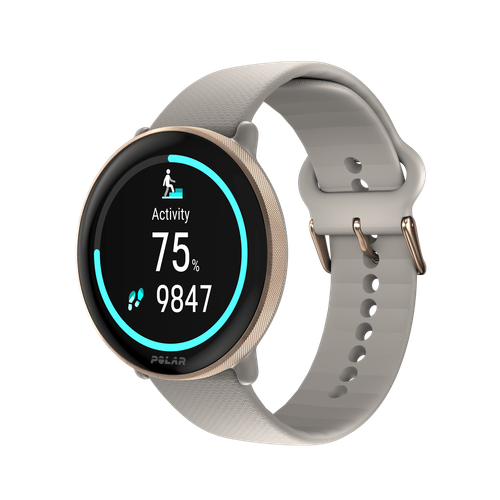
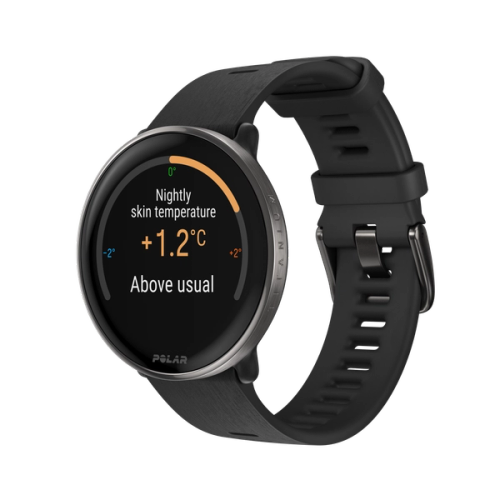
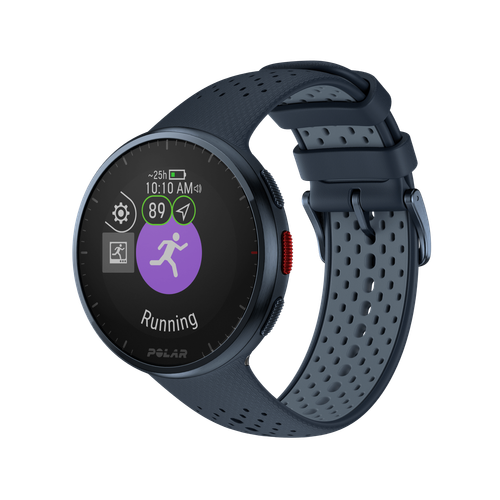
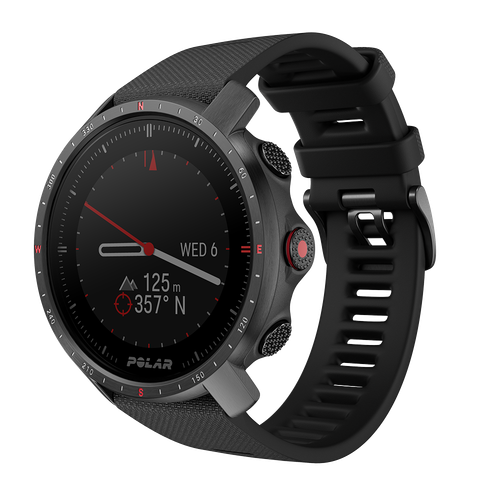
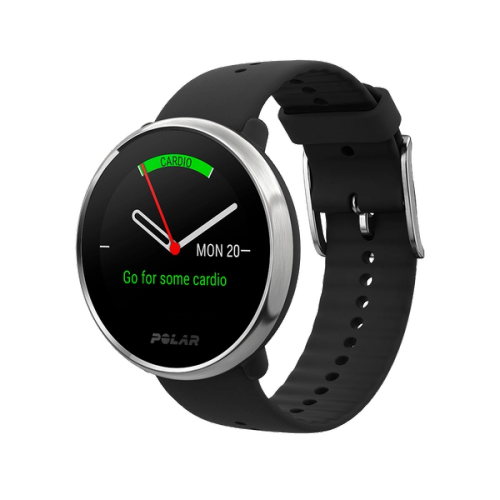
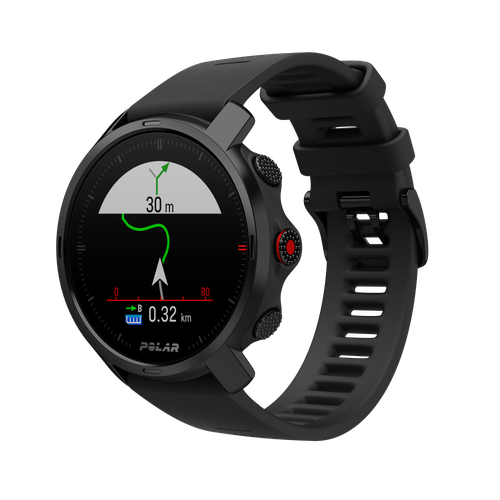
Polar Vantage M3
Smart Multi-Sport Watch
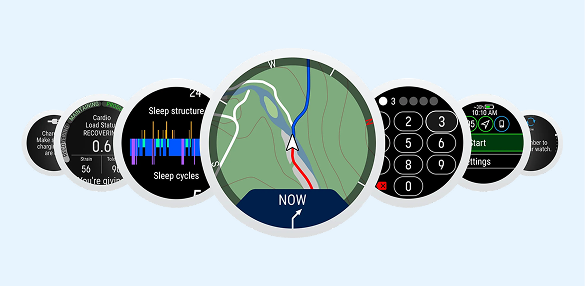
Polar Vantage M3 is a smart multi-sport watch for multi-sport athletes that’s compact yet powerful, stylish yet strong, and designed to bring extraordinary training, sleep and recovery tools into everyday life.
You’re Not Starting from Zero (The ‘Muscle Memory’ Reality)
If you’ve ever picked back up a workout routine after a hiatus and noticed your body responding faster than it did the very first time you trained, you’ve experienced the phenomenon commonly called ‘muscle memory.’ It’s one of the main reasons a comeback feels distinctly different from starting as a day-one beginner.
From a structural perspective, when you challenge your muscles through regular exercise, your muscle fibers adapt by adding cellular structures known as myonuclei. These myonuclei act like small powerhouses that help synthesize protein and support muscle growth. For years, scientists believed that when you stopped training and your muscles shrank, those myonuclei were lost.
Recent research paints an encouraging, if more nuanced, picture. A 2024 study in The Journal of Physiology found that myonuclei gained during prior strength training persisted inside muscle fibers even after 16 weeks of detraining—the previously trained muscle retained meaningfully more myonuclei than muscle that had never trained (Cumming et al., 2024). That’s a real, measurable cellular head start: your muscle fibers hold onto some of the ‘infrastructure’ built the first time around. What the same study didn’t find is a guaranteed performance payoff—when participants retrained, the previously trained muscle didn’t show significantly greater gains in strength or size than muscle starting from scratch. So the machinery sticks around, but researchers are still working out how much that actually speeds up your comeback in practice.
The Scientific Nuance Behind Muscle Memory
While ‘muscle memory’ is a genuine biological advantage, it’s worth noting that sports science doesn’t view it as a universal magic button. A comprehensive review in the Journal of Cachexia, Sarcopenia and Muscle points out that myonuclear retention in human muscle remains a nuanced debate—the extent to which your muscles hold onto these cells depends heavily on your previous training duration, age, and individual genetic factors (Rahmati et al., 2022).
Muscle memory won’t make you instantly immune to soreness, and it doesn’t guarantee you’ll outpace a first-time exerciser stride for stride. But it does mean that some of the cellular groundwork is already in place, which may support an easier rebuilding process. (If you want a deeper dive into what happens physiologically during a break, check out our guide to understanding detraining).
What If You’re Starting Fresh?
If you’re reading this and thinking, “I wasn’t particularly fit before my break—what about me?” then you should know that your body still has a genuine advantage: rapid initial adaptation.
When previously sedentary adults begin structured training, research shows real, measurable improvements in cardiorespiratory fitness and cardiometabolic markers within a matter of weeks (Nolan et al., 2018). That same research also found something worth knowing either way: those early gains can fade just as quickly if training stops again—cardiometabolic improvements reversed rapidly once exercise was discontinued. The lesson isn’t just that your body adapts quickly when you start—it’s that consistency, not intensity, is what locks in those gains. Whether you’re reclaiming an old baseline or building your first one, showing up regularly matters more than any single hard session.
Returning to Exercise: Special Cases (Injury, Pregnancy & Long Breaks)
While general timelines offer a helpful baseline, no two comebacks look identical. Life disruptions carry different physical realities, and trying to force a single, rigid timeline onto every situation is a recipe for frustration. Recognizing your specific starting point allows you to tailor your approach safely.
Getting Back in Shape After Injury
Returning after an injury requires a shift in mindset: your primary goal isn’t just to reclaim cardiovascular endurance or lift heavy, but to rebuild stability and connective tissue strength around the affected area. Tendons and ligaments adapt to strain much more slowly than muscles or lung tissue, meaning your lungs might feel ready to run five miles long before your knees or ankles can safely handle the impact.
Rushing this process is the quickest way to end up right back where you started. Always secure clear clearance from a physician or physical therapist before ramping up intensity. Once cleared, focus on low-impact movements, keep a close eye on joint discomfort, and remember that taking a timely rest day is just as vital to your healing process as the workouts themselves.
Postpartum & Exercise After Pregnancy
Returning to exercise after pregnancy is a unique physiological journey. Beyond typical detraining, your body has navigated major shifts in hormonal balance, ligament laxity, joint alignment, and core stability—alongside potential sleep deprivation and the physical demands of caring for a newborn.
Medical clearance is an essential first step, not a green light to jump straight into high-impact training—and the right timing for that clearance varies by person, delivery type, and recovery, so it’s a conversation to have directly with your doctor or midwife rather than a fixed number to aim for. Your core and pelvic floor require intentional, gradual rebuilding before tackling intense exertion. For detailed guidance on navigating fitness during and after birth, explore our dedicated guides on returning to running after pregnancy and tracking heart rate changes during pregnancy.
Returning After Years of Inactivity
If it’s been years—or even decades—since you last exercised consistently, it’s easy to feel intimidated by the gap. You might worry that too much time has passed or feel self-conscious about starting over.
Leave the shame at the door. From a physiological standpoint, starting after a long stretch of inactivity actually works in your favor. Your body responds remarkably fast to new stimuli; in those first few weeks, even short, gentle sessions can spark rapid improvements in energy levels, sleep quality, and metabolic health. You aren’t chasing a ghost version of your past self—you’re building a fresh, resilient foundation from the ground up, one step at a time.
A Realistic First-Month Plan: Your Step-by-Step Restart
The biggest mistake people make when returning to exercise isn’t doing too little—it’s doing too much, too fast. A successful first month isn’t about setting personal records; it’s about re-establishing the habit and giving your tendons, joints, and nervous system time to adapt.
Weeks 1–2: Establish the Habit and Keep Intensity Low
Your main goal in the first two weeks is simply showing up without pushing your limits.
- Frequency: Aim for 3 days of light-to-moderate activity, spaced out with rest days in between.
- Intensity: Keep your effort conversational—around a Rate of Perceived Exertion (RPE) of 4 to 5 out of 10. If you’re running or cycling, keep your heart rate in low-intensity zones where you can easily hold a full conversation.
- Duration: Keep sessions short—20 to 30 minutes is plenty. Focus on mobility, easy cardio, or low-impact strength training.
Weeks 3–4: Build Gradual Volume Before Adding Intensity
Once your body gets used to moving again, you can slowly increase how much you do—not how hard you push.
- Frequency: Expand to 3 or 4 sessions per week, keeping at least 48 hours of recovery between targeted muscle groups or hard efforts.
- Intensity: Introduce subtle shifts—perhaps adding a few brief intervals of slightly elevated effort—while keeping most of the workout comfortable.
- Duration: Increase your workout duration by no more than 10% per week.
How Polar Technology Paces Your Comeback
Instead of guessing whether you’re pushing too hard or holding back too much, you can let real-time physiological data guide your restart:
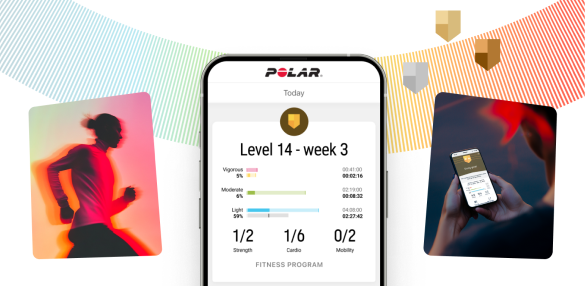
- FitSpark™: Provides daily workout recommendations directly on your watch, personalized to your fitness level, recovery status, and training history so you never have to guess what to do on day one.
- Nightly Recharge™: Tracks how well your autonomic nervous system recovers overnight, helping you decide whether to stick to your planned session or take an easy rest day.
- Training Load Pro™: Measures the strain your workouts place on your cardiovascular and musculoskeletal systems, helping you avoid sudden spikes that lead to overuse injuries.
To dive deeper into structuring your schedule, learn how often you should work out with Training Load Pro™, or review our guide on strength training essentials.
3 Common Mistakes That Sabotage Your Comeback
1. Doing Too Much Too Soon
Your cardiovascular system often adapts faster than your joints, ligaments, and tendons. Rushing into high volume or heavy weights before your connective tissues are ready is the fastest way to trigger tendonitis or joint pain, forcing you right back onto the sidelines.
2. Chasing Your Old Benchmarks
Trying to match the pace, weight, or duration you logged years (or even months) ago is a recipe for severe soreness and injury. Train for the body you have today, not the performance stats recorded in your past workout log.
3. All-or-Nothing Thinking
Missing a planned workout or feeling unusually sluggish during a session isn’t a sign of failure—it’s a normal part of the process. A single missed session won’t ruin your progress, and pushing through extreme fatigue often backfires. Consistency beats perfection every time.
Frequently Asked Questions
How long until I feel like myself again?
Most people notice improvements in energy, mood, and sleep within 1 to 2 weeks of consistent movement. Physical performance usually returns in about half the time spent away for short breaks, or within two to three months of progressive training after longer absences.
Will I lose all my fitness if I’ve been away for months?
No. While cardiorespiratory capacity declines during time off, the decline tends to plateau rather than continue to worsen indefinitely (Zheng et al., 2022). Your body holds onto baseline structural adaptations, which is why rebuilding is typically faster and more forgiving than starting completely from scratch.
Does muscle memory help you get fit faster?
Muscle memory is real at the cellular level—research shows that muscle fibers retain nuclei gained during prior training even after extended time off (Cumming et al., 2024). Whether that translates into a faster comeback in practice remains an open question in the research; strength and muscle gains during retraining haven’t consistently outpaced those of a first-time exerciser. What it likely means is that some of the groundwork is already in place, which may make the rebuilding process feel more familiar, even if the finish line isn’t guaranteed to arrive any faster.
What is the safest way to start exercising again after an injury?
Always obtain clear professional medical clearance first. Begin with low-impact movements, keep intensity strictly within a pain-free range, and monitor your recovery daily to ensure you don’t re-aggravate the injured area as you rebuild volume.
Your Comeback Begins Today
Regaining your fitness isn’t about rushing to make up for lost time—it’s about honoring where your body is today and giving it room to adapt. Whether you’ve been away for four weeks or four years, your past work hasn’t vanished, and a structured, data-guided return will always beat guessing. Take it one session at a time, listen to your recovery signals, and focus on steady momentum.
Ready to take your first easy step? Try using Polar FitSpark™ for a personalized workout recommendation today, or check out our guide on starting with walking for an accessible, low-impact way to build your new baseline.
Enjoying this article? Subscribe to the Polar Newsletter and get notified when new articles are out.
Subscribe
References
Zheng, Pan, Jiang, & Shen. (2022). Effects of Short- and Long-Term Detraining on Maximal Oxygen Uptake in Athletes: A Systematic Review and Meta-Analysis. BioMed Research International. https://doi.org/10.1155/2022/2130993
Cumming, Eftestøl, et al. (2024). Muscle memory in humans: evidence for myonuclear permanence and long-term transcriptional regulation after strength training. The Journal of Physiology. https://doi.org/10.1113/JP285675
Nolan, Keeling, Robitaille, Buchanan, & Dalleck. (2018). The Effect of Detraining after a Period of Training on Cardiometabolic Health in Previously Sedentary Individuals. International Journal of Environmental Research and Public Health. https://doi.org/10.3390/ijerph15102303



 POLAR Street X
New
 Polar Vantage M3
 Polar Grit X2 Pro Titan
 Polar Grit X2 Pro
 Polar Grit X2
 Polar Vantage V3
 Polar Ignite 3
 Polar Pacer
Grit X Series
Vantage Series
Pacer Series
Ignite Series