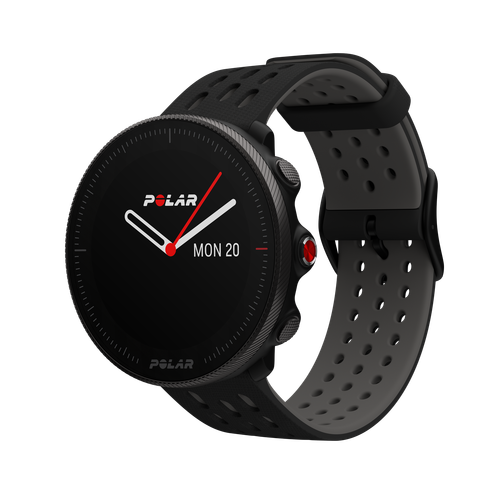
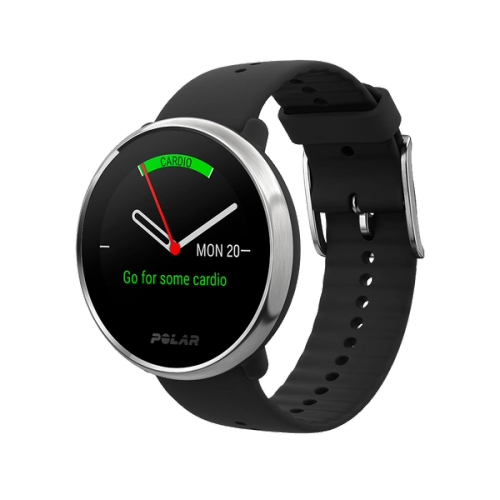
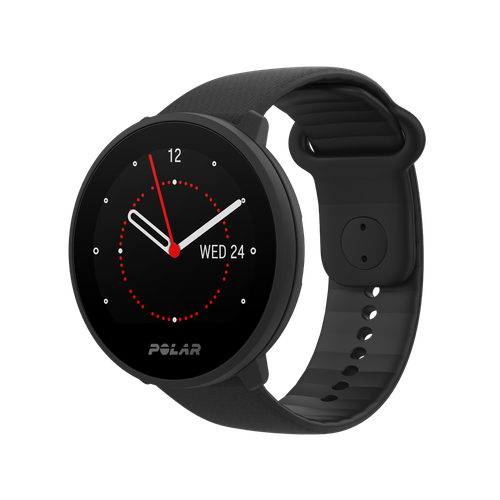
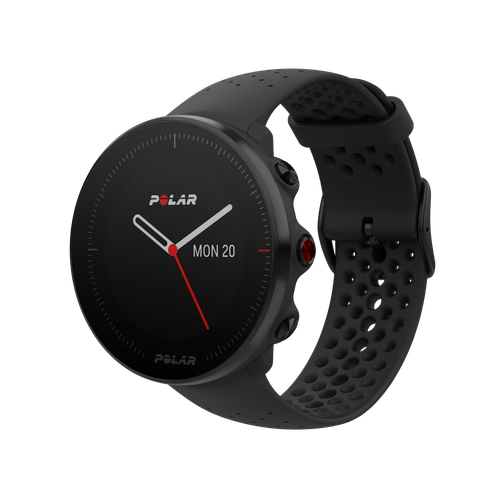
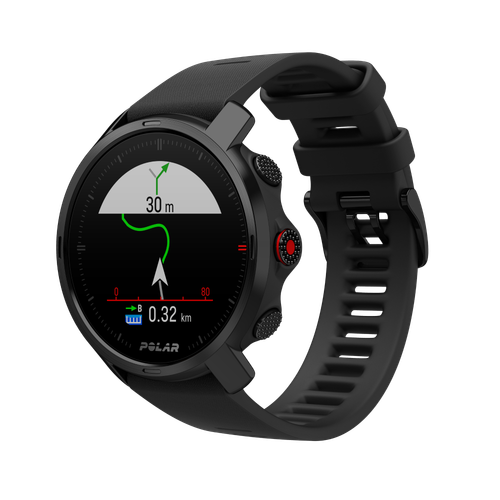
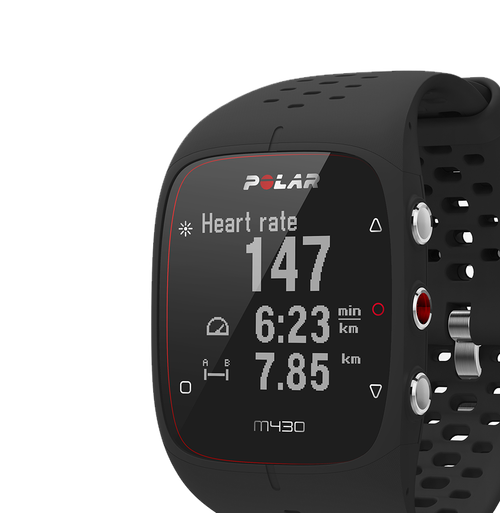
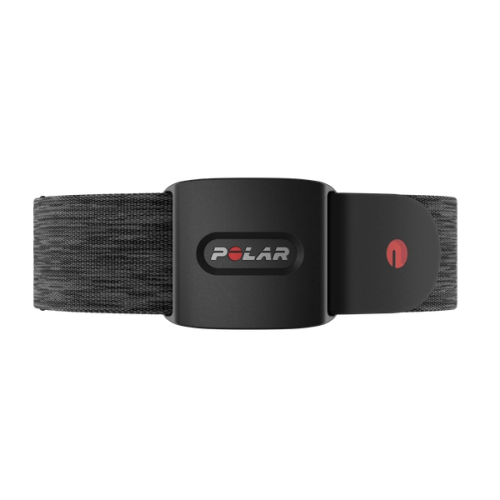
Do you know how to read your sleep data correctly and what it can tell you about yourself? Your Polar watch or POLAR Loop along with the Polar Flow app give you a great deal of insight into your nightly sleep and provide you with numerous metrics. In this article you will get to know the different sleep data points better and learn what they really mean.
Reading your sleep data correctly — what metrics does your watch give you?
Your Polar watch analyzes a wealth of data about your health and fitness. During sleep it diligently records how your body behaves and gives you assessments of whether you are currently in balance.
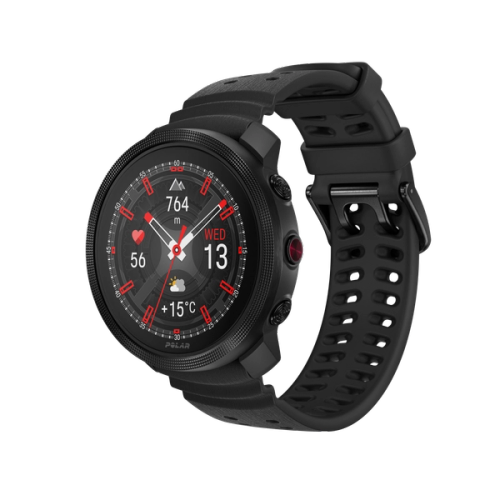
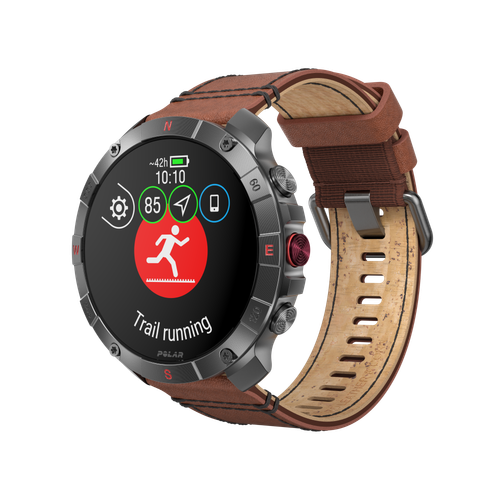
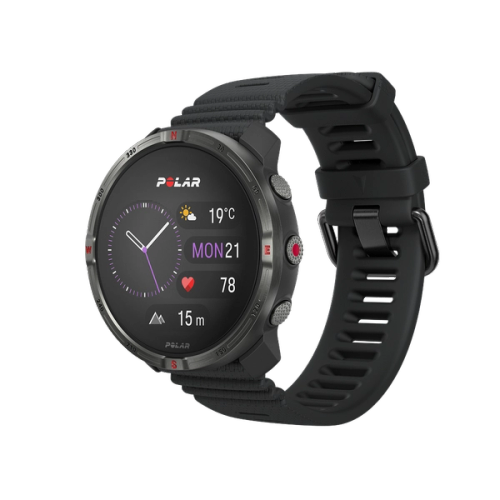
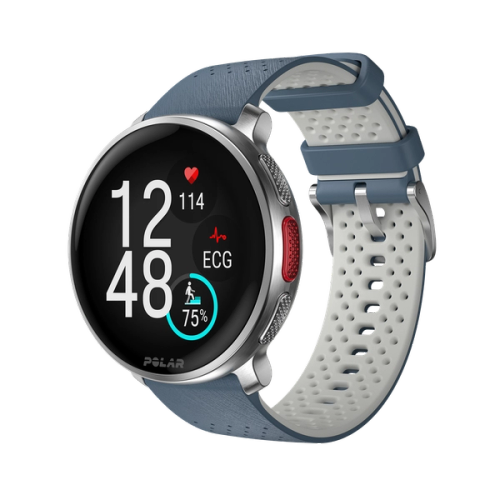
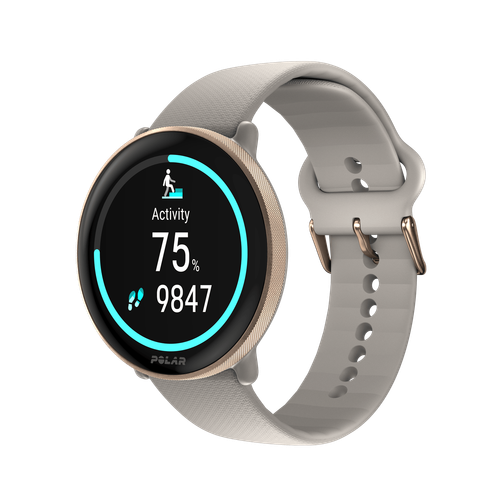
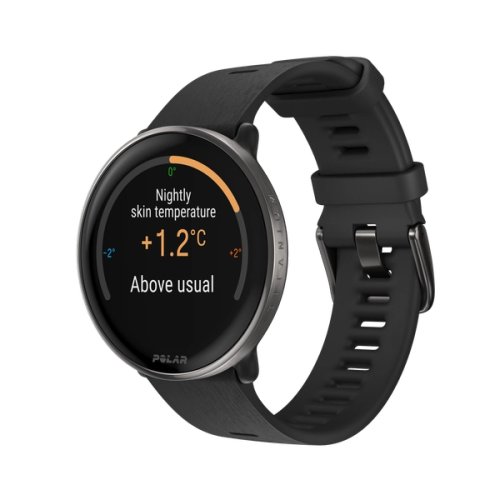
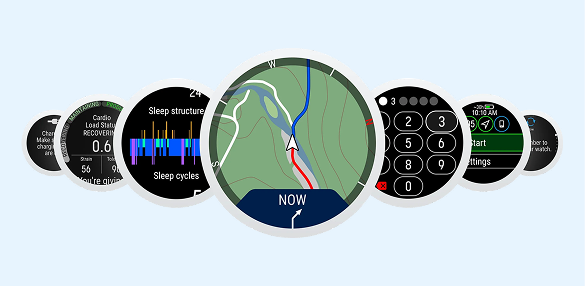
With the latest Polar sports watch models and the POLAR Loop fitness tracker, every morning you will see the following data:
undefined
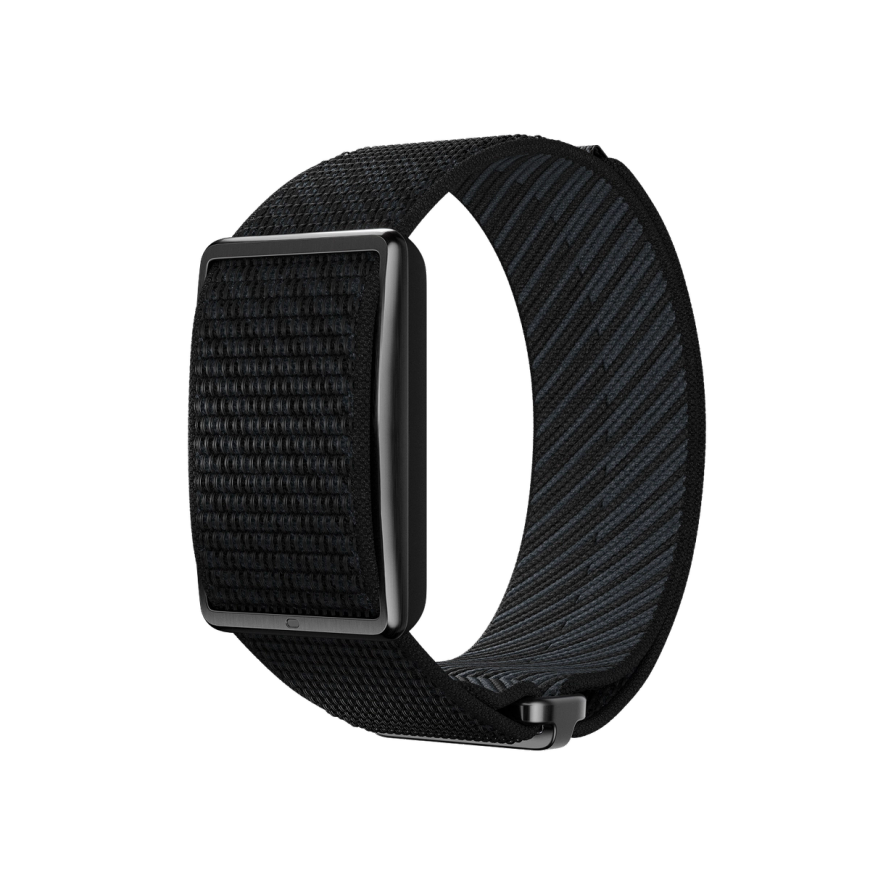
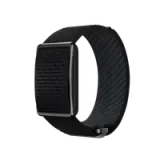
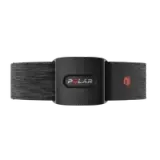
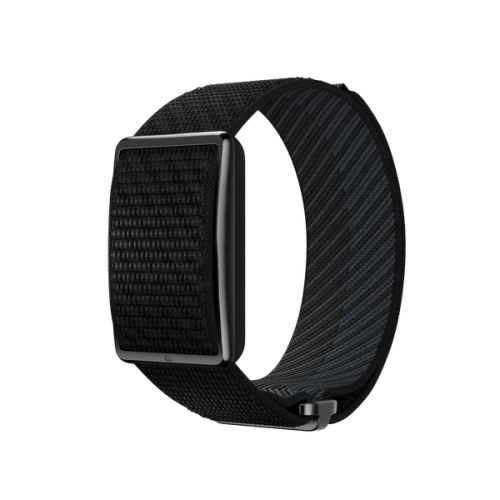
POLAR Loop
Screen-Free Wearable Health Band & Fitness Tracker
POLAR Loop is a screen-free, subscription-free fitness band that helps you sleep better, recover smarter, and stay active—without distractions.
Reading your sleep data correctly — Nightly Recharge™
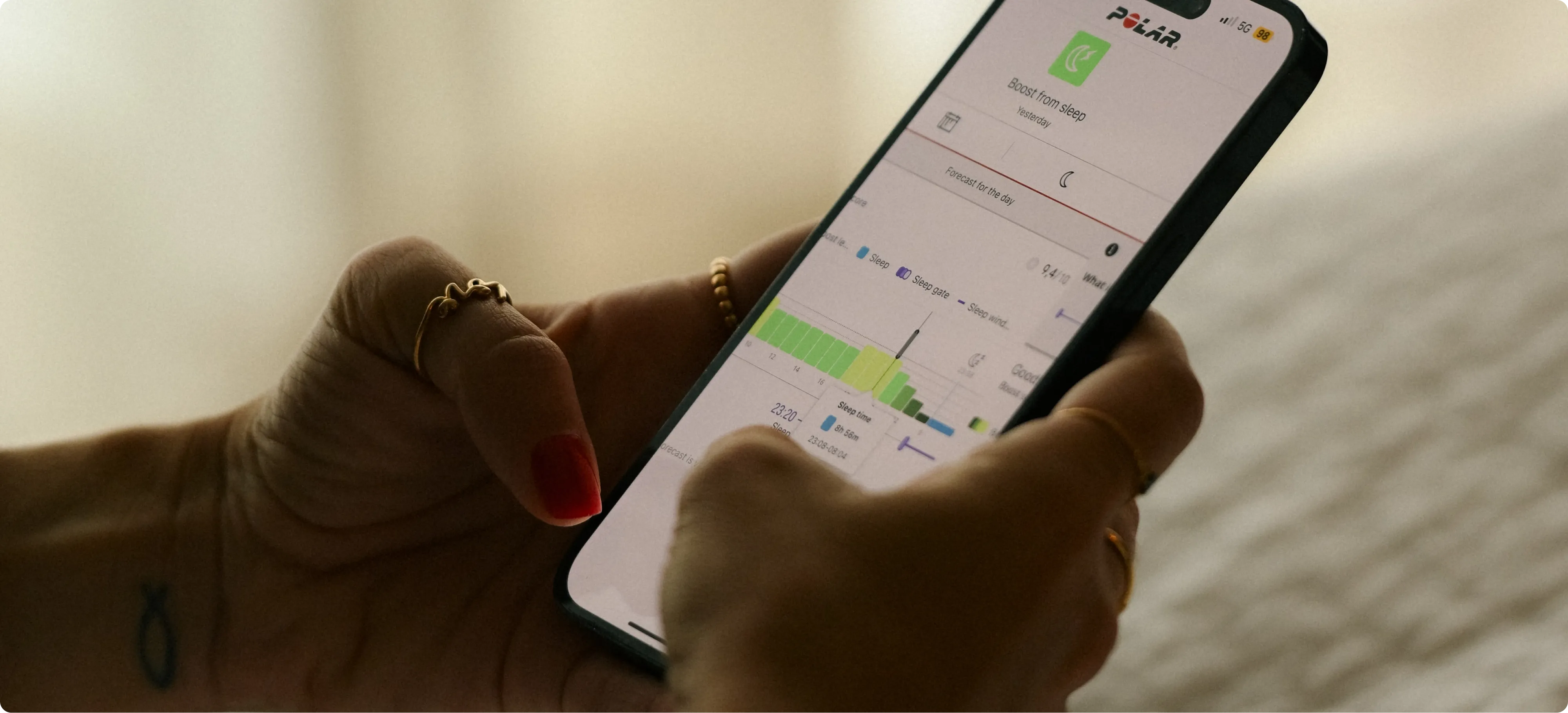
Nightly Recharge™ is an overnight measurement that tells you how well you are recovering from stress and training. It combines your autonomic nervous system (ANS) metrics — such as heart rate, heart rate variability (HRV), and breathing rate — with your sleep status.
The sleep status is derived from Sleep Plus Stages™. For the ANS status, your heart rate, HRV, and breathing rate values from the first four hours of sleep are used above all, because these provide the most meaningful picture of how well your autonomic nervous system has calmed down.
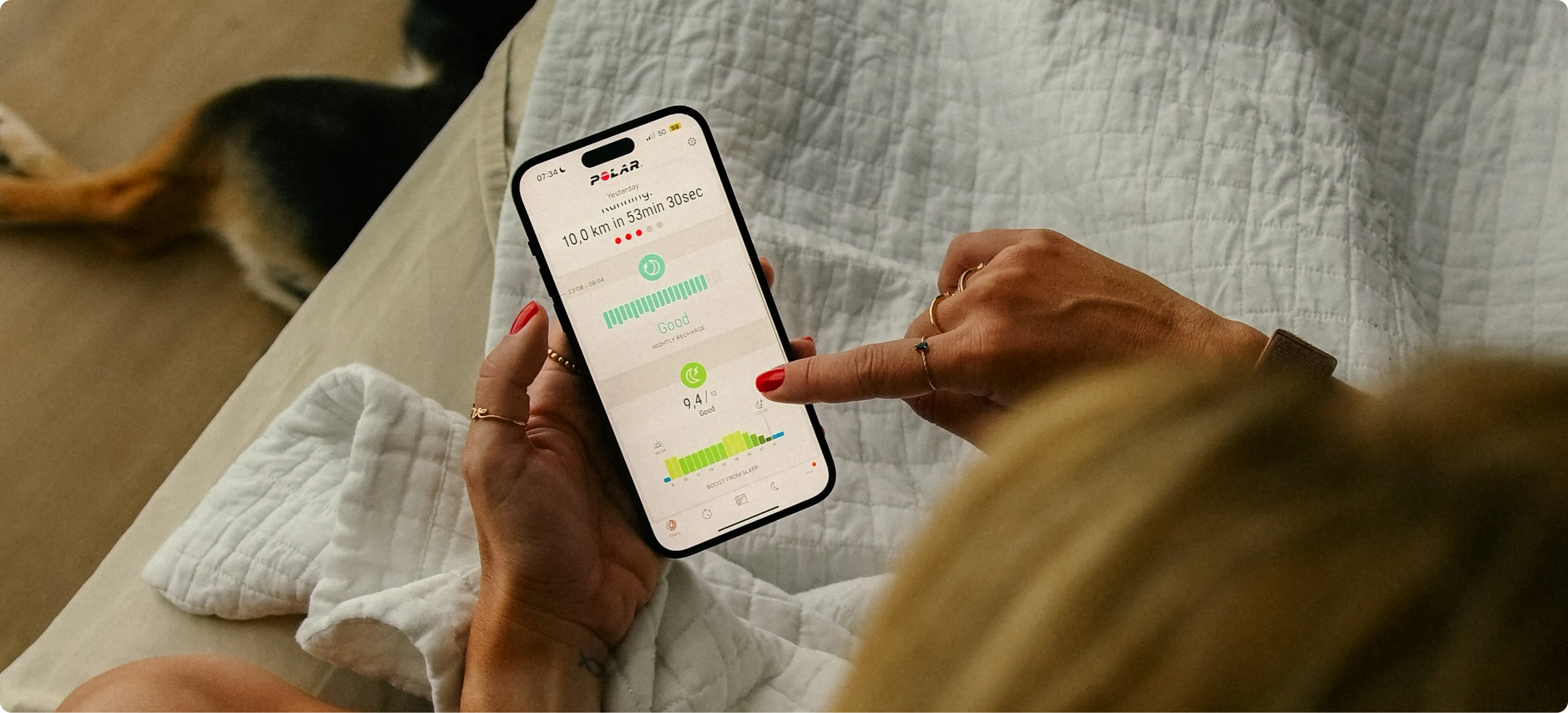
In the morning you receive a Nightly Recharge™ status — ranging from very low to very good — based on your individual history. If you want to read your sleep data correctly, this is the most important and meaningful metric for interpreting your night’s sleep, as it is a summary of all sleep data. You can think of it as an overview of your overnight recovery.
Sleep Plus Stages™
Sleep Plus Stages™ is Polar’s comprehensive sleep tracking feature. Your Polar watch automatically records the amount and quality of your sleep and documents all sleep stages, from REM sleep to deep sleep. Sleep Plus Stages™ also combines your sleep quality with your sleep time and gives you a sleep score between 0 and 100.
SleepWise™
SleepWise™ tells you about your performance readiness and alertness throughout the day. It predicts how much energy you are likely to have during each hour of the day based on your previous night’s sleep. It also analyzes your sleep-wake rhythm and gives you recommendations for your optimal bedtime.
Heart rate
Your Polar watch lets you track your heart rate 24/7. Heart rate represents your heartbeats per minute and typically sits between 40 and 100 at rest.
Overnight you get a detailed graph of your sleep heart rate and learn your average as well as your lowest heart rate during the night. Your sleep heart rate sheds light on your physical fitness and its development, your response to stress, and early signs of infection. Heart rate also feeds into Nightly Recharge™.
Your average nightly heart rate drops over time as you build physical fitness, improve your endurance, and build stamina.
Heart rate variability (HRV)
Heart rate variability (HRV) refers to the variation in time between successive heartbeats. A high HRV is a sign of good health and indicates strong physical fitness and resilience. A high HRV reflects high activity of the parasympathetic nervous system — the part of your autonomic nervous system (ANS) responsible for rest, relaxation, and digestion.
HRV typically sits between 20 and 150, but can go even higher.
Heart rate variability increases over time as your endurance improves and you get better at managing stress.
Breathing rate
Breathing rate measures your breaths per minute during the first four hours of sleep. In a healthy adult, normal values range from 12 to 20 breaths per minute.
Reading your sleep data correctly — what do your numbers mean?
So what exactly do these metrics mean, and how can they help you in everyday life?
In general, your sleep data gives you insight into:
- Overnight recovery
- Stress levels
- Response to training, intensity, and timing
- Signs of infection
- Development of your physical fitness
- Circadian rhythm (internal clock)
- Response to your daily life, nutrition, alcohol consumption, etc.
If you want to get the most out of your sleep data, it is worth also looking at your daily routine and analyzing it.
One important note: your heart rate values should always be assessed relative to your personal history. If your average sleep heart rate is 45–48 beats per minute (bpm), that is your normal. A night with an average of 55 bpm means something very different for you than a sleep heart rate of 55 bpm would for someone whose usual range is 58–60 during the night.
That is why Nightly Recharge™ compares your data from last night with your values from the past 28 days.
Nightly Recharge™ reduced or low — what can you do?
If your Nightly Recharge™ shows a reduced, low, or very low status in the morning, it means your last night’s sleep was not optimal. You will likely see changes in your sleep structure — for example, too much or too little deep sleep, or many interruptions. Your heart rate was also probably elevated and your HRV reduced. All of this suggests that something disturbed your sleep and prevented you from recovering well. The really interesting question is: what can you do when you notice a reduced Nightly Recharge™ value for one or more nights?
Because the causes of reduced sleep quality are varied and individual, we have put together a checklist for you. Go through it regularly whenever your sleep is disturbed to analyze your sleep behavior more closely and draw actionable conclusions from it.
Reading your sleep data correctly — CHECKLIST FOR A REDUCED NIGHTLY RECHARGE™
- Did you eat your last meal later than usual before going to bed?
- Was your last meal heavier or different from your norm?
- Did you drink alcohol?
- Was your training particularly intense?
- Did you train later than usual?
- Are you under stress at work or in your personal life?
- Are you suppressing uncomfortable emotions?
- Have you trained less than usual over the past few weeks?
- Do you feel ill?
- Do you have pain or other physical complaints?
- Do you notice a pattern related to your menstrual cycle (e.g., a consistently reduced Nightly Recharge™ value toward the end of your cycle)?
- Was your bedroom too warm or too cold?
- Were there external stressors such as light, noise, or other disturbances?
- Did you sleep somewhere unfamiliar?
- Did you go to bed earlier or later than usual?
If you go through this list regularly whenever your sleep is disrupted, you will likely start to recognize patterns that lead to the deviations. You might find, for example, that you sleep best when you eat your last meal two to three hours before bedtime and keep it relatively carbohydrate- and protein-rich. A heavy, fatty meal an hour before bed, on the other hand, may be more disruptive for your body.
Conclusion — reading your sleep data correctly
The sleep data from your Polar watch reveals a great deal about your daily life, your fitness, and your state of mind. The Nightly Recharge™ value is a good summary of all relevant metrics from your last night compared to your “normal state.”
When you notice changes in your nightly sleep, it can be useful to take a closer look at your daily routine. This helps you learn more about yourself and gradually reduce the factors that disturb your sleep. Good sleep is individual — and there are many different factors that can influence it.
Enjoying this article? Subscribe to the Polar Newsletter and get notified when new articles are out.
Subscribe



 POLAR Street X
New
POLAR Street X
New
 Polar Vantage M3
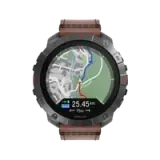 Polar Grit X2 Pro Titan
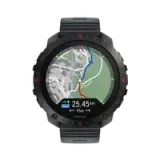 Polar Grit X2 Pro
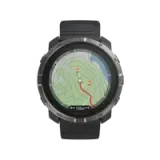 Polar Grit X2
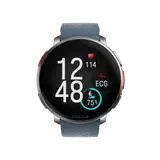 Polar Vantage V3
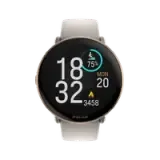 Polar Ignite 3
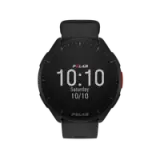 Polar Pacer
Grit X Series
Vantage Series
Pacer Series
Ignite Series
Polar Pacer
Grit X Series
Vantage Series
Pacer Series
Ignite Series