Get fitter, build muscle, improve endurance, shape your body — how long do you have to train until you see results? If you’ve started training with a clear goal in mind, you may be asking yourself how long it will take to reach it.
In this article, we’d like to give you some perspective and show you realistic timeframes for how quickly you can make progress with strength training, running, and endurance training.
How Long Until You See Results from Training?
If you’re asking yourself: “How long do I have to train until I see results?”, you first need to define what kind of results you want.
- Do you want to feel stronger or more energetic?
- Do you want to build visible muscle?
- Or do you want to run ten kilometers without stopping?
To reach your goal, you need to know what it is and structure your training accordingly. Each goal requires different training methods. Running alone won’t help if you want to build visible muscle mass. You should also understand that everyone is different. For some people, the body’s adaptations to training stimuli happen faster than for others — and that’s completely normal.
In the first four to six weeks, you’ll probably notice some initial changes. Maybe you have a little more energy or a better mood. It feels slightly easier to motivate yourself to train. And your sleep may become deeper and more restorative.
But longer-term changes — like muscle growth, more endurance, or a faster running pace — often take months to years. If you’re working toward those kinds of goals, you’ll need to allow more time. No crash diet will transform you completely within a few weeks, and no training plan in the world will change your body in three days.
Here’s an overview of how quickly you can expect to see results and progress, depending on your goal.
How Long Does Strength Training Take to Show Results?
If you want to build muscle “quickly”, in reality you’ll need to train for several months before you see the first results. But with consistency, progressive training, and patience — along with enough sleep and good nutrition — you will change your body and build muscle.
Strength Training Results in Weeks 1–4
In the first weeks of a well-structured training program, you’ll typically experience an immediate increase in muscular strength and endurance. This is often due to neural adaptations — your body learning to recruit muscle fibers more efficiently. So you’re not yet building significant muscle mass here; the changes are primarily happening at a different level.
Strength Training Results at 2–3 Months
After two to three months of consistent strength training, you’ll likely start to notice changes in muscle definition and a noticeable increase in strength. You may see your muscles looking slightly fuller or more defined. At this stage, it’s important to progressively increase the resistance or weight you’re moving to continue stimulating muscle growth.
Strength Training Results at 4–6 Months
In the first four to six months, you’ll have built a solid foundation of muscle. Your strength and muscular endurance will have noticeably increased, and further physical development will be visible. Remember: muscle building is an ongoing process — consistency is crucial at every stage.
Strength Training Results After 6+ Months
After half a year, the changes will be hard to miss — if you’ve been training progressively and following a good training plan. To achieve significant muscle growth and a well-developed physique, you’ll need to train over a longer period, often more than six months.
During your first year of training, you’ll see the greatest gains. Over time, muscles continue to adapt and grow, but progress may slow compared to the first months. Once you’ve built the muscle mass you want, you can shift your training toward maintenance. You’ll still need the stimulus of progressive strength training, but you can do significantly fewer sets per week per muscle group.
Running and Cardio: How Long Until You See Results?
Running is one of the most popular sports among Polar smartwatch users — and no wonder. It’s a great way to strengthen your heart, build endurance, and burn calories. It’s also a great way to escape the daily grind and get out into nature. But how long do you need to train before you see results in running and endurance training in general?
As with any training, the time your body needs to adapt varies depending on your fitness level, goals, lifestyle, age, and training approach. Here’s a rough overview of how quickly your body adapts to running.
What Happens in Your Body After 1–2 Weeks of Running?
With a suitable training plan, you may notice the first changes within days or weeks. You’ll probably find your energy levels rising and your mood improving — and you may already be sleeping better. Cardiovascular adaptations begin from your very first session, but in the first 1–2 weeks they’re still minimal, so you probably won’t feel any major improvements yet.
What Happens in Your Body After 3–6 Weeks of Running?
Within the first month, you’ll start getting used to a regular running routine. You may notice your endurance gradually improving — running a little longer without stopping or holding a slightly faster pace. That said, the adaptations during this period are still modest.
What Happens in Your Body After 2–3 Months of Running?
Over 2–3 months, you’ll see more significant improvements. Noticeable adaptations occur in endurance and also in your running economy. Tendons and similar structures also need roughly three months to adapt to the new load — they take longer than your cardiovascular system. You’ll also notice that you need less recovery time between runs before you’re ready for the next training stimulus.
This timeframe is realistic for progressing from 0 to 5km, from 5 to 10km, or making the jump from 10km to a half marathon.
What Happens in Your Body After 3–6 Months of Running?
Start a sensible training plan today, and in six months you’ll see major improvements in your running fitness. You’ll be able to run longer distances comfortably, hold a higher pace, and your heart rate will start to drop at the same effort level. You may also notice changes in your resting heart rate, which will be a little lower.
Many runners overestimate what they can achieve in a few weeks and underestimate how much they can change in six months. But this phase in particular is very motivating — you’ll see that the hard work is paying off.
What Happens in Your Body After 6+ Months of Running?
If you want to reach a high level of endurance and running fitness, some adaptations will take months and years. If you want to run personal bests, work toward specific goals, or tackle big challenges, you’ll need to invest a lot of time.
The risk of a running injury also decreases noticeably after the first 1–2 years of running training. You’ll become more efficient and economical. Your heart and lungs adapt, and you get better at using oxygen during training. Depending on your training approach, your anaerobic threshold may also shift. You form more mitochondria in your cells — the powerhouses that supply energy. As a result, your heart rate at the same effort level drops and your VO2max increases.
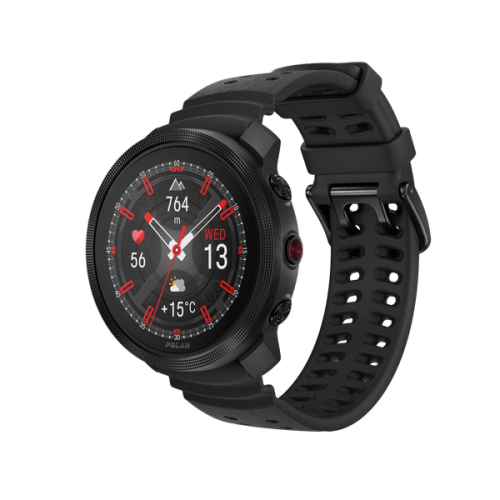
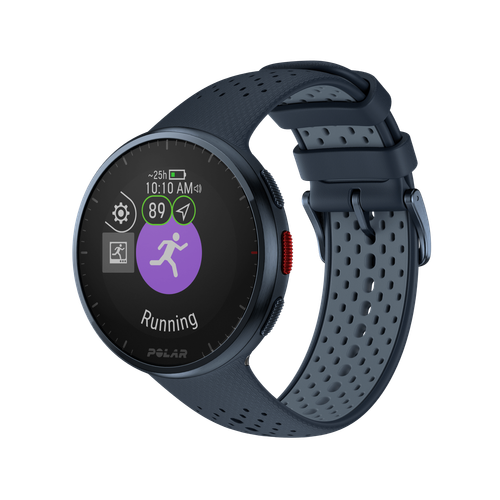
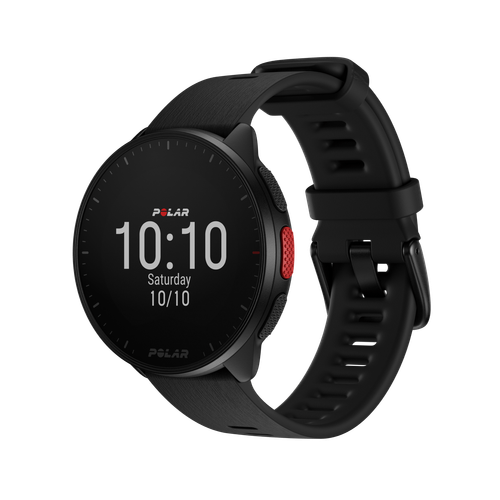
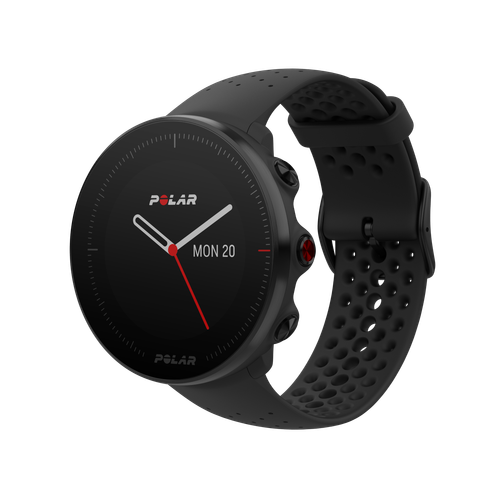
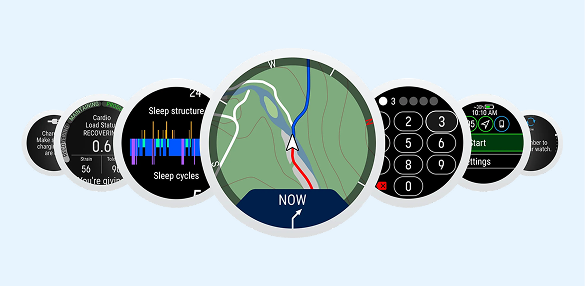
By the way: want to track your running and endurance progress and notice changes early? The Polar Pacer series and Vantage V3 can help you discover those adaptations and take your training to the next level.
undefined

Polar Vantage V3
Premium Multisport Watch
An ensemble of biosensing instruments, AMOLED display, dual-frequency GPS, maps, and the most comprehensive suite of training and recovery tools on the market. The stage is set, and the Polar Vantage V3 smart sports watch is ready to put in the performance of a lifetime.
How Long Does It Take to Get Back in Shape After a Break?
When you return to training after a break, you won’t be able to pick up right where you left off. Depending on how long you were away, you’ll have lost some fitness and need to adjust your expectations accordingly.
If you were ill or injured, you’ll need to be extra careful and take things step by step when returning to running or strength training — to avoid overdoing it. In some cases, it’s worth working with a specialist to address your weak points, adjust your training plan, and prevent re-injury.
Tip: As a rough guide, allow 1–2 weeks of training for every week you were away, to get back to your previous level. Listen to your body — and to your heart.
The good news: as an experienced athlete, you’ll regain fitness faster than a beginner. Muscles rebuild more quickly, ligaments, tendons, and joints readapt to load in a shorter time, and your cardiovascular fitness recovers comparatively faster too.
Enjoying this article? Subscribe to the Polar Newsletter and get notified when new articles are out.
Subscribe



 POLAR Street X
New
 Polar Vantage M3
 Polar Grit X2 Pro Titan
 Polar Grit X2 Pro
 Polar Grit X2
 Polar Vantage V3
 Polar Ignite 3
 Polar Pacer
Grit X Series
Vantage Series
Pacer Series
Ignite Series