In 1965, following the immense popularity of the Tokyo Olympics, a Japanese company released a pedometer called the manpo-kei, which literally translates to 万 (10,000) and 歩 (steps). You could be forgiven for thinking this number was chosen after a lengthy clinical trial or study into human longevity. In reality, it was simply a catchy marketing slogan because, if you look closely, the Japanese character 万 looks a little like someone who is walking.
In the sixty years since, it has become an accidental standard; a number that has become burned in our brains as a daily goal. We've paced around our apartments at 11:45pm to hit this target (just like Maia in I Love LA), assuming that something magic happens once we've reached that ten-thousandth step. But the understanding of human physiology has evolved over these many decades, and with recent research, it's now clear that our bodies aren't so concerned with how many times your feet hit the pavement, but how hard your heart has to work to get you there.
So, what’s the truth behind our daily step count? Keep scrolling because in this article, we'll look at why active minutes matter more than steps. Get ready to move out of the era of arbitrary numbers and into the era of quality movements.
Steps vs. Active Minutes: What’s the Difference?
When we talk about the difference between measuring steps and active minutes, we're really talking about quantity vs quality. Here's what that means:
- Steps (Quantity): This is a mechanical measurement captured when an accelerometer in your device counts the physical 'jarring' motion of each step. It is a measure of volume. So, whether you're strolling slowly around the grocery store, pausing every few meters to peruse and make decisions, or frantically chasing your dog up a hill, each of these steps is recorded as the same type of unit. It tells you that you have moved but says nothing about how hard you worked.
- Active minutes (Quantity): This is a physiological measurement. At Polar, we define 'active minutes' based on intensity. So, a movement that raises your heart rate into a specific zone, especially moderate or vigorous physical activity, would qualify as active minutes. It's the difference between simply being in motion and being active in a way that counts.
So, essentially, while you can move your body very little and 'get your steps in,' physiologically speaking, your body won't have moved the needle much. This is because, when it comes to cardiovascular health, not all steps are created equal.

The Power of Pace: Why Intensity Matters
A 2022 study from the University of Leicester put this 'quantity vs. quality' debate to the test. By analyzing the genetic data and walking habits of over 400,000 adults, researchers found that the speed of your steps is a stronger predictor of health than the total volume of these steps.
The findings were remarkable: individuals who habitually walked briskly (defined as over 4 mph) had significantly longer telomeres—the caps at the ends of our chromosomes that serve as markers of biological age. In fact, brisk walkers were biologically 16 years younger than slow walkers by midlife, regardless of how many total steps they took. The takeaway is clear: if you want to slow down the aging process, you need to pick up the pace.
Similarly, a 2022 study published in Nature Medicine introduced a game-changing concept for busy desk workers: VILPA, or Vigorous Intermittent Lifestyle Physical Activity. Researchers tracked the movement of over 25,000 'non-exercisers' and found that just 3 to 4 minutes of vigorous movement tucked into daily life (think of it as a sprint to catch the bus or quickly ascending three flights of stairs) was associated with a staggering 40% reduction in all-cause mortality.
All this research highlights why the question "Is walking enough?" is tricky. If you hit 10,000 slow steps while window shopping, you are certainly doing your metabolic health a favor by staying upright. However, those steps likely won't improve your VO2 max or strengthen your heart muscle.
Contrast these steps with a 20-minute power walk or a 5,000-step hike up a slight incline. Because intensity-based movement raises your heart rate, your body adapts, becoming more efficient at pumping blood and burning fuel. In this scenario, 5,000 'active' steps outperform 10,000 'leisurely' steps every time.
Can You Get Active Minutes Without Many Steps?
If you've only been using a tracker that counts your steps, then you've probably experienced the frustration of completing a grueling workout only to find it recorded as a few hundred steps. After all, a heavy session of deadlifts won't exactly count for much in terms of footwork, yet your body knows that you have definitely worked out.
To bridge this gap, scientists and fitness devices use METs (Metabolic Equivalents). One MET is the energy you burn just sitting quietly. When we talk about 'active minutes,' we are usually looking for activities that hit 3 to 6 METs (moderate) or 6+ METs (vigorous). By using METs, we can measure the 'cost' of an activity to your body, regardless of whether your feet are moving.
So, what are some high-effort activities that challenge your heart and muscles—scoring high MET values—without requiring a single stride?
- Cycling or Rowing: These offer incredible cardiovascular conditioning (often 7–10 METs), but keep your feet stationary or strapped in.
- Strength Training or Pilates: Lifting weights or engaging in resistance work builds vital muscle mass and spikes your heart rate, yet yields a negligible step count.
- Heavy Gardening or Carrying Groceries: Functional movements like 'the farmer’s carry' (lugging heavy bags) create significant physiological strain (roughly 4–5 METs) that a step counter simply can’t translate.
How to Balance Quantity and Quality
So, if you’re wondering which metric to prioritize, the answer isn’t one or the other—it’s a hybrid approach. Think of steps as your entry point: they are the baseline required to prevent the negative effects of a sedentary lifestyle. Active minutes, however, are your everyday goal: they are what actually drive improvements in your stamina, longevity, and heart health.
For desk workers, the challenge isn’t just finding time to walk; it’s making that time count. Instead of a casual stroll to the breakroom or the copier, try something simple like only taking the stairs at work or going for a short power walk around a park at lunch. By simply increasing your pace for these small bursts, you can turn 500 of your incidental hourly steps into high-quality 'active steps.' For beginners or those returning to exercise, this approach removes the pressure of hitting a massive 10,000-step goal on day one.
Indeed, rather than obsessing over a weekly total of 70,000 steps, shift your focus to the World Health Organization (WHO) gold standard: 150 minutes of physical activity per week.
If you have a fairly sedentary lifestyle, especially if you're like the aforementioned desk workers, your goal should be 'intensity snacks'—short, 5-to-10-minute windows of brisk movement that get your heart rate into the moderate zone. By focusing on these high-yield minutes, you ensure that even on days when your step count is low, your health gains remain high.
undefined
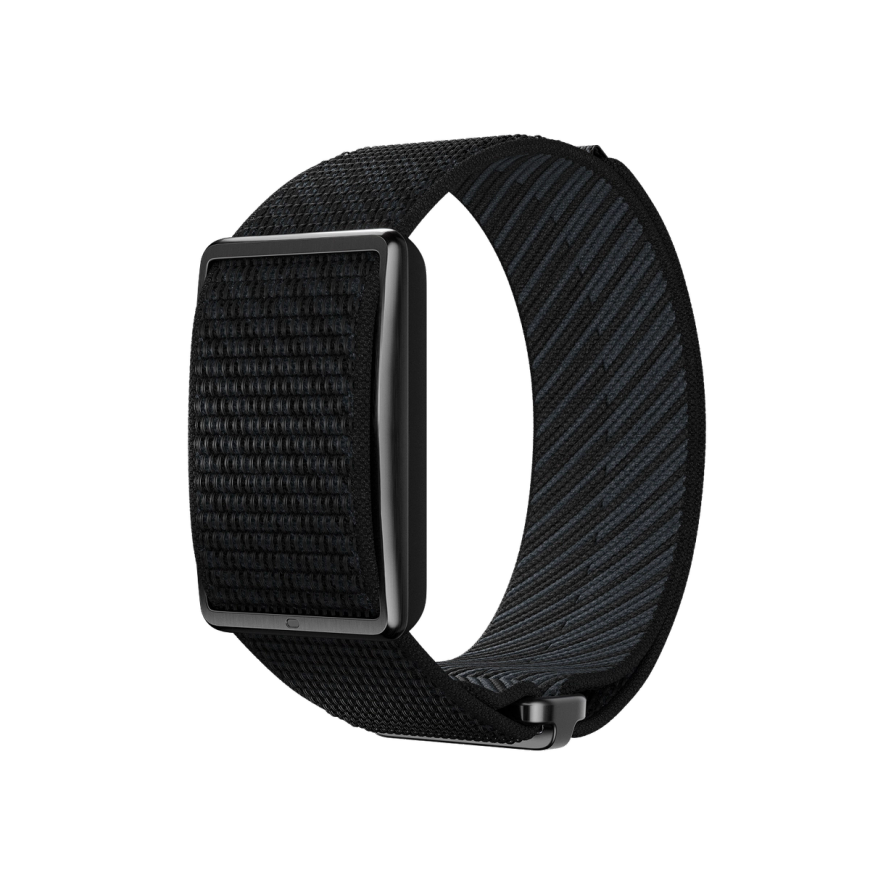
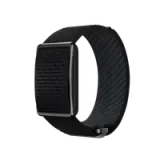
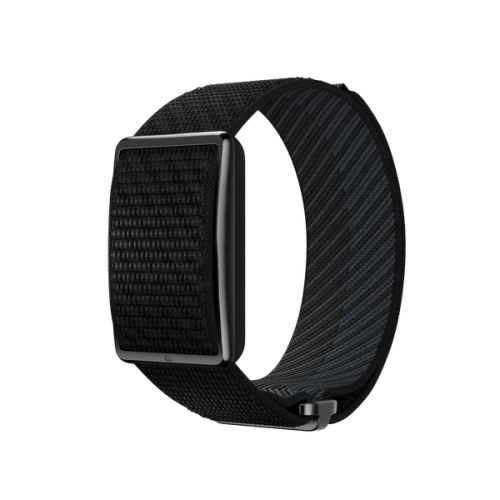
POLAR Loop
Screen-Free Wearable Health Band & Fitness Tracker
POLAR Loop is a screen-free, subscription-free fitness band that helps you sleep better, recover smarter, and stay active—without distractions.
The Polar Approach
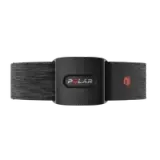
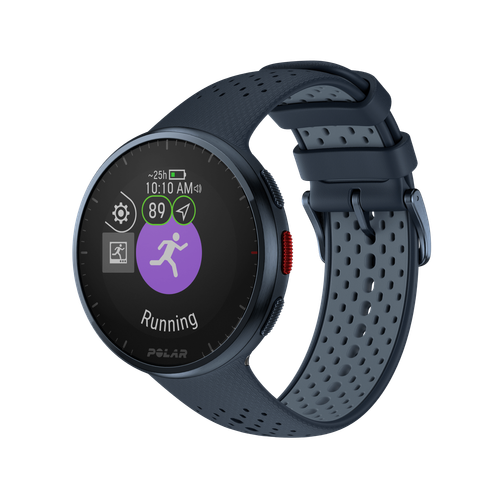
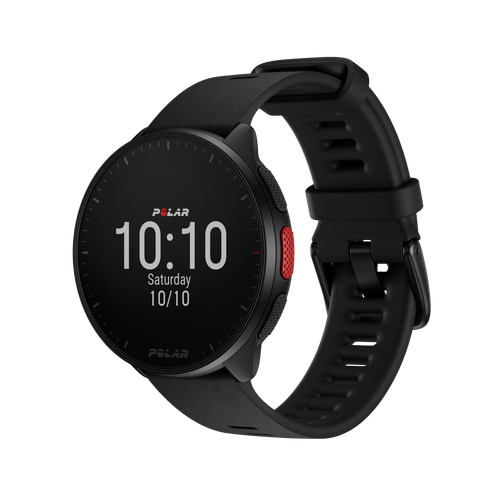
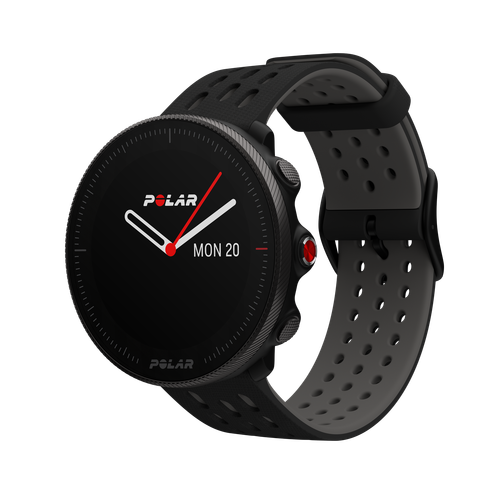
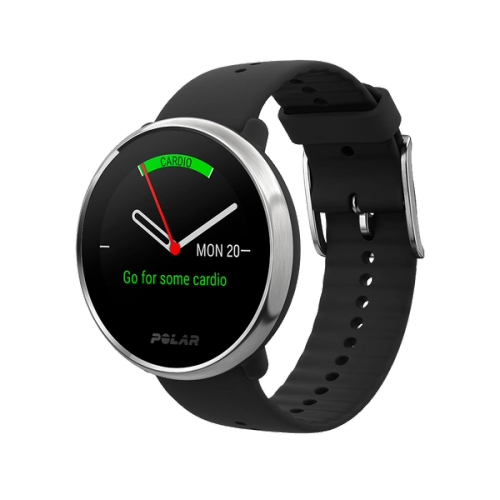
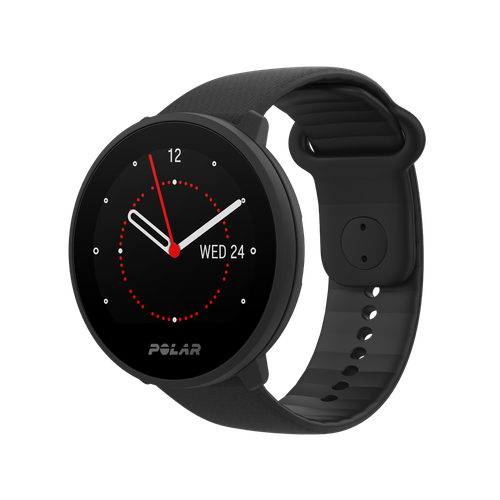
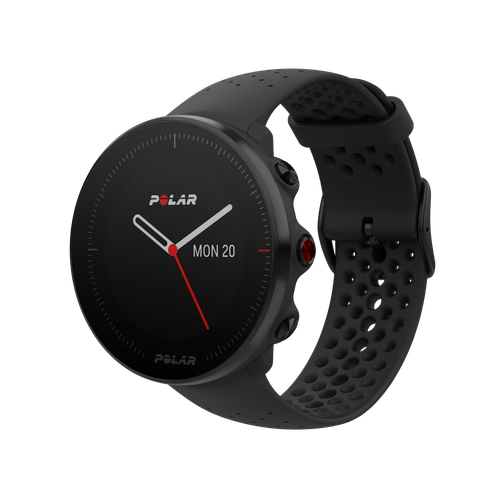
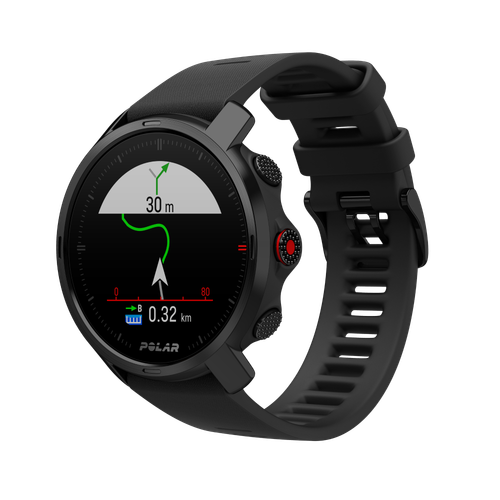
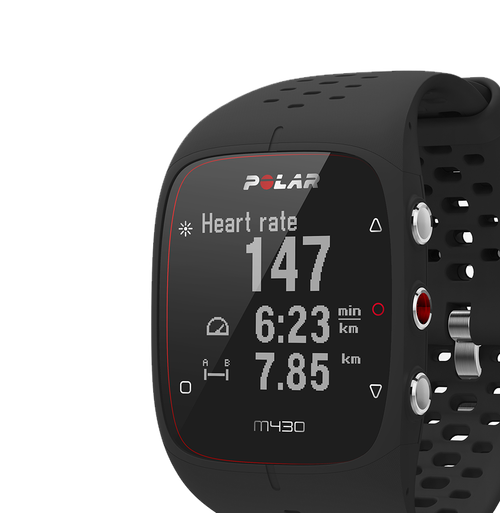
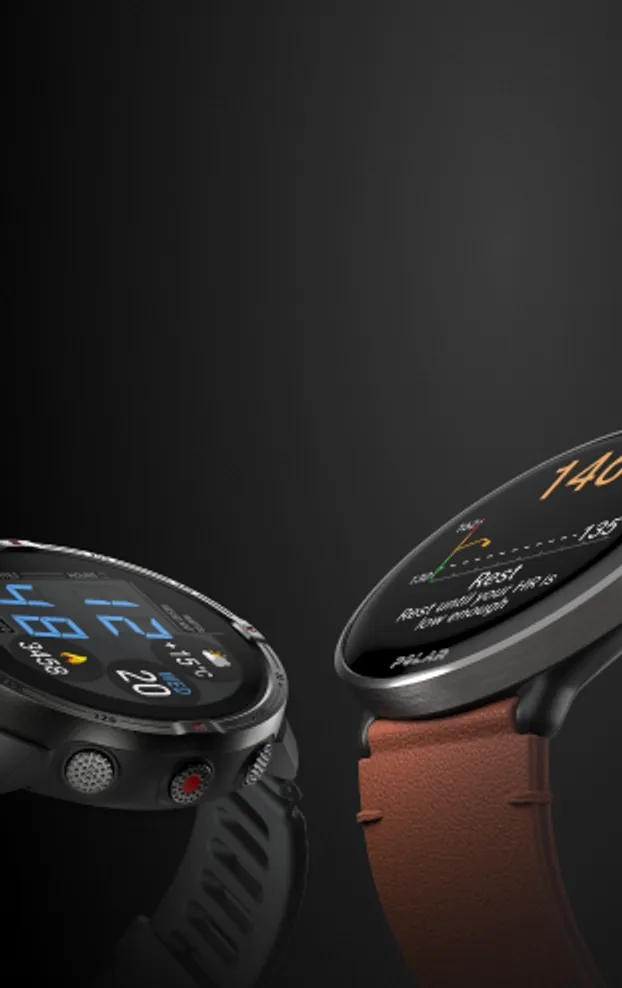
If you look at the back of your Polar watch, you’ll see a flashing array of green and red lights. These are optical heart rate sensors, and they do something a pedometer can’t: they measure the actual physical strain on your body. While many trackers rely on a pedometer model—treating every step as an equal unit of credit—Polar’s philosophy is rooted in the fact that intensity is the primary driver of fitness.
By using heart rate as the primary lens, Polar can distinguish between a leisurely walk and a VILPA burst (like those three minutes of vigorous activity that science shows can slash mortality risk). That's because Polar’s activity tracking prioritizes measuring the physical strain on the body.
Polar categorizes your movement into five heart rate zones. This allows the device to calculate your Active Minutes with precision by identifying exactly when your effort reaches a level that triggers health benefits:
- The Threshold:Polar recognizes when your heart rate climbs out of a restful state and crosses into the Moderate Intensity zone (Zone 2). This is a critical metabolic threshold; it's where your body begins to improve insulin sensitivity, shift toward better fat metabolism, and initiate cardiovascular strengthening. By tracking heart rate, your watch knows exactly when a walk becomes a 'workout.'
- Capturing 'Invisible' Exercise:Because we track heart rate intensity, Polar captures activities like yoga, strength training, and cycling—none of which yields a high step count, but all of which are vital for your long-term health. Whether you are holding a heavy pose or pushing through a resistance set, the sensor records the internal strain that a pedometer would ignore.
That's because we don't just want you to move more; we want you to move smarter. By emphasizing intensity-based activity, Polar provides a more honest reflection of your day. It shifts the focus away from a digital number on a screen and back to where it belongs: the strength and resilience of your heart.
Making Every Minute Count
At the end of the day, your body doesn't actually care about hitting a specific step number on a screen. It cares about the challenge you've given your heart and the resilience you've built in your muscles. The best metric for your health isn't the one that's easiest to count; it's the one that most accurately reflects your actual effort. By shifting your focus from the quantity of your steps to the quality of your active minutes, you’re no longer just 'passing the time'—you’re actively investing in your longevity.
Ready to turn your steps into active minutes? Try one of these five-minute ‘intensity snacks’ today:
- The Power Commute: Turn your walk from the car or bus into a brisk power-walk.
- The Stair Surge: Skip the elevator and take the stairs at a pace that leaves you slightly breathless.
- The Kitchen Gym: While your coffee brews, fit in 2 minutes of shadowboxing, squats or high-knees.
- The Dynamic Dog Walk: Incorporate three 60-second intervals of jogging into your usual route. Your pooch will love it, too.
- The Heavy Carry: Carry your groceries to the car instead of using a cart to engage your core and spike your heart rate.
Ready to stop watching the clock and start watching your effort? Now's the time to focus on how you move, not just how much.



 POLAR Street X
New
POLAR Street X
New
 Polar Vantage M3
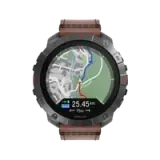 Polar Grit X2 Pro Titan
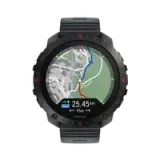 Polar Grit X2 Pro
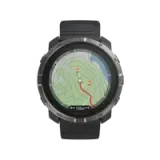 Polar Grit X2
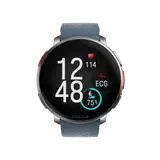 Polar Vantage V3
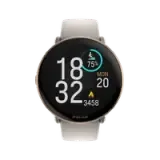 Polar Ignite 3
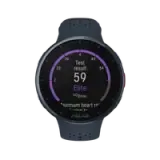 Polar Pacer Pro
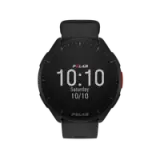 Polar Pacer
Grit X Series
Vantage Series
Pacer Series
Ignite Series
Polar Pacer
Grit X Series
Vantage Series
Pacer Series
Ignite Series