You’ve probably used steps as your go-to “daily activity score.” It’s the simplest number to check, it’s easy to understand, and it feels satisfying in the same way a progress bar does. And somewhere along the way, you’ve heard the magic target: 10,000 steps a day. Sounds official, right? The problem is that steps are a bit like counting how many times you turned the pages of a book. Helpful… but it doesn’t tell you whether you skimmed the headlines or got fully absorbed in the story.
Here's the thing: not every step is the same. A slow shuffle to the kitchen and a brisk uphill walk both count as steps. So does pacing during a phone call. But your body definitely doesn’t experience them the same way. Steps are great as a north star—a simple “am I generally moving?” check—but they don’t capture the one ingredient that changes everything: intensity.
That’s why it helps to add one more lens. A more scientific way to describe activity that answers questions like:
- Was today mostly light movement… or did you actually raise your breathing and heart rate?
- Did you move a lot, but gently? Or less, but with more effort?
- Are you balancing easy days and harder days in a way your body can sustain?
This is where METs (or Metabolic Equivalent of Task) come in. It’s a simple concept with a big payoff: instead of counting how many steps you took, METs estimate how hard your body was working while you moved, by factoring in intensity (based on heart rate). In other words, METs help you quantify your day in a way that respects reality: a jog and a stroll aren’t the same, and your activity metric shouldn’t pretend they are.
What are METs (Metabolic Equivalents)?
You’ve heard about steps, distance, and calories when it comes to tracking your fitness, but what about METs? If you're reading this, you're probably serious about understanding the intensity of your workout—and not just its duration—and a MET is a key concept.
Simply put, a MET (Metabolic Equivalent of Task) is a measure of how much energy your body expends during an activity compared to when you are completely at rest. Here's how to understand the MET scale:
- One MET is defined as the energy you use when you are resting or sitting still. This is your basal or resting metabolic rate (RMR).
- A Ratio of Effort: A MET is essentially a ratio of your working metabolic rate relative to your resting metabolic rate.
- Example: An activity with a MET value of 4 means you’re exerting four times the energy you would if you were sitting still.
To put this into perspective, think about these everyday activities:
- A brisk walk at three or four miles per hour has a metabolic equivalent (MET) value of approximately 4. An hour of this would be 60 minutes x 4 METs = 240 MET minutes.
- A more vigorous activity, such as jumping rope, has a high value of 12.3 METs. 10 minutes x 12.3 METs = 123 MET minutes.
How Your Body Calculates Energy (and METs)
To better understand METs, it is helpful to know how your body fuels its movement. The cells in your muscles use oxygen to create the energy needed to move.
- The Scientific Definition: One MET is approximately 3.5 milliliters of oxygen consumed per kilogram (kg) of body weight per minute.
- A Personal Equation: If you weigh 160 pounds (approximately 72.5 kg), your body consumes roughly 254 milliliters of oxygen per minute at rest (72.5 kg × 3.5 mL).
It’s essential to remember that energy expenditure can vary significantly from person to person. Factors such as your age and fitness level play a significant role. For instance, an athlete who exercises daily won’t need to expend the same energy during a brisk walk as someone who is more sedentary.
undefined
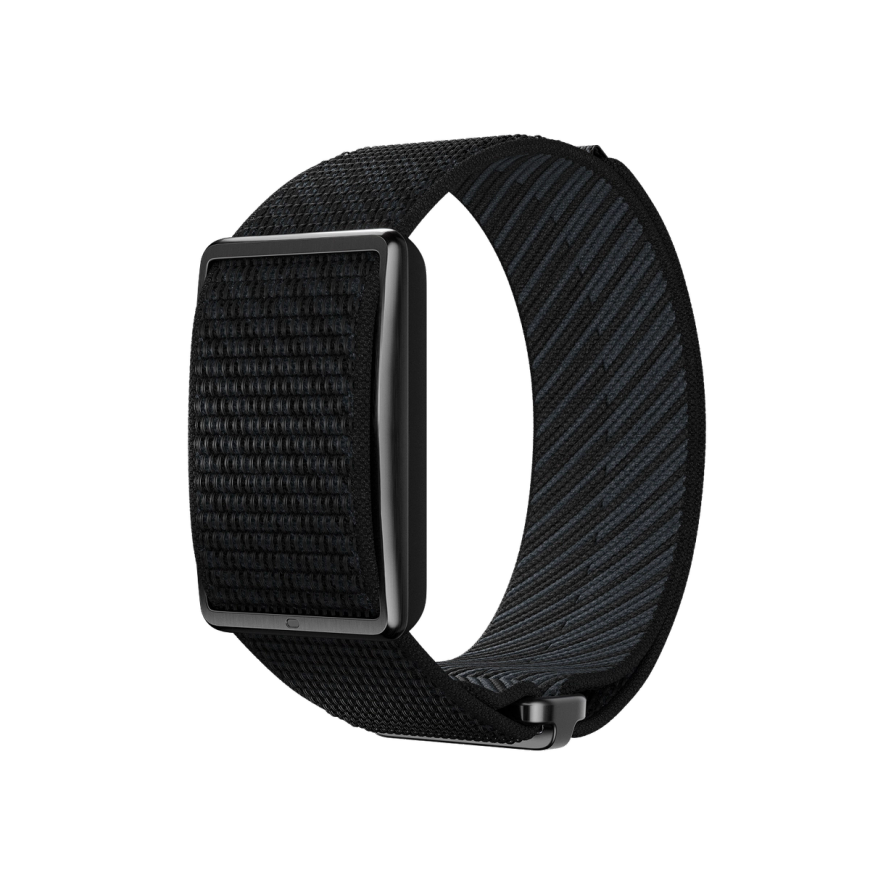
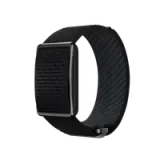
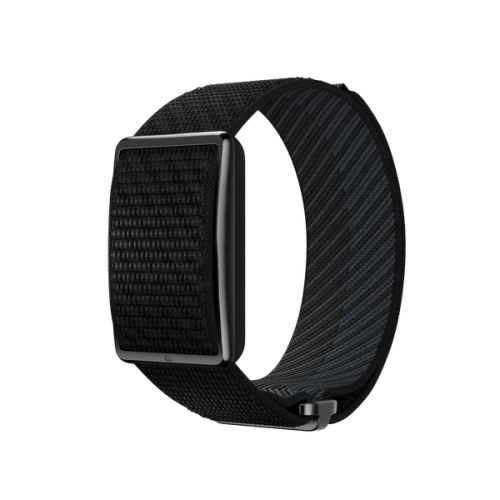
POLAR Loop
Screen-Free Wearable Health Band & Fitness Tracker
POLAR Loop is a screen-free, subscription-free fitness band that helps you sleep better, recover smarter, and stay active—without distractions.
Enjoying this article? Subscribe to Polar Journal and get notified when a new Polar Journal issue is out.
Subscribe
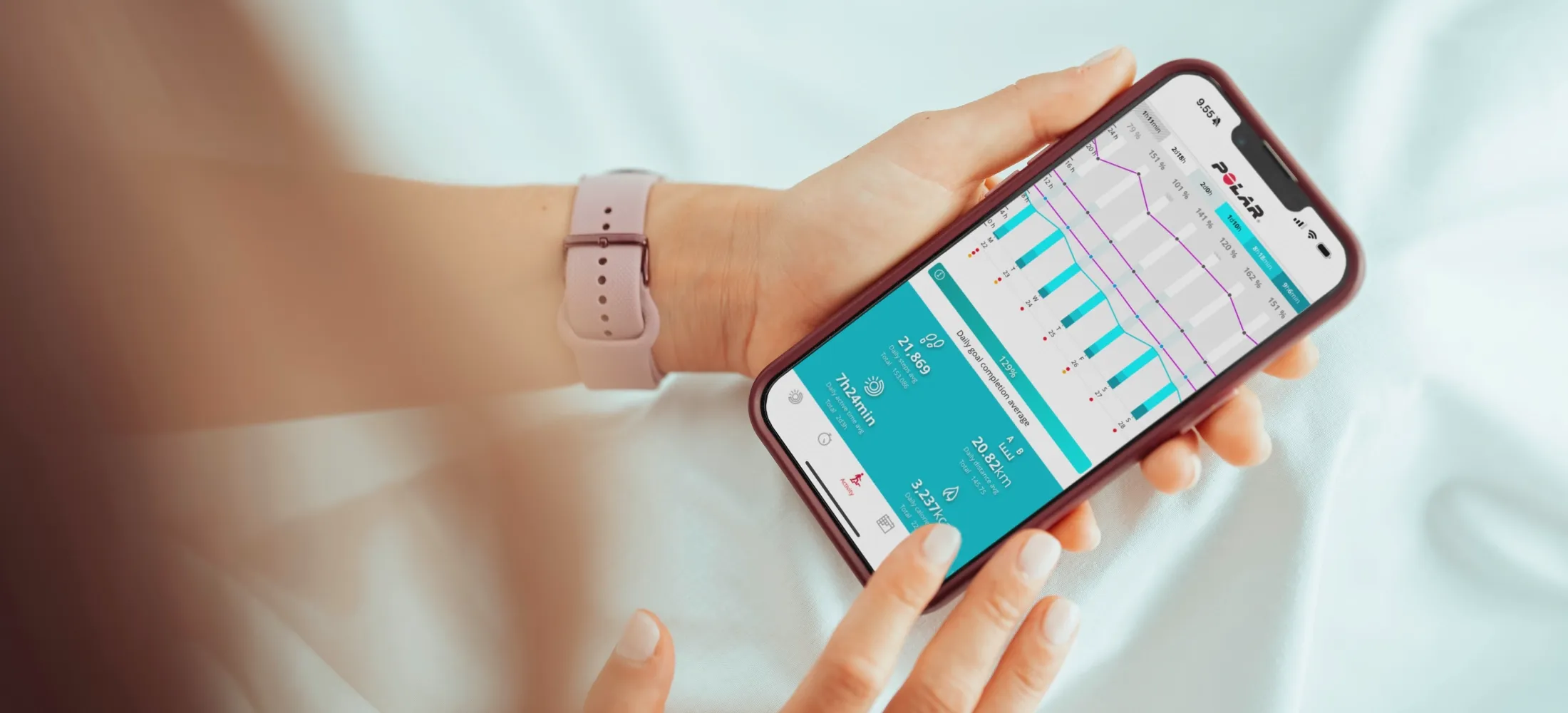
How Polar Uses METs to Track Your Activity
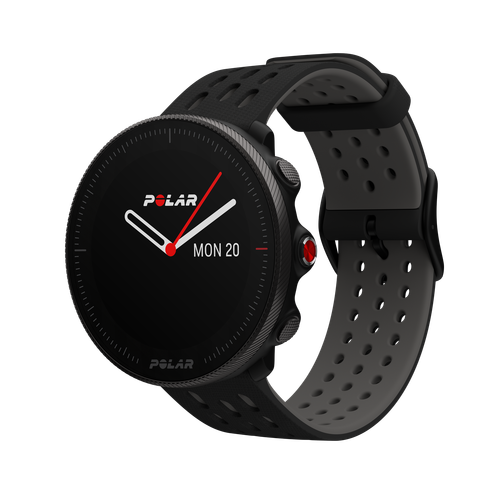
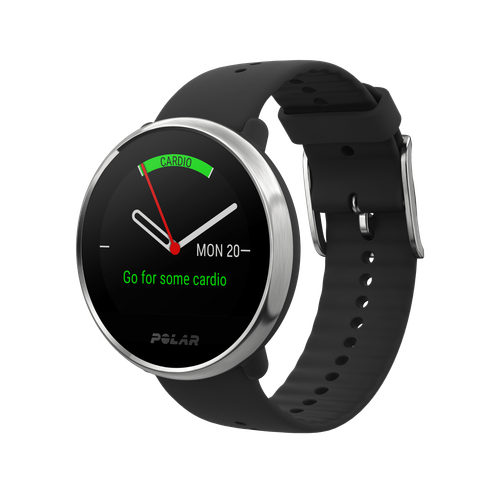
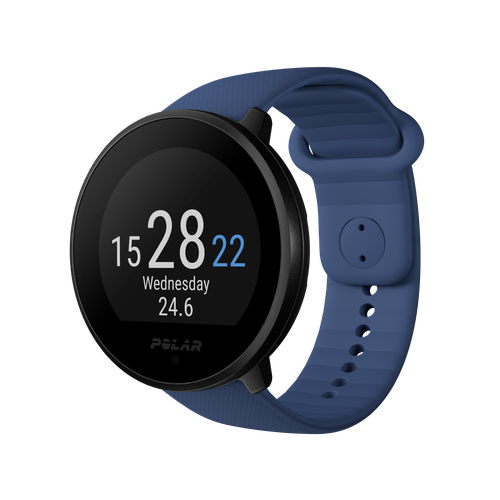
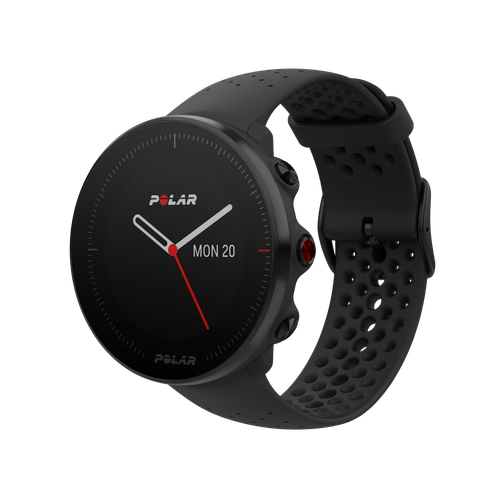
Obviously, MET values are incredibly helpful in planning your exercise and gauging how much you’re getting out of your routine. Polar products use METs as the core measure to quantify your daily activity and provide valuable feedback. Here's a look at how we do it:
- The Calculation Flow: Polar continuously assesses your energy expenditure rate by measuring wrist acceleration and heart rate.
- Personalized Accuracy: This estimated energy expenditure is then converted into METs, taking into account your individual characteristics, such as age, sex, weight, and height.
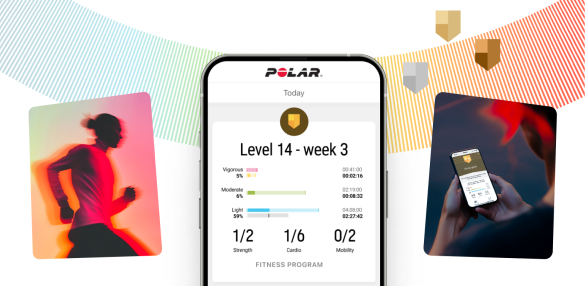
- Activity Levels: Polar analyzes your METs in short bursts to classify your activity into intensity levels using adapted limits:
- Low (Light) Activity: Typically activities under 3 METs.
- Medium (Moderate) Activity: Generally falls between 3 and 6 METs.
- High (Vigorous) Activity: Anything over 6 METs.
By converting your movement into METs, Polar can provide you with a clear picture of how much time you spend in each intensity zone, guiding you toward a healthier, more active life.



 POLAR Street X
New
POLAR Street X
New
 Polar Vantage M3
 Polar Grit X2 Pro Titan
 Polar Grit X2 Pro
 Polar Grit X2
 Polar Vantage V3
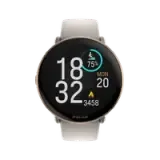 Polar Ignite 3
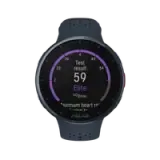 Polar Pacer Pro
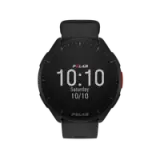 Polar Pacer
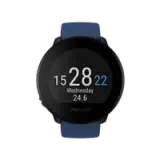 Polar Unite
Grit X Series
Vantage Series
Pacer Series
Ignite Series
Polar Unite
Grit X Series
Vantage Series
Pacer Series
Ignite Series