We’ve all been there, standing at the starting line of a new fitness goal. Maybe you’re lacing up your shoes, looking out the window, and debating: Should I go for a run and crush the calories, or take a peaceful, brisk walk?
It’s the classic fork in the road when it comes to exercise, and for years, we’ve obsessed over the simplest metrics: steps taken, miles logged, minutes spent. But if you’ve ever powered through a week of workouts only to see slow progress, you know that the true answer lies not in what you’re doing, but in how hard you’re doing it. This is where the science of intensity comes in.
Are you doing too much or too little? Are your workouts moderate exercise or vigorous exercise? Knowing the difference will help you dial in the intensity of your exercise and help you get the most out of each workout. Keep on reading to learn more.
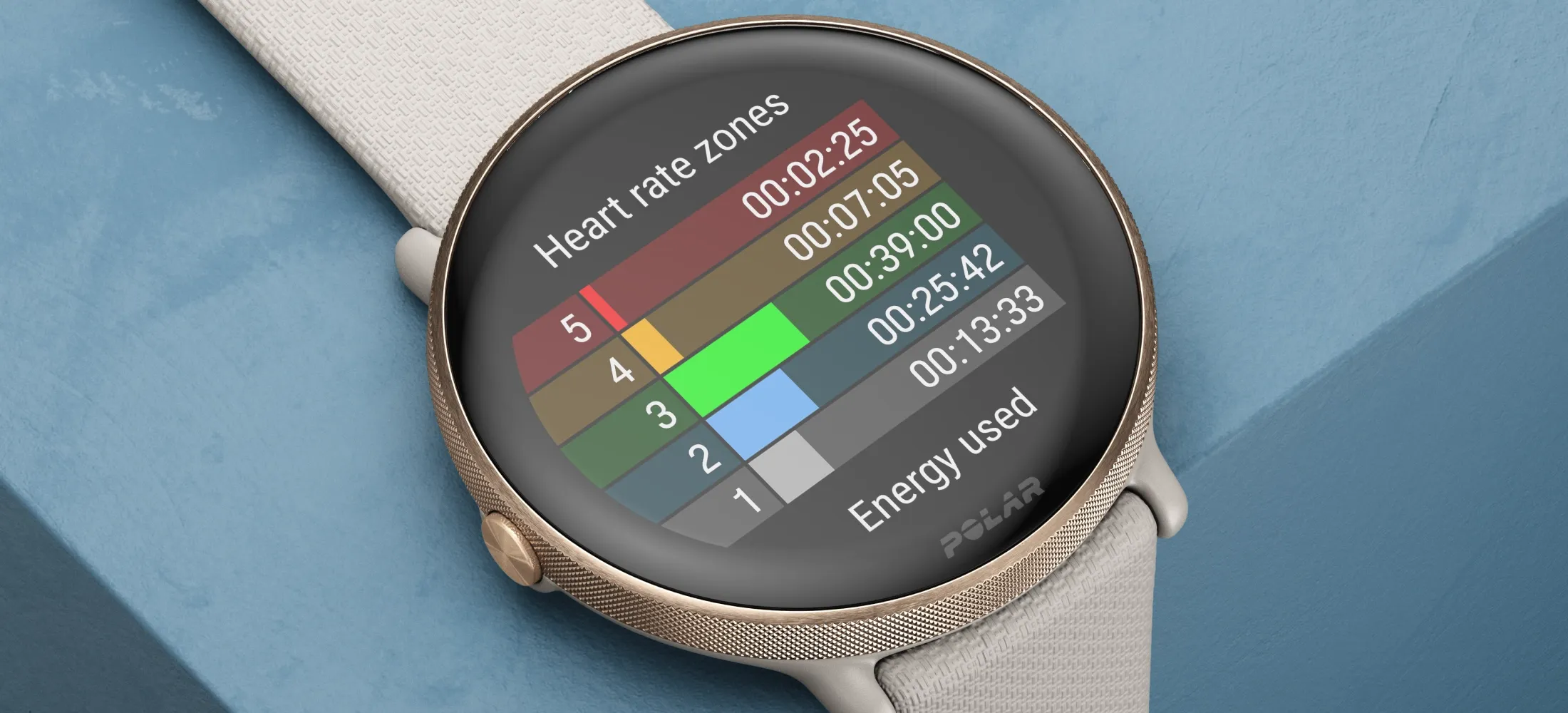
What is Moderate-Intensity Exercise?
The American Heart Association recommends at least 150 minutes of moderate-intensity aerobic exercise each week for optimal cardiovascular health. So, what does 'moderate' intensity actually feel like?
In short, moderate-intensity activity is typically characterized by exercises that elevate your heart rate to 50% to 60% above its resting rate. This means that these physical activities cause your heart to beat a little faster and your breathing to become a bit harder. It’s that level of exercise that feels somewhat challenging, but you’re not completely exhausted or struggling to catch your breath.
The good news is that you can easily calculate it for yourself and find activities that fall into this moderate-intensity category, yet still give your body a good workout.
How to Gauge Your Effort
If you don't have a heart rate monitor, you can use the simple 'Talk Test':
- You Should Be Able to Talk: You should be able to hold a conversation, though you might be slightly winded. You can’t comfortably sing, but you can talk.
- Examples: When you go for a brisk walk, ride your bike at a steady pace, or do active yard work, that's considered moderate-intensity exercise. It’s a great way to stay healthy and active without overexertion or risking burnout.
How is this Level of Effort Measured?
When it comes to scientifically measuring this level of energy consumption, those 150 minutes of moderate-intensity aerobic exercise translate to between 450 and 885 MET-minutes per week. If this leaves you scratching your head, don't worry. Here we'll explain exactly what a MET is.
What are METs (Metabolic Equivalents)?
The way we’re going to estimate the intensity of the exercise is METs.
Simply put, a MET (Metabolic Equivalent of Task) is a measure of how much energy your body expends during an activity compared to when you are completely at rest. Think of it as a more precise way of measuring exercise than steps.
One MET is defined as the energy you use when you’re resting or sitting still. So, if an activity is 4 METs, it means you’re using about four times the energy you’d use while resting.
Moderate vs. Vigorous: Knowing the Difference
If moderate intensity is the sweet spot for being active without overdoing it, vigorous intensity is when you really turn up the heat. Understanding the difference is crucial to creating a balanced and effective workout plan that aligns with your fitness goals.
The METs Divide
The primary difference comes down to the amount of energy your body is burning, which, of course, is measured in METs:
Moderate Intensity
- Talk Test: You can talk but not sing.
- Value Range:3 to 6 METs
Vigorous Intensity
- Talk Test: You can only say a few words before pausing for breath.
- Value Range: > 6 METs
Essentially, when you cross the 6 MET threshold, your body is burning energy at more than six times the rate it does at rest. This drastically increases the caloric burn, which is why a shorter, high-intensity workout can be just as effective as a longer, moderate one.
Enjoying this article? Subscribe to Polar Journal and get notified when a new Polar Journal issue is out.
Subscribe
Examples of Moderate vs. Vigorous
You can use the Talk Test to gauge your effort in the moment, but here are some common activities that fall into each category:
Moderate-Intensity Activities (and their typical MET value)
- Brisk walking (3–4 mph): 3.5-5
- Active yard work (mowing, raking): 3.5-5
- Casual cycling (under 10 mph): 4
- Dancing or water aerobics: 4-5.5
- Hiking or power-walking: 5-6
Vigorous-Intensity Activities (and their typical MET value)
- Competitive sports (soccer, basketball): 7-8
- High-Intensity Interval Training (HIIT): 8+
- Running or jogging (6 mph): 9.8
- Swimming laps (vigorous effort): 10
- Jumping rope or burpees: 10-12.3
undefined
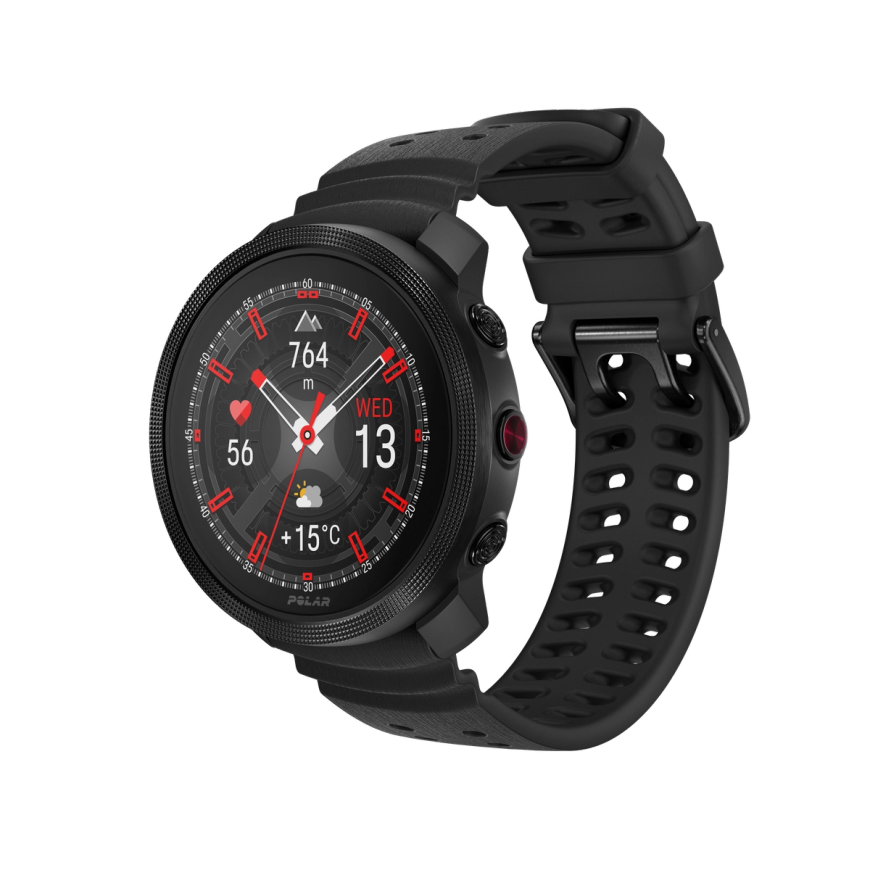
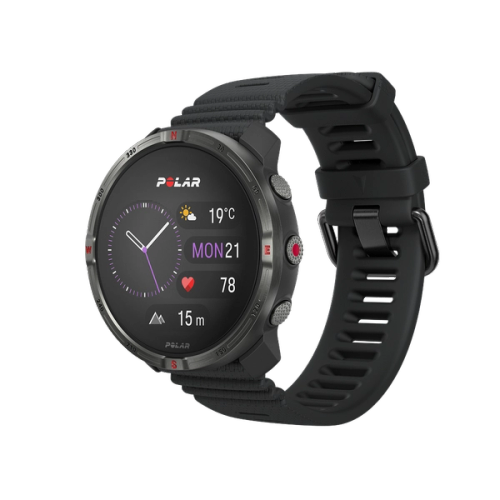
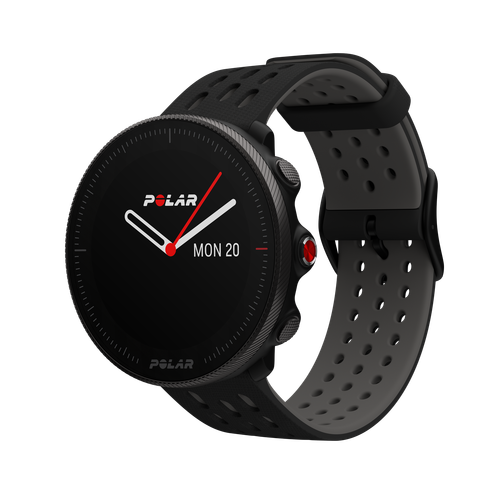
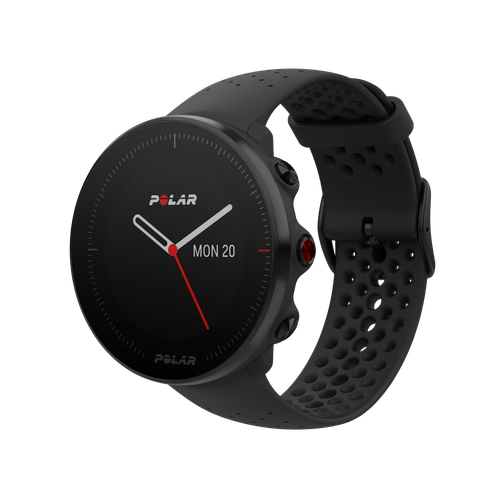
Polar Vantage M3
Smart Multi-Sport Watch
Polar Vantage M3 is a smart multi-sport watch for multi-sport athletes that’s compact yet powerful, stylish yet strong, and designed to bring extraordinary training, sleep and recovery tools into everyday life.
150 Minutes or 10,000 Steps: What Should You Aim For?
We've covered what moderate and vigorous intensity feel like and how METs measure the quality of your effort. Now, let's address the two most common fitness benchmarks you often hear: 150 minutes per week and 10,000 steps per day.
These are fantastic, easy-to-track goals, but they often come with a few myths we need to bust to make sure you're optimizing your health, not just hitting a number.
Myth vs. Reality: The 150-Minute Target
The guideline to aim for 150 minutes of moderate-intensity activity per week (or 75 minutes of vigorous activity) is not a myth. As we mentioned above, it's a scientifically validated target from health organizations like the American Heart Association.
| Measurement | The Myth | The Reality |
|---|
| Duration | You have to do all 150 minutes in just a few long sessions. | You can break it up! Shorter, consistent bouts of activity—even just 10 minutes at a time—are just as effective at building cardiovascular health. |
|---|
| Intensity | All movement counts toward these 150 minutes. | Only moderate or vigorous effort counts. Walking slowly across the parking lot is great, but it won't contribute to those specific cardio health benchmarks. |
|---|
| Flexibility | You have to stick strictly to the 150 or 75-minute split. | You can mix and match! For example, 30 minutes of vigorous running (which counts as double) plus 90 minutes of brisk walking easily meets the weekly goal. |
|---|
Myth vs. Reality: The 10,000-Step Goal
The 10,000-step goal is a powerful motivator, but it's actually an arbitrary number that originated from a 1960s Japanese marketing campaign. It stuck because it's so easy to track, but let's look at the facts:
| Measurement | The Myth | The Reality |
|---|
| The Magic Number | 10,000 steps are the required minimum for health benefits. | Significant health benefits begin at far fewer steps—studies show mortality risk drops steadily up to around 7,000 to 8,000 steps per day. Every step counts! |
|---|
| Quality of Steps | A step is a step, whether you're strolling or sprinting. | The quality of the steps matters more than the quantity. Steps taken at a brisk pace (moderate intensity) provide greater cardiovascular benefit than the same number of steps taken slowly. |
|---|
| Focus | Step count is the only metric that matters. | Intensity and duration are just as crucial. If you hit 10,000 steps but none of them elevated your heart rate into that moderate zone, you missed out on major health gains. |
|---|
What to Measure for Optimal Health
Instead of obsessing over a single number, focus on a balanced approach:
- Time in MET Zone: Ensure a significant chunk of your activity (those 150/75 minutes) falls within the zone of moderate or vigorous intensity.
- Steps for Movement: Use steps as a great way to ensure you're not sedentary, aiming for that 7,000–8,000+ range to get the baseline benefits of general movement.
A good approach is to mix both high volume (steps) and high quality (METs/intensity) for a genuinely effective routine.
Moderate-Intensity Activities: Dos and Don’ts
Since moderate-intensity exercise is the foundation of a healthy, sustainable fitness routine, it’s worth reviewing a few key Dos and Don’ts to make sure you get the most benefit without running into common pitfalls. Remember, we’re aiming for consistency and safety!
The Dos (Best Practices)
- DO Break It Up: If you can’t commit to a 30-minute block, spread your activity out. Three 10-minute brisk walks are just as effective for cardiovascular health as one 30-minute session.
- DO Mix and Match: Feel free to swap activities. Whether it’s swimming, cycling, or power-walking, if you hit that 3–6 MET level, it counts. Variety is excellent for muscle balance and motivation.
- DO Use the Talk Test: This is your best, free, built-in monitor. If you're slightly breathless but can still hold a conversation, you're doing it right. It’s an easy check-in during any activity.
- DO Prioritize Consistency: Two or three days of solid moderate activity is better than one massive session followed by a week of sitting. Make it a non-negotiable part of your weekly schedule.
The Don’ts (Common Mistakes)
- DON’T Mistake Strolling for Brisk Walking: Slow, window-shopping pace doesn’t count toward your 150-minute goal. If you can sing comfortably, you need to pick up the speed to hit that moderate heart rate zone.
- DON’T Skip the Warm-Up and Cool-Down: Even moderate activity requires a few minutes to ease your muscles in and out of the session. A quick dynamic stretch beforehand and a gentle walk afterward help prevent stiffness.
- DON’T Forget to Hydrate: Since you are raising your internal temperature and heart rate, you are sweating—even if you don't feel drenched. Keep water handy, especially for sessions over 20 minutes.
- DON’T Ignore Discomfort or Pain: Moderate exercise should feel challenging, not painful. If you experience sharp pain in your joints or muscles, slow down, stop, and assess the situation. Pushing through pain can quickly lead to an injury that derails your goals.
The Power of Sustainable Effort
The journey to better health and fitness isn't about chasing fleeting, extreme workouts; it's about finding an approach you genuinely enjoy and can stick with for the long haul.
Remember these three takeaways:
- Consistency Over Intensity (Most of the Time): The 150-minute moderate weekly goal is your non-negotiable health floor. Don't worry about cramming it all in; break it down into manageable chunks throughout your week.
- Quality Over Quantity: Use the Talk Test to confirm you’re actually achieving a moderate heart rate. Those brisk steps you take while slightly breathless are the ones that really fuel cardiovascular health.
- Find Your Balance: Whether you are a dedicated runner, a brisk walker, or someone who loves to mix it up with dancing and cycling, the most effective plan is the one that prevents burnout.
By keeping these simple guidelines in mind, you can turn your moderate-intensity time into a powerful, enjoyable, and sustainable part of your overall health plan.



 POLAR Street X
New
POLAR Street X
New
 Polar Vantage M3
 Polar Grit X2 Pro Titan
 Polar Grit X2 Pro
 Polar Grit X2
 Polar Vantage V3
 Polar Ignite 3
 Polar Pacer Pro
 Polar Pacer
 Polar Unite
Grit X Series
Vantage Series
Pacer Series
Ignite Series
Polar Unite
Grit X Series
Vantage Series
Pacer Series
Ignite Series