The room hums with a specific kind of nervous energy long before the timer starts. You hear the rhythmic whir of rowing machines warming up, a heavy bassline thudding through the speakers, and the low chatter of people double-knotting their laces or re-adjusting their grip tape. Everyone around you appears focused, but look more closely, and you’ll spot the same quiet pre-workout jitter in almost everyone’s eyes.
If you’re wondering what a Hyrox is actually like for a beginner, it’s easy to get lost in the social media highlights of iron-willed athletes flying through sled pushes. But away from the hype, the reality isn’t half as terrifying—and it’s a whole lot more human. Strip away the intimidating jargon and race-day specs, and what you’re left with is a gritty, incredibly rewarding test of pacing and grit. Here’s what the workout actually feels like, station by station, and why crossing that final line hits so much differently than you expect.
The Lead-Up: What It Feels Like to Walk In
That first step onto the floor usually comes with a sudden surge in your heart rate. You’re holding your water bottle a little tighter than usual, looking around at the turf, the rig, and the rows of heavy equipment. It’s completely normal to feel a sudden flash of impostor syndrome—that quiet voice whispering that maybe everyone else got a secret memo you missed, or that you’re about to be completely out of your depth.
Honestly, though, take a deep breath. If you’re asking yourself, “Is Hyrox hard for beginners?”—the straightforward answer is yes, it’s a challenge, but it’s rarely the intimidating beatdown it looks like on paper. Take a second look around the room. The woman pacing near the SkiErg is a local high school teacher; the guy chalking his hands is a graphic designer who only started running last year. The floor isn’t reserved for super-humans. It’s full of everyday people who were just as nervous as you five minutes ago.
If you’re wondering how long a first Hyrox typically takes, most first-timers finish somewhere between 75 minutes and two hours, depending on how conservatively they pace the runs. Crucially, there’s no time cap or cutoff—you can take as long as you need to cross that line, and nobody is getting swept off the course. The intimidation vanishes the second you realize everyone’s there to conquer the exact same course, and nobody’s watching to judge your pace or your time.
How Does the Hyrox Format Work?
Once the music kicks in, the structure itself is surprisingly simple. You’re alternating between a one-kilometer run and a functional workout station, repeated eight times in total. Think of it less like a rigid, high-stakes athletic trial and more like a steady, rhythmic journey. If you’ve ever dipped your toes into hybrid-format racing, you know the real magic lies in how those two worlds blend together.
Before you get swept up in the action, it helps to sort out your gear prep so you aren’t stressing about loose laces or slippery hands. Knowing what you actually need to bring gives you one less thing to worry about. On the floor, you’ll cycle through cardio machines like the SkiErg and rower, heavy pushes, carries, and bodyweight movements. You aren’t expected to sprint through any of it; you’re just moving from one puzzle piece to the next, taking it one kilometer and one station at a time.
Inside the Arena: Hyrox Stations Explained
Now, let’s step into the movement itself, because how these stations look on paper is very different from how they feel in your body.
Station 1 & 2: From the SkiErg to the Sled Push
Coming off your very first one-kilometer run, your heart is already elevated when you grab the handles of the SkiErg for a 1,000-meter pull. It’s an immediate, whole-body wake-up call, but finding a rhythmic rhythm helps settle the early adrenaline. You catch your breath during the second run, only to meet the heavy sled push. Leaning your shoulder into that padded frame for the first time feels like trying to move a brick wall. Your legs will feel sudden and heavy, like wading through wet cement. But as the sled inches forward across the carpet, a wave of relief hits—leaning in and taking short, powerful steps is all it takes to keep momentum alive.
Station 4: Burpee Broad Jumps and Finding Your Groove
After navigating the sled pull and another one-kilometer run, you drop down for burpee broad jumps. This mid-workout mark is usually where the mental wall pops up to say hello. Jumping forward after dropping to the chest takes genuine effort, but the secret isn’t speed—it’s finding a smooth, continuous cadence. You step back, pop up, leap forward, and take a breath. By the third or fourth rep, your mind settles into the groove, turning what felt overwhelming at the start into a steady, manageable rhythm.
Station 7: Sandbag Lunges and the Grip Burn
With the rower and farmers carry now behind you, you hoist a heavy sandbag over your shoulders for lunges. Here’s where your lungs and legs work overtime after several kilometers of running. Your heart rate climbs, and your glutes burn with every single step forward across the turf. Yet, carrying that weight creates a surprisingly grounded feeling. You aren’t rushing anymore; you’re just staying upright, focusing on one clean footstep after another while keeping your breathing as steady as you can.
Station 8: The Wall Balls and the Final Stretch
By the time you reach the wall balls, you’ve hit the emotional peak of the whole workout. Squatting low and tossing a heavy medicine ball up to a target somewhere between seventy-five and a hundred times—depending on your category—tests your sheer willpower. But this is also where the energy in the room explodes. Every time the ball hits the target, you hear shouts of encouragement from people you’ve never met. Suddenly, you’re on the final 200-meter run back to the finish, legs light, lungs open, and a huge grin breaking across your face.
What to Do Differently Than Instinct Tells You
Naturally, when the whistle blows, your gut instinct will tell you to run fast and attack the first station hard. Resist that urge with everything you’ve got. The absolute best thing you can do for yourself is treat the first half of the workout like a warm-up.
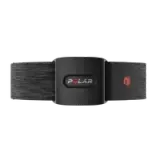
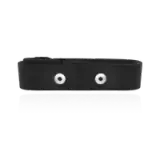
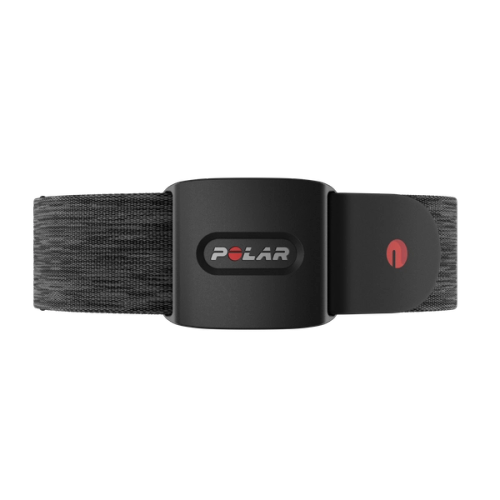
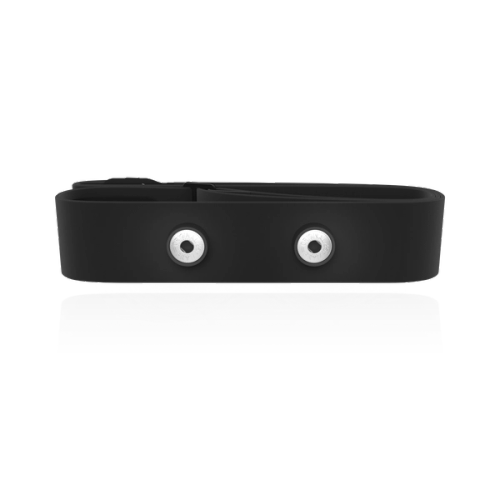
Keeping an eye on your effort—as measured by a Polar H10 chest strap—is a total game-changer here. It gives you a quick, objective reality check so you don’t accidentally redline during that very first SkiErg pull or sled push. Pace yourself early, save your engine for the later stations, and focus on building a strength base in your regular routine so those heavy carries feel familiar when you hit the floor.
undefined

Polar H10
Heart Rate Sensor
When it comes to accuracy and connectivity, Polar H10 heart rate sensor is the go-to choice. Monitor your heart rate with maximum precision and connect your heart rate to a great variety of training devices with Bluetooth® and ANT+.
The Finish Line Hits Differently
Looking back at those pre-workout jitters, it’s amazing how fast they evaporate once you’re moving. Crossing that final line isn’t just about finishing a tough workout; it’s about discovering that you’re far more capable than your nerves tried to convince you beforehand. You came in unsure of what to expect, and you walked out having conquered every single station.
If you’re ready to start prepping for your next workout, taking a deep dive into functional fitness training is the perfect place to build your momentum.
Enjoying this article? Subscribe to the Polar Newsletter and get notified when new articles are out.
Subscribe



 POLAR Street X
New
 Polar Vantage M3
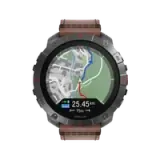 Polar Grit X2 Pro Titan
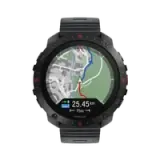 Polar Grit X2 Pro
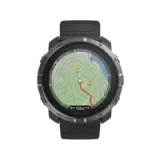 Polar Grit X2
 Polar Vantage V3
 Polar Ignite 3
 Polar Pacer Pro
 Polar Pacer
 Polar Unite
Grit X Series
Vantage Series
Pacer Series
Ignite Series