Nailing your Hyrox competition kit requires solving a frustrating fitness paradox: choosing gear that is light enough for an 8km run, yet high-traction enough to push a 100-kilogram+ sled. How do you build a streamlined race day setup that optimizes your performance without falling into the trap of over-packing?
Walk into any exhibition hall hosting a Hyrox race, and you’d be forgiven for thinking you’ve stumbled into a military deployment. Elite and recreational athletes alike roam the venue, weighed down by massive, multi-compartment tactical backpacks stuffed to the brim—complete with Velcro patches, external hydration bladders, and enough spare compartments to house a small colony. It’s a striking visual for an indoor fitness event that takes the average participant about 90 minutes to complete.
What began in Germany as a brilliant commercial enterprise—shrewdly packaging everyday gym routines into a mass-participation ticketed sport—has grown into a global hybrid racing phenomenon. But beneath the flashing lights and the roaring crowd lies a fundamental truth: Hyrox (often stylized as HYROX, but let’s not get too shouty) is a unique crucible. It asks your body to balance running economy with brute power, across 8 kilometers of running and eight functional fitness stations. It’s half road race, half CrossFit box, and 100% a gear anxiety trap. That’s because when a competition demands both a sub-20-minute 5K engine and the ability to drag an over 100-kilogram sled across a carpeted floor, deciding what to put on your feet—and what to leave in your locker—becomes a mental sport all its own.
The Non-Negotiables (What to Actually Wear for Hyrox)
As this hybrid format demands both road-race efficiency and heavy functional power, solving the puzzle of what to wear to a Hyrox race means balancing opposing athletic worlds. Strip away the tactical backpacks and the pre-workout mist, and you are left with the bare essentials—the Hyrox equipment that will actively dictate whether you finish with a personal best or a very public existential crisis.
Shoes: The Great Sled-vs-Stride Compromise
The Hyrox shoe debate is the closest the functional fitness world gets to a holy war. You need a hybrid shoe that sits in the Goldilocks zone: enough cushioning to absorb running on hard flooring, but a low enough stack height and a sticky rubber outsole to prevent your feet from sliding out from under you on the sled push. A standard, pillowy marathon shoe will swallow your power output on the SkiErg and the sleds, turning your legs into cooked spaghetti by station three. Look for a responsive road-to-trail hybrid or a dedicated functional running shoe with a textured rubber grip. Whatever you choose, do not wait to unbox a brand-new pair on race morning unless you want everyone in the medical tent to know you by name.
Apparel: The Law of Aerodynamics (and Testosterone)
When considering what to wear, Hyrox officials don’t mandate a uniform, but gravity and friction do. The golden rule for apparel is simple: keep it tight. High-waisted compression shorts or form-fitting layers are essential to prevent anything from catching on the rowing ergometer handles or the Burpee Broad Jump floor.
For the men, there’s an unwritten, highly scientific law regarding the lifespan of a t-shirt. While you should absolutely start in a light, sweat-wicking top, history dictates that approximately 84% of male competitors will shed their shirt by the second kilometer. Apparently, the ambient temperature of a convention center spikes dramatically the moment you touch a heavy sandbag. If you plan to keep yours on, make sure it’s a technical fabric that won’t hold five pounds of sweat.
Grip & Joints: Armor Up
Your hands take a beating across the rowing, farmers carry, and sandbag lunges. To avoid leaving a layer of your skin on the kettlebells, you need a strategy. One of the main Hyrox essentials includes liquid chalk—which provides excellent grip without the mess—or a pair of fitted, specialized functional fitness gloves.
As for your knees? Say hello to the knee sleeves. While the biomechanical benefits of neoprene are hotly debated among sports scientists, its cultural value is absolute. Think of knee sleeves as 40% physical compression for the 100 meters of lunges, and 60% psychological armor against the creeping dread of the Wall Balls. If they make you feel like a superhero, put them on.
Your Watch: Managing the Hybrid Engine
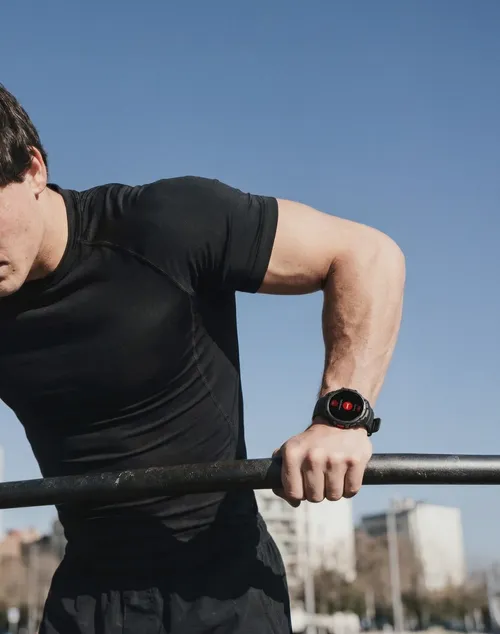
At its core, Hyrox is not necessarily a fitness test but rather a pacing challenge dressed up as one. The stadium floor is littered with the metaphorical corpses of athletes who felt fantastic during the first kilometer, sprinted, and spent the remaining 60 minutes surviving on pure fumes. If you want to finish strong rather than just survive, your most critical piece of Hyrox gear isn’t on your feet; it’s on your wrist.
Using HR-based pacing is how you manage your engine. By keeping an eye on your heart rate zones during the running segments, you ensure you aren’t redlining before you even hit the heavy strength stations.
However, due to the hybrid nature of Hyrox, your heart rate data can vary during different challenges like this:
- Running Segments: all that consistent arms swinging means your wrist optical HR is clean and steady without much interference in tracking
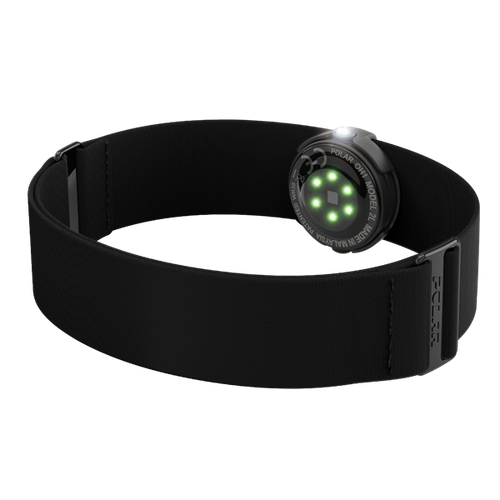
- Strength Stations: things are a little fuzzier here for your wrist optical HR; all the gripping sleds or kettlebells create a lot of “noise”/lag in tracking your blood flow.
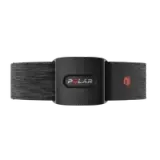
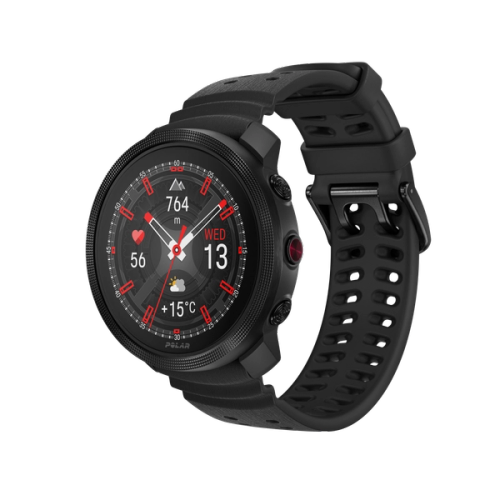
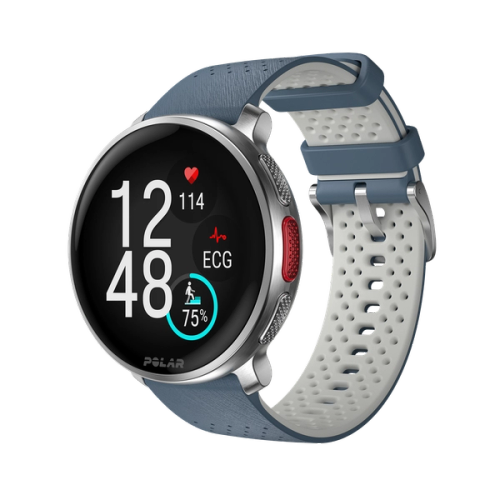
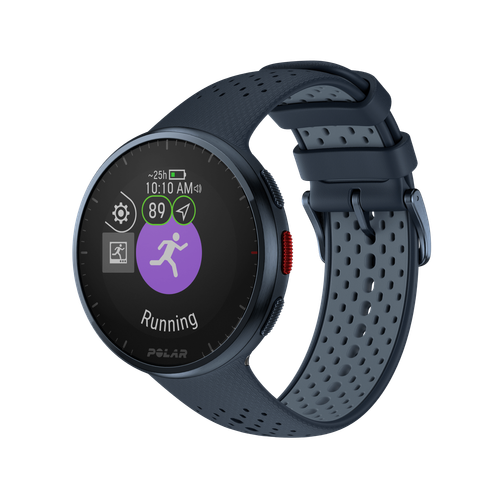
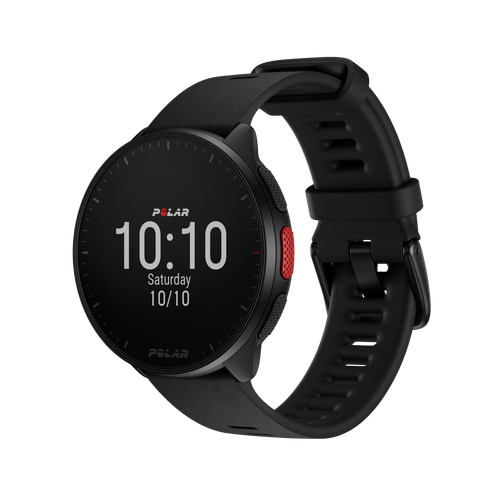
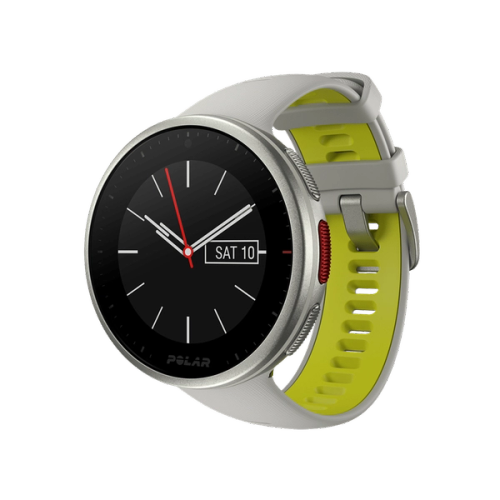
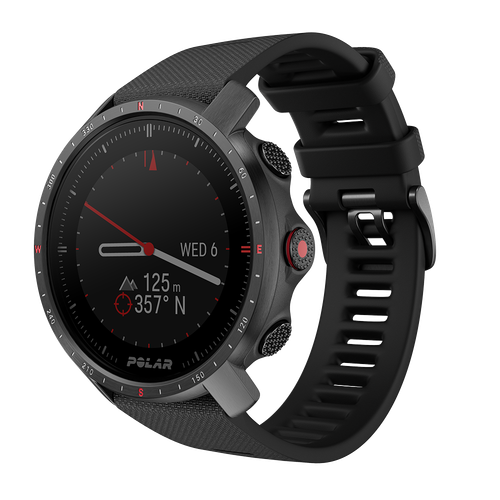
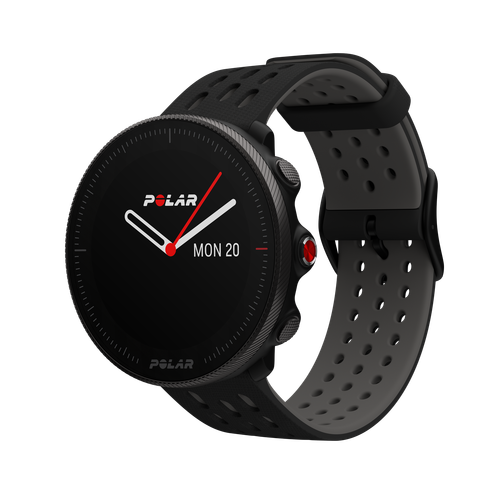
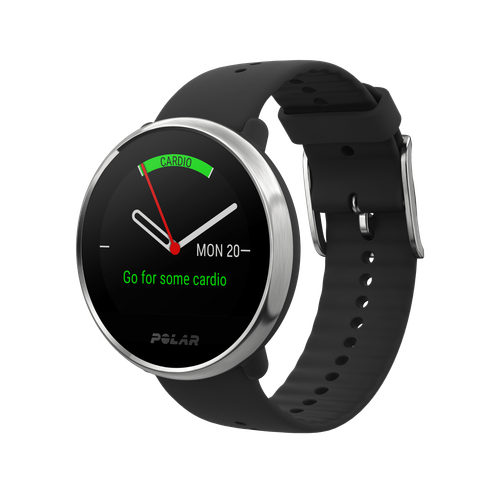
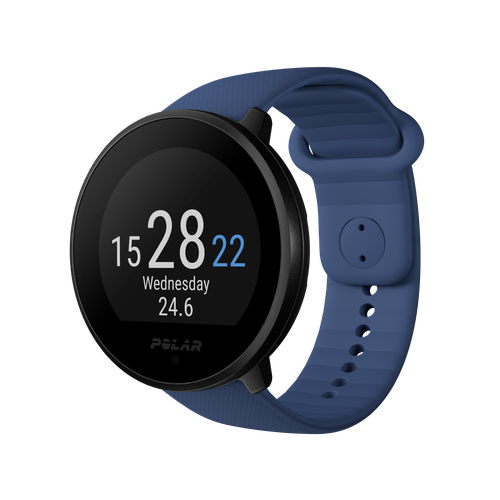
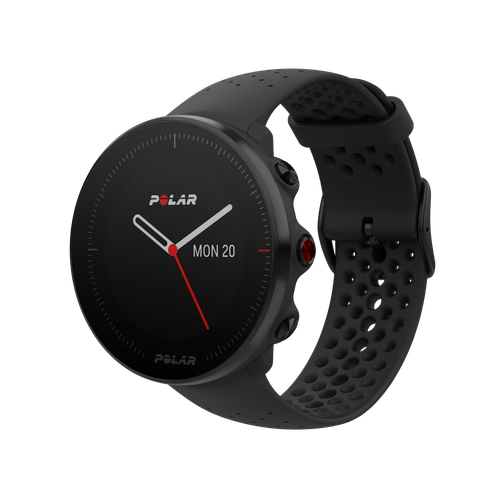
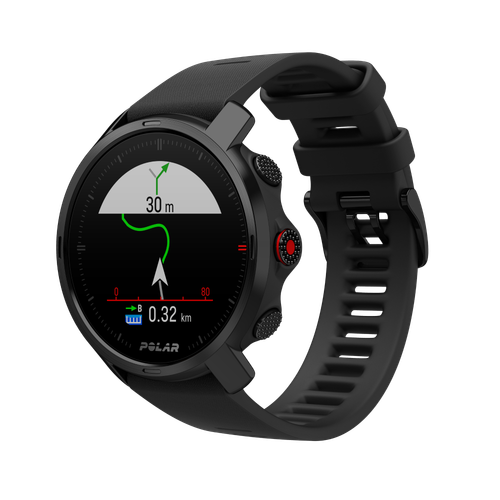
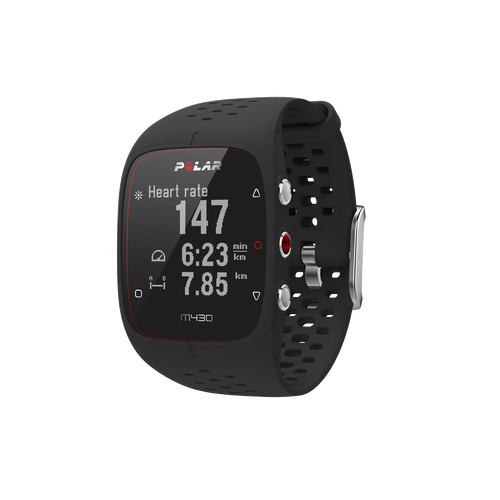
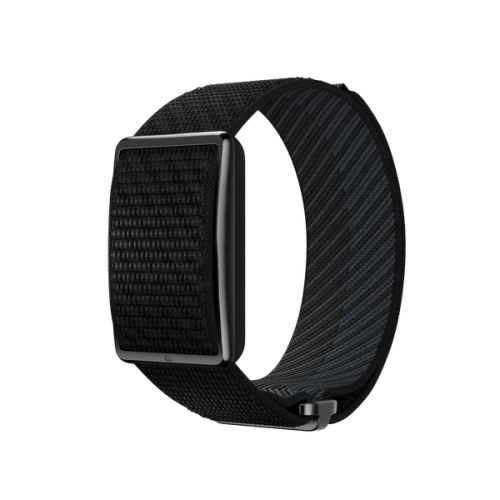
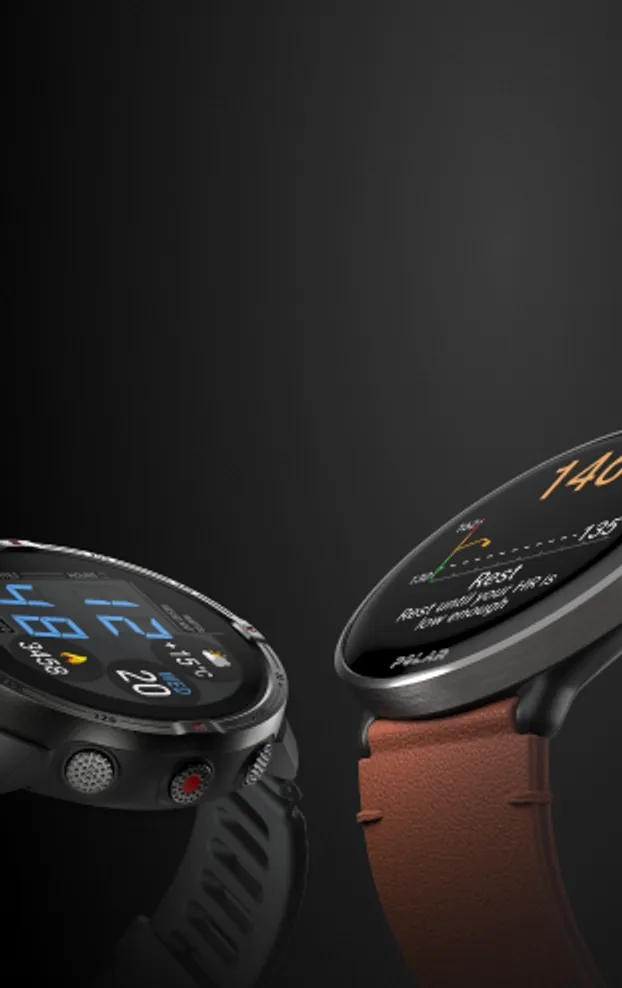
As you can see, this hybrid environment introduces a unique technological wrinkle. Many first-timers ask: Is a chest strap better than a watch for Hyrox? The short answer is that you actually want both working together. While a multi-sport watch like the Polar Street X or Vantage series is perfect for tracking your overall time and running splits, wrist-based optical sensors can struggle during dynamic, heavy-grip movements.
undefined
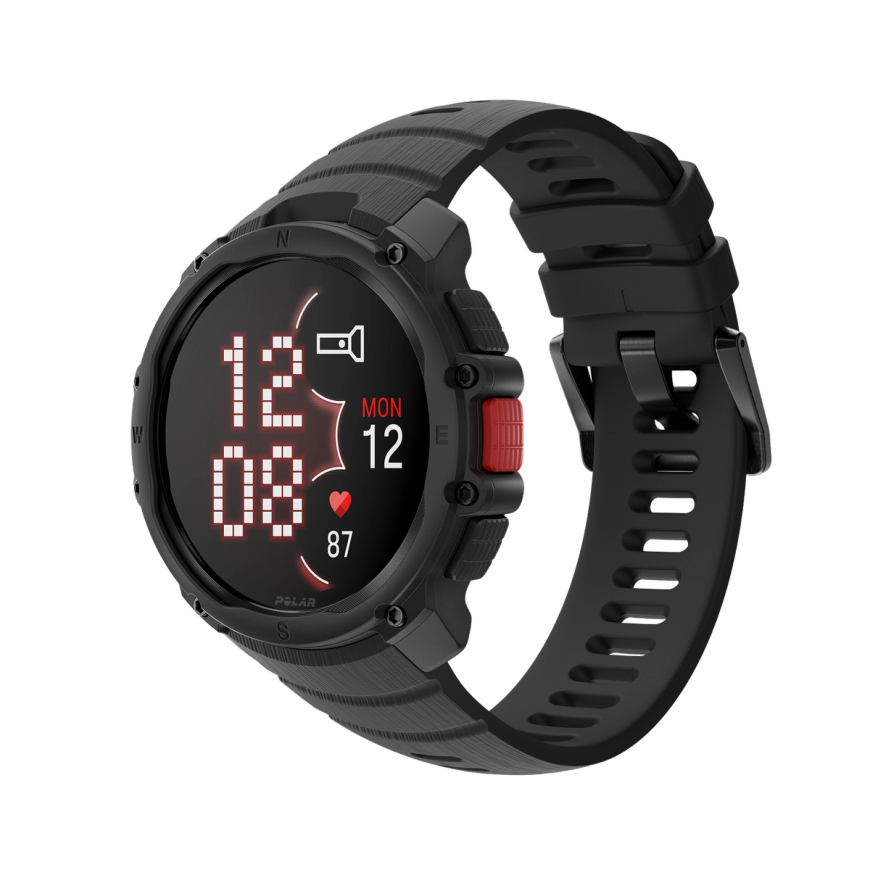
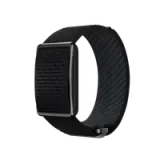
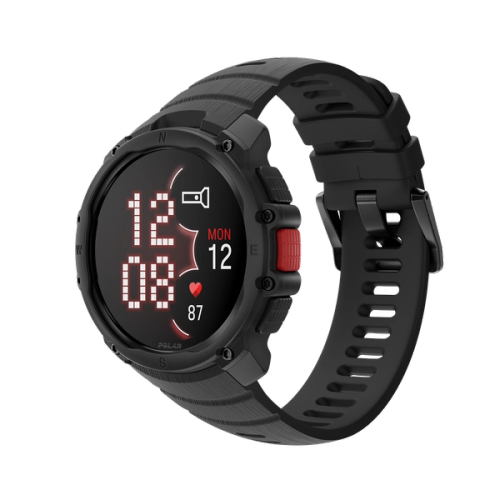
POLAR Street X
The Urban Sports Watch
POLAR Street X is the urban sports watch for those who live, work, and train in the city. Tough, lightweight, and always ready, it delivers reliable GPS, a bright AMOLED display, precision heart-rate tracking, and 24/7 shock resistance for training, commuting, and everyday wear.
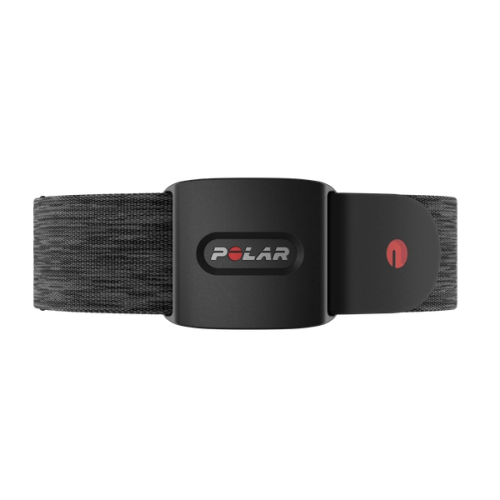
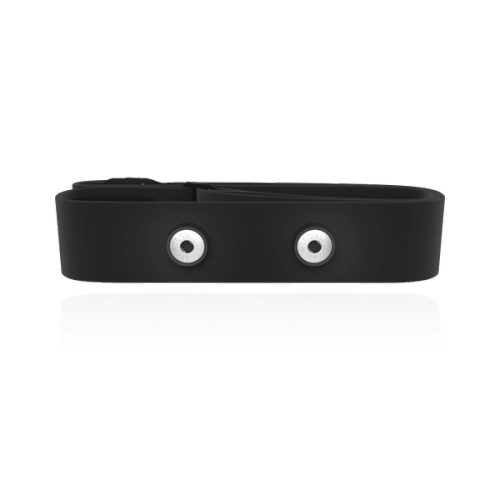
When you are white-knuckling a farmers carry or muscling a sled push, the flexing muscles and shifting blood flow in your wrist create data “noise,” causing lag or dropped heart rate readings. Pairing your watch with a dedicated chest strap like the Polar H10 gives you gold-standard electrical accuracy. It ensures your data stays clean and uninterrupted, whether you are in full stride on the track or fighting for your life at the lunges.
The “Just in Case” Inventory (The Stuff You’ll Pack Anyway)
Despite all the logical advice to streamline your Hyrox bag, human nature dictates that your transit pack will still weigh fifteen pounds on race day. Consider this a loving, highly accurate inventory of the items that will migrate to the bottom of your kit list, entirely untouched.
First up is the premium, high-density foam roller. You packed it with grand visions of a meticulous 20-minute mobility routine in the warm-up zone. Instead, you will do three half-hearted bodyweight squats, stare nervously at the sleds, and never unzip its compartment.
Then come the contingency items: the second pair of socks “just in case” (case of what? An indoor flash flood?), three extra rolls of kinesiology tape you don’t know how to apply, and a stash of caffeinated energy gels meant for a marathon. You’ll also find a lifting belt you only use for heavy squats, packed under the delusion that you’ll want to fasten it while your heart rate is sitting at 180 beats per minute. It’s a beautiful collection of psychological safety blankets—pack them if you must, but know they are there purely for moral support.

The Finish Line: Less Kit, More Engine
When the music fades, and you’re standing in the starting corral, the truth becomes clear: Hyrox rewards preparation, not accumulation. The fanciest Hyrox kit on the planet cannot push a sled or swing a wall ball for you. The gear exists to support your engine, not replace it.
Success on the floor comes down to the consistency of your functional fitness background and your willingness to stick to a smart pacing strategy. Pack light, manage your effort, and trust the work you put in during the quiet training weeks before the lights went up.
Ready to build the engine required to match the kit? Check out our Hybrid Athlete Blueprint to optimize your concurrent training, or dive into our guide on balancing cardio and strength to build a bulletproof race day foundation.
Enjoying this article? Subscribe to the Polar Newsletter and get notified when new articles are out.
Subscribe



 POLAR Street X
New
POLAR Street X
New
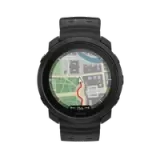 Polar Vantage M3
 Polar Grit X2 Pro Titan
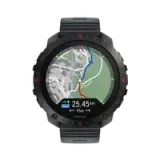 Polar Grit X2 Pro
 Polar Grit X2
 Polar Vantage V3
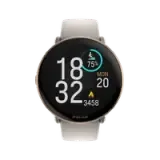 Polar Ignite 3
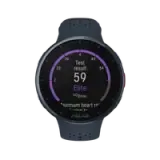 Polar Pacer Pro
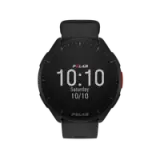 Polar Pacer
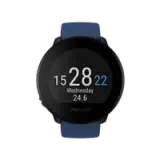 Polar Unite
Grit X Series
Vantage Series
Pacer Series
Ignite Series
Polar Unite
Grit X Series
Vantage Series
Pacer Series
Ignite Series