You already know how to prepare your muscles for a workout, but are you priming the organ that actually governs your pace, stamina, and perception of effort? Recent sports science reveals that just 10 minutes of targeted cognitive drills can instantly unlock a 2% to 3% performance jump—so why are you leaving your brain out of your warmup routine?
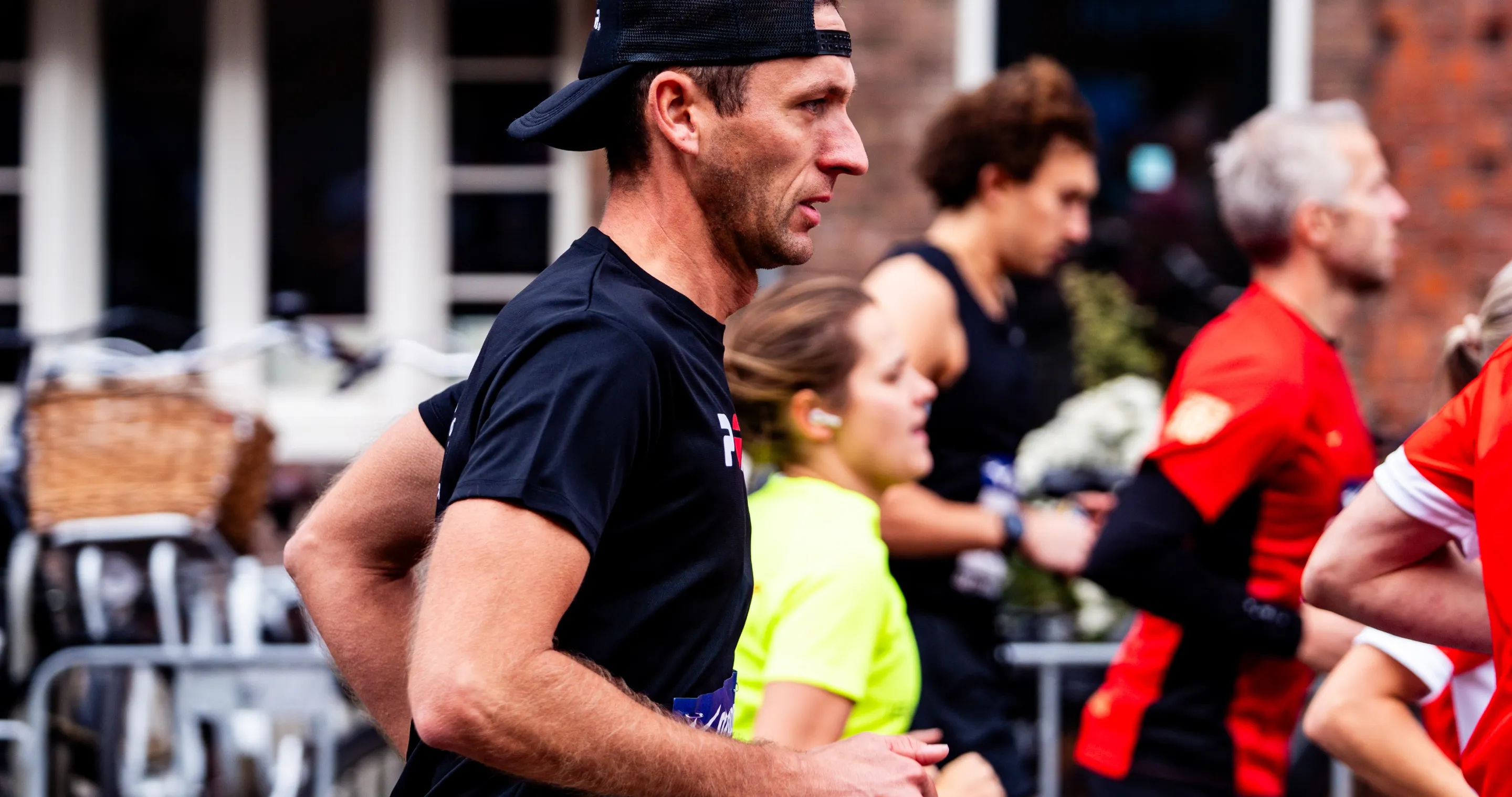
Twenty-five recreational runners step onto a track for a one-mile time trial. One group performs their standard dynamic physical warmup. The other adds a few brief cognitive tasks—color-switching games and reaction challenges—to the exact same physical routine. The result? The cognitive group runs 2% to 3% faster.
That is the takeaway from a 2026 University of Birmingham study. A 3% performance jump is a milestone most athletes spend an entire winter training block chasing. Here, it didn’t require extra mileage or new gear; it came entirely from a 10-minute brain warmup.
While sports scientists point out that a short lab time trial is the ideal context for this kind of cognitive priming—and that real-world conditions vary—the underlying mechanism is clear. Your standard warmup prepares your muscles. The warmup you’re likely skipping prepares your brain. And your brain governs everything that matters in the final, hard mile.
What Is a Mental Warmup?
A mental warmup is a structured sequence of short cognitive tasks or psychological exercises—such as task-switching drills, deliberate breathing, and targeted visualization—performed immediately before a workout or race. While a traditional physical warmup increases blood flow, raises core body temperature, and activates muscles, a mental warmup targets the central nervous system. Its primary purpose is to stimulate brain regions responsible for focus, decision-making, and motor control, effectively priming the mind for impending physical effort.
Evidence shows that an effective mental warmup falls into two distinct categories:
- Cognitive Priming: Fast-paced, brain-challenging tasks (like arithmetic or reaction games) that increase neural activation and prepare the nervous system to handle stress.
- Psychological Routines: Grounding exercises (such as box breathing or self-talk) that regulate physiological arousal, lower pre-exercise anxiety, and narrow focus.
Rather than working against each other, these two mechanisms can be combined into a single, high-efficiency routine to optimize your readiness.
Why It Works: The Science
To understand why a mental warmup alters your performance, you have to look at how brain fatigue and neural activation dictate physical limits. The science breaks down into three clear, evidence-based mechanisms.
1. Cognitive Priming Activates the Motor System
The brain regions required for executive function tasks—such as task-switching, working memory, and filtering distractions—overlap heavily with the networks that control skilled physical movement. Engaging these circuits right before a workout serves as a dynamic warmup for your gray matter.
The aforementioned research from Mortimer et al. (2026) and a study on the “Goldilocks Effect” by Díaz-García et al. (2025) demonstrate that around 10-20 minutes of cognitive work optimizes neural preparation. Crucially, longer is not better. At the 30-minute mark, the mental effort crosses a threshold, causing the exact mental fatigue it was meant to prevent and actively degrading physical performance.
2. Psychological Routines Regulate Arousal
Every athlete has an Individual Zone of Optimal Arousal (IZOF)—the precise sweet spot of mental tension where they perform best. Pre-performance routines like controlled breathing and visualization act as a thermostat, helping you slide into that zone. A comprehensive meta-analysis by Rupprecht, Tran, and Gröpel (2021) in the International Review of Sport and Exercise Psychology evaluated 112 effect sizes and found moderate-to-large positive impacts (Hedges’ g = 0.70) when using these routines under pressure, noting the highest benefits during high-stakes efforts.
3. It Insulates You Against Exhaustion
A mental warmup is highly effective when you are already starting at a disadvantage. The Díaz-García et al. (2025) study specifically tested sleep-deprived athletes and discovered that combining cognitive and physical warmups partially offset the physiological performance costs of poor sleep. If your Nightly Recharge™ status shows incomplete recovery after a brutal workday, a 10-minute cognitive warmup can narrow the deficit, lowering your perceived exertion before you even take your first stride.
undefined
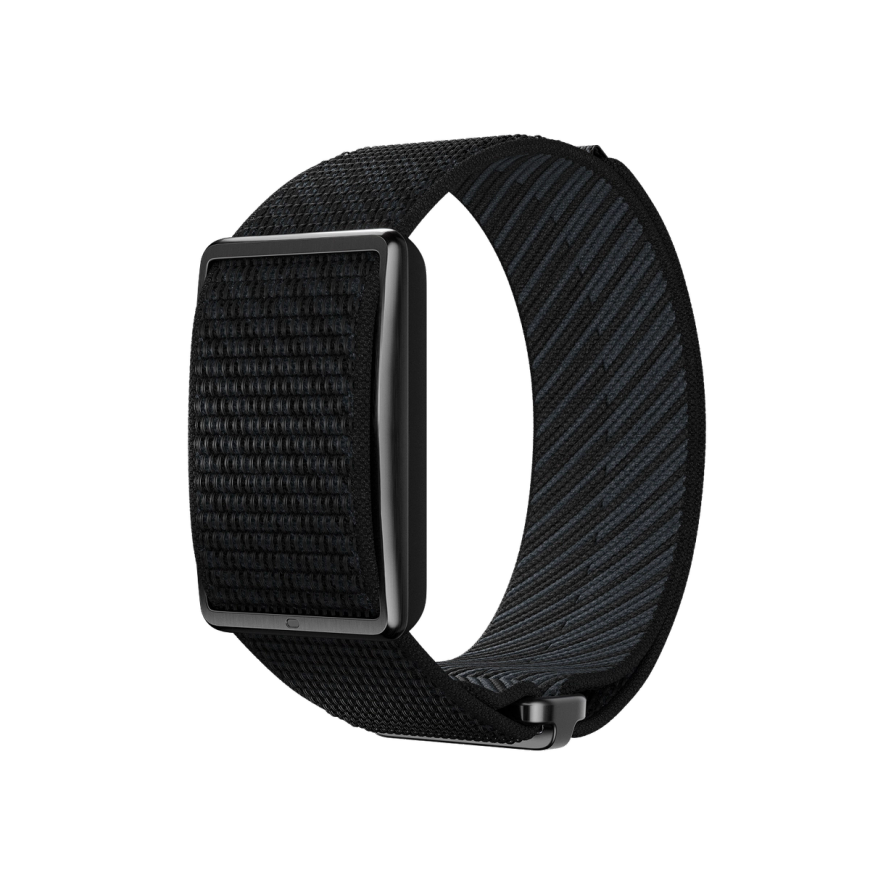
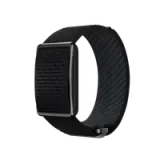
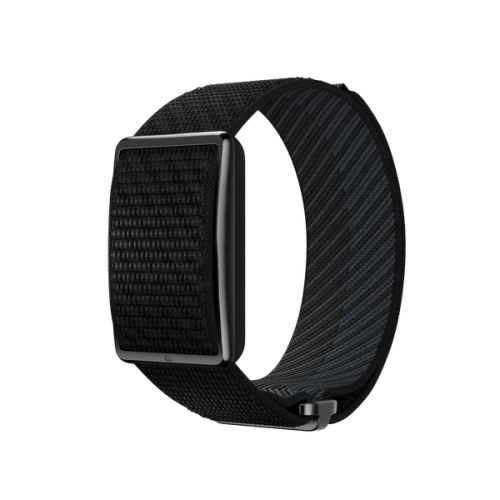
POLAR Loop
Screen-Free Wearable Health Band & Fitness Tracker
POLAR Loop is a screen-free, subscription-free fitness band that helps you sleep better, recover smarter, and stay active—without distractions.
How Long Should a Mental Warmup Be?
If 30 minutes is too long, then what is the optimal length for a mental warmup? It should be between 5 to 15 minutes, depending entirely on the type of drills you select:
- Cognitive Priming Only: 10–15 minutes (the “Goldilocks window” for neural activation).
- Psychological Routine Only: 5–10 minutes.
- Combined Routine: 10–15 minutes (activities can overlap, such as box breathing while transitioning between cognitive tasks).
Remember, when it comes to brain preparation, longer is not better. Keep your routine to a maximum of 15 minutes of genuine mental effort to prevent cognitive fatigue.
8 Mental Warmup Drills to Try
These practical, field-tested drills are divided into cognitive priming tasks to spark your central nervous system, followed by psychological routines to regulate your focus and anxiety.
1. Counting Backward in 7s
- What it is: An equipment-free cognitive priming drill that forces sustained executive attention.
- How to do it: Close your eyes and count backward from 300, subtracting 7 each time (300, 293, 286, 279…). Continue for 3 minutes. If you lose track, immediately pick up from the last number you remember. Focus on continuous effort rather than perfect mathematical accuracy.
- Best for: Runners and cyclists who want a zero-gear cognitive drill to perform during the easy, spinning portion of a physical warmup.
2. Two-Digit Mental Multiplication
- What it is: A progressive cognitive priming exercise designed to rapidly increase your mental workload.
- How to do it: Mentally multiply two random two-digit numbers without writing anything down. Complete 8 to 10 calculations over 3 minutes. Scale the difficulty based on your energy: 12x15 is a lighter lift, while 37x64 requires intense focus.
- Best for: Athletes who want to scale their cognitive load dynamically—use simpler numbers on recovery days and harder equations before high-intensity track sessions.
3. Category Fluency Sprint
- What it is: A working-memory drill that taxes information retrieval speed without using numbers.
- How to do it: Choose a broad category (e.g., Animals or Countries) and name 20 specific items aloud in alphabetical order as fast as possible (“Antelope, Baboon, Cheetah...”). Time yourself, then repeat the drill with a brand-new category.
- Best for: Endurance athletes who find mental math frustrating but still want an effective, rapid-fire executive function warmup.
4. Structured Cognitive App Training
- What it is: A smartphone-based priming session utilizing validated digital cognitive tasks.
- How to do it: Spend 10 to 12 minutes on a reputable brain-training app (such as Dual N-Back, Elevate, or Peak). Explicitly select games that test working memory, task-switching, and response inhibition. Ensure the difficulty feels genuinely challenging, not passive.
- Best for: Athletes who always train with their phones and prefer a structured, gamified protocol over self-directed drills.
5. Box Breathing (4-4-4-4)
- What it is: A classic psychological routine aimed at autonomic nervous system regulation and stress reduction.
- How to do it: Inhale deeply through your nose for 4 seconds, hold your breath for 4 seconds, exhale smoothly through your mouth for 4 seconds, and hold empty for 4 seconds. Repeat this rhythmic cycle for 3 minutes with your eyes closed.
- Best for: Over-aroused, anxious, or scattered athletes looking to activate the parasympathetic nervous system and lower pre-exercise state anxiety.
6. Process Goal Setting
- What it is: An attentional focus routine that replaces vague outcome goals with controllable execution targets.
- How to do it: Write down or state aloud two precise process goals for your session. Focus on metrics entirely within your control, such as “keep shoulders relaxed during fast repeats” or “maintain a cycling cadence above 90 RPM on climbs.”
- Best for: Highly structured workouts where technical execution, pacing discipline, and strict quality control matter more than raw speed.
7. Vivid Imagery Clip
- What it is: A brief visualization routine backed by sports psychology to prime movement patterns and build confidence.
- How to do it: Spend 90 seconds visualizing a specific, crucial segment of your upcoming session. Rehearse the physical sensations—the resistance of the pedals, the sound of your stride, the burning in your lungs—and picture yourself responding with strong, relaxed form.
- Best for: High-stakes race-day preparation and demanding, intimidating interval workouts with specific execution targets.
8. The 5-Minute Combined Protocol
- What it is: A comprehensive, research-backed psychological routine that bundles breathing, visualization, and arousal calibration.
- How to do it: Spend 90 seconds on rhythmic breathing (5-second inhale, 5-second exhale) to clear external work worries. Transition into 90 seconds of sensory-rich goal visualization (focus on the physical sensation of executing your goals). Finish with 2 minutes of arousal calibration: use slow breathing if you feel frantic, or explosive breaths and power postures if you feel sluggish.
- Best for: Time-crunched athletes who want a single, scientifically validated protocol that can be seamlessly guided via audio before any workout.
Maximize Your Readiness
A mental warmup isn’t a replacement for physical training; it’s the catalyst that unlocks it. Managing your mental readiness directly affects your perception of effort, which ultimately determines how your body registers daily physiological strain.
The next time your watch flags an incomplete recovery or a hectic workday threatens to derail your motivation, don’t sacrifice your session. Spend 10 minutes priming your brain with one of the cognitive drills above, log your workout, and let your training data prove the difference.
Enjoying this article? Subscribe to the Polar Newsletter and get notified when new articles are out.
Subscribe
References
- Mortimer et al. (2026). Warming Up Body and Mind: Combined Cognitive and Exercise Priming Improves 1-Mile Time Trial Performance in Recreational Runners. European Journal of Sport Science. https://doi.org/10.1002/ejsc.70163
- Díaz-García et al. (2025). Cognitive Priming During Warmup Enhances Sport and Exercise Performance: A Goldilocks Effect. Brain Sciences. https://doi.org/10.3390/brainsci15030235
- Rupprecht, Tran, & Gröpel (2021). The Effectiveness of Pre-Performance Routines in Sports: A Meta-Analysis. International Review of Sport and Exercise Psychology. https://doi.org/10.1080/1750984X.2021.1944271



 POLAR Street X
New
POLAR Street X
New
 Polar Vantage M3
 Polar Grit X2 Pro Titan
 Polar Grit X2 Pro
 Polar Grit X2
 Polar Vantage V3
 Polar Ignite 3
 Polar Pacer Pro
 Polar Pacer
 Polar Unite
Grit X Series
Vantage Series
Pacer Series
Ignite Series
Polar Unite
Grit X Series
Vantage Series
Pacer Series
Ignite Series