If you can remember when David Bowie's Golden Years first crackled onto the airwaves back in 1975, then you're officially inhabiting this era of your life right now. And, you'd probably laugh if someone said it was time for you to slow down, right? That's because these days the concept of our 'golden years' has undergone a radical transformation.
In fact, a groundbreaking new study from the Yale School of Public Health has turned the 'inevitable decline' narrative on its head. By tracking thousands of individuals, researchers found that many older adults don't just maintain their health—they actually improve their physical and cognitive function over time.
This is great news, as we are not only living longer than before, but also increasingly remaining fit and healthy well into later life. So, if we now have the biological opportunity to remain active, adventurous, and sharp for a much larger portion of our lives than any generation before us, the real question is: why wouldn't we?
In this edition of the Polar Journal, we’re moving past the outdated concepts of 'anti-aging' and fighting decline. Instead, we’re leaning into functional fitness and longevity, and embracing the great outdoors. Because being active isn't about chasing youth; it’s about preparing your body and mind for a new, lesser-known phase of adventure.
Whether you're eyeing that challenging mountain trail you've always wanted to try or powering around your local park every lunchtime, consider your outdoor exercise your Swiss Army Knife for ageing well. It doesn't just work your muscles; it challenges your balance, sparks neuroplasticity, and aligns your internal clock with the natural world. From the latest research on VO2 max for longevity to the simple, transformative benefits of nature as we age, here's why making the outdoors a part of your everyday life helps you stay as resilient as your vinyl collection.
The Outdoors is your 'All-in-One' Gym
When you swap the treadmill for a trail, something remarkable happens to your physiology. Unlike the predictable, flat surface of gym equipment, the natural world is, well, gloriously uneven. It isn't simply a scenic backdrop to your exercise; it’s a high-stakes training ground for functional fitness.
The magic of all of this lies in the fact that outdoor activity rarely isolates a single muscle group or skill. Even a moderate hike demands a constant dialogue between your brain and your body. This type of "multidomain" challenge is exactly what the 2025 ACTIVA-Senior study highlights as a key to healthy aging. By combining aerobic effort with the balance and coordination required to navigate roots, rocks, and ridges, you aren't just burning calories—you’re mitigating the psycho-physiological decline that we traditionally associate with getting older. Let's look at this in a little more depth.
Stability as a Superpower
We often think of peak fitness as how much we can lift or how far or fast we can run, but as we age, our stability becomes our most vital asset. While you can focus on incorporating fall-prevention exercises into your at-home workouts, getting out into nature will actually provide this training for you.
Navigating the variable terrain of a forest or coastal path forces your body to practice proprioception—your sense of where your limbs are in space. According to the Relationship Between Outdoor Activity and Health study, older adults who engage in these higher-expenditure outdoor activities reported significantly better physical function and less fear of falling. This is because every micro-adjustment your ankles and core make to stay upright on a gravel path is, in a sense, a deposit into your 'mobility bank,' ensuring you stay capable of adventure for decades to come.
Even the catchily-titled Getting Older Adults Outdoors (GO-OUT) study recently demonstrated that a structured outdoor walking program can halt the progression toward frailty. It turns out that simply 'getting out there' is one of the most sophisticated medical interventions available to us in later life.
VO2 max for longevity
Of course, fitness isn't just about staying upright, but it's also about having an engine to keep you going. This brings us to your VO2 max, the gold standard of cardiorespiratory health.
Recent findings from the Harvard T.H. Chan School of Public Health (2026) show that a high variety of outdoor activities—from cycling to brisk walking—significantly lowers mortality risk compared to repetitive routines. While the study focuses on the 'variety bonus' for longevity, the biological engine driving these results is your VO2 max. By engaging in a wide variety of outdoor activities, you are effectively cross-training your heart and lungs, ensuring this gold standard of cardiorespiratory health stays resilient.
This isn't just about athletic performance; it’s about aerobic reserve. Think of your VO2 max as the 'horsepower' of your internal engine. As we age, our peak capacity naturally shifts, but by training outdoors, we raise the ceiling of what our bodies can handle. When you improve this metric through varied terrain and fresh air, your everyday movements—climbing a flight of stairs, carrying groceries, or chasing after grandkids—occupy a much smaller percentage of your total energy. By building a bigger engine now (at whatever stage of life you're in), you’re ensuring that the physical demands of daily life never feel like a maximal effort, allowing you to stay adventurous and independent well into your later decades.
Nature as a Brain Booster
If the 2026 Yale study, Aging Redefined: Cognitive and Physical Improvement with Positive Age Beliefs, shows that we can keep getting better as we age, the next question is: How? The answer lies in neuroplasticity—the brain’s remarkable ability to reorganize itself by forming new neural connections. For decades, we were told this ability peaked in childhood. We now know that's not true.
According to the 2025 comprehensive review in Frontiers in Neuroscience, physical activity is one of the most potent non-pharmacological interventions for triggering this neuroplasticity. It highlights that aerobic exercise increases the expression of "brain-derived neurotrophic factors", which essentially act as a kind of fertilizer for your brain cells, helping to counter age-related cognitive decline.
While this study emphasizes the biological power of exercise, your outdoor environment adds a layer of what the aforementioned ACTIVA-Senior (2025) study calls a "multidomain" challenge. It points out that healthy aging is best supported through activities that demand coordination and cognitive engagement simultaneously.
For example, navigating a winding path, adjusting to shifting shadows, or even the subtle task of tracking a bird in flight forces your brain to stay 'switched on.' It turns out that the distractions of nature—the wind, the terrain, the changing light, the beauty of plants and animals—are actually high-level cognitive inputs. This is why outdoor movement is so effective at countering age-related cognitive decline; it treats your brain like a muscle that needs a varied, challenging workout to stay resilient.
Sunlight and Stress
Staying sharp is also about the biological environment you create for your cells. Two of the most powerful tools for your longevity kit are free and available just outside your front door:
- The Light Connection: Research on light exposure patterns shows that older adults often struggle with disrupted circadian rhythms, which can lead to poor sleep and what is commonly known as brain fog. By prioritizing outdoor sunlight, you aren’t just getting Vitamin D; you are anchoring your internal clock. As noted in the 2019 Effects of Light on Aging and Longevity study, consistent natural light exposure is a foundational pillar for mitochondrial health—the tiny power plants in your cells that keep your energy levels high.
- The Cortisol Reset: You’ve probably felt that common experience of sighing with relief when stepping into a park. That isn’t just a feeling; it’s a measurable physiological shift. A 2019 systematic review of Forest Bathing (Shinrin-yoku) confirmed that immersion in nature significantly lowers salivary cortisol levels. Because chronic stress is a known enemy of memory, lowering your cortisol through nature acts as a biological shield for your brain.
undefined
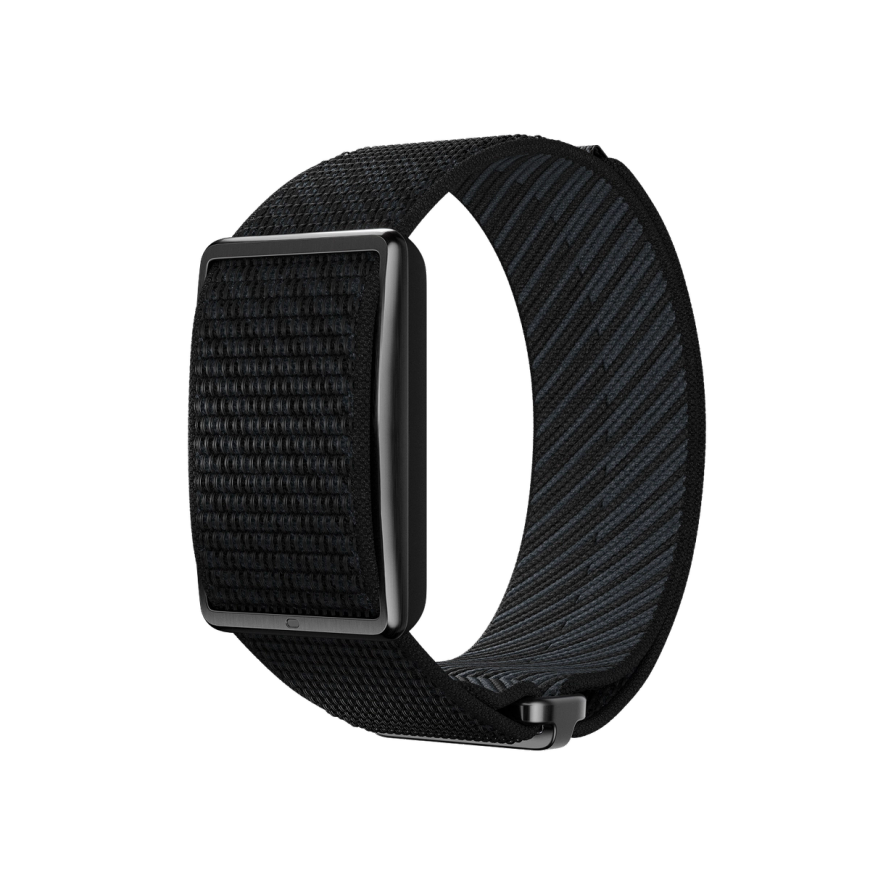
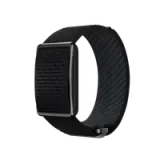
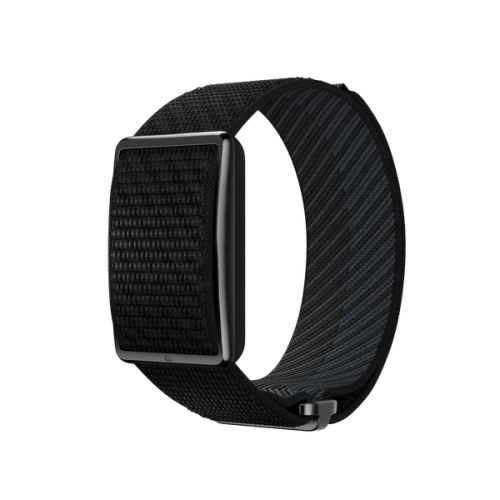
POLAR Loop
Screen-Free Wearable Health Band & Fitness Tracker
POLAR Loop is a screen-free, subscription-free fitness band that helps you sleep better, recover smarter, and stay active—without distractions.
Strategic Habit Building
If the science of longevity sounds like a full-time job, take a breath. Thankfully, you don’t need to be training for a mountain ultramarathon to see these results. In fact, the most resilient 'super-agers' aren’t necessarily the most intense—they are the most consistent. Longevity is built in the quiet, daily moments: the morning nature walk, the afternoon gardening session, the weekend bike ride to the park coffee shop. It’s about the cumulative power of showing up for yourself, day after day, in the fresh air. Here are two simple things you can do to build good longevity habits.
Seek Out Morning Light
One of the most effective habits you can build is a morning 'light appointment.' Aim for 20 minutes of outdoor exposure within two hours of waking up. As noted in this study on light exposure patterns, early morning sun anchors your circadian rhythm, signaling to your brain that the day has started.
The Longevity Win: Better sleep tonight starts with the sun you see this morning. It regulates the mitochondrial 'engines' in your cells, keeping your energy levels steady.
Prioritize Vitamin D Throughout the Day
Take a leaf out of the book of the 'super-agers' in this Vitamin D study. They maintained levels as high as those of younger adults simply by being more intentional about their time in the sun.
Vitamin Boost: Whether it’s deadheading the roses, reading your morning paper on the patio, or taking a post-lunch stroll, treat your sun exposure like a daily nutrient. Variety is key—different times of day offer different qualities of light.
Establish Your Longevity Baseline
You can’t improve what you don’t measure, but you don't need a lab to do it. By tracking your VO2 max, you can see your mobility in real time. Watching that number stabilize or climb is a powerful psychological win that keeps you coming back to the trail.
Polar Pro-Tip: Use the Polar Walking Test every three months. It’s a simple, non-intense way to estimate your VO2 max. It's also a great way to move with the seasons, comparing how you are this summer, compared to spring or the previous year.
Close the Loop with Recovery
Longevity isn't just about how hard you go; it's about how well you bounce back. Tracking your recovery reinforces how nature is literally recharging your battery.
The Nature Reset: Use Polar Nightly Recharge™ to see the tangible proof of how nature can be your biological balm. Compare a day spent entirely indoors with a day where you hit the park or the woods. You’ll likely see a higher HRV (Heart Rate Variability) and a deeper sleep charge after being outside.
Take Up the Texture Challenge
Whenever possible, swap a flat sidewalk for a bit of texture—a grassy verge, a beach walk or a local trail.
Proprioception practice: Spend just 10 minutes of your daily walk on uneven ground. This silently trains your proprioception and stability without you having to do a single balance exercise. It’s the ultimate low-effort, high-reward habit for long-term independence.
Not a Sunset, Just a Change of Pace
If we’ve learned anything from the latest research, it’s that the 'Golden Years' aren't a sunset—they are simply the perfect light for a long, rewarding trek.
Aging well isn't a defensive battle against decline; it’s an offensive strategy for adventure. By stepping outside, you aren’t just 'getting some air.' You are engaging a sophisticated, multidomain training system that sharpens your brain, builds a more resilient heart, and deposits steady gains into your stability bank.
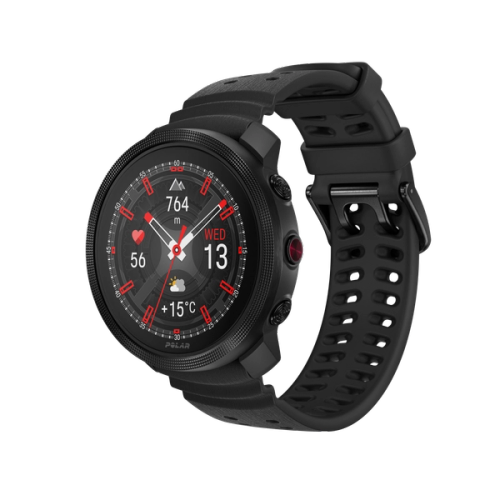
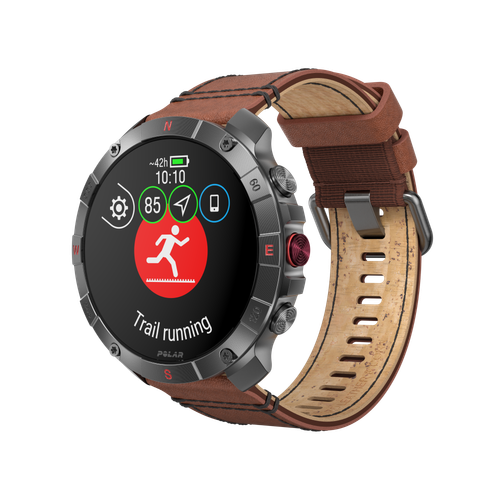
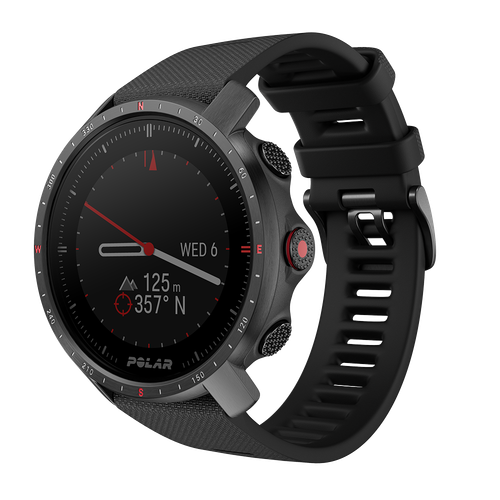
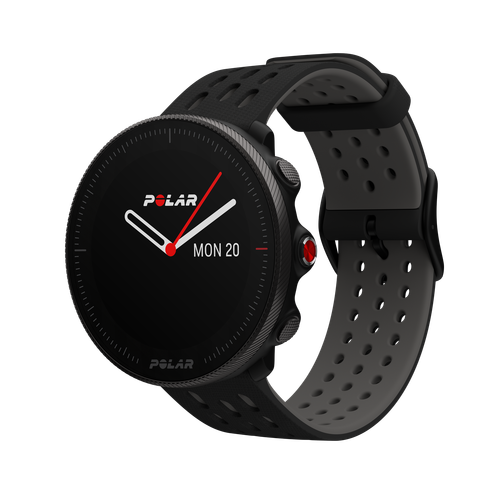
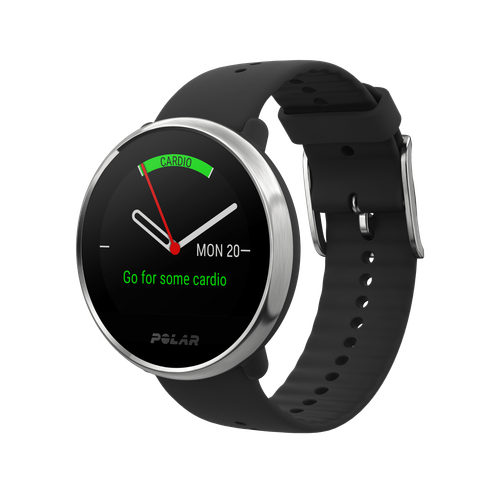
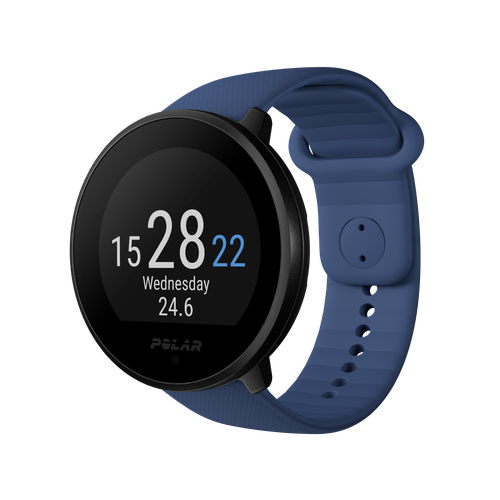
So, take a cue from how Bowie approached life. Don’t just let the years pass you by—make the most of them. Put on your favorite pair of trail shoes, select the sports profile on your Polar watch, and head toward the horizon. Your most resilient self is waiting just outside the front door.



 POLAR Street X
New
POLAR Street X
New
 Polar Vantage M3
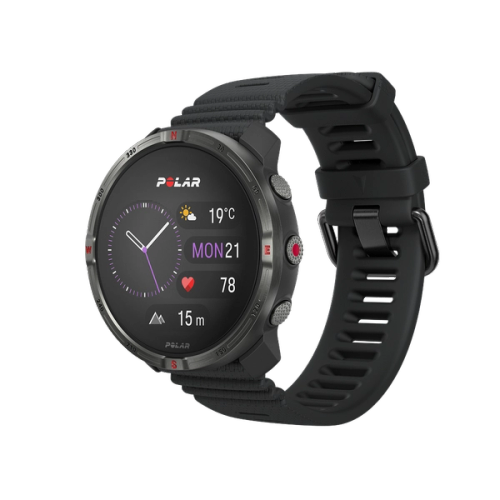
 Polar Grit X2 Pro Titan
 Polar Grit X2 Pro
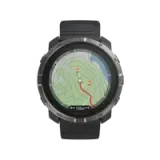 Polar Grit X2
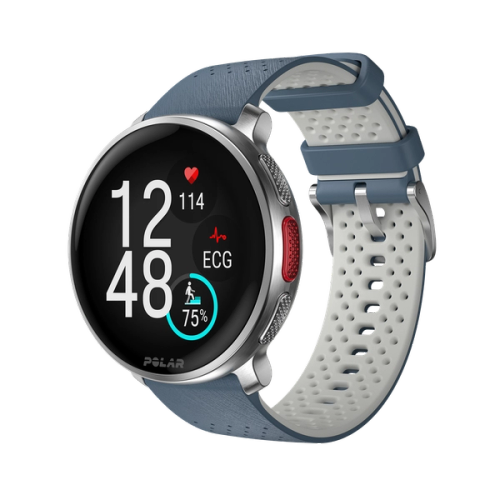
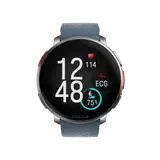 Polar Vantage V3
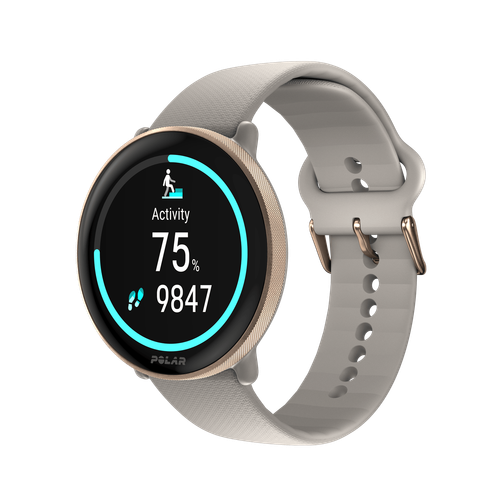
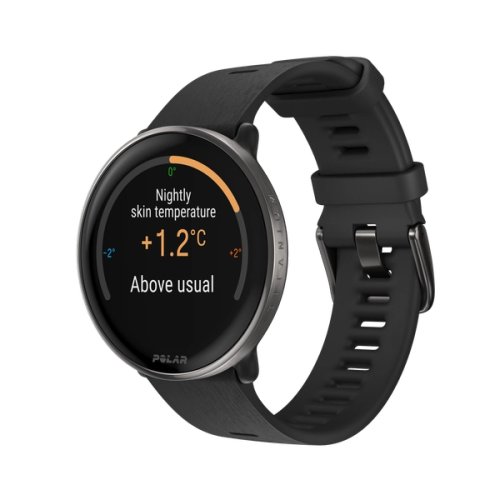
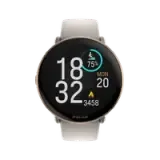 Polar Ignite 3
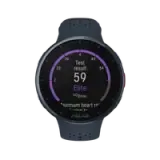 Polar Pacer Pro
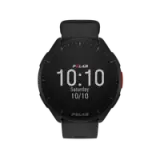 Polar Pacer
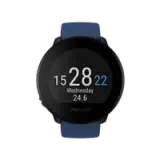 Polar Unite
Grit X Series
Vantage Series
Pacer Series
Ignite Series
Polar Unite
Grit X Series
Vantage Series
Pacer Series
Ignite Series