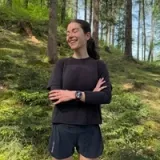
What really matters is consistency—the small, steady efforts that keep you improving year after year. If you want to discover how fast you can run a marathon, for example, you’ll need patience because your first marathon will rarely be your best. It might take several years of smart training and gradual progress to become the best marathoner that you can be. And that’s ok. The journey is where most of the joy—and the real gains—happen.
The reason consistency matters so much is that humans actually have the capacity to keep improving their fitness and endurance for a very long time. We’re not built for a single “golden year” and then a downhill slide—we’re built to adapt. When you train regularly, your body responds little by little: your heart gets stronger, your muscles become more efficient, your oxygen uptake improves, and your ability to handle longer or harder efforts grows.
What’s even more encouraging is that it doesn’t really matter when you start. Whether you’ve been active since your teens or you’re coming back to sport after years away, you still have plenty of room to improve. Even if you’ve led a mostly sedentary life, structured progressive training can bring years of improvement, leading to a healthier, more active life.
undefined
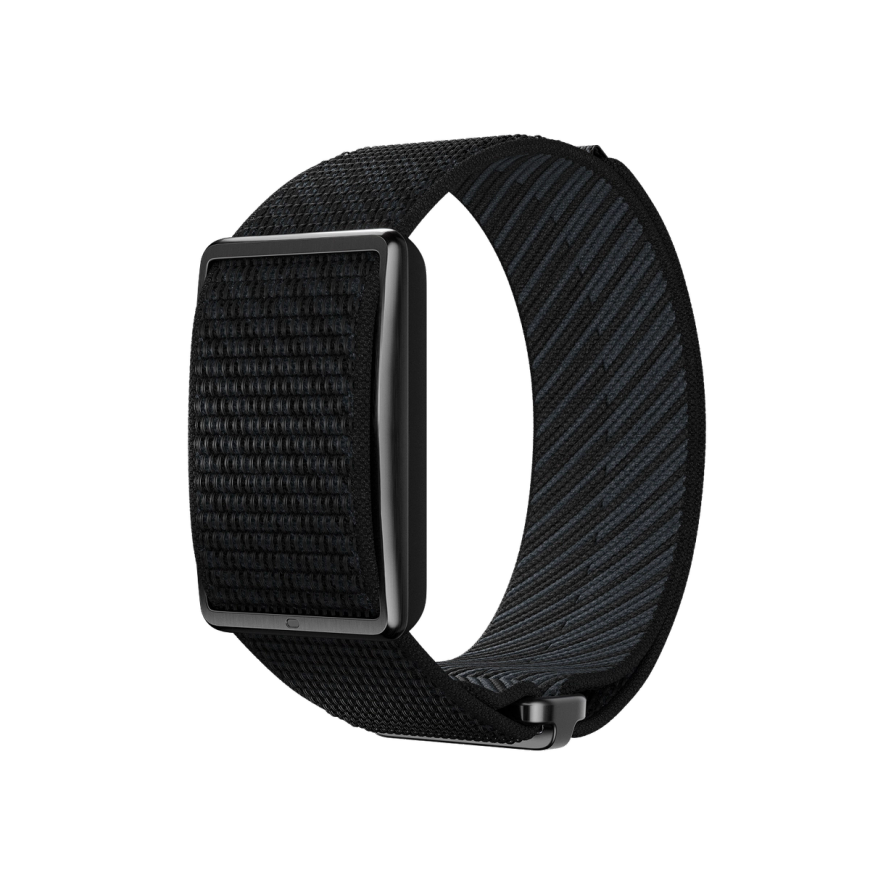
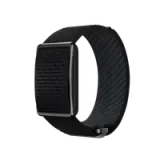
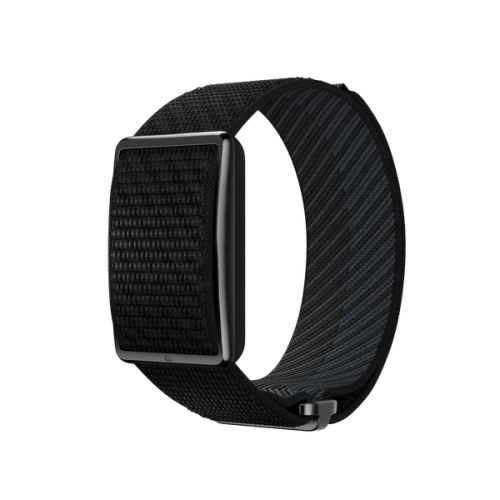
POLAR Loop
Screen-Free Wearable Health Band & Fitness Tracker
POLAR Loop is a screen-free, subscription-free fitness band that helps you sleep better, recover smarter, and stay active—without distractions.
The Power of Initial Adaptations
When you commit to consistent training, adaptations can build and compound over years. Even if you’ve lived a sedentary life, once you start exercising, you’ll quickly experience tremendous gains in fitness. And if you stick with an active lifestyle and regular exercise, you can keep improving your endurance for many years—setting yourself up for a healthier life later on.
The fitness journey is highly rewarding initially. The first years of training drive significant adaptations. You’re not just getting “fitter” in a vague way—you’re literally rebuilding your body from the inside out. Your heart becomes more efficient at pumping blood, your capillary network grows denser, and your muscles pack in more mitochondria (the tiny power plants that help you use oxygen to produce energy). At the same time, your tendons, joints, and connective tissues gradually adapt to handle more training volume without breaking down.
After those first few years of rapid gains, fitness starts to improve in a quieter, more subtle way—but it’s still improving. You may not see big jumps in numbers anymore, yet your body keeps adapting: you recover faster, handle more volume, and can stack challenging sessions without burning out. Small changes—like feeling steadier during long efforts, staying strong at the end of a tough workout, or bouncing back quicker the next day—are all signs of this “second phase” of progress. It’s less about dramatic breakthroughs and more about refinement, resilience, and building a body that can perform reliably year after year.
With age, however, two of the three main physiological determinants of endurance performance tend to decline. The biggest driver is a gradual reduction in VO₂max, which appears to explain much of the age-related drop in endurance capacity. Lactate threshold—the exercise intensity at which blood lactate begins to rise noticeably above baseline—can also shift downward with age, further reducing the pace or power you can sustain, although this effect is often smaller and may be easier to train and maintain. In contrast, exercise economy—the energy cost of maintaining a given submaximal speed or power—seems to remain largely unchanged in endurance-trained adults, even as they get older.
Some research suggests that you don’t need to go “all out” at VO₂max to keep making progress as you age. Training around threshold—at a strong but sustainable intensity—may be enough to drive meaningful improvements while placing less strain on the body. For example, Huang et al (2005) reports that regular exercise performed at roughly 60–70% of VO₂max may be sufficient—and in some cases even more efficient—for older adults to improve fitness. For example, even if your top speed might not change, you may notice you can hold the same pace with less effort—often with a lower heart rate and a steadier, more controlled feeling.
This points to a practical way to slow the decline—and even continue improving endurance—as we get older.



 POLAR Street X
New
POLAR Street X
New
 Polar Vantage M3
 Polar Grit X2 Pro Titan
 Polar Grit X2 Pro
 Polar Grit X2
 Polar Vantage V3
 Polar Ignite 3
 Polar Pacer Pro
 Polar Pacer
 Polar Unite
Grit X Series
Vantage Series
Pacer Series
Ignite Series
Polar Unite
Grit X Series
Vantage Series
Pacer Series
Ignite Series