Imagine it's 6:30pm. You've just finished a grueling HIT session or a solid 45-minute run. You're proudly sweaty, especially as your watch is telling you your heart rate is elevated, and it's giving you a great sense of accomplishment. You've ticked off both 'work' boxes for the day, right?
But let's rewind 12 hours. You started the day with a long commute, sitting on the train. Then you were glued to your swivel chair with morning emails, back-to-back video calls, followed by a quick lunch eaten over your keyboard, and an afternoon spent deep in focus. So, even though you hit the gym or the park for an hour, unfortunately your body was mostly in a state of physiological suspended animation throughout the day.
This is the 'active couch potato' paradox: the idea that a single hour of sweat can erase the effects of a sedentary day.
The reality is that our bodies simply were not designed for the stillness of modern desk work. While a daily workout is vital, your long-term vitality is actually hidden in the other 23 hours of the day. If you’ve been feeling sluggish, stiff or frustrated that your gym sessions aren't yielding the results you expected, learning how to counteract sitting all day might be the missing piece of your fitness puzzle.
Understanding the health risks of sitting isn't about scaring you into quitting your job; it's about empowering you to move smarter. The benefits of sitting less go far beyond burning a few extra calories—it’s about keeping your metabolism 'awake,' your circulation fluid, and your energy levels consistent from sunrise to sunset.
Next, we'll be diving into the science of sedentary behavior and showing you how small bursts of movement throughout the day can transform your wellbeing.
What Happens to Your Body When You Sit Too Long?
When you settle into your chair for a long stretch of work (and maybe again on your sofa for a TV binge), your body does something unexpected: it starts to power down. A bit like a laptop entering 'sleep mode' to save energy, except in this case, the shutdown affects your most vital biological engines.
The moment you sit, the electrical activity in your leg muscles (the largest muscular group in your body) drops to near zero. When these muscles aren't contracting, your blood circulation slows. Think of your muscles as secondary pumps for your cardiovascular system; without their constant 'squeezing' action, blood pools in your lower extremities, making your heart work harder to move oxygenated blood back up to your brain and vital organs. So, this isn't just about feeling stiff or sluggish; it directly impacts your vascular health.
A recent study on professionals who work from home has identified a clear danger zone: 9 hours. Once you cross this threshold of sitting throughout the day, the health risks become clear in your data. A significantly higher resting heart rate, an early indicator of cardiovascular strain, was common among individuals sitting for 9+ hours, averaging 84 bpm compared to 76 bpm in more active peers.
But the most significant 'shutdown' happens at the microscopic level. Within only a few hours of sitting, your body's production of lipoprotein lipase (LPL) plummets. This is an essential enzyme that lives on the walls of your blood vessels, acting like a vacuum cleaner that sucks fat out of your bloodstream to be used as fuel. When LPL levels drop, those fats circulate longer, and your metabolic rate takes a nosedive.
And the bad news just keeps coming. Simultaneously, your insulin sensitivity begins to dull. Usually, your muscles are hungry for glucose (sugar) from your blood, but when they remain idle, they become less responsive to insulin. This means that even if you're eating a healthy diet, your body struggles to manage blood sugar efficiently simply because it's 'parked' in a chair.
undefined
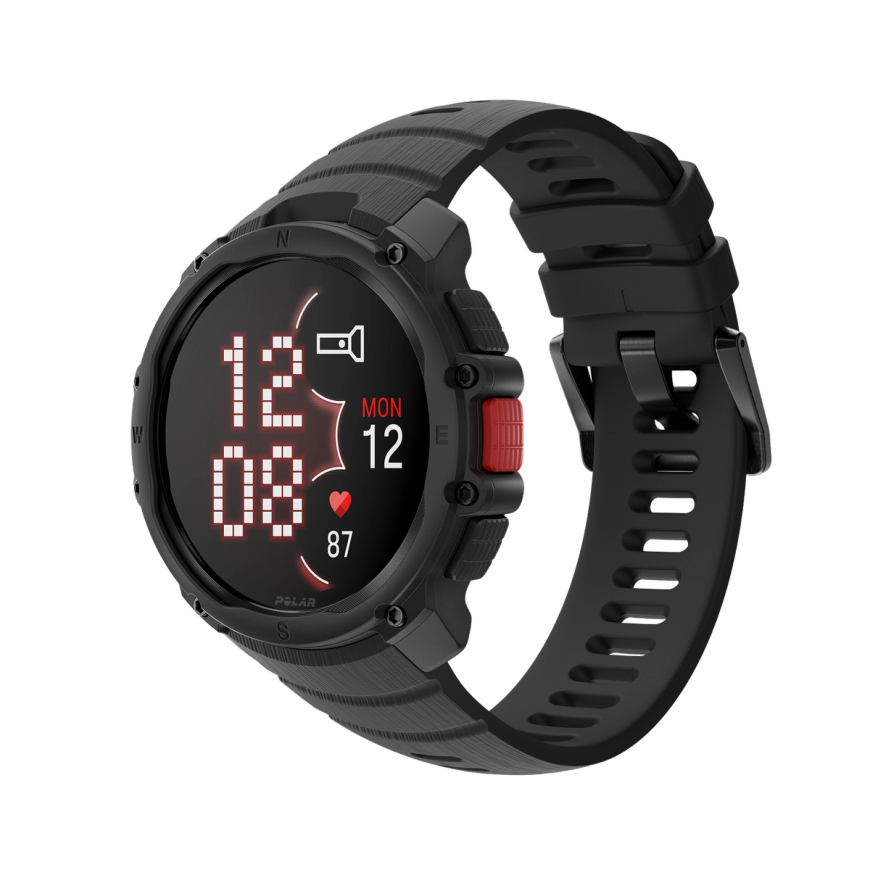
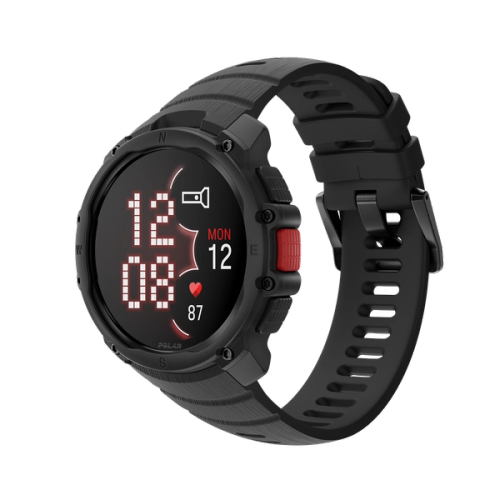
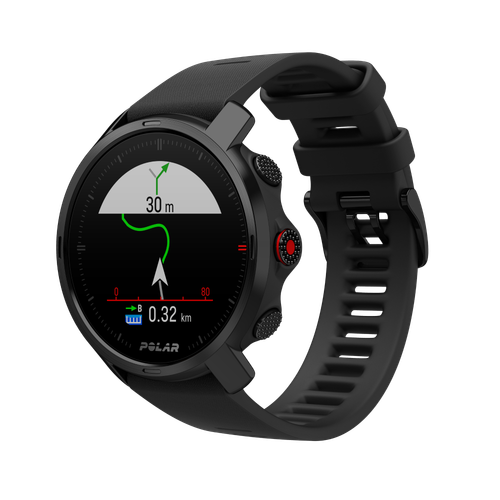
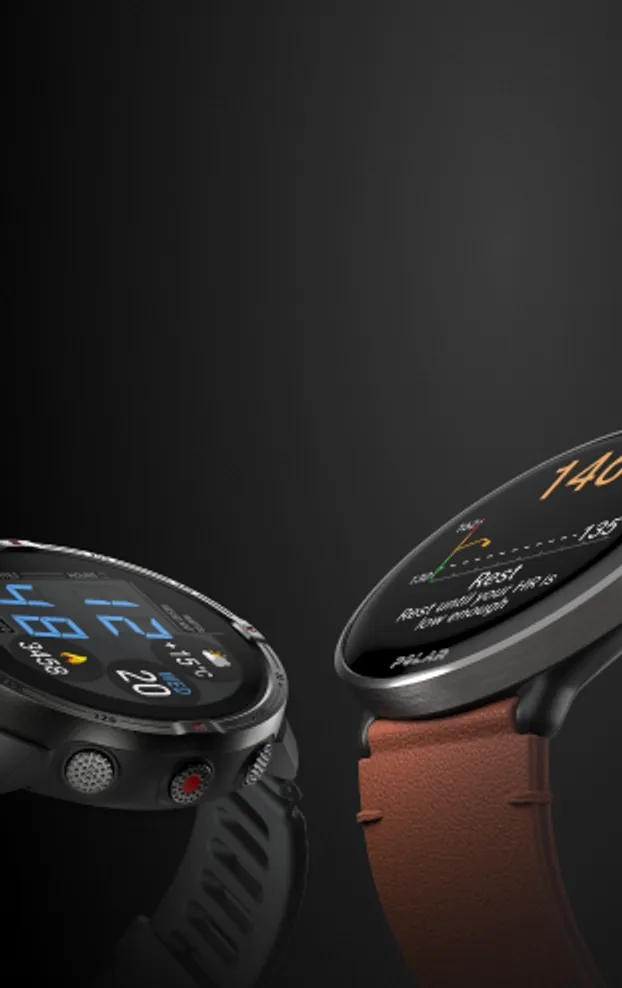
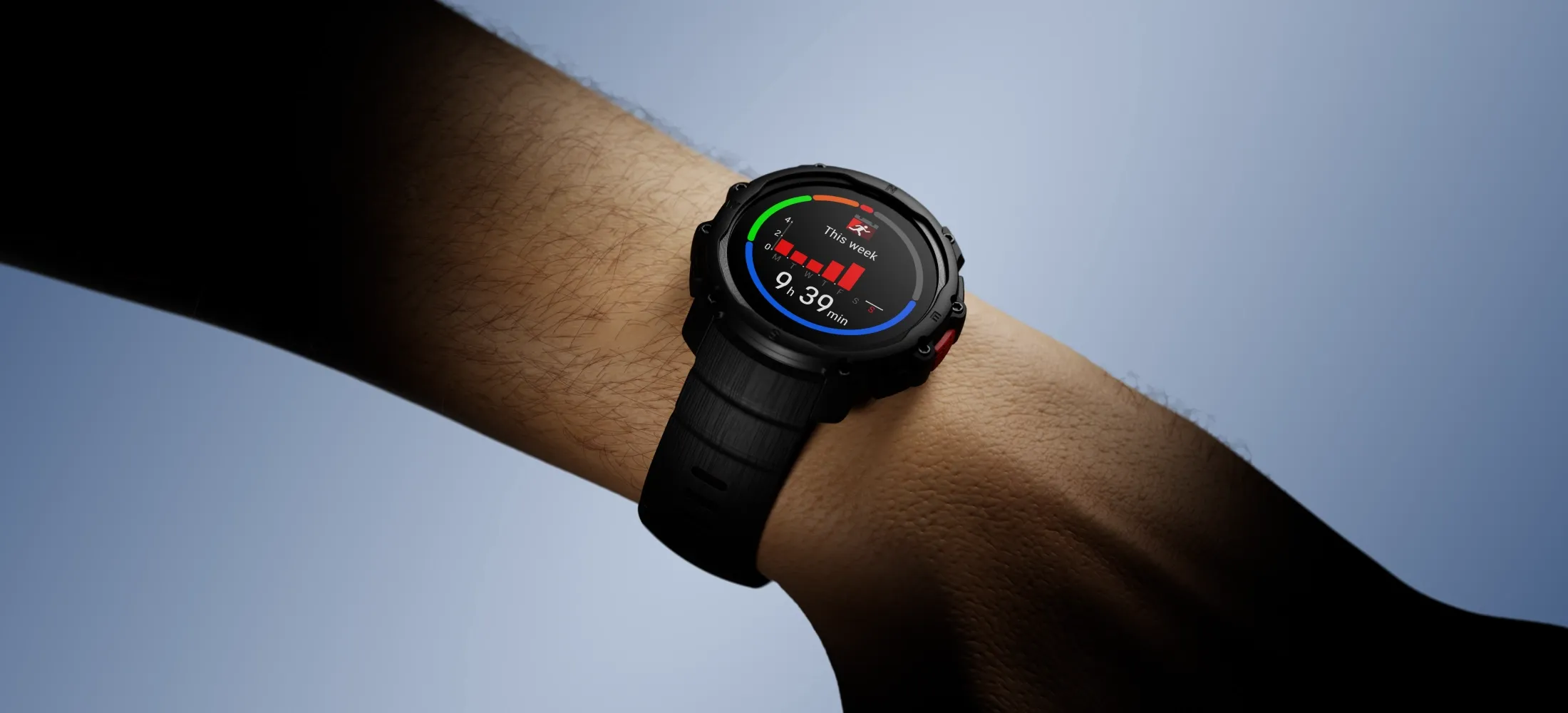
POLAR Street X
The Urban Sports Watch
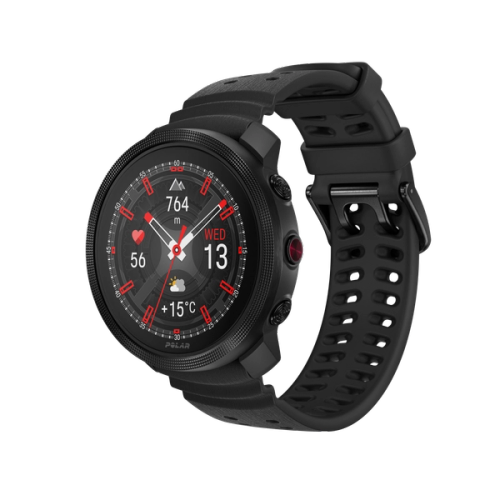
POLAR Street X is the urban sports watch for those who live, work, and train in the city. Tough, lightweight, and always ready, it delivers reliable GPS, a bright AMOLED display, precision heart-rate tracking, and 24/7 shock resistance for training, commuting, and everyday wear.
Can You Sit Too Much Even if You Exercise Daily?
Yes. A one-hour workout cannot fully negate the physiological damage of eight-plus hours of stillness. Science suggests that our biology doesn't work like a bank account where you can 'deposit' exercise to balance out a day of sitting.
A landmark 2024 study in the Journal of the American College of Cardiology examined nearly 90,000 people and found a critical tipping point at 10.6 hours of daily sitting (that’s 10 hours and 36 minutes). Once you cross that line, the risk of heart failure and cardiovascular strain climbs sharply—even for those who meet the standard 150 minutes of weekly exercise.
When you sit for that long, your body develops what researchers call "exercise resistance." Because your muscles have been idle, they become less sensitive to the metabolic signals your workout is trying to send. So essentially, by sitting all day, you are making your evening gym session work twice as hard for half the result. So, let's look at some of the other ways that sitting could affect your sporting ability.
How Prolonged Sitting Sabotages Sports Performance
Even if you’re hitting your weekly mileage or crushing a squat PR, eight hours of desk-bound stillness creates a physiological 'traffic jam' that directly affects how your body performs. It isn’t just about the calories you didn't burn; it’s about the structural and chemical changes that happen when you’re essentially 'parked.'
The Hip Flexor 'Short Circuit'
When you sit, your hips are locked in a flexed position, causing the psoas and iliacus (your primary hip flexors) to remain in a shortened state. Over time, they physically adapt to this length. This becomes a major problem the moment you try to run or lunge.
Tight hip flexors pull your pelvis into an anterior tilt, which arches your lower back and prevents you from achieving full hip extension. Essentially, you’re trying to drive with the parking brake on.
Glute Amnesia: When the Engine Fails to Fire
In the fitness world, it's called "Dead Butt Syndrome"—or more scientifically, Gluteal Amnesia. Because your hip flexors are so tight and overactive from sitting, they actually send a signal to your brain to 'turn off' the opposing muscles: your glutes.
Since your glutes are your body's primary power generators, having them 'offline' means your hamstrings and lower back have to pick up the slack. This is why many desk-bound athletes suffer from chronic lower back pain or recurring hamstring strains; your body is compensating for an engine that’s stuck in sleep mode.
The Inflammatory Speed Bump
Beyond the structural issues, sitting actively delays your recovery. A January 2024 study found a significant correlation between daily sitting time and the percentage increase of Creatine Kinase (CK) (a key marker of muscle damage) in the 72 hours following a workout.
If you spend your post-workout hours sitting, your circulation slows down, and your body struggles to clear these inflammatory markers. This is why you might feel ‘heavy’ or excessively sore days after a session; your sedentary hours are effectively sabotaging your muscle repair.
The Science of NEAT: Why Small Movements Make a Big Difference
If the idea of adding more structured exercise to your already busy day feels exhausting, there is a powerful scientific loophole you need to know about. It’s called NEAT.
NEAT, or Non-Exercise Activity Thermogenesis, refers to the energy expended for everything we do that is not sleeping, eating, or sports-like exercise. It’s the cumulative energy expenditure from pacing while you’re on a call, taking the stairs instead of the elevator, or even just shifting your posture while sitting at your desk.
While you may obsess over the calories burned during a 45-minute HIIT session, NEAT is actually the largest variable component of your daily metabolism. In fact, for most people, the energy burned through NEAT vastly outweighs the energy burned in a gym session. Think of your workout as a high-intensity sprint for your metabolism, while NEAT is the steady-state engine that keeps yourmetabolic health on track all day long.
Flipping the Metabolic Switch
The beauty of NEAT is that it targets the exact 'shutdown' mechanisms we discussed earlier. Remember that study on people who work from home? It showed that 9+ hours of sitting causes your resting heart rate to climb and your fat-burning enzymes to go dormant. In this case, NEAT is the 'on' switch.
When you stand up to take a call or walk to the kitchen, you aren't just moving—you are re-activating those LPL's. These enzymes 'wake up' almost immediately upon muscle contraction, starting the process of clearing fats and sugars from your blood again.
As a 2025 study in the Scandinavian Journal of Medicine & Science in Sports discovered, reducing your sitting time by just 30 minutes a day (easily achieved through NEAT) significantly improves metabolic flexibility. This is your body’s ability to switch efficiently between burning carbs and burning stored fat.
Cumulative Power: Pacing vs. The Gym
It’s easy to underestimate small movements, but they add up to a massive metabolic advantage. Consider this: A 30-minute HIIT session might burn 300–400 calories. However, a desk worker who integrates 'high-NEAT' habits (such as standing during meetings, taking the long way to the breakroom, and pacing while on the phone) can increase their daily energy expenditure by up to 500 to 1,000 calories without ever stepping foot in a gym.
undefined
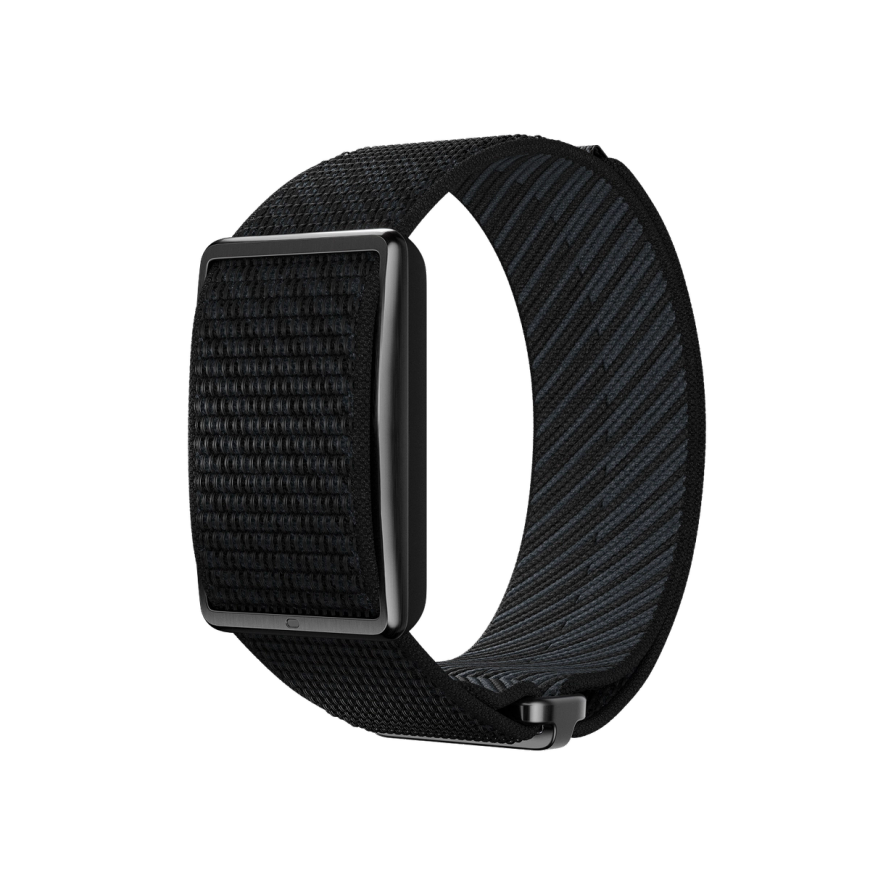
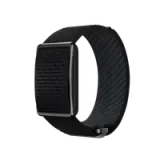
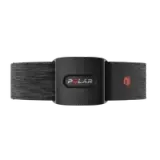
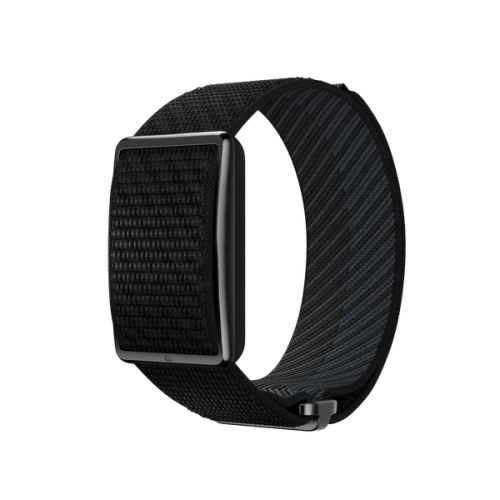
POLAR Loop
Screen-Free Wearable Health Band & Fitness Tracker
POLAR Loop is a screen-free, subscription-free fitness band that helps you sleep better, recover smarter, and stay active—without distractions.
Simple Ways to Break Up Sedentary Time
Transitioning to a high-movement lifestyle doesn’t require a total office renovation or a treadmill desk. It’s about small, sustainable lifestyle changes that keep your body from drifting into sleep mode. By breaking the 10.6-hour sitting threshold identified in the 2024 JACC study, you are quite literally protecting your heart one minute at a time.
Here is how you can implement high-impact movement breaks without missing a work deadline:
- The 30-Minute Rule: Set a goal to stand up or change your posture every half hour. Research shows that metabolic shutdown (aka the drop in LPL enzymes) can begin within 90 minutes. By standing for just two minutes every thirty, you keep your fat-burning engines warm throughout the day.
- The 'Walk and Talk' Meeting: If you don't need to share your screen, don't sit at your desk. Taking your calls on a wireless headset while pacing around your office or garden is an easy way to work on the move.
- Micro-Tasking: Instead of keeping a giant water bottle at your desk, use a smaller glass. This forces you to get up and walk to the kitchen more frequently. These tiny bursts of standing breaks keep your circulation fluid and prevent blood pooling, which compromises your vascular health.
Bridging the Gap with Polar
Improving your NEAT is where your Polar device becomes your most valuable performance tool. Most people only look at their heart rate during a workout, but to keep your body 'switched on' while working, you need to bridge the gap between rest and training.
- Spot the Sedentary Spike: Use your Polar Loop or watch to monitor your heart rate during work hours. As the working from home study noted, sitting for 9+ hours can raise your resting heart rate by an average of 8 bpm. If you see your heart rate trending higher during the workday despite being at rest, it’s a sign your cardiovascular system is under 'sedentary stress.'
- The Inactivity Alert is a Performance Reset: When your Polar watch vibrates to tell you it’s time to move, don’t just see it as a step goal. See it as a glute activation session. Standing up for just two minutes to do a few air squats or a hip flexor stretch reboots the connection between your brain and your muscles, preventing the Glute Amnesia that sabotages your evening run.
- Monitor the Recovery Curve: By tracking your Nightly Recharge™ or your recovery status in the Polar Flow app, you can see the direct impact of your sedentary hours. If your recovery is stalled despite a solid workout plan, check your Active Time timeline. Perhaps the missing piece of your performance puzzle often isn't more training—it's simply less sitting.
Movement is a Spectrum, Not an On/Off Switch
The takeaway here isn't that sitting is 'evil,' but that our bodies are designed for a continuous flow of movement rather than a binary choice between total stillness and intense training. Think of your vitality as a spectrum. When you are parked in a chair for many hours every day, you aren’t just resting; you are drifting into a metabolic gray zone where your enzymes go dormant, and your heart rate climbs.
The good news is that you have the power to shift that spectrum every single hour. You don’t need to choose between your career and your cardiovascular health. By honoring your 30-minute standing breaks, you keep your biological engines idling. This ensures that when 6pm finally rolls around, your body isn't fighting through exercise resistance or glute amnesia. Instead, it's primed, fluid, and ready to turn that sweat into real performance gains.
Ready to bridge the gap between your workday and your workout? Stop guessing and start seeing the impact of your movement in real-time. Start tracking your daily movement with the Polar Loop. By using inactivity alerts to trigger your 60-second metabolic reboots, you’ll stay on the right side of the science. Remember: small changes today lead to better sleep, consistent energy, and faster recovery tomorrow.
Frequently Asked Questions about Sitting and Health
These answers are designed to give you the quick, science-backed facts you need to optimize your daily movement and get the most out of your Polar data.
Is standing better than sitting?
Yes, but standing still is not a silver bullet. While standing desks increase energy expenditure and keep your postural muscles engaged, 'static standing' can still lead to circulation issues. The goal is dynamic movement—alternating between sitting and standing every 30 minutes to keep your circulation fluid and your metabolism 'awake.'
What counts as 'breaking up' sitting?
Any activity that recruits your large muscle groups counts. This includes 60 seconds of pacing during a call, a flight of stairs, or ten bodyweight squats. These 'micro-movements' act as a biological reset, reactivating the enzymes that clear fat and sugar from your bloodstream.
Is one hour of exercise enough to offset 8 hours of sitting?
Not entirely. While vital, a one-hour workout cannot fully erase the cellular 'shutdown' of a sedentary day. As the 2024 JACC study found, sitting for over 10.6 hours daily increases cardiovascular risk regardless of exercise habits. You must break up your sitting time to maintain metabolic sensitivity.
What happens to your body when you sit for too long?
Sitting triggers a physiological 'power down.' Within 60–90 minutes, production of LPL (the enzyme that burns fat) plummets. Circulation slows, blood pools in the legs, and insulin sensitivity dulls, creating a 'metabolic drag' that even a healthy diet and evening gym session struggle to overcome.
How many minutes should I stand for every hour of sitting?
Follow the 30-minute rule: Aim for at least 2 minutes of movement for every 30 minutes spent sitting. This frequency is more important than the intensity; consistent 'pulses' of activity prevent your body from entering the metabolic sleep mode identified in sedentary physiology research.
What are the best small movements to break up sedentary time?
The best movements are 'habit-stacked' into your day. Try calf raises while your coffee brews, glute squeezes during a video call, or desk push-ups to celebrate finishing a task. These micro-movements keep your muscles 'online' and prevent the hip flexor tightness that sabotages your sports performance.
How does sitting impact my heart rate recovery?
Prolonged sitting increases cardiovascular strain. The working-from-home study shows that high sedentary time can raise your resting heart rate by an average of 8 bpm. This higher baseline makes it harder for your heart to recover efficiently after a workout, as reflected in your Polar Nightly Recharge™ stats.



 POLAR Street X
New
POLAR Street X
New
 Polar Vantage M3
 Polar Grit X2 Pro Titan
 Polar Grit X2 Pro
 Polar Grit X2
 Polar Vantage V3
 Polar Ignite 3
 Polar Pacer Pro
 Polar Pacer
Grit X Series
Vantage Series
Pacer Series
Ignite Series
Polar Pacer
Grit X Series
Vantage Series
Pacer Series
Ignite Series