Rest with sore muscles or just keep going — that is the question.
That feeling afterward is simply incredible. Every muscle in your body aching after a hard session, barely able to move. The slow-creeping fatigue vibrating through every fiber. And the quiet satisfaction of knowing you gave everything in that last workout. A good bout of muscle soreness can feel like a real achievement.
But what if getting out of bed becomes agony? When euphoria is replaced by weakness and stiffness, and you drift through the day unfocused and irritable. Then you start to ask yourself: did I push too hard? Why isn’t the pain getting better? Can I train tomorrow — or do I need to rest with sore muscles?
Rest with Sore Muscles — What’s Actually Happening in Your Body
Muscle soreness most often occurs when you return to training after a long break, increase your weights, or introduce new movement patterns.
The sensation of muscle soreness is the result of many tiny micro-tears in the muscle fibers, which — combined with inflammatory processes in the body — can cause pain. Soreness typically peaks around 24 to 48 hours after the activity and is often referred to as DOMS — delayed onset of muscle soreness. Muscular pain, reduced strength, slower muscle contractility, and decreased joint mobility are all typical symptoms.
Muscle Growth Through Adequate Rest
The microscopic tears in the muscle tissue cause pain, stiffness, and general fatigue. Eccentric muscle contractions — the lengthening or lowering phase of an exercise — are believed to be the primary cause of these micro-traumas. During the subsequent healing process, and with sufficient rest, the body repairs these small tears and stimulates muscle growth.
undefined
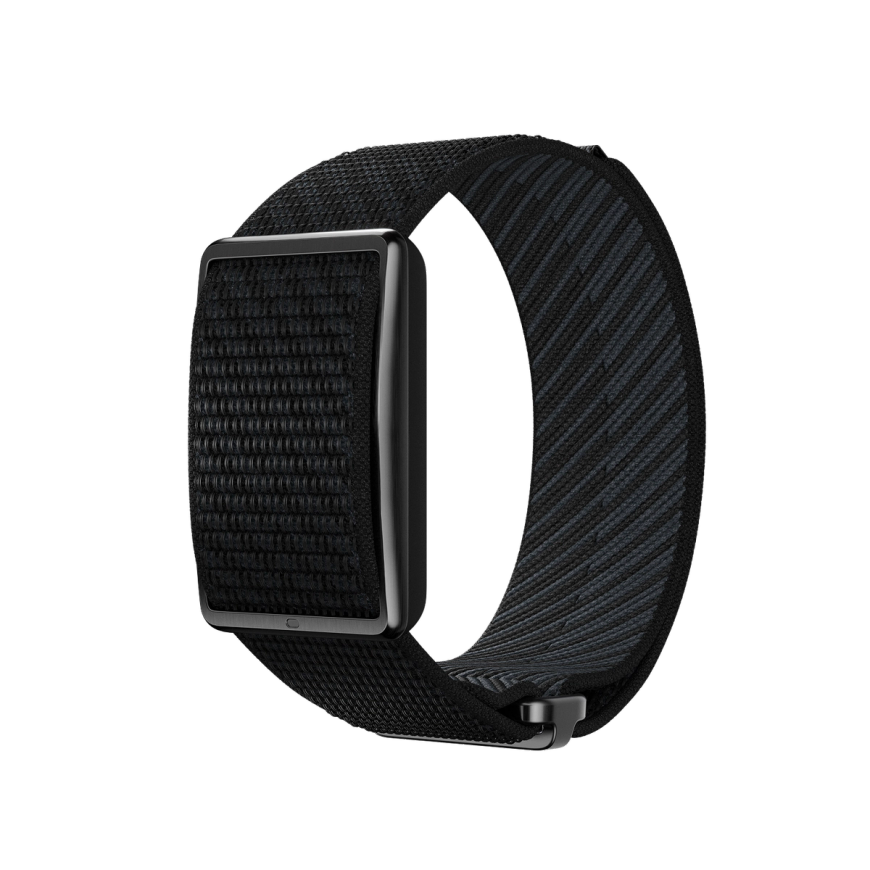
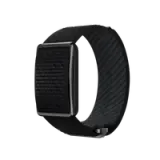
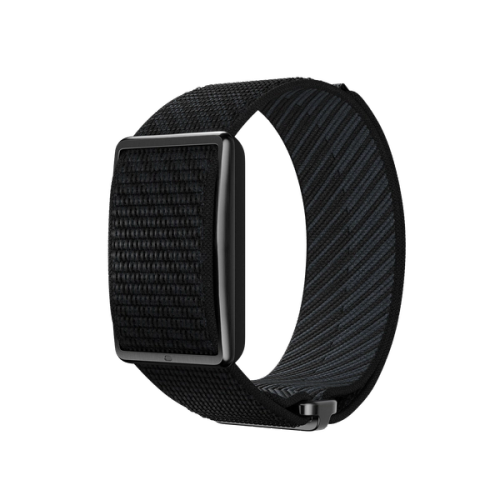
POLAR Loop
Screen-Free Wearable Health Band & Fitness Tracker
POLAR Loop is a screen-free, subscription-free fitness band that helps you sleep better, recover smarter, and stay active—without distractions.
But What Happens When We’ve Overdone It?
Your next race is in a few weeks. But your fitness isn’t where you need it to be. Or your training plan demands the next intensive session — even though the soreness is severe and your body is asking for rest. If you push through your program rigidly, you’re not giving your muscles enough time to heal.
Training through heavy soreness can easily lead to an overuse injury or contribute to overtraining. Certain signs can help you decide whether you can keep training — or whether rest is the right call.
When Should You Rest with Sore Muscles?
Poor Sleep and Heavy Legs
If the next morning brings tears with every step, you can barely stand or sit, and you didn’t get any real rest overnight — give your body more time to recover.
The Soreness Doesn’t Improve with Movement
Normally, muscles feel looser after light aerobic activity such as a brisk walk or an easy swim. If that’s not the case, take a rest day and push the session to the next day.
You Need Pain Relief to Get Through the Day
If your body is so beaten up after training that you need pain medication to function day-to-day — another training session is clearly not the answer.
Soreness Lasts Longer Than 2–3 Days Despite Rest
DOMS often peaks within 24–48 hours. If you’re still in pain after several days, you’ve clearly overdone it. Give your body more time to recover.
Elevated Heart Rate Combined with Mental Stress
You feel highly stressed, daily demands are heavy, your heart rate is elevated, and you just can’t switch off. Consider swapping the next intense session for a relaxed walk, a gentle yoga session, or a warm bath.
When Is It OK to Keep Training with Sore Muscles?
Depending on your age, fitness level, and type of training, the body typically needs around 48–72 hours for full muscle recovery. In endurance sports such as running, you can often resume with an easy session the next day. With strength training, however, you should be more considered — and plan rest days around specific muscle groups.
If you have significant soreness in your back from an upper-body session the day before, wait at least 48 hours before training that area again. But you can keep training by targeting a different muscle group in the meantime.
Reduce Intensity
If the soreness eases as the day progresses, you otherwise feel fit and alert, and no new pain appears during exercise — you can train cautiously. For runners, cross-training activities such as swimming or cycling are ideal. They get the body moving again without adding the stress of another intensive running session.
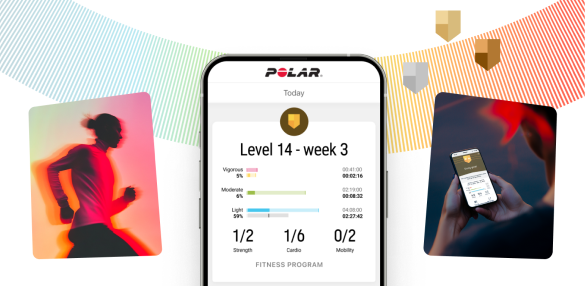
The Polar feature FitSpark™ gives you daily feedback and training recommendations based on your current fitness level, accumulated Cardio Load, and recovery status. The predefined, need-based sessions cover cardio, strength, and supportive training — helping you find the right workout for your current state of readiness.
Get Back to Training Sooner with the Right Recovery
What happens immediately after the session and within the first 24 hours largely determines how long recovery takes. Beyond factors we can’t control — like age and sex — there are several strategies that actively support good recovery.
The S.P.A.S.S. Recovery Rule for Muscle Soreness
After an injury, we often apply the RICE rule (Rest, Ice, Compression, Elevation). For muscle soreness, a different framework applies: Sleep, Protein, Active recovery, Stretching, and Sports drink are the essentials of a smart recovery strategy.
Sleep
Remember resisting naps as a child? Now, on an exhausting day, we dream of just five minutes of shut-eye. After a hard workout, your body craves rest and restorative sleep — and for good reason. A remarkable number of regenerative processes take place during sleep.
Deep Sleep
While you sleep, the body releases growth hormone (GH) — essential for muscle repair and growth. Muscles are repaired and damaged tissue recovers. This crucial hormone production primarily occurs during deep sleep (stages 3 and 4 of non-REM sleep), which is why it’s the most important phase for muscle recovery. Eight to ten hours of sleep after a hard training session is ideal — but at minimum, seven hours is a must.
Sleep Quality
The next day, before your next session, listen to your body and watch for signs of overtraining. If you slept poorly and feel tired and underperforming — even if the soreness has faded — plan an extra rest day. Performance and fatigue can be assessed effectively using the Nightly Recharge™ feature, which shows how well you recovered from the previous day’s training.
Protein Can Shorten Recovery from Muscle Soreness
Protein — and a general intake of high-quality nutrients after training — can significantly reduce recovery time. The timing of nutrition and the ratio of macronutrients consumed can improve recovery and tissue repair and increase muscle protein synthesis (MPS). It can even positively affect mood after intensive training. Around 30g of protein after training is enough to optimize recovery time and maximize endurance performance.
If you’re not keen on protein shakes, reach for foods like quark, Greek yogurt, eggs, legumes, or chicken after training.
Some athletes also use branched-chain amino acids (BCAAs). A study published in the International Journal of Sports Nutrition and Exercise Metabolism found that women who took BCAAs before training experienced less muscle soreness and shorter recovery times.
Active Recovery
Light movement on your rest day — or after particularly severe soreness — can help with blood circulation, improve nutrient delivery to the muscles for repair, and speed up the removal of metabolic waste products. Research shows that active recovery within the first 24 hours after intense training significantly reduces the effects of muscle soreness. A targeted cool-down immediately after your session — such as ten minutes of easy cycling — also supports faster recovery.
Stretching
When you’re already dealing with stiff muscles, a short dynamic stretching session can temporarily help relieve severe soreness. Dynamic stretching moves the joints through their full range of motion and keeps the muscles supple. Arm circles, hip circles, alternating knee raises, leg swings, shoulder rolls — any mobilizing movement that feels good can be done several times throughout the day.
Sports Drinks
Proper hydration after training is essential for muscle recovery and repair. But water alone often isn’t enough. Especially after intense training with significant sweat loss, water should be combined with electrolytes to replenish what was lost.
Electrolytes include minerals such as magnesium, potassium, calcium, and sodium — essential for the nervous system and required during muscle contractions.
A homemade smoothie with berries, banana, and protein, coconut water, or cherry juice may also reduce soreness, thanks to their anti-inflammatory compounds and antioxidants.
Summary
Complete rest with sore muscles is only necessary when the pain hasn’t improved after 2–3 days and overall performance is significantly reduced. That said, always listen to your body, respect adequate recovery time, and when in doubt — do one session less rather than one too many.
Enjoying this article? Subscribe to the Polar Newsletter and get notified when new articles are out.
Subscribe



 POLAR Street X
New
 Polar Vantage M3
 Polar Grit X2 Pro Titan
 Polar Grit X2 Pro
 Polar Grit X2
 Polar Vantage V3
 Polar Ignite 3
 Polar Pacer Pro
 Polar Pacer
Grit X Series
Vantage Series
Pacer Series
Ignite Series