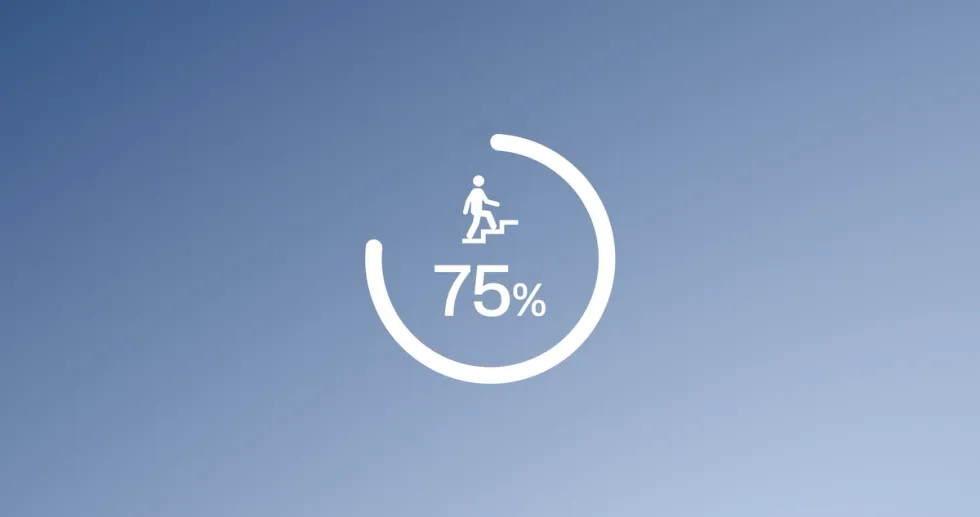
Imagine you planted a garden and started watering it every other day. If you never again took a moment to look closely at the plants and soil, there would likely be things you would miss: the tiny new sprouts, the drier patches, the gradual progress of a long vine. You might even give up tending the garden, thinking nothing is happening. Measuring your physical activity works in the same way. When we don't track our movements, our progress remains mostly invisible, and it's all too easy to feel like our small efforts—the extra flight of stairs or that moment when a walk with the dog turns into a short run—don't actually count.
But they do. Recent research shows that people who embrace fitness tracking are seven times more likely to stay active and stick to their routines long-term than those who don't. Why? Because measuring daily activity means instant, objective feedback, turning micro-developments into data and creating a sense of competence, accountability and motivation.
In this article, we'll peel back the curtain on why these metrics matter for your wellbeing. Breaking down the basics of fitness tracking, we'll explain how specific data points, such as heart rate, can help you build a more sustainable, energized lifestyle. Whether you're curious about the science behind active minutes orlooking for a straightforward way to stay motivated, this overview will show you how small, measurable changes lead to lasting health.
What Measuring Daily Activity Actually Tells You
At its simplest level, measuring physical activity is about removing the guesswork from your wellbeing. We've all had those tiring days, assuming that we've been very active, only to realize from our biofeedback that our exhaustion has more to do with poor sleep than actual movement. Conversely, you might feel that because you didn't carve out a specific time for exercise, you have been sedentary, yet a quick look at your data reveals that cleaning the house and then power walking to the bus stop actually moved the needle more than you thought.
When you use fitness tracking, you're gaining a high definition look at your daily life. It's not just about the total number of steps; it's about understanding the why behind your energy levels. Your data acts as a biological mirror, reflecting three critical things:
- Intensity vs. Volume: A slow stroll and a power walk might cover the same distance, but they affect your body differently. By incorporating heart rate monitoring, you can see when you've pushed your cardiovascular system into a zone that actually strengthens your heart.
- The Inactive Truth: Measuring your movement also identifies those long stretches where you've been stationary. This objective data helps you spot patterns, like the mid-afternoon slump, where a simple five-minute activity break could reset your focus and metabolism.
- Progress Over Time: On days when you lack motivation, your history shows you how far you've come. It turns abstract goals into a tangible streak of 'wins'.
Essentially, the data tells you that every minute counts. It proves that you don't need to train like a professional athlete to make an impact on your health; you just need to be consistent.
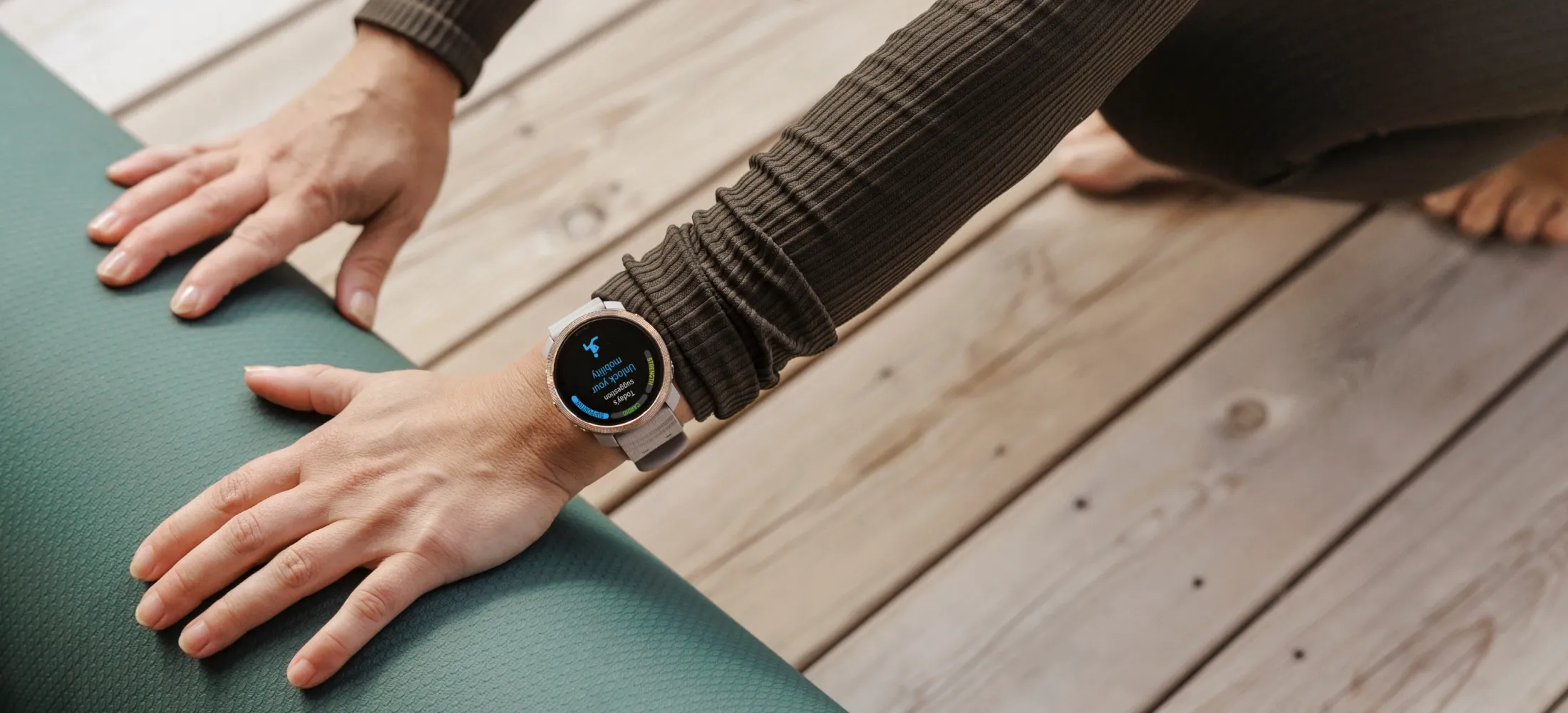
What Should You Measure and Why
If you're new to fitness tracking, the sheer amount of data and terms can feel like learning a new language. You're probably wondering: Should I be obsessed with hitting 10,000 steps? Or should I be watching the clock for my active minutes? The truth is, while both are valuable, they tell very different stories about your health.
Think of steps as your 'volume' of activity. They're a fantastic way to measure physical activity by tracking total movement throughout the day. Tracking steps is perfect for breaking up sedentary behaviour and ensuring you aren't sitting for hours on end. However, as mentioned above, they don't tell the full story of effort. 10,000 slow steps taken while shopping aren't the same as five thousand steps taken during a brisk uphill hike.
This is where active minutes and heart rate monitoring come into play. Active minutes measure 'intensity '—the quality of your movement. When your heart rate rises into a specific zone, your body begins to reap cardiovascular benefits that a casual stroll simply can't provide. By tracking your heart rate, you can see exactly when simple movement turns into exercise. This is incredibly powerful for beginners because it proves that a short, ten-minute burst of high-energy activity can sometimes be more beneficial for your heart than a whole hour of casual wandering.
So what's the best approach?
- Use steps as your daily baseline to ensure you're staying mobile.
- Use active minutes to challenge yourself and improve your fitness levels.
How Measuring Activity Helps Build Better Habits
Building a routine is often the hardest part of any new wellness journey because, at first, the results are invisible. Your mood might be a bit more buoyant after a few days of movement, but you can't 'see' your heart getting stronger or your metabolism shifting. This is where fitness tracking becomes your greatest psychological ally. It takes those invisible internal wins and puts them right on your wrist.
The secret to lasting change isn't a single 'heroic' workout; it's the accumulation of tiny repeatable actions. When you're measuring physical activity, those small choices, like getting off one bus or train stop early and walking to work a little further, suddenly have value. You see your step count climb and your active minutes tick upward in real time. Instead of waiting weeks to see a change in the mirror, you get a hit of satisfaction the moment you hit your daily activity goal.
Consistency is built on these small wins. Data helps you stay honest with yourself, but in a motivating, supportive way. On days when you feel like doing nothing, seeing that you're close to a milestone can be just the nudge you need to jump on your bike instead of the car. Over time, these nudges transform into automatic habits. You stop thinking, "Should I move?" and start thinking, "How am I going to hit my target today?"
By incorporating heart rate monitoring into this habit-building phase, you also learn to listen to your body's signals. You'll start recognizing the feeling of being active in a particular heart rate zone, correlating your effort with the data on your screen. This connection builds confidence, making you more likely to stick with your routine because you finally have a clear, science-backed map of your progress.
undefined
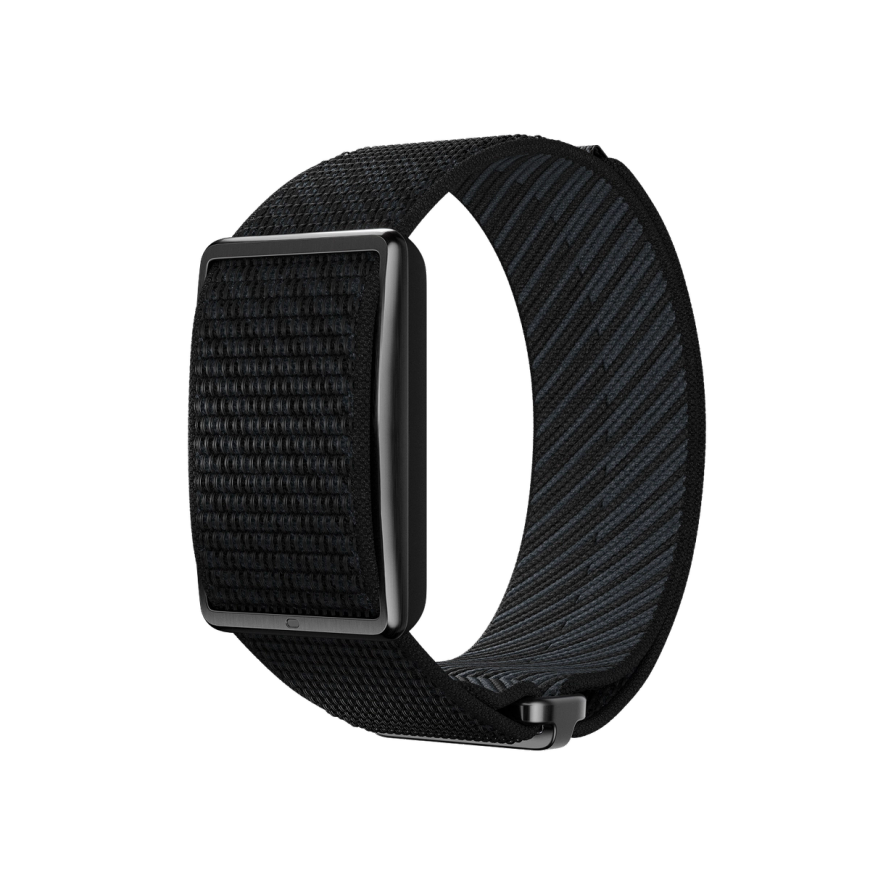
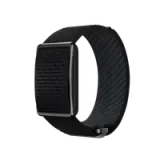
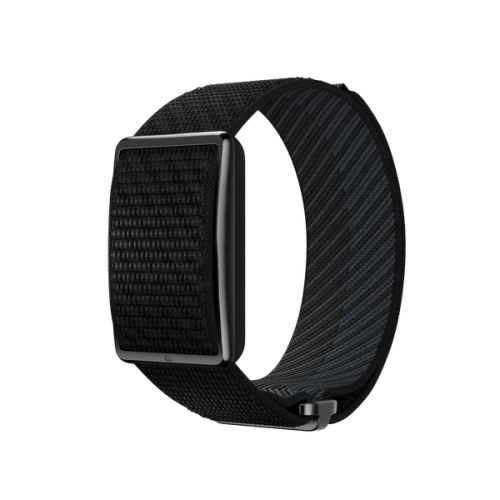
POLAR Loop
Screen-Free Wearable Health Band & Fitness Tracker
POLAR Loop is a screen-free, subscription-free fitness band that helps you sleep better, recover smarter, and stay active—without distractions.
How Daily Activity Data Supports Health Over Time
While hitting your goals today feels great, the true power of measuring physical activity lies in the long-term picture that it paints. Think of your data as a continuous health journal that tracks your trends over weeks, months and years. Over time, this information helps you move away from the 'yo-yo' fitness of trends and toward a sustainable routine that fits your actual life.
One of the biggest benefits of long-term fitness tracking is the ability to identify sedentary patterns. Most of us don't realize how much time we spend sitting until a device nudges us to take an 'activity break'. These small interruptions to sitting aren't just burning calories; they're essential for keeping your metabolism active, your circulation healthy, and your mind focused. By consistently responding to these cues, you're not just finishing a daily task—you're training your body to expect and crave movement.
This consistency is backed by science. As mentioned above, a 2025 study published in BMJ Open found a dramatic link between data and long-term commitment. The researchers found that individuals who used wearables were seven times more likely to maintain their purposeful exercise routines after six months compared to those without them. This suggests that the objective feedback from heart rate monitoring and activity tracking provides a psychological foundation that helps you stay the course, even when life gets busy.
As you collect more data, you also begin to see the 'big picture' of your cardiovascular health. You might notice that your resting heart rate has lowered or that a brisk walk that used to push you into a high-intensity zone now feels easy. These are the milestones that truly matter for longevity. By focusing on these small, sustainable improvements, you ensure that your activity isn't just a fleeting New Year's resolution but a lifelong pillar of your wellbeing.
Small Steps, Lasting Impact
Measuring your movement isn't about achieving perfection or training for a marathon; it's about gaining the clarity you need to lead a more vibrant, energized life. By embracing fitness tracking, you turn the abstract goal of 'getting healthy' into a series of achievable, daily wins. Whether it's hitting a new step milestone or seeing the benefits of heart rate monitoring during a quick afternoon walk, the data you collect today is the foundation for a healthier tomorrow.
Remember, the most successful routines are the ones that stick. As the science shows, simply being aware of your progress makes you significantly more likely to stay consistent. Start small, listen to your body's feedback, and focus on the steady improvements that boost your overall wellbeing.
Ready to see your progress in action? Explore how Polar Loop can help you master the basics of measuring your physical activity and turn your daily movement into a lifelong habit.
Frequently Asked Questions
What is daily activity tracking?
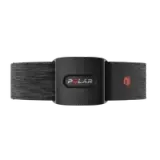
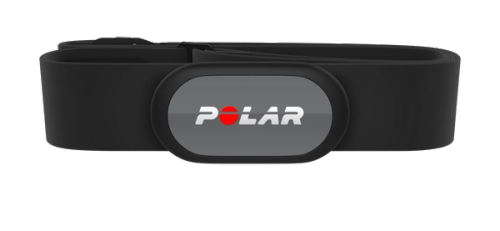
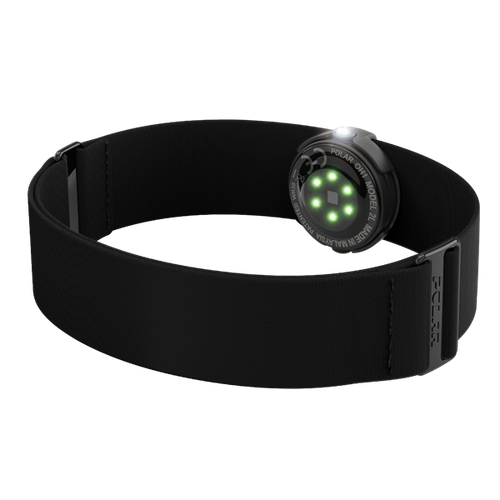
At its heart, this is the process of using technology to capture every movement you make throughout the 24-hour cycle. It goes beyond just recording a workout at the gym; it accounts for the energy you spend while gardening, playing with your kids, or even your quality of rest at night. Using Polar Loop or one of our many heart rate monitors turns physical movement into meaningful data that helps you understand your body's daily rhythm.
Is feeling active the same as being active?
Not necessarily. We often fall into the trap of 'subjective perception,' where a stressful or exhausting day at the office makes us feel like we've been physically active. However, mental fatigue doesn't always equal physical exertion. Measuring physical activity provides an objective truth, showing you whether you actually hit your movement targets or if you simply had a high-stress day that kept you stationary.
Are steps enough to measure activity?
Steps are a fantastic starting point for beginners because they are easy to understand, but they are only one piece of the puzzle. While steps measure your total volume of movement, they don't account for how hard your body is working. To get a complete picture of your health, it's best to combine step counts with other biometrics that track the 'workload' on your system.
How does tracking help build better habits?
Tracking acts as a bridge between your intentions and your actions. It provides 'micro-feedback'—immediate data that validates your effort. Seeing your progress visualized reinforces the behavior, making you more likely to repeat it. This creates a powerful cycle of accountability that eventually turns conscious effort into an automatic part of your daily routine.
What's the difference between steps, active minutes, and calories?
Think of these as three different lenses on the same camera. Steps represent your total distance and movement frequency. Active minutes represent the 'quality' of that movement; they only count when you reach a certain intensity level. Calories are the measure of energy expenditure—the 'fuel' your body burns to perform those movements. While steps tell you how far you went, active minutes and heart rate monitoring tell you how hard you worked, and calories show the metabolic cost of that effort.



 POLAR Street X
New
POLAR Street X
New
 Polar Vantage M3
 Polar Grit X2 Pro Titan
 Polar Grit X2 Pro
 Polar Grit X2
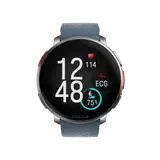 Polar Vantage V3
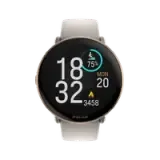 Polar Ignite 3
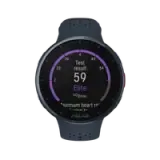 Polar Pacer Pro
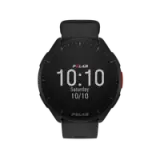 Polar Pacer
Grit X Series
Vantage Series
Pacer Series
Ignite Series
Polar Pacer
Grit X Series
Vantage Series
Pacer Series
Ignite Series