The benefits of high-intensity interval training are well known, and are certainly well documented all over social media. Everyone loves a good post-HIIT session sweaty selfie or humble brag about how many meters you rowed or reps you crushed on #intervaltuesday.
But sometimes, a solid cardio-based, calorie-burning, endurance-boosting workout is just what the doctor – or training plan – ordered. And taking it easy doesn’t necessarily mean it’s going to be easy.
Here’s what Chris Mosier, NASM-certified personal trainer, certified Ironman coach, and All-American athlete on Team USA, says athletes should know about going slow and steady. (Because spoiler: sometimes slow and steady really does help you win the race.)
If you’re a beginner…
Start with 15–20 minutes of steady training. Take five minutes to warm up, increasing to a pace where you’re working but can still speak a full sentence to a friend. Aim to maintain that pace for 10–15 minutes.
If you’re more experienced…
Plan for 40–90 minutes of steady-state training.
What to try
The key to steady state workouts is to spend a moderate amount of time in a moderate training zone. So you’re doing more than just going for a leisurely walk, but you’re certainly not approaching sprint-level speeds.
“Walking, running, hiking, and biking are all great outdoor steady-state training exercises,” says Mosier. “If you’d rather be inside, elliptical machines, stair steppers, and rowers are your best bets.”
Where to do it
“On walks, runs, and bike trips, a mostly flat course is best,” Mosier says. “If you encounter hills, don’t worry about maintaining your speed or pace. Instead, maintain your perceived effort level, even if your pace slows.”
Watch your heart
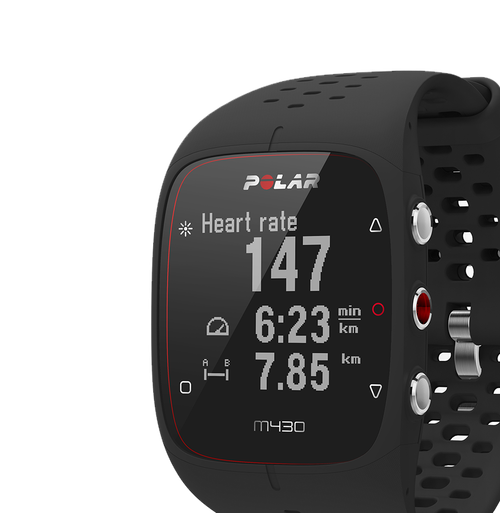
“Aim to maintain about 65–70% of your max heart rate,” says Mosier. (You can set your heart rate monitor to alert you during training if you drop below 65% or go over 70%.)
Take the talk test
“Many people train too hard on their steady-state days and not hard enough on their HIIT days,” says Mosier.
“To get the full benefits, you should be able to say a full sentence during your workout without gasping for breath. But, if you’re able to perform a monologue without coming up for air, you should increase your effort."
Enjoying this article? Subscribe to the Polar Newsletter and get notified when new articles are out.
Subscribe



 POLAR Street X
New
 Polar Vantage M3
 Polar Grit X2 Pro Titan
 Polar Grit X2 Pro
 Polar Grit X2
 Polar Vantage V3
 Polar Ignite 3
 Polar Pacer Pro
 Polar Pacer
Grit X Series
Vantage Series
Pacer Series
Ignite Series