Why pay for an expensive spin class when a free-to-use cardio giant is standing right there? The elliptical trainer can feel like the neglected middle child of the gym floor, but it’s actually the smooth, low-impact workhorse your joints have been begging for.
Name: The Elliptical Trainer (or simply, an elliptical)
Age: A relative youngster. The first elliptical trainer was patented in the US in 1995, based on an analysis of the running motion. Its gym proliferation began in the early 2000s, making it a distinctly millennial phenomenon.
Appearance: A space-dominating tangle of metal, plastic, and screens, often found lurking between the stationary bikes and the terrifying free weights. It looks intimidating until you climb on.
Really? You’ve been standing here for 10 minutes, just kind of wobbling. Everything alright? I'm trying to find my rhythm. It’s supposed to be this perfect, smooth, low-impact glide, but I feel like a newborn giraffe trying to ice skate.
Then why are people obsessed with ellipticals? Because it's a full-body workout without the impact of a treadmill. You get the cardio burn, work your arms via the moving handlebars, and—crucially—you can do it while staring blankly at whatever's on the overhead TV.
So, it’s low impact? Yes, it’s one of the great selling points. Unlike running, where your joints take a pounding with every stride, the elliptical’s gliding motion keeps your feet on the pedals, reducing stress on your knees, hips, and back. The elliptical name comes from the path your foot traces—an ellipse.
What's with all the buttons? It looks like the cockpit of a 747. Ah, the pre-set programs! You’ll probably find there's a 'Hill' program for simulated mountain climbing, an 'Interval' program for high-intensity bursts, and a 'Fat Burn' program, which may or may not be complete pseudoscience. Most ellipticals allow you to vary the incline and the resistance to target different muscle groups.
There’s usually a row of these machines in the gym, right? Absolutely. It’s the Goldilocks of cardio: not too punishing like the rowing machine, not too stationary like an exercise bike, and you can’t accidentally fly off it like Bill Murray does on a stair climber in Lost in Translation.
But it feels kind of easy. Am I doing it wrong? Probably. You should be driving the motion from your glutes and hamstrings, not just letting the machine's momentum move your feet. And if you're holding onto the fixed center bar for dear life, you're only getting a leg workout.
Wait, should I be using those moving handles? Yes! You're robbing your upper body of a workout. The key is to push and pull the handles purposefully—don’t just let your arms dangle. This is how you achieve the holy grail: the full-body cross-training experience.
I've seen some people pedaling backwards. Is that an advanced technique or an attempt at novelty? Both. That’s what’s known as reverse stride. It’s supposed to target your hamstrings and quads a little differently. It switches things up, providing a little relief if you're beginning to feel bored.
This just sounds like a lot of thinking for a machine that looks like you're going nowhere fast. That’s the entire point of the elliptical. You can target your glutes, hamstrings, quads, chest, back, biceps, triceps, and core muscles, yet it feels like you're floating. It's the ultimate fantasy workout. It allows you to pretend you’re running a marathon while enjoying the comfort of minimal impact.
Is there a downside? Yes. It's so smooth that when you step off, you often feel like you have Bambi legs for a few minutes. So, take it easy or you might embarrass yourself.
Do say: "I prefer the natural stride of the elliptical—it’s excellent for activating the posterior chain."
Don't say: "I'm just going to catch up on Severance while I pretend to 'workout'."
Enjoying this article? Subscribe to Polar Journal and get notified when a new Polar Journal issue is out.
Subscribe
undefined
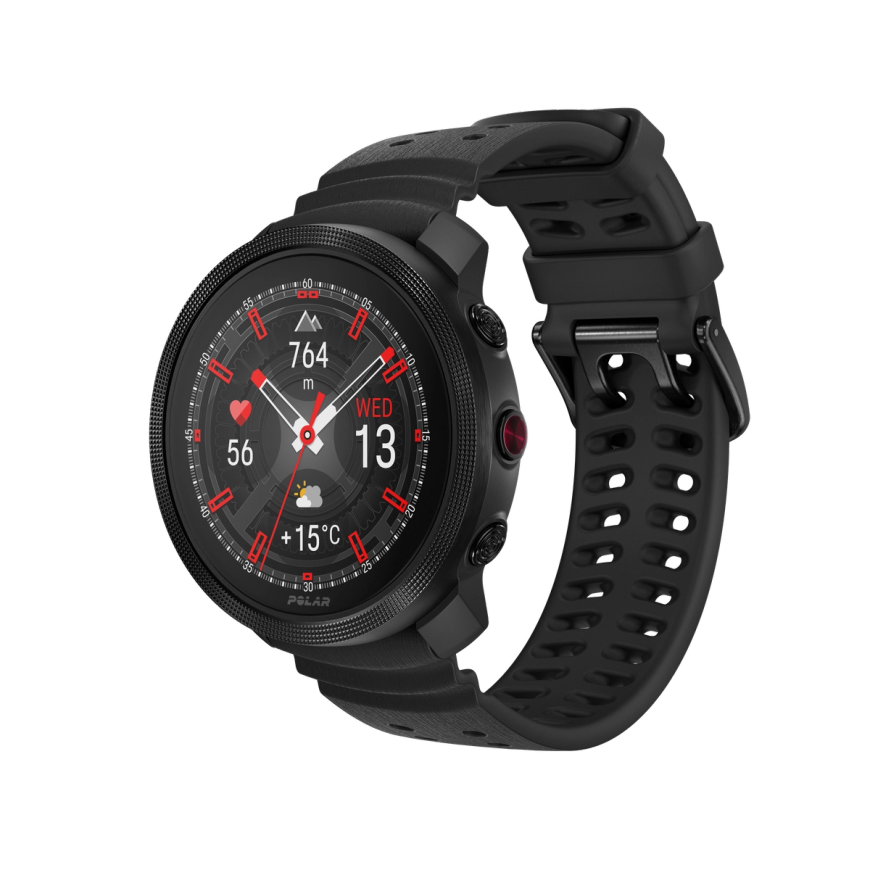
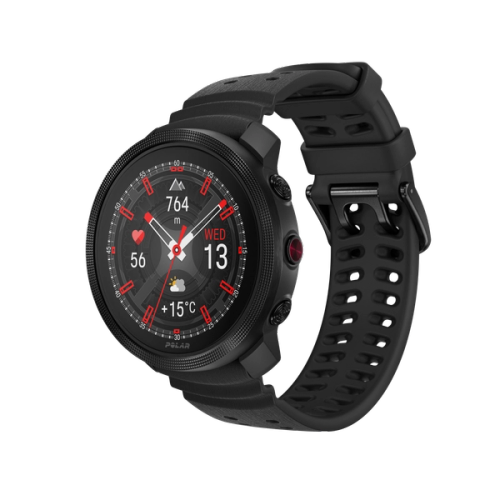
Polar Vantage M3
Smart Multi-Sport Watch
Polar Vantage M3 is a smart multi-sport watch for multi-sport athletes that’s compact yet powerful, stylish yet strong, and designed to bring extraordinary training, sleep and recovery tools into everyday life.
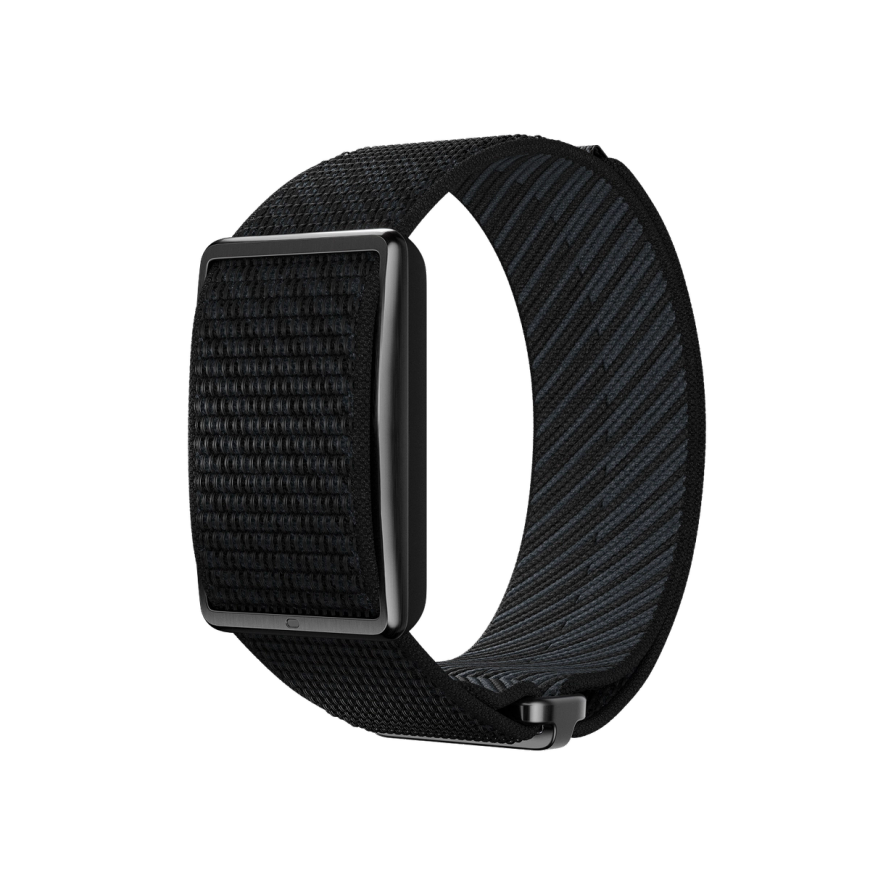
POLAR Loop
Screen-Free Wearable Health Band & Fitness Tracker
POLAR Loop is a screen-free, subscription-free fitness band that helps you sleep better, recover smarter, and stay active—without distractions.



 POLAR Street X
New
POLAR Street X
New
 Polar Vantage M3
 Polar Grit X2 Pro Titan
 Polar Grit X2 Pro
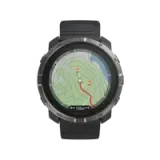 Polar Grit X2
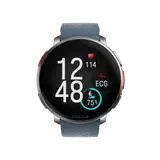 Polar Vantage V3
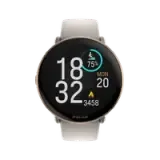 Polar Ignite 3
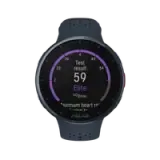 Polar Pacer Pro
 Polar Pacer
 Polar Unite
Grit X Series
Vantage Series
Pacer Series
Ignite Series
Polar Unite
Grit X Series
Vantage Series
Pacer Series
Ignite Series