From unsuccessful workouts to shoddy sleep, there are a handful of sneaky signs you may need a rest day.
For some athletes, the greatest challenge is deciding whether or not to hit the snooze button or go for a run every morning. For some, it’s making the tough call about whether time is better spent doing an interval ride or hitting up happy hour.
But for others – the super ambitious, self-motivated, highly disciplined athletes – the hardest part of training can be knowing when to back off. If you’ve been training hard every day, it can be tough to opt for a day off. That can lead to overtraining, injury, or a lack of progress – all of which are mostly avoidable.
[spotlight]
“There are several signs and symptoms of overtraining that both the athlete and coach can look out for,” says Jonathan Cane, exercise physiologist and founder of City Coach Multisport in New York City.
Here are the seven most common signs.
1. You’re super sore
"It’s one thing to be sore from adding deadlifts to your routine. It’s another to face persistent muscle soreness, beyond what would be expected from your recent workouts," says Cane. "If you’re facing lingering, inexplicable aches, it’s best to give yourself a rest day so your muscles can recover appropriately."
2. Your easy workouts feel hard
"Your coach prescribes a track workout every Tuesday – usually 12 x 400 or 8 x 800 – and usually you’re psyched to give it a go."
"But if you’re struggling – physically or mentally – with workouts that would normally be less challenging, it may be time to take a break and regroup," Cane advises.
3. You’re not hungry
"Normally you’re ravenous, and no post-workout food is safe around you. But if lately your appetite is lacking, that could be a sign that your body needs a break," Cane says.
4. Your heart rate isn’t normal
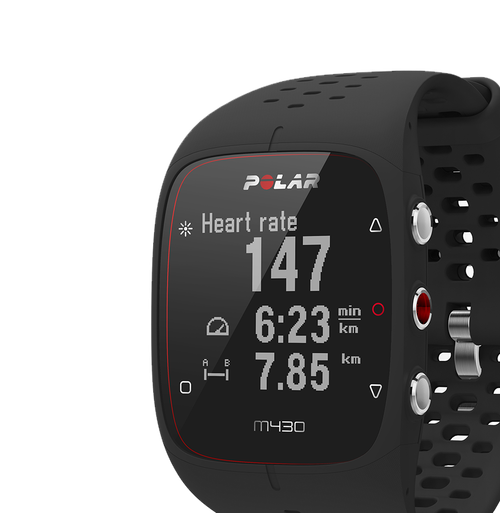
You monitor your heart rate data obsessively (#guilty), so it’s easy to tell when something’s up. Maybe you’re unable to get your heart rate significantly elevated even with a high perceived exertion or maybe you’ve noticed an elevated resting heart rate.
“A lower heart rate at a given speed or power can be a sign of improved conditioning,” says Cane. “But usually the rate of perceived exertion is also lower as fitness improves.”
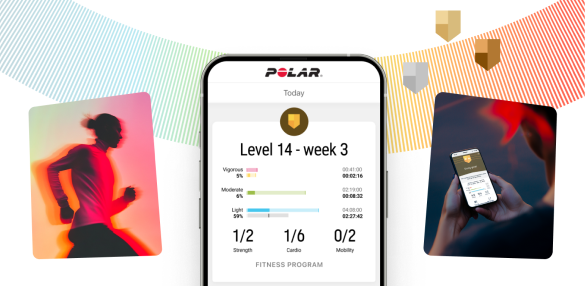
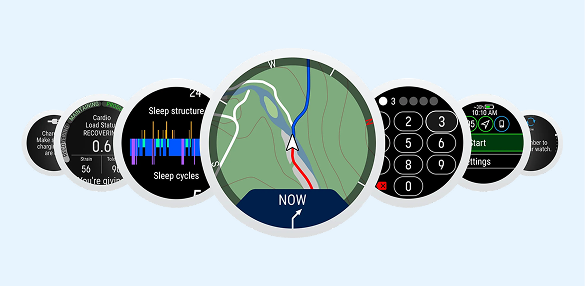
Keep an eye on that ever-important data (that’s what the Polar Flow app is for!) to make sure your heart is in check – and to keep the rest of your body in check, too.
5. You keep getting sick
The harder the body works, the more susceptible it is to illness. (Blame your potentially weakened immune system.)
If you just can’t kick that cold or you find yourself facing infections when you’re normally pretty healthy, see a doctor – and take a day or two off.
6. You’re not sleeping well
You used to get a solid eight interrupted hours. Now you’re having a hard time falling asleep, or you’re tossing and turning all night. This is probably because your nervous system or your hormones are overloaded.
"Keep an eye on your sleep stats – quantity and quality – to ensure you’re as rested as you need to be to keep performing your best," Cane says.
7. You just don’t feel like yourself
Maybe your once-glowing self-esteem is lacking, maybe you’re usually super motivated by now you can’t seem to get out the door, or perhaps you’re feeling depressed. All of these are signs you might just need a little time off.
“If I gave an athlete a rest day every time he or she had one of these symptoms, there wouldn’t be much training going on,” says Cane. “But multiple or repeated signs are probably noteworthy".
Cane says that some athletes benefit from a complete day or two of rest, while others do better with a few active recovery days, or even a week of easy workouts.
“With time and careful analysis, a smart coach or athlete can identify patterns that lead up to that overtraining – and in the future will help avoid it."
Enjoying this article? Subscribe to the Polar Newsletter and get notified when new articles are out.
Subscribe



 POLAR Street X
New
 Polar Vantage M3
 Polar Grit X2 Pro Titan
 Polar Grit X2 Pro
 Polar Grit X2
 Polar Vantage V3
 Polar Ignite 3
 Polar Pacer Pro
 Polar Pacer
Grit X Series
Vantage Series
Pacer Series
Ignite Series