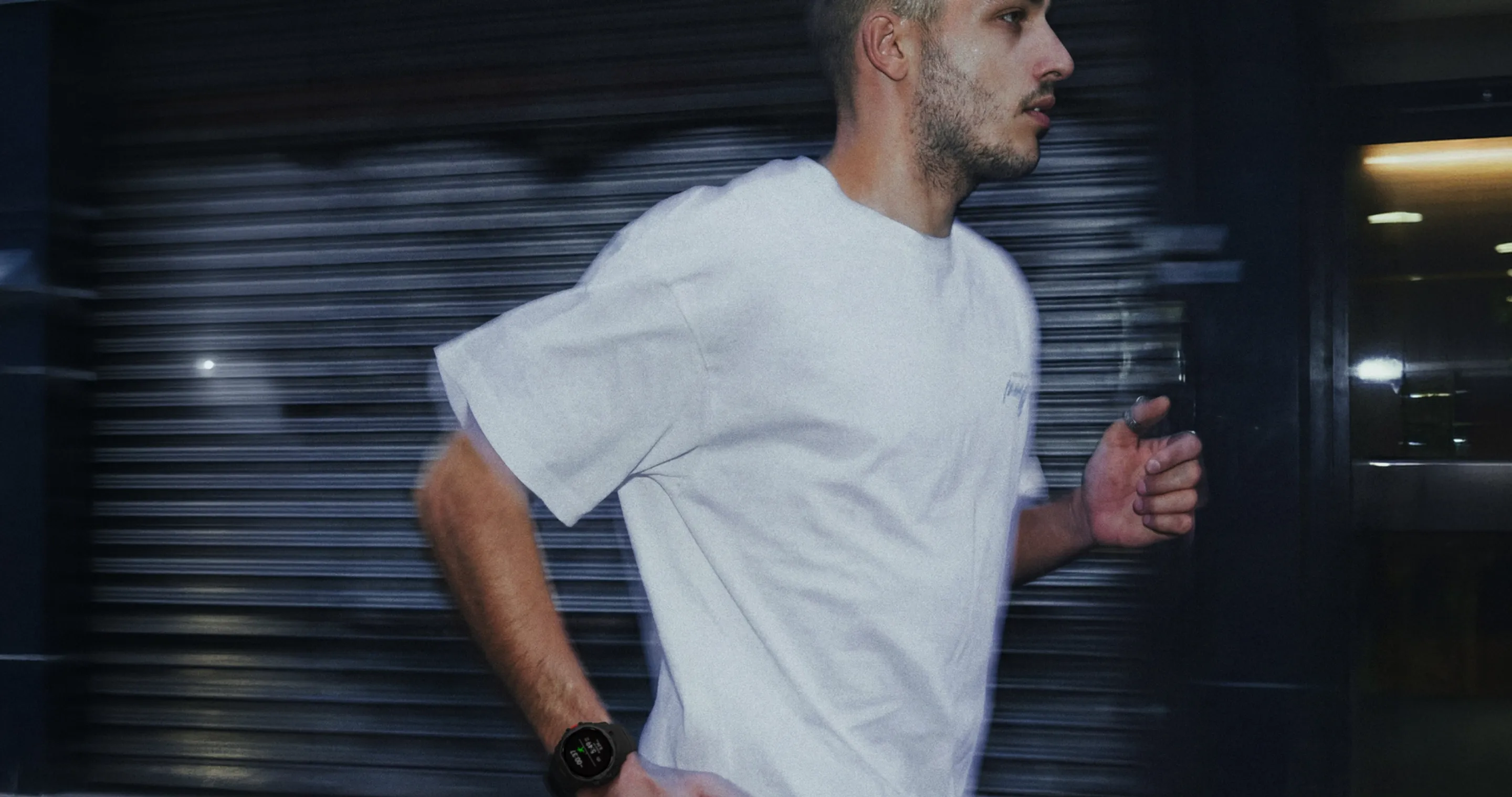
“When I say unsanctioned, the streets are open,” explains Darcy Budworth, founder of Take The Bridge. “We don’t get permission from the cops, so I don’t get permits or anything like that... You show up, and we give you a number of checkpoints and how you hit each of the checkpoints and come back is completely up to you.” Speaking on the Salt and Flickers podcast, Budworth is keen to stress the ‘no frills,’ community-oriented approach of their unsanctioned running races. And indeed, if you check out the photos on their site, you’ll see that the starting line is, quite simply, a line of tape on the ground. No marshalls, no branded advertising, no press. Just a group of enthusiastic runners, keen to get started and a couple of their mates snapping shots on their phones.
If you’ve ever found yourself Googling “why are marathons so expensive?” or searching for underground running races, the idea of a choose-your-own-adventure type of event, sans route and restrictions, will probably pique your interest. Indeed, if orienteering ever had a rebellious inner-city sibling, unsanctioned running would probably be it. But how exactly do these events work? And are they even that safe? Let’s lift the lid (or, should we say, manhole cover) on the running world of no bibs, no boundaries.
What is Unsanctioned Running? Inside the Grassroots Movement
In a nutshell, unsanctioned running is a grassroots movement where participants trade traditional race fees and rules for the raw energy of street racing and urban exploration. These events operate with a looser organizational framework, which is a polite way of saying once you start, it all comes down to you in a totally DIY sense. Your only hope of a water station is likely to be if you happen upon a friend standing outside a local bar.
At its heart, the philosophy is one of radical autonomy. Traditional races are built on a very structured pact: the organizers provide the course, safety, and timing, while the runner provides the effort. Unsanctioned running shreds that contract. Here, the spirit is "well, you figure it out." It is as much a test of street smarts and mental mapping as it is of competitive prowess. The goal isn't just to be the fastest, but to be the most adaptable—to see the city not as a series of barriers, but as a fluid landscape of shortcuts, staircases, and open gaps.
The DNA of this movement can be traced back to New York in the early 2010s. Writer David Alm recalls taking part in one of the first Midnight Half events in May 2012. “As we came off the Manhattan Bridge into Brooklyn, the guys in front jumped a barricade and barreled down an unkept grassy incline to cut maybe 100 meters off the course,” reflecting on his surprise that ‘traditional’ race rules didn’t apply. “It was then that I realized I wasn’t in Kansas anymore. We hadn’t even gone two miles.”
This 'alley cat' philosophy—borrowed from the underground world of bicycle messengers—shifts the focus from performance to navigation. In these races, the 'course' is often just a handful of checkpoints racers need to cross off along the way. How you thread the needle between them is your business. It turns the urban environment into a high-stakes puzzle, where a perfectly timed green light or a savvy dash through a parking lot can be more valuable than a sub-five-minute mile.
That anarchistic sensibility is precisely what fuels the hype behind events like The Speed Project—a “no route, no spectators” 340-mile ultra-relay from LA to Las Vegas that started in 2013. It’s a format that has inspired a global ripple effect. Unsanctioned Athletics, born in the gritty urban corners of Nottingham, UK, has recently expanded its formats across Europe to massive fanfare. Meanwhile, the aforementioned Take The Bridge has successfully exported its model of checkpoint racing from NYC to the national stage.
Ultimately, the spirit of unsanctioned running is about reclaiming the streets. It rejects the commercialization of the sport in favor of something more visceral and temporary. These events exist for a few hours, leave no trace, and offer no medals—just the shared, fleeting knowledge that for one night, you and your crew owned the city.
undefined
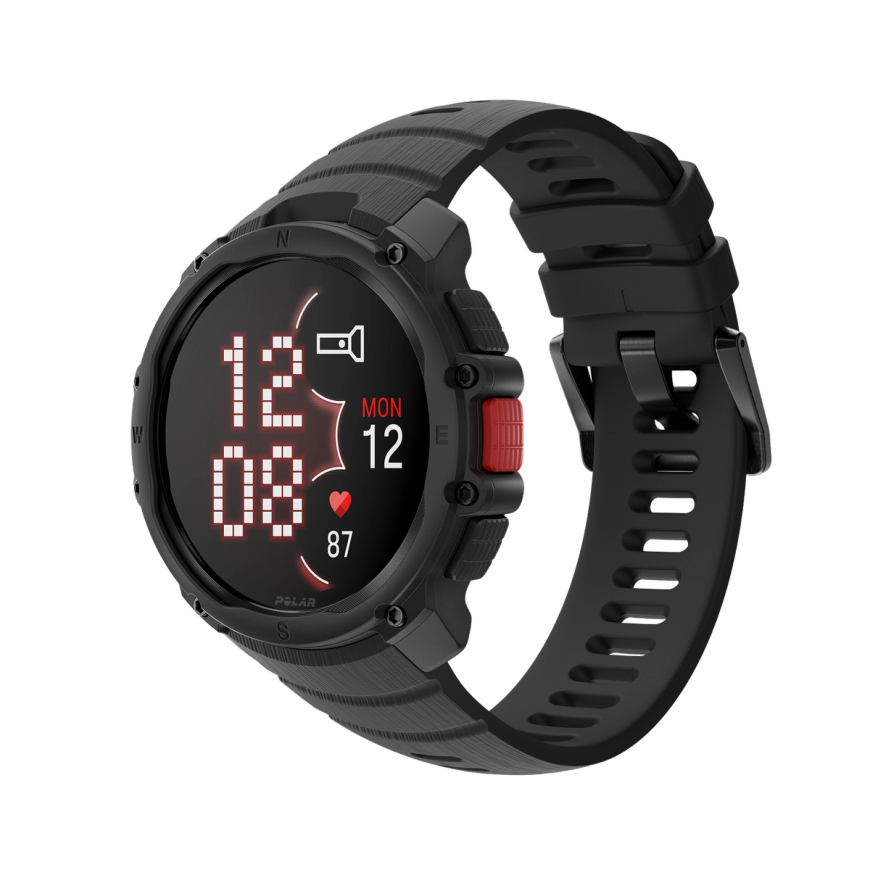
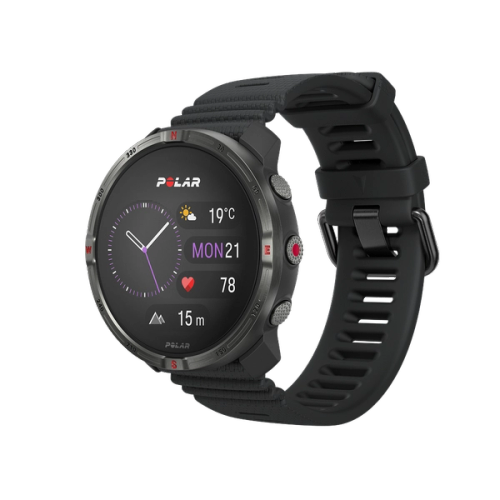
POLAR Street X
The Urban Sports Watch
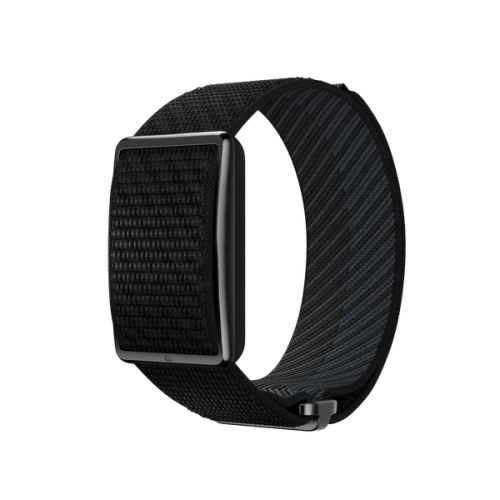
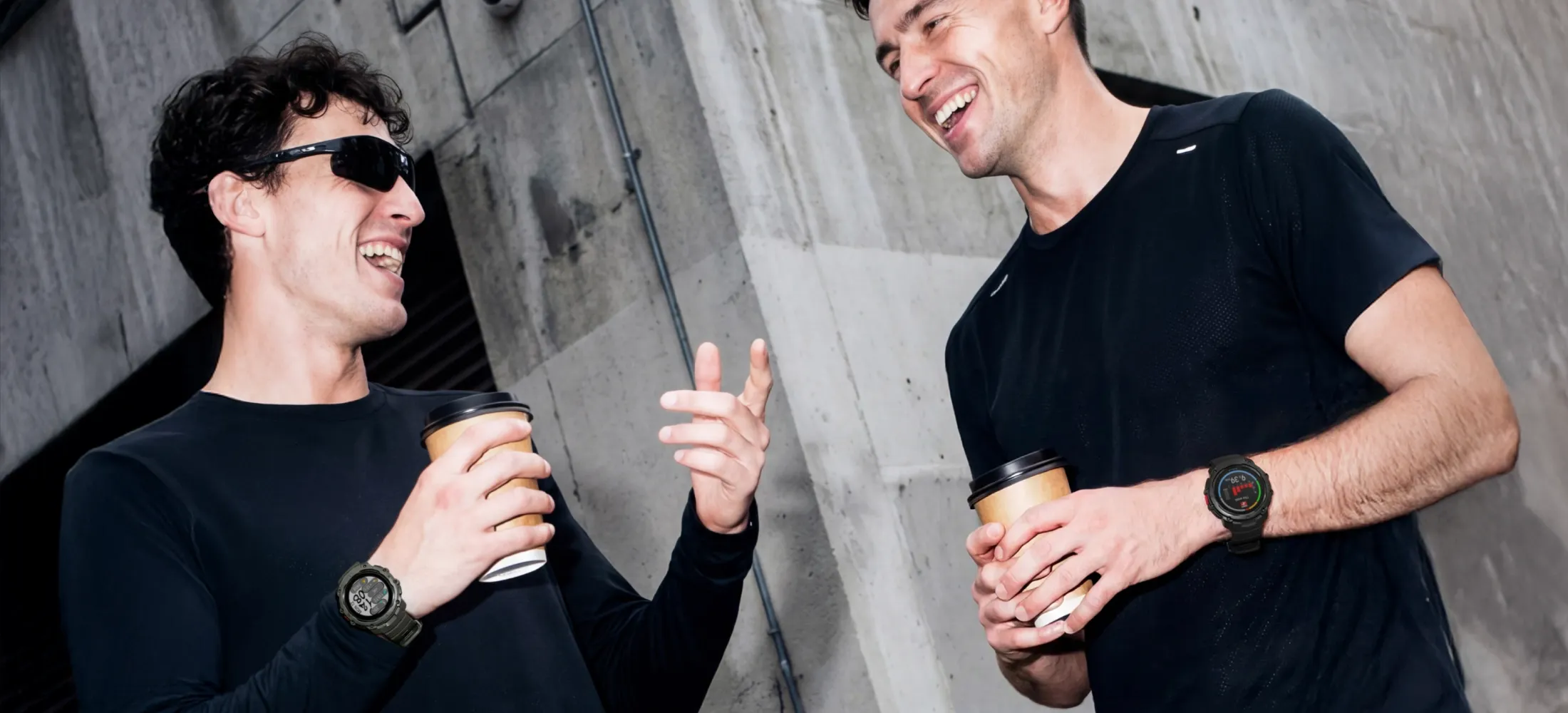
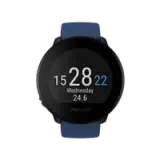
POLAR Street X is the urban sports watch for those who live, work, and train in the city. Tough, lightweight, and always ready, it delivers reliable GPS, a bright AMOLED display, precision heart-rate tracking, and 24/7 shock resistance for training, commuting, and everyday wear.
Community, Creativity, and Autonomy: The Pillars of Alternative Running
If traditional racing is a guided tour, unsanctioned running is a backcountry trek with a concrete skyline. The “no route, no rules” philosophy espoused by many events is a masterclass in autonomy. There is no neon tape to follow and no volunteers pointing the way. You are your own navigator, your own coach, and your own pit crew.
This is where the sport’s creativity truly shines. When a race director simply tells you to hit a few checkpoints and return without a prescribed path, the city becomes a giant, high-stakes puzzle. Do you take a main road and risk the red lights, pedestrians and traffic, or do you gamble on the narrow side street and a potential dead end? This level of self-supported urban exploration requires more than just lung capacity; it requires a mental map and a sharp eye.
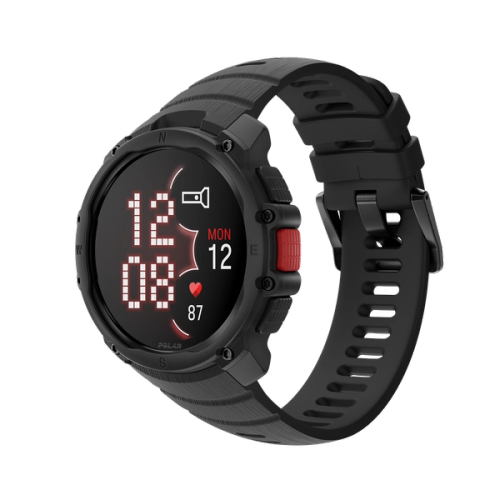
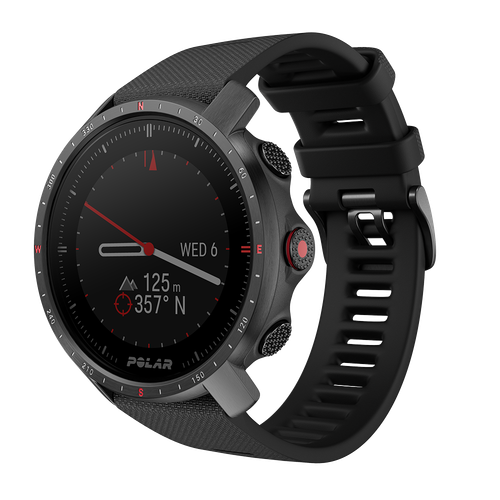
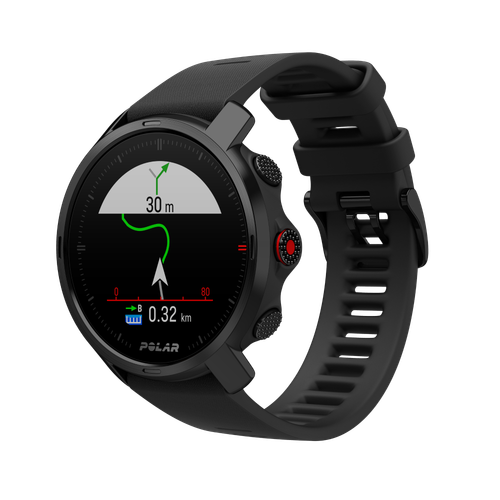
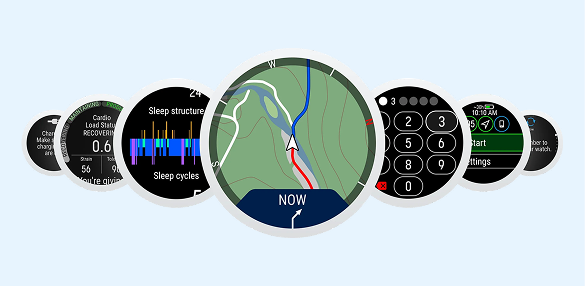
In this environment, your gear ceases to be a luxury and becomes a lifeline. When you’re deep in an unfamiliar neighborhood with no marshals in sight, features such as offline maps and breadcrumb trails on the Polar Grit X2 suddenly transform from ‘nice-to-haves’ into your new survival tools. You aren’t just running; you’re problem-solving at 160 beats per minute.
If this frantic, high-stakes navigation sounds more like an adrenaline rush than a headache, you’ve likely found your people. These days, where life is lived chiefly within the guardrails of schedules and safety permits, the unsanctioned running community is the landing spot for the restless and wild at heart. It’s a collective of runners who find more satisfaction in a gritty, shared struggle than a polished participation trophy. When you’re dodging your way through unfamiliar streets with three people you only met an hour ago, the typical social barriers dissolve. You aren’t just a runner; you’re an accomplice in a brief, beautiful act of urban reclamation.
To truly understand the unsanctioned world, you have to look past the pavement and at the people. You can’t separate the race from the running crew, because in this scene, the crew is the infrastructure.
To truly understand the unsanctioned world, you have to look past the pavement and at the people. You can’t separate the race from the running crew, because in this scene, the crew is the infrastructure. While traditional running clubs might focus on track splits and age-group rankings, these modern crews are social collectives first and athletic teams second. They are the ones scouting the routes, hosting the after-parties that feel like family dinners, and fostering an environment where showing up is more important than standing on a podium.
Finding your tribe in this scene means connecting with people who value the story over the statistics. These are the runners who would rather get lost together in an industrial estate than run a perfect PB on a sanitized loop. It’s a community built on a foundation of mutual trust and ‘eyes up’ running—where the person next to you isn’t a competitor to be dropped, but a partner in a fast-paced game of chess against the city grid. In a traditional race, you are surrounded by thousands of strangers but can feel completely alone; in a crew, you might only be running with ten people, but you are part of a singular, moving organism.
This crew culture is the primary engine of the movement’s growth. These groups—often born on Instagram or through word-of-mouth—provide a sense of safety and street cred that a solo runner simply can't replicate. They are the ones who know which alleyways are well-lit and which corner stores will let you refill a water bottle at midnight. By prioritizing belonging over performance, crews have lowered the barrier to entry for a younger, more diverse generation of runners who may find the stuffy atmosphere of traditional athletics alienating.
If the idea of a ‘choose-your-own-adventure’ sprint through the dark makes your heart race before you even lace up, then you haven’t just found a new way to run; you’ve found the crew that speaks your language. You’ve found a group of people who understand that a run is only as good as the stories you tell about it afterward.
Enjoying this article? Subscribe to Polar Journal and get notified when a new Polar Journal issue is out.
Subscribe
The Urban Environment: Managing Risk on Open Roads
Running through an unsanctioned urban environment feels like a kinetic, high-definition dance with the city itself. It’s a sensory overload where you aren't just moving forward; you’re propelling yourself through a living, breathing machine. There’s a raw, jagged energy to it—the sound of rhythmic footfalls echoing off brick walls and glass towers, and the adrenaline of a brief, calculated dash across an intersection where the city’s flow dictates your pace. This isn't the sanitized, cordoned-off experience of a traditional race; it’s a fluid DIY experience where the terrain is a mix of smooth asphalt, cracked sidewalks, and metal grates.
In this space, you are moving at a different frequency than the rest of the world. While the city shuffles and waits, you are in a state of chaotic flow, reclaiming the grid as a personal playground. However, this cinematic freedom has a sharp edge. The city remains indifferent to your stride, and the course is of your choosing and often fraught with real-world hazards. Whether it’s dodging late-night traffic or navigating the long shadows that stretch between skyscrapers, the physical risks are as real as the pavement under your feet.
To keep this movement sustainable, the 'rebellion' must be balanced with a social contract. The city may be our playground, but that doesn’t entitle us to be bad citizens. Authentic crew culture isn't about causing alarm in public spaces; it’s about operating with enough precision and respect that the city barely knows you were there. It’s a game of cat and mouse against the urban grid—one where staying aware of your surroundings is just as important as your split times.
A ‘Safer Unsanctioned’ Checklist: Balancing Rebellion with Responsibility
The best way to slip under the radar in a way that keeps this movement going is to run with enough precision that the city barely even knows you were there. It’s not about generating chaos but operating with a level of autonomy that makes those red tape permits feel unnecessary. If you’re ready to trade the sanitized competition courses for the raw unpredictability of unsanctioned running, here is how to keep your crew on the right side of the vibe.
1. Don’t Make Other People’s Jobs Harder
The city is a shared ecosystem. Respecting it means recognizing that the security guard at the plaza or the barista at the finish-line cafe is just trying to get through their shift. Avoid high-traffic pedestrian zones where moving at speed looks like aggression to a family on a stroll. The goal is to leave a legacy of awe and intrigue, not a trail of complaints.
2. No Trespassing, Ever
The “no route, no rules” ethos stops at the property line. Jumping a fence for a shortcut might feel thrillingly like a scene from a movie, but it’s the fastest way to get yourself (and potentially the entire community) into trouble. The best route is the one that finds the hidden gaps in public space—the bike paths, the alleyways, and the footbridges—without turning the run into a legal liability.
3. Smaller Groups, Smaller Footprints
There’s a reason the most legendary unsanctioned races feel like secrets. Large crowds draw sirens; small crews draw curiosity. If your community is growing, split into waves or staggered starts. This doesn’t just keep the heat off; it keeps the ‘choose-your-own-adventure’ element alive by preventing a massive, visible marathon of runners that everyone can simply follow.
4. Master Your Digital Safety Net
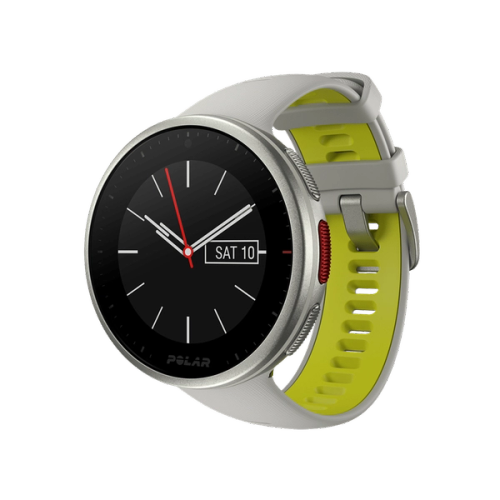
When there are no marshals and no neon tape, you are your own rescue team. This is where your tech becomes more than just a heart rate monitor. Before you hit the pavement, ensure you’ve synced your Polar Grit X2 or Vantage M3 with local offline maps. In a race where the course is up to you, being able to track a breadcrumb trail through a maze of backstreets is the difference between a legendary experience and a very long, very lost walk home.
5. Be Seen (Even When You’re Slipping Under the Radar)
In the twilight world of unsanctioned events, high-visibility gear is non-negotiable. You want to be a ghost to the system, but you need to be a beacon to the guy driving the 10pm delivery truck.
The Freedom of the Uncharted
At the end of the day, the unsanctioned movement is a reminder of why you started doing this in the first place: for the rush, the connection, and the sheer, unadulterated freedom of movement. The truth is, the most memorable miles are rarely the ones with a participation medal; they’re the ones where you took a wrong turn with your best friends and had to find your way back with your own intuition and knowledge of your city.
If your local running scene feels a bit too rigid, maybe it’s time to go off-script. You don’t need a sponsor or a municipal permit to add variety to your training. If there isn’t an underground race in your city or a crew meeting at the local bar, start one. Grab a few mates, pick a landmark three miles away, and agree on a no-route policy to get there. Whether you’re chasing a checkpoint in a bustling city or mapping a new loop through the quiet outskirts of a sleeping town, the world is waiting to be rediscovered.
Just remember: while the spirit is ‘no rules,’ the reality is ‘no excuses.’ When you step away from the safety of the closed course, you take full ownership of your journey. That means moving through the city with respect—staying aware of the traffic around you, honoring the public spaces you pass through, and looking out for the crew running beside you. So, pick a destination and see what happens; the streets are open.



 POLAR Street X
New
POLAR Street X
New
 Polar Vantage M3
 Polar Grit X2 Pro Titan
 Polar Grit X2 Pro
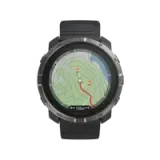 Polar Grit X2
 Polar Vantage V3
 Polar Ignite 3
 Polar Pacer Pro
 Polar Pacer
 Polar Unite
Grit X Series
Vantage Series
Pacer Series
Ignite Series
Polar Unite
Grit X Series
Vantage Series
Pacer Series
Ignite Series