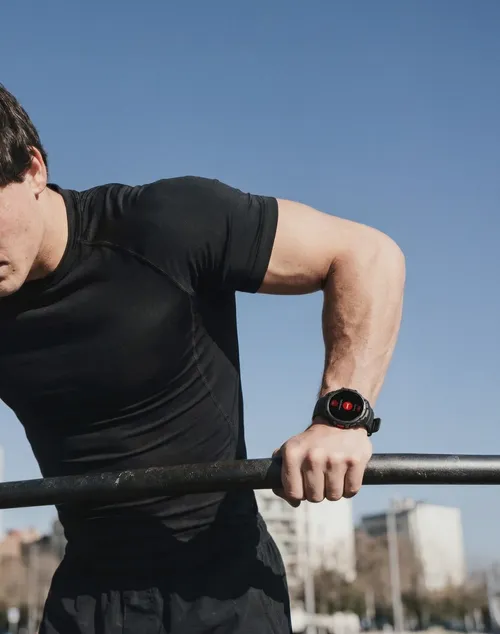
Picture the city around you. Move your mind past all the roads, concrete and glass. Instead, think about it in a different way, maybe how a skateboarder would see it or someone who does parkour, because there's a whole open-air arena out there waiting for you. While you may think building muscle requires an expensive indoor gym pass, you actually already possess the most effective tool for functional fitness: your body.
If you consider yourself a beginner when it comes to calisthenics, then the name might be a mystery. In essence, it's the art of mastering bodyweight strength training through fundamental movements like pushing, pulling, and squatting—no fluorescent gym lights required. For experienced endurance athletes and runners, bodyweight strength training offers you the perfect way to cross-train, improving core stability and power without the friction of a traditional weight-room program. By focusing on calisthenics progression, you can get stronger using nothing but leverage, tempo, and range of motion.
In this guide, we’ll demystify how to startoutdoor strength trainingwithout risking injury or burnout. From mastering the basics to scouting your neighborhood for the perfect 'urban gym,' you'll learn how to turn park benches and railings into a high-performance playground. Whether you're looking for an at-home workout with no equipment or a way to spice up your morning run, it’s time to view the city through a new lens: as your personal, friction-free training space.
What are Calisthenics?
So, do you already have an image in your mind when you think of calisthenics? Is it just someone doing a lot of push-ups? Well, it may surprise you to learn that calisthenics is actually a sophisticated discipline of movement that dates back centuries. To understand why it’s the perfect fit for the urban athlete, we need to look at its roots, its mechanics, and why it is uniquely effective for the human body.
At its core, calisthenics is the art of using your own body weight as a mobile resistance lab. It’s a discipline built on the 'classics'—timeless, compound movements like push-ups, pull-ups, squats, and planks that challenge your muscles to work in harmony. While these moves might seem simple, they are the foundational bricks of a high-performance physique, allowing you to build incredible strength and stability without ever needing to pick up a single dumbbell.

Enjoying this article? Subscribe to Polar Journal and get notified when a new Polar Journal issue is out.
Subscribe
The Philosophy
The word calisthenics is derived from the Ancient Greek words kallos (beauty) and sthenos (strength). This etymology suggests that the practice is about more than just sweating; it's about the "beautiful strength" found in mastering one’s own body.
While traditional gym workouts can often feel like a chore or a series of isolated tasks, calisthenics is a mastery of the self. It transforms exercise into a discipline where the goal isn't just to lift a heavier weight, but to move with more grace, control, and efficiency.
Functional vs. Isolated Strength
One of the primary differences between calisthenics and traditional bodybuilding is how they treat the muscular system.
- Weightlifting: Often focuses on isolated strength, using machines or benches to target a single muscle (like a bicep curl or a leg extension).
- Calisthenics: Prioritizes functional movement patterns, teaching the body to work as a unified system.
By performing compound movements, you develop intermuscular coordination—the ability of different muscle groups to fire in perfect sync. For runners and endurance athletes, this is a game-changer. It builds relative strength (strength in relation to your body weight), ensuring you are powerful and lean rather than carrying 'dead weight' that doesn't contribute to your movement.
Beyond just building a leaner frame, the benefits of this unified approach to training include:
- Total Scalability: Whether you’re performing your first incline push-up against a park bench or mastering a pull-up, every exercise can be adjusted to your exact level by simply changing your body angle or tempo.
- Minimalist & Friction-Free: With zero equipment required, your 'gym' is always open. You can integrate 'movement snacks' into your workday or a full circuit into your morning run without needing a locker room or a commute.
- Built-in Injury Prevention: Because calisthenics emphasizes joint stability and core control, it builds the structural integrity needed to handle the repetitive impact of endurance sports, keeping you on the road and out of the physical therapist's office.
- Functional Carryover: Unlike isolated machines, these movements mimic real-world demands. You aren't just training to look better; you’re training for better posture, more efficient running mechanics, and effortless everyday mobility.
Closed Kinetic Chain (CKC)
Technically speaking, most calisthenics exercises are Closed Kinetic Chain (CKC) movements. This means your hands or feet are fixed to a non-movable object—like the ground, a pull-up bar, or a park bench—and you move your body through space.
This is a critical distinction for anyone worried about longevity or joint health. CKC exercises are scientifically recognized for:
- Joint Stability: They recruit stabilizing muscles around the joints, making them safer and more 'natural' than open-chain exercises (where you move a weight away from your body).
- Functional Carryover: Because these movements mimic real-world actions—like climbing a ledge or pushing open a heavy door—the strength you build translates directly to daily life and sport.

undefined

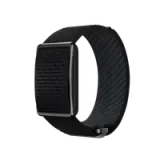
POLAR Street X
The Urban Sports Watch
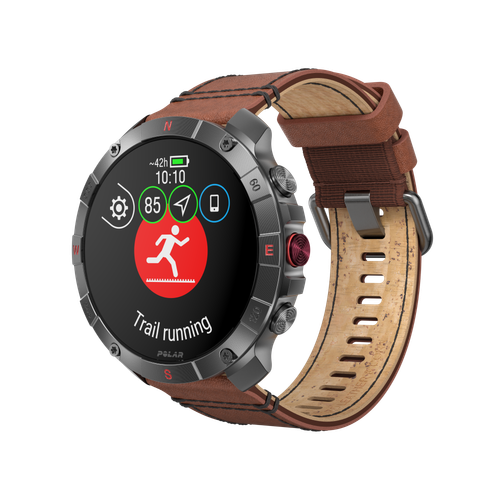
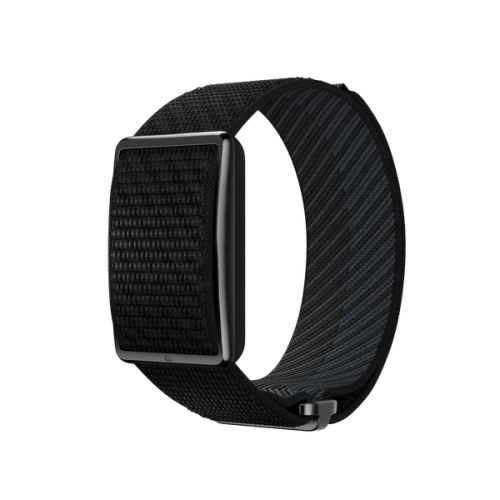
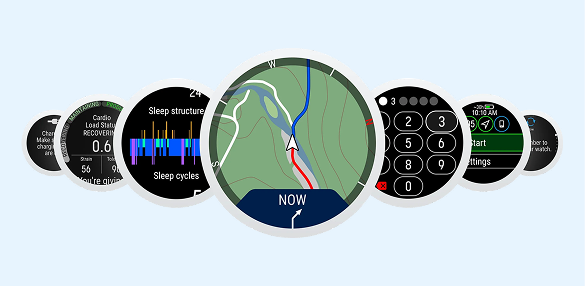
POLAR Street X is the urban sports watch for those who live, work, and train in the city. Tough, lightweight, and always ready, it delivers reliable GPS, a bright AMOLED display, precision heart-rate tracking, and 24/7 shock resistance for training, commuting, and everyday wear.
The Basics: Your Five Pillars of Movement
The good news is that you don't need fifty different exercises to get strong with calisthenics. You need five high-quality movement patterns performed with intention. These 'basics' form the bedrock of calisthenics for beginners, ensuring you build a balanced physique while protecting your joints.
1. The Push (Target: Chest, Shoulders, Triceps)
- The Movement: The Push-up.
- The Goal: Keeping a straight line from head to heels (plank position) while lowering your chest to the ground or an elevated surface.
- Urban Adaptation: If a floor push-up is too difficult, use a park bench or a sturdy railing to elevate your hands. The higher the surface, the easier the movement.
2. The Pull (Target: Back, Biceps, Forearms)
- The Movement: The Row or Pull-up.
- The Goal: Pulling your chest toward a bar or handle. This is the most vital movement for counteracting the slump that occurs from a lot of desk work.
- Urban Adaptation: Find a low bar at a playground for Australian Rows (lean back with feet on the ground, pull yourself up) or use a sturdy fence to perform doorway-style rows (lean back with your hands on the frame, pull yourself forward).
3. The Squat (Target: Quads, Glutes, Hamstrings)
- The Movement: The Air Squat.
- The Goal: Sitting back into your hips while keeping your chest up and heels glued to the ground.
- Urban Adaptation: Use a curb for elevated squats (lifted heels) to increase your range of motion, or a bench for box squats (lower onto the bench) if you are still building balance.
4. The Hinge (Target: Hamstrings, Glutes, Lower Back)
- The Movement: The Glute Bridge or Single-Leg Deadlift.
- The Goal: Folding at the hips rather than the waist to engage the posterior chain.
- Urban Adaptation: A flat patch of grass in a park is perfect for glute bridges. As you progress, try a single-leg hinge while lightly holding a lamppost for balance.
5. The Core Control (Target: Entire Midsection)
- The Movement: The Plank or Hollow Hold.
- The Goal: Creating total-body tension to protect the spine.
- Urban Adaptation: Use the 'movement snack' approach—hold a 30-second plank against a park table while waiting for a friend or mid-run.
Mastering Progression: How to Get Stronger Without Weights
In a traditional gym, you get stronger by adding more plates to the bar. In the urban gym, we use 'Mechanical Advantage.' That means you can increase the difficulty of any of the basics above by manipulating these three variables:
- Leverage: Changing the angle of your body. (Example: Moving from push-ups on a bench to push-ups on the flat ground).
- Tempo: Slowing down the movement, especially the lowering phase (the 'eccentric'), to increase time under tension.
- Range of Motion: Deepening the movement (squatting lower or pulling higher) to recruit more muscle fibers.
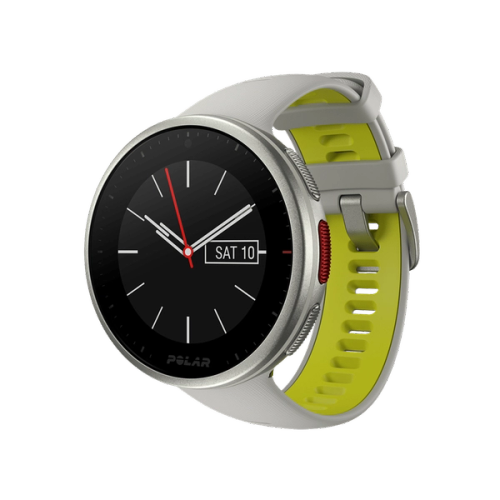
Pro Tip: Use your Polar Vantage M3 to monitor your heart rate during these sets. Even though you aren't running, 'strength-cardio' loops can spike your HR. Staying in heart rate zones 2 or 3 during your basics helps you build aerobic capacity alongside strength.
Frequency, Intensity, and Recovery: Building Your Rhythm
The beauty of calisthenics is its flexibility. You don’t need a 90-minute block of time to see results. Instead, you can focus on consistency and listening to your body’s data to guide your progress.
How Often: The 2–3 Session Rule
For most beginners, two to three dedicated strength sessions per week is the sweet spot. This frequency provides enough stimulus to trigger muscle growth and neurological adaptation while leaving plenty of room for your primary sport, whether that’s running, cycling or something else.
- The Full Session (30–45 mins): A dedicated circuit of the Five Pillars (Push, Pull, Squat, Hinge, Core).
- The Movement Snack (5–10 mins): On off-days, perform one set of push-ups or lunges during a lunch break. These 'snacks' keep your joints lubricated and reinforce good movement patterns without adding significant training load.
How Hard: Training with Intention
In bodyweight training, it’s easy to go through the motions. To get stronger, you must focus on time under tension. Instead of rushing through 20 fast push-ups, try 10 slow and controlled reps—taking three seconds to lower and one second to explode up.
- RPE (Rate of Perceived Exertion): Aim for an 8 out of 10. You should finish a set feeling like you could have done two more reps with perfect form, but no more.
- Heart Rate Guidance: While calisthenics is strength-focused, your heart rate will fluctuate. Using heart rate tracking allows you to monitor these spikes. If your heart rate stays elevated for too long between sets, extend your rest to ensure your next set is high-quality.
How to Recover: Avoiding the Soreness Trap
Newcomers often quit because they overdo it on Day 1 and can’t move on Day 3. To avoid excessive soreness or shoulder pain, you should:
- Prioritize the Eccentric: Focus on the lowering part of the movement; this is where strength is built, but also where most soreness begins. Control it, don't drop through it.
- Monitor Your Sleep and HRV: Use your Recovery Insights to see how your nervous system is responding to the new stimulus. If your recovery score is low, swap a high-intensity session for a gentle walk or mobility work.
- Hydration & Protein: Even though you aren't lifting heavy iron, your muscles need the building blocks to repair.
The Urban Gym Loop: A Playful Strength-Cardio Circuit
Want to eliminate the difference (and perhaps, should we say, friction?) between 'life' and 'training'. Create your own Urban Gym Loop by turning a standard three-kilometer walk or run into a functional fitness adventure. This is where you blend your endurance base with the five pillars of calisthenics.
How it Works
Choose a 'loop' in your neighborhood—perhaps a path through a local park or a specific set of city blocks. As you move through the loop (running, power walking, or cycling), stop at specific urban landmarks to complete a 'station' of strength work.
The Protocol:
- The Travel: 3–5 minutes of Zone 2 cardio (easy run or brisk walk) between stations.
- The Station: One set of a calisthenics movement performed to a technical 8/10 effort.
- The Rest: Minimal. The transition back into your run is your recovery.
Training Safely and Responsibly
The city is a shared space. To be a good citizen of the urban gym, remember to:
- Check for Stability: Before putting your weight on a railing or bench, give it a shake to test it.
- Be Mindful of Others: Choose spots that don't block pedestrian traffic or take away seating from those who need it.
- Check the Surface: Wet metal railings or mossy stone walls can be slippery. Test your grip before committing to a movement.
Track Your Progress
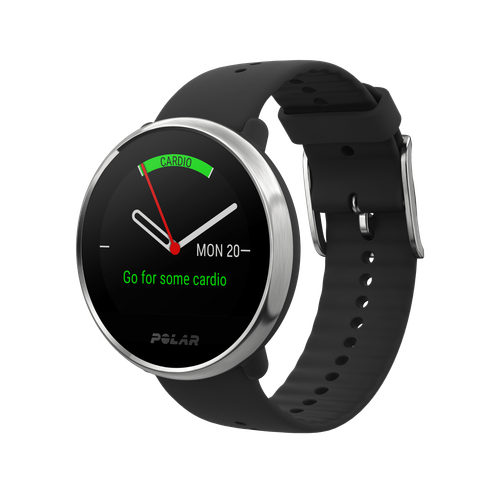
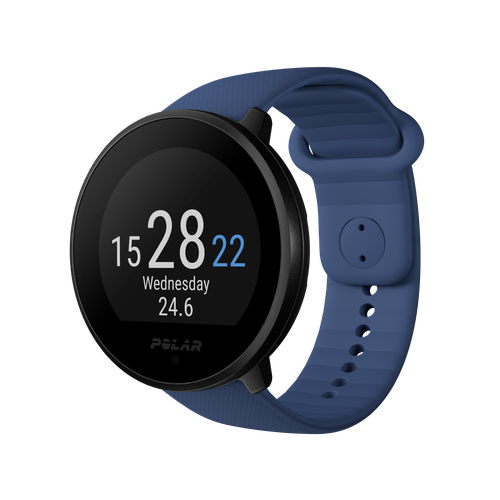
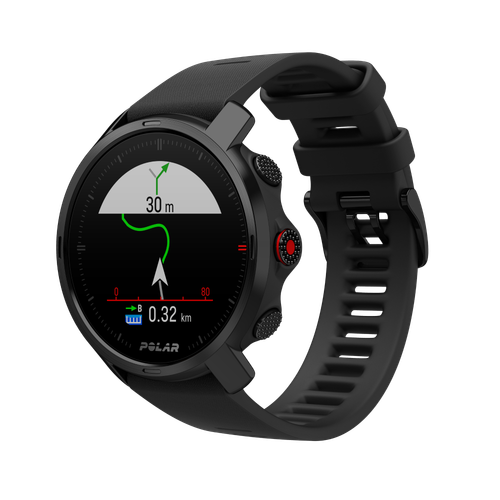
In addition to the Calisthenics, with Polar Watches, you can select Multisport or Circuit Training session in your sports profiles. Watch how your heart rate recovers during the cardio segments after a challenging strength station. Over time, you’ll notice your recovery curve getting steeper—a sure sign that your functional fitness is leveling up.
The City is Your Canvas
Strength is often sold as something elite, accessible only to those with a certain level of know-how, training, and diet. But the truth is much simpler: it is a relationship between you and the world around you. By embracing calisthenics, you strip away the barriers of memberships and equipment, leaving only the raw potential of your own body and the architecture of your city.
Every park bench is a chance to get stronger; every staircase is an invitation to move faster. As you master the basics of leverage and control, you’ll find that the 'urban gym' isn’t just a workout—it’s a way of reclaiming your environment. Whether you are a runner looking for that extra edge or a beginner taking your first steps toward fitness, remember that the most sophisticated piece of training equipment ever created is the one you’re standing in right now. It’s time to go out and find your beautiful strength.



 POLAR Street X
New
POLAR Street X
New
 Polar Vantage M3
 Polar Grit X2 Pro Titan
 Polar Grit X2 Pro
 Polar Grit X2
 Polar Vantage V3
 Polar Ignite 3
 Polar Pacer Pro
 Polar Pacer
 Polar Unite
Grit X Series
Vantage Series
Pacer Series
Ignite Series
Polar Unite
Grit X Series
Vantage Series
Pacer Series
Ignite Series