For over a decade, my morning started with a specific kind of electricity. Whether I was whizzing through the narrow backstreets of London on two wheels or sauntering along the pavement on foot, those miles were more than just a transit route—they were an adventure. There was a grit and a grace to it; the cold air hitting my face at 8am, the rhythmic pulse of the city, the other cyclists I would chat with en route and that quiet sense of triumph when I arrived at the office, already feeling like I’d won the day. It was a much-loved ritual that I simply took for granted.
Then the world changed. Since the pandemic, like so many of us, my work life has shifted. My transition into work mode has become a ten-second walk from my kitchen to my desk. And while I certainly don't miss the expensive train fares or the soul-crushing experience of being packed into a humid Underground carriage, I’ve come to a startling realization: I genuinely miss my active commute.
By losing that journey, I didn't just lose the daily miles; I lost the vital bookends of my day. I lost that physical space that let me gear up for a challenge and, more importantly, the space that allowed me to let go of work before walking into my living room.
Now, this isn't a plea for us all to rush back to the office full-time. We are in a new era of flexibility, and that’s a good thing. But it has made me think about how active commuting is perhaps the most accessible, efficient, science-backed way to transform your body and mind without ever having to set foot in a traditional gym. It’s about more than just fitness; it’s about productivity, mental clarity, and finding a balance that actually sticks. If you’ve been feeling a little stagnant lately, it might be time to stop viewing the commute as 'wasted time' and start seeing it for what it truly is: the cure for the modern workday.
Building a routine: Benefits of being more active
When I talk to people about why they don’t exercise more, the answer is almost never a lack of desire—it’s a lack of time. We’ve all been there: you plan to hit the gym after work, but then a meeting runs late, the traffic is a nightmare, and by the time you get home, the last thing you want to do is head back out into the cold. This is precisely where the active commute becomes your secret weapon.
The beauty of the active commute is that it transforms a sedentary necessity into functional fitness. Instead of battling motivation or trying to carve out a random hour in a packed schedule, you’re simply habit-stacking your exercise onto a journey you have to take anyway. It’s the simple way to hit WHO’s recommendation of 150–300 minutes of moderate activity per week without ever feeling like you’re adding to your to-do list.
Once I made the switch, the mental burden of finding time to train simply evaporated. On the days I cycled or walked, I often hit my daily activity goals before my first morning coffee, providing a rare sense of peace that no matter how chaotic the afternoon becomes, the exercise box is already checked. By anchoring your fitness to your professional clock, consistency becomes the default, letting your commute do some of the heavy lifting for your health.
Even on the days when I didn't feel up for 'working out', getting off the bus a few stops early for a slightly longer walk to work, or a very chilled cycle felt manageable. It’s a sustainable way to build an aerobic base without the burnout of high-intensity gym sessions.
Even on the days when I didn't feel up for 'working out', getting off the bus a few stops early for a slightly longer walk to work, or a very chilled cycle felt manageable. It’s a sustainable way to build an aerobic base without the burnout of high-intensity gym sessions. Over time, these active minutes accumulate into a massive volume of movement that most people struggle to fit into an average day. By the time Friday rolls around, you haven’t just survived the work week—you’ve built a foundation of health without ever having to set foot in a spin class.
Enjoying this article? Subscribe to Polar Journal and get notified when a new Polar Journal issue is out.
Subscribe
Mental Health, Sleep and Active Commuting
One of the most transformative things I discovered when I swapped the bus for a bike helmet wasn’t just a change in my fitness, but a total shift in my mental landscape. You probably don’t need reminding that we live in an era where we are constantly 'on,' moving from the blue light of our smartphones to the glare of our office monitors with almost no transition. This is where the active commute steps in as a vital mental decompression zone.
When you are driving or squeezed onto a crowded train, your brain is often in a state of passive stress. You’re reacting to traffic or delays, and your nervous system remains on high alert. But when you walk, run, or cycle, you’re creating a deliberate physical buffer between your two worlds. I started thinking of my morning ride as a soft launch for my brain and my evening stroll as a clear time to switch off. It really is a sacred window where you aren't an employee, partner or parent—you’re just a person in motion.
This 'unplugged' movement does more than just clear your head; it sets the stage for better sleep. By its very nature, active commuting forces a digital detox. In 2026, a 40-minute window where you cannot check your email or Insta feed is a rare luxury. This lack of digital stimulation allows the mind to enter a 'flow state,' where the rhythmic nature of the movement acts as a form of moving meditation.
So, how does active commuting impact Nightly Recharge™ and sleep quality? The answer lies in ANS Recovery (that's your Autonomic Nervous System). Our bodies need to switch from the 'fight or flight' sympathetic state of the office to the 'rest and digest' parasympathetic state to recover. When I'd catch the bus or train home, I'd arrive home still wired from work, with my heart rate remaining elevated for hours. However, when I used an active commute as a decompression zone, I’d physically process the day’s stress.
By the time I'd head to bed, my body had already finished its stress-processing work. This would lead to a much faster drop in sleeping heart rate and a more robust Nightly Recharge score. My sleep wouldn't just be longer—it would be deeper. The physical exertion provided the sleep pressure I needed, while the mental decompression ensured my mind wasn't racing (well, most days anyway). Who would have thought that the best way to wake up feeling refreshed would be to start your recovery on the commute home?
undefined
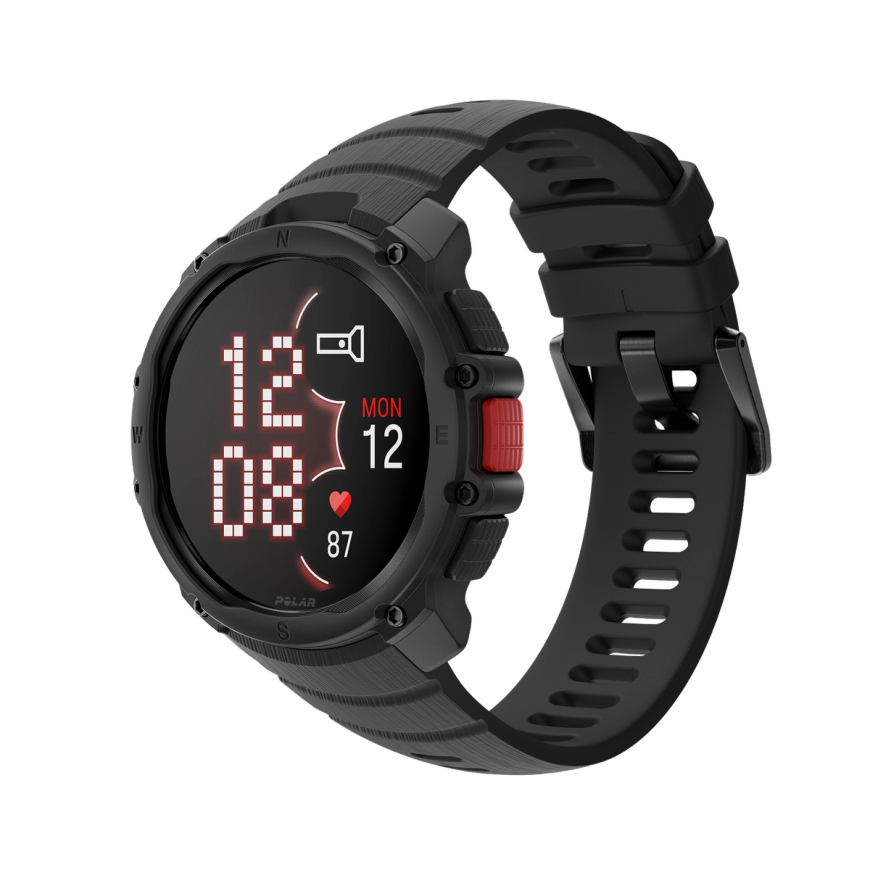
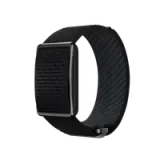
POLAR Street X
The Urban Sports Watch
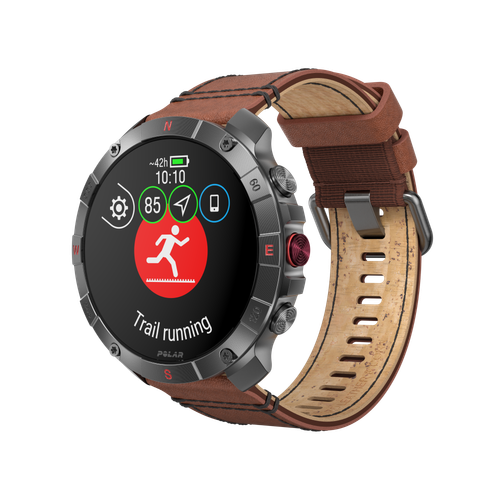
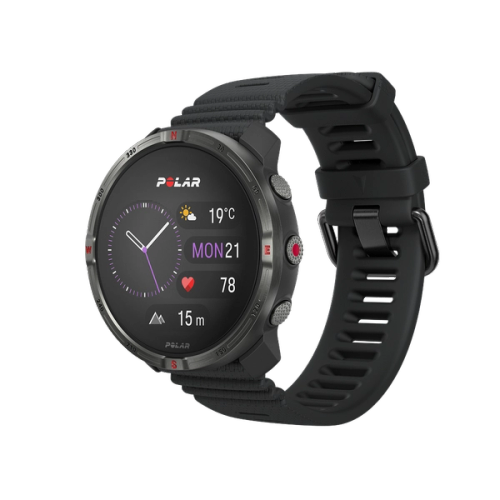
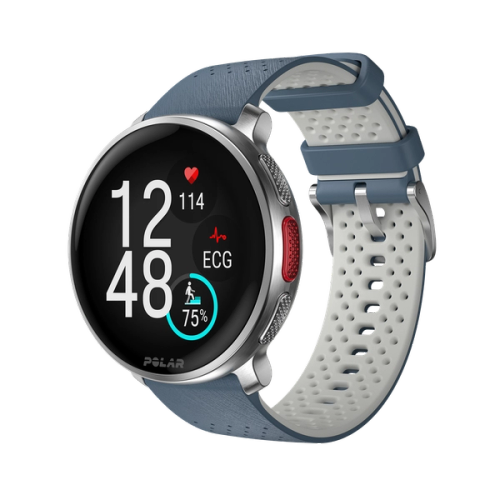
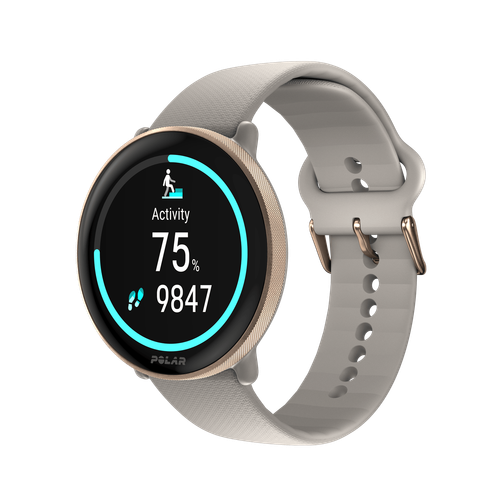
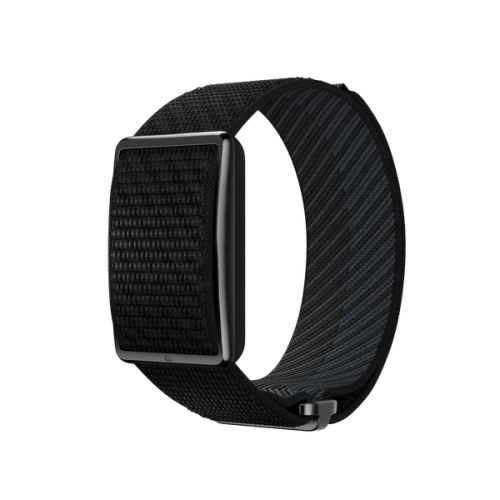
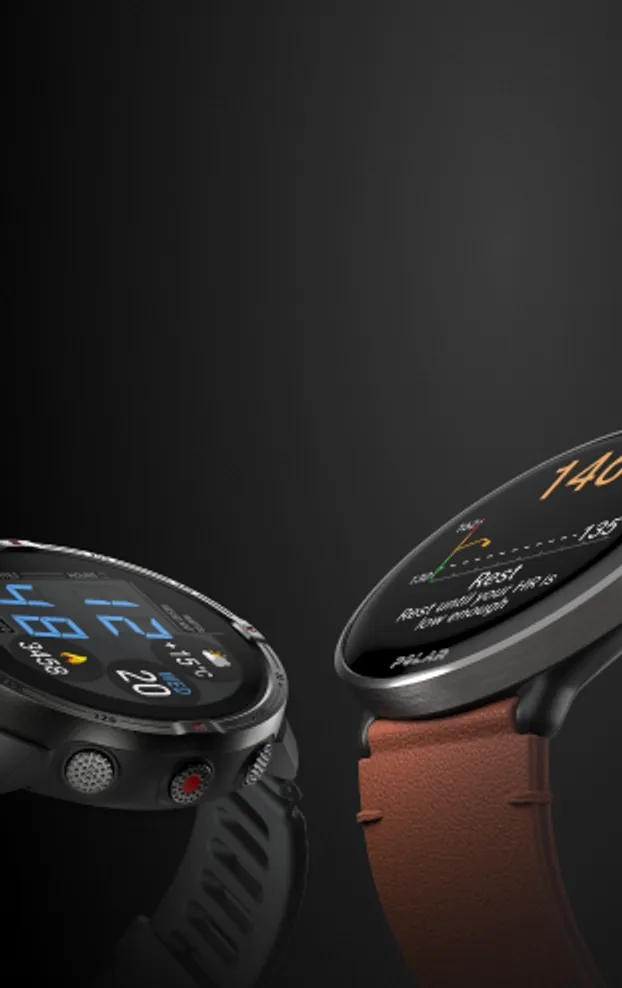
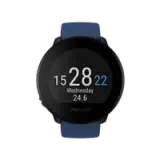
POLAR Street X is the urban sports watch for those who live, work, and train in the city. Tough, lightweight, and always ready, it delivers reliable GPS, a bright AMOLED display, precision heart-rate tracking, and 24/7 shock resistance for training, commuting, and everyday wear.
Cognitive Function: What happens when you get to work
In my early twenties, I used to think that the best way to prepare for a high-pressure day was to get to my desk as early as possible, hunker down with a double espresso, and start grinding. But I eventually realized that I was arriving physically present but mentally stagnant. It wasn't until I began cycling and walking to work that I understood the difference in how my brain actually functioned once I logged on.
When you walk through the office doors after an active commute, you aren't just awake—your brain is physically primed for high-level performance. There is a physiological shift that happens when you move. By the time I’d lock my bike, the increased blood flow to my brain had already cleared the morning fog. This isn't just a feeling; it’s about reducing cognitive loading. When we commute passively, our brains are often cluttered with stress, noise and news feeds. An active commute, however, acts as a filter. It allows you to process those background thoughts before you sit down, meaning that when you finally open your laptop, your cognitive resources are fully available for the tasks that actually matter.
I found my concentration was significantly sharper in those first few hours—a 'golden window' of productivity. Instead of spending my morning reacting to minor pings, I had the mental stamina to dive straight into deep work. But perhaps the most surprising side effect was the boost in creativity. I can’t tell you how many times a solution to a complex problem just... appeared... while I was on my way to or from the office. This is divergent thinking in action; because your body is busy with a rhythmic, low-level task, your subconscious is free to connect dots that stay hidden when you’re staring at a spreadsheet.
So, can active commuting serve as a psychological transition between work and home? Absolutely. In fact, I’d argue it’s the most effective one we regularly have access to. In the morning, it’s your transition into professional mode, sharpening your focus and shedding domestic distractions. In the evening, it’s your decompression chamber, allowing you to leave the stress of the boardroom on the road so that by the time you walk through your front door, you’ve already transitioned back to normal mode. It’s the difference between bringing work home in your head and leaving it exactly where it belongs.
What if You're Working from Home?
For many of us, like me now, your work life looks a little different since the pandemic. Gone are the days of long commutes now that everything is entirely online. While working from home certainly has its benefits, I really miss my active commute. The morning rush of setting off on my bike and the helpful decompression of taking an evening stroll as I made my way home. These days, there are times when I forget to leave my computer, let alone my house, before sunset.
So, if you're reading this and feeling like you might be missing out, remember that an active 'commute' before and/or after your working day is something you can replicate in your life, even if you're simply heading to your home office. For example, my friend works from home but leaves the house for a run or a cycle every morning to not only reap the benefits of working out before work but also to give her husband some personal space in the house before he heads to the office (because having a home office means she's now always at home).
Similarly, I have started using a gym that isn't around the corner from my house but a 20-minute cycle away. So now, three mornings a week, I'm up at 7am, journey through the morning traffic to reach my workout, then bike back to start my work day. I love how much this feels like my active commute used to, plus mixing my strength training sessions up with some additional cardio before and after.
This is Your Challenge, If You're Willing to Accept It
I know that if you’re currently used to the climate-controlled comfort of a car or the predictable (if slightly dull) routine of the train, the idea of active commuting can feel daunting. You might be looking at the weather forecast, thinking about the logistics of your work bag, or worrying about that one steep hill halfway to the office. I’ve been there, and I promise you, the anticipation of the hurdle is always much higher than the hurdle itself.
If you’re on the fence, I want to give you a small challenge: Just try it for one week.
Don't commit to a total lifestyle overhaul or sell your car just yet. Simply pick a week and decide to make it your active, adventurous, 'trying something new' week. Pack your bag the night before, map out a route that takes you through a park rather than a main road (if possible), and just see how it feels. Notice the difference in your energy when you sit down at your desk. Pay attention to how much more present you are when you walk back through your front door in the evening.
When I first started, I thought I was just saving a bit of money on bus fares. I had no idea I was actually buying myself a sharper brain, a calmer mood, and a better night’s sleep. Within a week, the logistics became second nature, and the feeling of the morning air became something I craved.
In this fast-paced, screen-heavy world, we rarely get the chance to do something that is simultaneously good for our hearts, our heads, and our productivity. Active commuting is that rare triple threat. You have the gear, the science is on your side, and your body is built for it. So, why not give it a go? Your future self—the one who feels energized at 3pm and sleeps soundly at 10pm—will definitely thank you for it.



 POLAR Street X
New
POLAR Street X
New
 Polar Vantage M3
 Polar Grit X2 Pro Titan
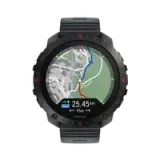 Polar Grit X2 Pro
 Polar Grit X2
 Polar Vantage V3
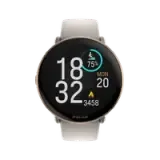 Polar Ignite 3
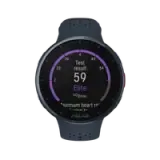 Polar Pacer Pro
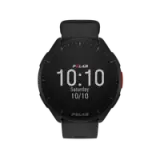 Polar Pacer
 Polar Unite
Grit X Series
Vantage Series
Pacer Series
Ignite Series
Polar Unite
Grit X Series
Vantage Series
Pacer Series
Ignite Series