Some numbers stay with you. Miguel Indurain, five-time Tour de France champion, had a resting heart rate of 28 beats per minute. Marathon runner Philipp Pflieger measured his at 32. These aren't just athletic curiosities — they're a window into what a well-trained heart looks like.
Resting heart rate (HR) is best measured in the morning, immediately after waking from sleep, while still lying down. This single number reveals a great deal about the body's condition — and the good news is that it can be lowered. The underlying mechanisms that give elite endurance athletes their extraordinary cardiac efficiency are accessible to any person willing to train consistently.
Our resting heart rate level gives us an indication of our endurance performance capacity. A low resting heart rate reflects a good state of health and fitness. Fortunately, resting heart rate can be lowered — and there are several effective ways to do it.
Key takeaways
- Regular aerobic training is the single most effective long-term method to lower resting heart rate
- Slow breathing exercises (6 breaths per minute) activate the vagus nerve and can produce a near-immediate short-term reduction
- Sleep quality, body weight, and alcohol consumption all influence resting heart rate
- A rise of more than 8 bpm above your normal baseline is a signal your body may need rest — not more training
Why a lower resting heart rate matters
Epidemiological studies have shown that people with a lower resting HR have a higher life expectancy. The resting heart rate of untrained adults typically ranges between 60 and 80 beats per minute. With an average life expectancy of 75 years, the heart must beat somewhere between 2.3 and 3.2 billion times over a lifetime. That is an extraordinary demand on a single muscle.
The heart of a well-trained athlete is larger and stronger than that of an untrained person. It pumps more blood with each beat — a quality known as stroke volume — and therefore requires far fewer beats per minute to maintain circulation.
Athletic training lowers resting HR in both children and adults. In terms of life expectancy, assessing resting HR in adulthood carries great significance, since statistics have shown that people with a lower HR live longer than those with a consistently high HR — that is, above 80 beats/min. (Wen et al., 2025).
undefined
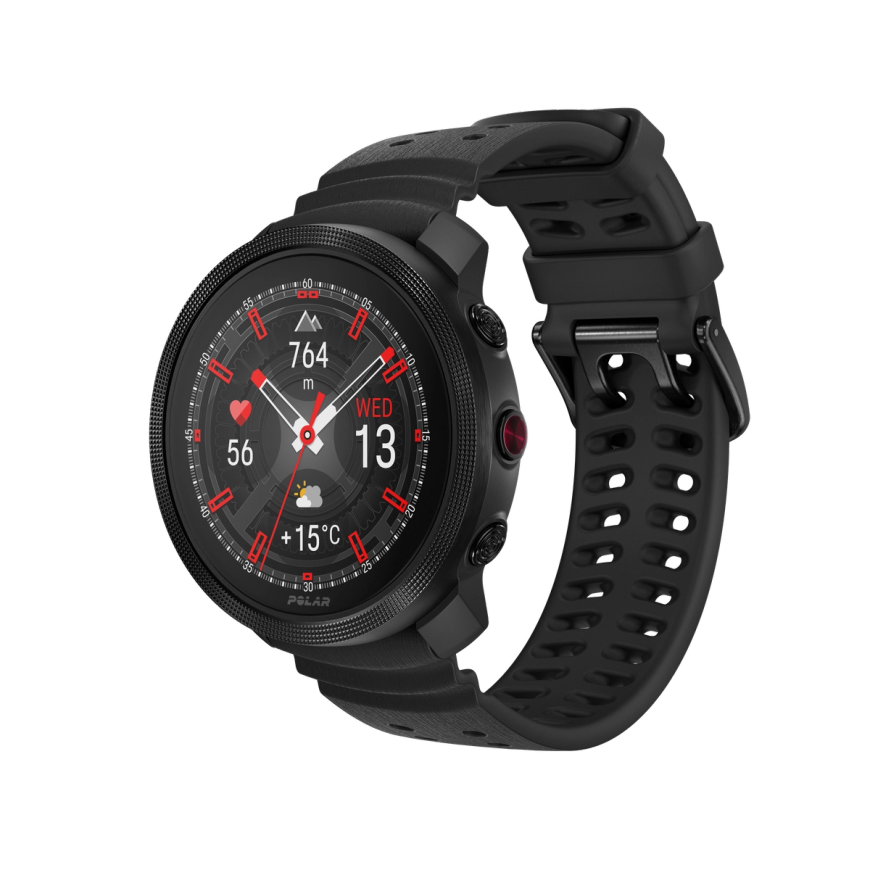
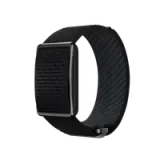
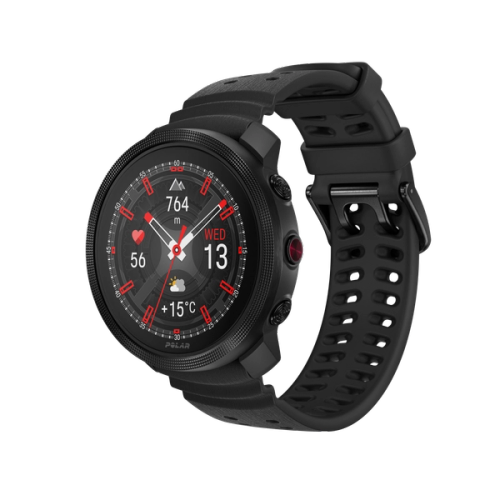
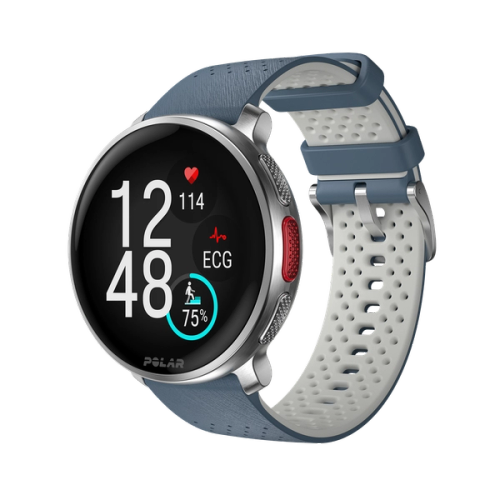
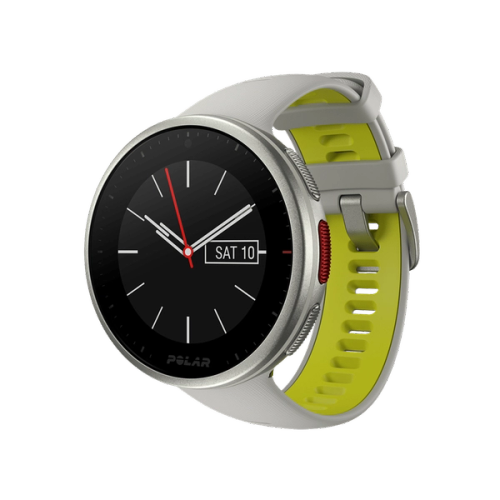
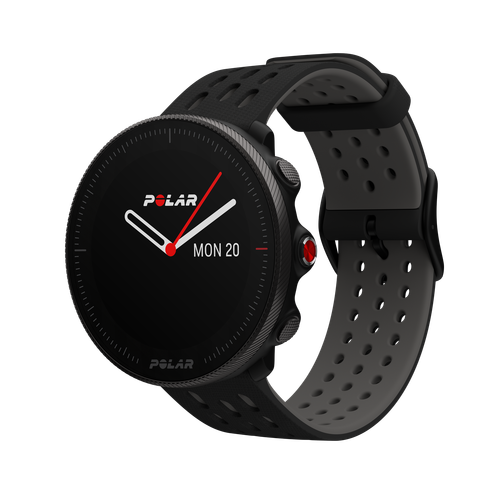
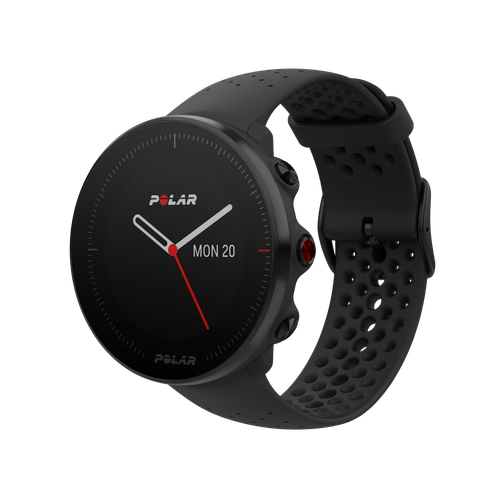
Polar Vantage M3
Smart Multi-Sport Watch
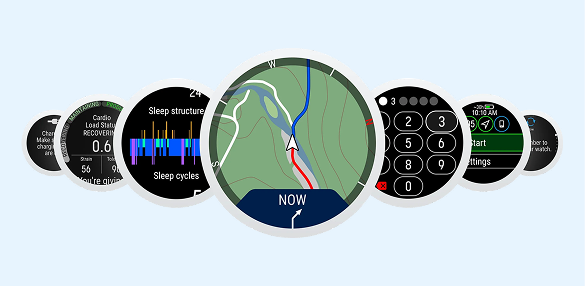
Polar Vantage M3 is a smart multi-sport watch for multi-sport athletes that’s compact yet powerful, stylish yet strong, and designed to bring extraordinary training, sleep and recovery tools into everyday life.
How aerobic training lowers resting heart rate
With sustained low-intensity endurance training, an athlete's resting heart rate can drop below 40 beats per minute — in some cases to just under 30 bpm. The heart responds to regular aerobic work with specific, measurable adaptations:
- Increased stroke volume: the heart pumps more blood per beat, so fewer beats are needed to circulate the same volume
- Greater vascular elasticity: blood vessels become more pliable, reducing vascular resistance and easing the heart's workload
- Stronger parasympathetic tone: sustained aerobic training increases baseline activity in the body's rest-and-recovery nervous system
- Faster oxygen delivery: improved efficiency in transporting oxygen to working muscles
Studies confirm that aerobic training practiced consistently over months also reduces overall sympathetic nervous system activity — meaning the body stays calmer at rest. The result is a heart that beats less often, works less hard, and recovers faster between sessions.
Whatever form your endurance training takes — running, cycling, swimming, or rowing — the variable that matters most is consistency. The heart adapts to a stimulus applied regularly, not occasionally. If your pace is just under 30 beats/min like Indurain's, that heart built itself over years, not weeks.
Training with a sports watch helps ensure you're working in the zones that drive these adaptations. Heart rate zone training builds the aerobic base that underpins a lower resting heart rate over time. For athletes focused specifically on cardiac efficiency, the low heart rate training approach is one of the most direct routes — training at deliberately low intensities lets the heart adapt without accumulating excessive stress.
Sex differences in resting heart rate
Women generally have a higher average resting HR than men. This difference is primarily caused by heart size. The larger the heart in healthy, active individuals, the lower their resting heart rate. Women constitutionally have a smaller heart than men. To pump enough blood for the demands of the circulatory system, a smaller heart must beat more often.
Training narrows this gap significantly. A physically active woman will typically have a lower resting heart rate than a sedentary man, regardless of the structural difference in heart size.
Average resting heart rate and heart size in men and women with different fitness levels [based on Neumann & Hottenrott, 2000]
How breathing exercises lower resting heart rate
A stress-related elevated heart rate can be reduced quickly through relaxation exercises, breathing techniques, and meditation. One particularly effective technique: take only 6 deep, slow breaths per minute.
When you inhale, heart rate rises slightly. When you exhale, it drops. This breath-synchronized fluctuation in heart rate is known as respiratory sinus arrhythmia. Slow breathing at 6 cycles per minute strongly activates the vagus nerve — the main pathway of the parasympathetic nervous system — producing a measurable, near-immediate reduction in heart rate.
For lasting results, daily practice is required. A few minutes each morning or before sleep is enough, over weeks and months, to improve vagal tone — the background level of parasympathetic activity that sets your resting heart rate floor.
You can read more in Polar's guide to using breathing to reduce stress and boost recovery.
How Serene™ makes breathing results visible
Serene™ is Polar's guided breathing feature. During a session, the watch coaches a regular, slow breathing rhythm through an on-screen animation and haptic feedback to maintain rhythm. More importantly, Serene™ measures the body's physiological response to each session — giving real-time feedback on how effectively the technique is working. The methodology behind the feature is published in the Serene™ whitepaper.
Sleep, lifestyle, and other factors
Training and breathing exercises are the two most direct levers. But several lifestyle factors also shape resting heart rate — often without obvious connection to the heart itself.
Sleep quality. Poor sleep elevates sympathetic nervous system activity overnight, raising resting heart rate the following morning. Consistently prioritizing sleep quality reduces baseline stress hormones and supports overnight parasympathetic recovery. Athletes who track sleep alongside heart rate often notice the pattern clearly: poorer sleep precedes a higher morning reading.
Alcohol and nicotine. Regular consumption of both alcohol and nicotine leads to a lasting increase in resting heart rate. Nicotine stimulates the sympathetic nervous system directly. Alcohol disrupts sleep architecture and impairs overnight ANS recovery. Reducing or eliminating both is one of the highest-leverage lifestyle changes for lowering resting heart rate.
Body weight. Carrying excess weight means the heart must work harder to maintain circulation, which is reflected in a higher resting rate. Aerobic training tends to reduce body fat alongside its direct cardiac adaptations — compounding the benefit on resting HR.
Chronic stress. Ongoing psychological stress raises cortisol levels, which in turn keeps heart rate elevated. Managing workload, using recovery tools, and watching for the early signs of overtraining are all part of managing the stress load on the heart. Polar's Nightly Recharge™ measures overnight autonomic nervous system recovery and gives a daily read on how well the body is returning to baseline.
Track your resting heart rate daily
A single resting heart rate number means little in isolation. What matters is the trend — and especially the deviations from it.
Heart rate can be tracked continuously throughout the day using Continuous Heart Rate on Polar sports watches. Even minor illness or general fatigue can temporarily raise the number, and daily tracking makes those changes visible before they become problems.
- A rise of more than 8 bpm above your normal baseline, combined with fatigue or low training motivation, may indicate oncoming illness — ease back or take a rest day
- Resting heart rate that stays elevated the morning after an intense session suggests the body hasn't fully recovered — it should normally return to baseline within 24 hours
- A persistently elevated resting heart rate across several consecutive days can be an early warning sign of overtraining
If a rise in resting heart rate is accompanied by fever (core body temperature above 38°C / 100.4°F), do not train — cancel the session for the day.
For greater resolution, heart rate variability (HRV) gives more granular data on autonomic nervous system status. The Orthostatic Test — available on select Polar devices — uses an HRV measurement taken during a standardized lying-to-standing protocol to detect ANS strain before it compounds. When resting heart rate trends are ambiguous, the Orthostatic Test adds the resolution needed to make the right training decision.
Learn more: How to measure your resting heart rate accurately.
FAQ on lowering resting heart rate
What is a normal resting heart rate?
For untrained adults, resting heart rate typically falls between 60 and 80 beats per minute. Trained endurance athletes commonly measure between 40 and 60 bpm. Elite athletes can fall below 40 bpm — and in exceptional cases, such as competitive cyclists, below 30.
How long does it take to lower resting heart rate through training?
Most people begin to see a measurable reduction within 4–6 weeks of consistent aerobic training. More significant long-term changes — such as dropping sustainably below 50 bpm — develop over months and years of sustained endurance work.
Can breathing exercises lower resting heart rate permanently?
Breathing at 6 breaths per minute can produce an immediate reduction by stimulating the vagus nerve. Over time, daily practice improves vagal tone — the sustained level of parasympathetic nervous system activity — which contributes to a lower baseline resting heart rate. The effect is real, but it requires consistent practice, not a single session.
Why is my resting heart rate higher than usual?
Common causes include illness or infection, poor sleep, dehydration, alcohol, high psychological stress, or insufficient recovery from intense training. A rise of more than 8 bpm above your normal baseline is worth noting. If it persists for several days, prioritize rest — and seek medical advice if fever is also present.
Enjoying this article? Subscribe to the Polar Newsletter and get notified when new articles are out.
Subscribe
References
- Neumann, G., & Hottenrott, K. (2000). Das große Buch vom Laufen. Meyer & Meyer Sport.
- Reimers, A. K., Knapp, G., & Reimers, C.-D. (2018). Effects of exercise on the resting heart rate: A systematic review and meta-analysis of interventional studies. Journal of Clinical Medicine, 7(12), 503. https://www.mdpi.com/2077-0383/7/12/503
- Wen, C. P., Chen, C. H., Chiou, H. Y., Nauman, J., Hsu, C. C., & Wisløff, U. (2025). Resting heart rate – The forgotten risk factor? Comparison of resting heart rate and hypertension as predictors of all-cause mortality in 692,217 adults in Asia and Europe. Preventive Medicine. https://www.sciencedirect.com/science/article/abs/pii/S0033062025000076



 POLAR Street X
New
POLAR Street X
New
 Polar Vantage M3
 Polar Grit X2 Pro Titan
 Polar Grit X2 Pro
 Polar Grit X2
 Polar Vantage V3
 Polar Ignite 3
 Polar Pacer Pro
 Polar Pacer
 Polar Unite
Grit X Series
Vantage Series
Pacer Series
Ignite Series
Polar Unite
Grit X Series
Vantage Series
Pacer Series
Ignite Series