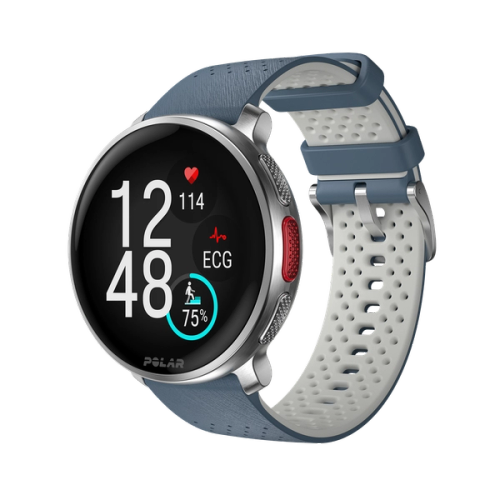
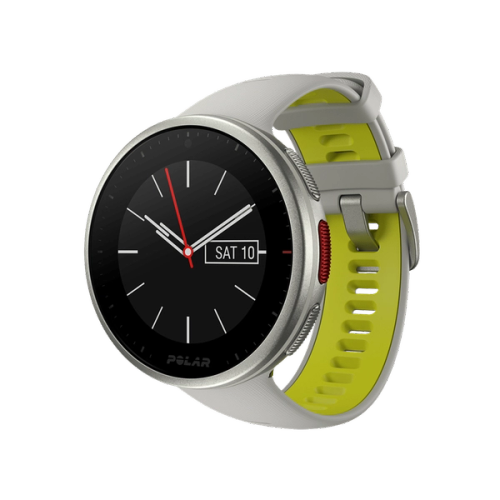
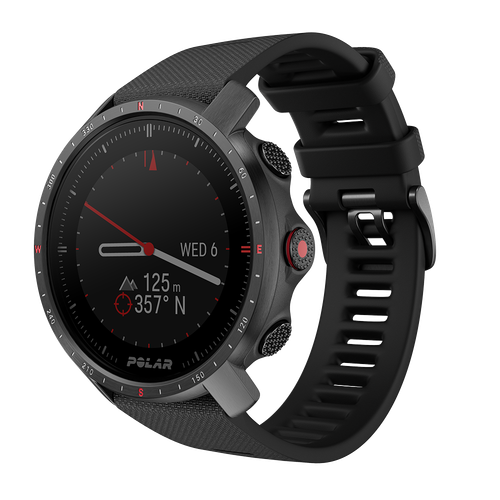
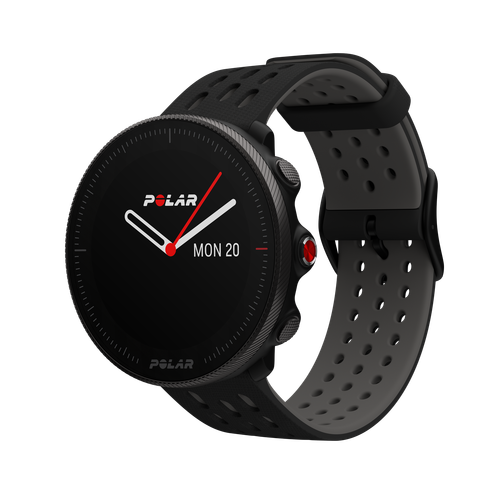
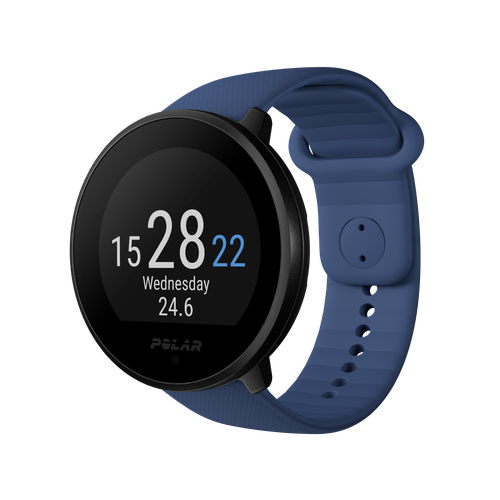
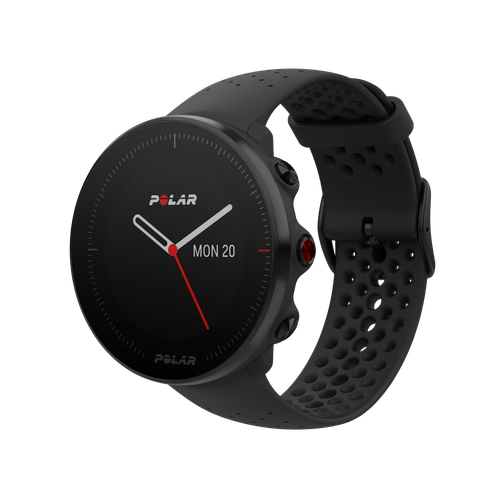
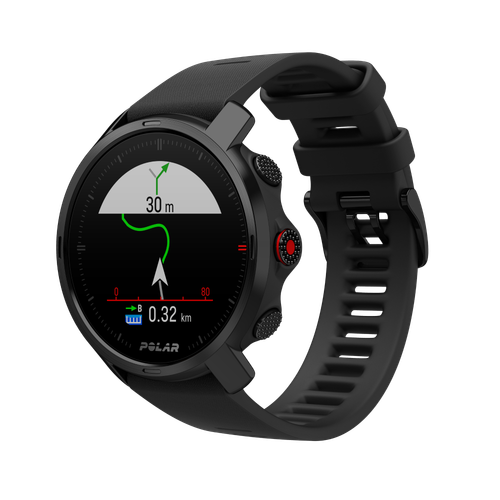
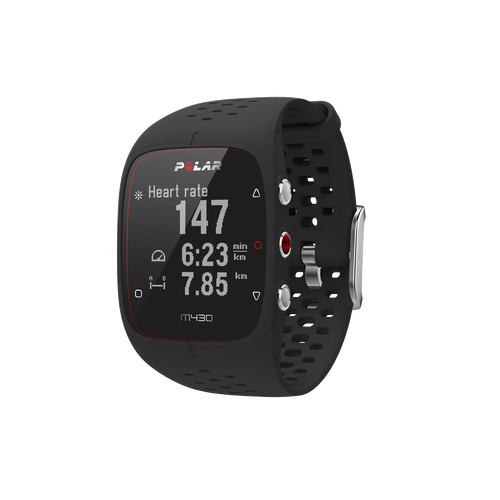
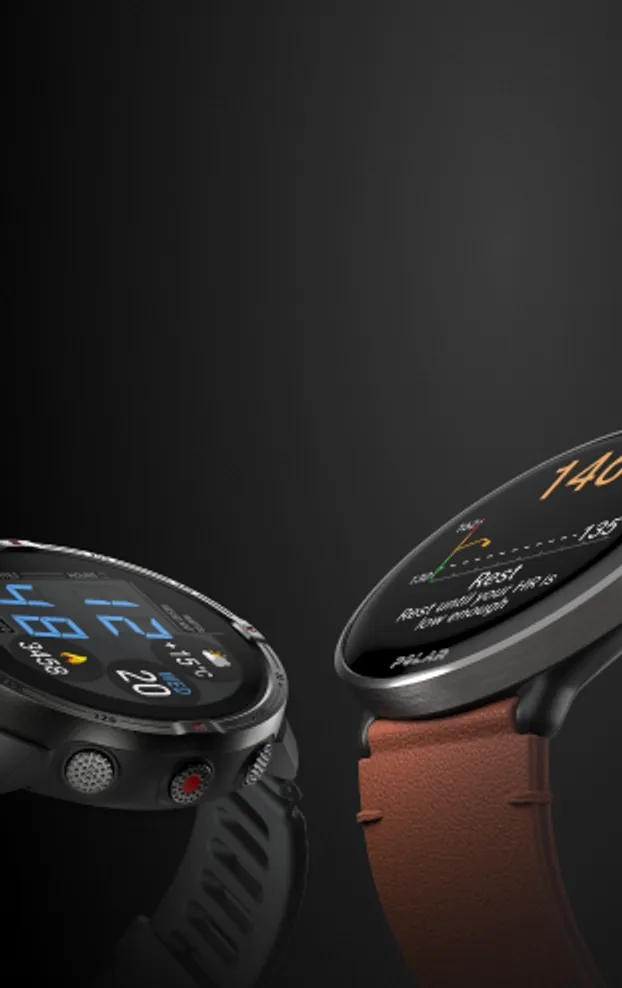
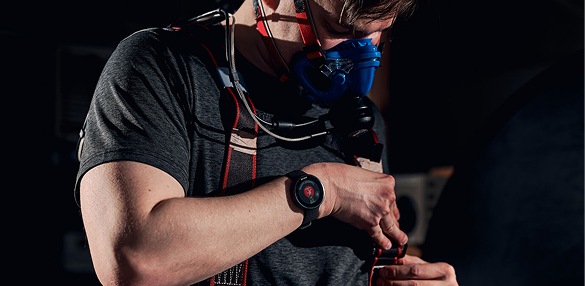
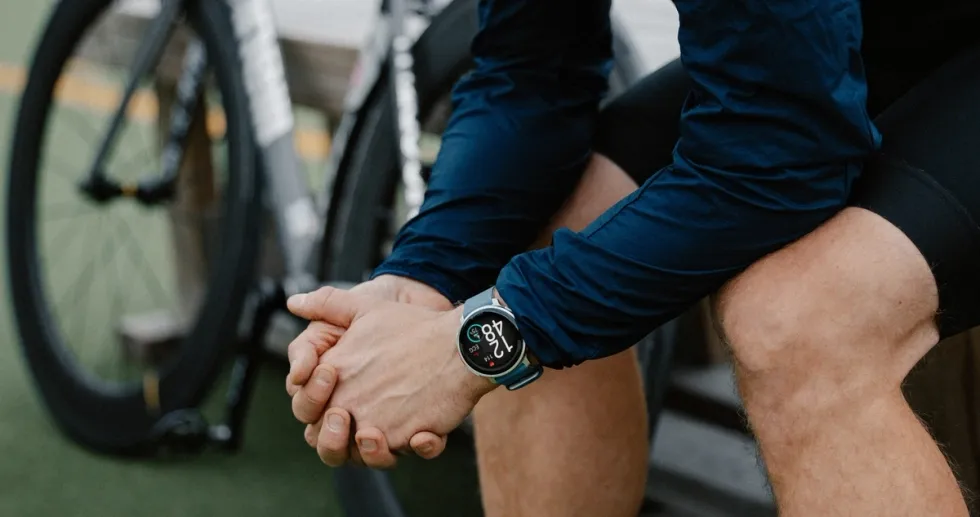
We’ve covered all you need to know on the importance of HR zones and training. Now it’s time to look at how you can use the new power-based phased training targets on Polar Flow to optimize your cycling and running performance with the Polar Vantage V2.
Power-based phased training targets
Okay, training to the best of your ability is not child’s play, but there is a lot we can learn from the way children play. When kids play, they rarely move at a constant pace for long periods of time - they instinctively sprint into action and stop when they are exhausted. As a result, they activate energy systems diversely, and when doing so, recruit all types of muscle cells.
Activation of all muscle cell types – from slowest to fastest - is crucial for maintaining and/or developing muscle force. Understanding how to utilize the different energy systems within your muscles can help to optimize your training.
With the new power-based phased training targets tool in the Polar Flow web service, you can get even more out of the Polar Vantage V2 by creating customized training targets for running and cycling.
How to train with power
We’ve already covered some of the tests you can do to unlock your progress with Polar Vantage V2, but now you can use those tests to create advanced running and cycling training target plans based on power.
With the Polar Flow web service, you can create detailed plans based on your training targets, and once you've synced them to your Polar Vantage V2, you will get all that guidance on your device during your training sessions.
Set your targets based on phases in the Polar Flow web service
You’re probably wondering why you should use power-based training targets and how they can help you maximize your training potential, in turn optimizing your performance – well, to answer those questions, it’s best to start by talking about energy systems.
The three energy systems
Muscles store energy for immediate and long-lasting energy production. The rate at which energy is released (power) depends on what energy source and system is used. There are three different energy systems within human muscle cells:
- Immediate Energy System – the first energy system, lasting around 30 seconds, uses high-energy phosphates as fuel for immediate, fast energy production. Immediate energy sources are quickly depleted and must be replenished. Releasing energy from high-energy phosphates does not require oxygen. Immediate energy system is responsible for the maximal muscle power.
- Short-Term Energy System – this secondary system uses carbohydrates as the energy source and releases energy for a few minutes. This system doesn’t require oxygen and is characterized by the “burning” sensation in your muscles during workout (lactic acid production). The power output for short-term energy system is lower than that from immediate energy system.
- Long-Term Energy System – the third system also uses carbohydrates as fuel but requires a constant supply of oxygen. Because of this, the long-term energy system can power movement as long as carbohydrates are available. The least powerful of the three systems, the long-term energy system also utilizes energy from fats, but at much slower rates than carbs.
All three energy systems can and do work together.
Powerful running & cycling
So now we understand the different energy systems, we can begin to understand how they relate to training.
Using power-based phased training targets for running and cycling allow you to get the most out of your training. You could take our word for it, but we’ve provided detailed information below to explain how using both the Polar Running Performance Test and Polar Cycling Performance Test, will enable you to determine your power zones and use them to activate all energy systems.
Training with power (for runners)
Power is the latest addition to the running data mix. A phenomenal complement to heart rate and pace. At first, the concept of running power could be slightly difficult to grasp, but the examples below give you a good idea how you can use power zones to optimize your running.
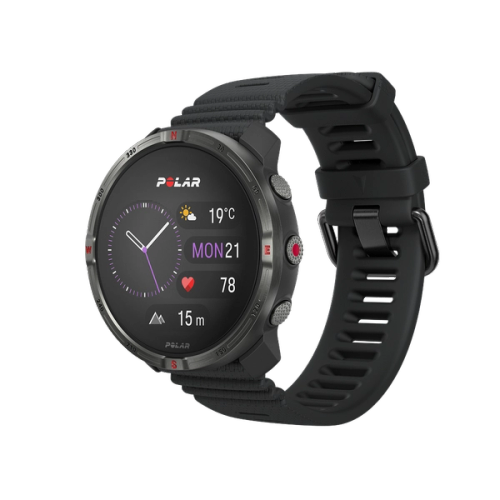
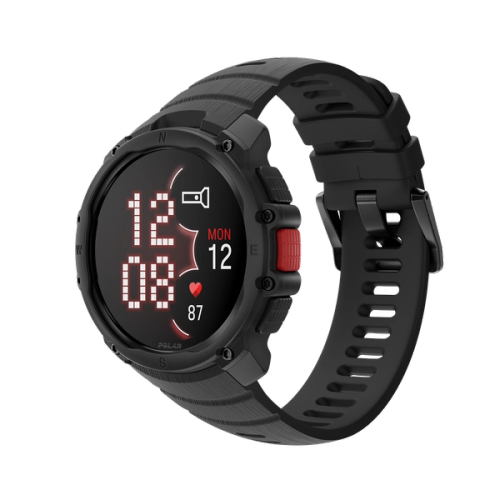
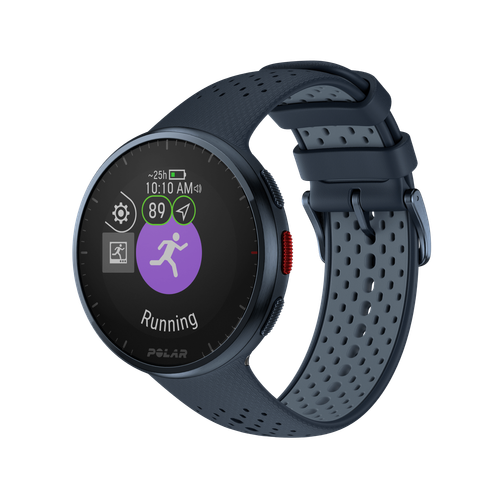
Many Polar watches can calculate running power directly from the wrist, so you don't need to use any external sensors or pods. In addition to Polar Vantage V2, running power from the wrist is available in other models like Polar Grit X, Polar Grit X Pro, and Polar Pacer Pro.
Running power zones are determined relative to maximal aerobic power (MAP) that you can obtain from Polar Running Performance Test. To activate and develop all energy systems, we recommend the following categorization of training.
- Sprint interval training (SIT) consists of short (< 30 s), high-power sprints followed by complete recovery (5–10 min) between each sprint.
- High-intensity interval training (HIIT) includes intervals that are longer than sprints but too powerful to be sustained. HIIT is characterized by a “burning” sensation in the muscles as a result of lactic acid accumulation. Work-to-recovery ratio is roughly 1:1.
- Endurance running (ER) workouts are continuous running, where speed is low enough for the same power to be sustained for at least 10 minutes.
More details and practical examples of power training are given in Table 1.
Table 1. Guide to running with power
| Name | Zone | Value (% of MAP) | Description | Example distance/duration |
|---|
| Sprint interval training (SIT) | 5 | > 115% | Energetics: Immediate and short-term energy systems power running Training benefits: Develops maximal muscle powerPro tips: Try uphill running to reach maximal power that may be difficult to achieve on flat terrains | < 150 m / < 30 s |
|---|
| High-intensity interval training (HIIT) | 4 to 3 | (Z4) 100-114%;(Z3) 85-99% | Energetics: Short- and long-term energy systems provide power for running Training benefits: Develops maximal aerobic power (also VO2max) and ability to tolerate high muscle lactate levels Pro tips: To improve maximal aerobic power, try 4x4 min intervals at zone 3 | (Z4) 150–600 m / 35–140 s;(Z3) 600-1000m / 3-5 min |
|---|
| Endurance running | 2 to 1 | (Z2) 70-84%;(Z1) 55-69% | Energetics: Long-term energy system provides energy mostly from carbohydrates, but contribution from fats increases with durationTraining benefits: Large training volumes develop running economy Pro tips: Split zone 2 training to intervals, e.g., 4x8 min. It’s okay to walk at zone 1. | (Z2) 2–12 km / 10–60 min;(Z1) > 8 km / 60-120 min |
|---|
Training with power (for cyclists)
Cycling power zones are determined relative to functional threshold power (FTP) that you can obtain from Polar Cycling Performance Test. Details of how to train at different power zones are displayed in Table 2.
Table 2. Guide to cycling with power
| Zone | Value (% of FTP) | Name | Description | Duration |
|---|
| 5 | > 120 % | Anaerobic capacity | Short, high-intensity intervals intended to increase anaerobic capacity. Immediate and short-term energy systems are main contributors to power. | 0.5–3 min |
|---|
| 4 | 105–119% | VO2max | It takes grit to complete these intervals, as power is above the level that can be sustained (FTP). The reward: training develops VO2max, your main indicator of good aerobic fitness. | 3–8 min |
|---|
| 3 | 90–104% | Aerobic capacity II | Training near, or at, the power that can be sustained, teaches aerobic and anaerobic energy systems to play together. Training also raises anaerobic threshold and ability to tolerate lactic acid. | 8–30 min |
|---|
| 2 | 75–89% | Aerobic capacity I | Brisk cycling that causes fatigue. Long-term energy system is solely responsible for power and carbohydrates are the main energy source. | 30–60 min |
|---|
| 1 | 55–74% | Endurance | This pace could be maintained “all day”. Long-term energy system uses both carbohydrates and fats as energy sources. | > 60 min |
|---|
Where can I learn more about training targets?
To find out more about training targets visit our support page or go to the Polar Flow web service.
Enjoying this article? Subscribe to the Polar Newsletter and get notified when new articles are out.
Subscribe



 POLAR Street X
New
POLAR Street X
New
 Polar Vantage M3
 Polar Grit X2 Pro Titan
 Polar Grit X2 Pro
 Polar Grit X2
 Polar Vantage V3
 Polar Ignite 3
 Polar Pacer Pro
 Polar Pacer
 Polar Unite
Grit X Series
Vantage Series
Pacer Series
Ignite Series
Polar Unite
Grit X Series
Vantage Series
Pacer Series
Ignite Series