Time. That's precisely the first and most important requirement for marathon training. Over the next twelve week, you'll be putting in some serious running hours, building endurance stride by stride. But trust us, every minute will be totally worthy because training for a marathon is so much fun.
Don't rush it, though. We recommend completing a few half marathons first before diving into a full marathon. But if you've got some solid miles under your belt, get ready—it’s time to go after the big goal!

Overview
Your weekly marathon training revolves around two vital workouts: long runs build stamina and mental toughness for race day, while intervals sharpen your speed and efficiency. This structured approach builds a sustainable routine that gradually transforms your body into a true marathoner.
Easy runs around those key workouts will boost your aerobic capacity and help with recovery.
Remember, marathon training rarely goes exactly as planned—and that's okay. Life happens, workouts get missed, and your body sometimes needs extra rest. Focus on consistency over perfection.
Your coach: Benita Willis
Benita Willis, world renowned runner, World Champion, four-time Olympian, is the head coach and owner of Lace Up Running. Benita is one of Australia’s greatest distance runners and has been a specialist running coach for over two decades. Lace Up Running is a fun, social fitness group developed and run by positive, inspiring people to enable you to get fit, feel happy, in an all-inclusive environment. Benita specialises in crafting running programs for beginner to advanced runners across 5-42K and beyond.
Glossary
Easy Run: A relaxed, conversational-pace run for aerobic development and recovery while maintaining mileage.
Fartlek: Swedish for "speed play," combining continuous running with bursts of faster effort to improve aerobic and anaerobic fitness.
Hill Training: Running uphill to build strength, power, and cardiovascular endurance, often done in repeats with recovery jogs downhill.
Interval Training: Alternating high-intensity running with recovery periods to boost speed and endurance, e.g., 400-meter sprints with 200-meter jogs.
Long Run: A slower-paced, extended run to build endurance, aerobic capacity, and mental toughness for distance running.
Recovery Run: A short, slow run after a hard effort to promote blood flow and muscle recovery without adding stress.
Speed Work: Workouts focused on improving running speed, including intervals, tempo runs, and strides to increase efficiency and fast-twitch muscle activation.
Strides: Short, near-max effort sprints (20–30 seconds) to improve form, turnover, and efficiency with minimal fatigue.
Tapering: Reducing training volume before a race to recover fully and peak on race day.
Tempo Run: A sustained, "comfortably hard" effort to improve the lactate threshold, making faster paces easier to maintain.
For more training tips and exclusive content, join the Polar newsletter
Subscribe
Pace chart
If you're thinking about running a marathon, you likely have a good sense of your paces and know that success doesn’t require you to run too fast. Yes, that's the good news. Roughly 80% of your marathon training miles should be at a comfortable, conversational pace. This builds endurance without overtaxing your body—that's the magic of zone 2 running.
Pro tip: By doing the Polar Running Performance Test, you can estimate your unique training zones (heart rate, speed, and power zones). All you need to do is go for a progressive run for at least six minutes and reach at least 85 % or your maximum heart rate.
First-time marathoners often struggle to find their ideal race pace. The key is to keep your heart rate below your aerobic threshold—typically no more than 75% of your maximum heart rate. This helps you maintain a steady pace and conserve energy for the entire race.
Here's a reference chart to guide you.
| Workout type | Heart Rate Zone | Target Pace (Times Slower/Faster) | Example Pace (Best 1k: 4:00) | Example Pace (Best 1k: 6:00 min/km) |
|---|
| Recovery runs | 50-60% of maximal HR | 1.30 - 1.40 times slower | 5:12 - 5:36 min/km | 7:48 - 8:24 min/km |
|---|
| Long runs | 60-70% of maximal HR | 1.20 - 1.30 times slower | 4:48 - 5:12 min/km | 7:12 - 7:48 min/km |
|---|
| Aerobic threshold (Tempo runs) | 65-75% of maximal HR | 1.05 - 1.10 times slower | 4:12 - 4:24 min/km | 6:18 - 6:36 min/km |
|---|
| Moderate Runs | 75-85% of maximal HR | 1.00 - 1.05 times slower | 4:00 - 4:12 min/km | 6:00 - 6:18 min/km |
|---|
| Long intervals (500-1200m) | 85-95% of maximal HR | 1.00 - 1.05 times faster | 3:48 - 4:00 min/km | 5:42 - 6:00 min/km |
|---|
| Short intervals (200m-400) | 90-100% of maximal HR | 1.05 - 1.10 times faster | 3:36 - 3:48 min/km | 5:24 - 5:42 min/km |
|---|
undefined

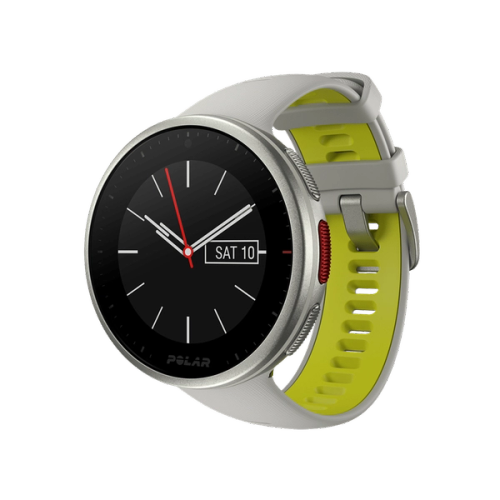
Polar Vantage V3
Premium Multisport Watch
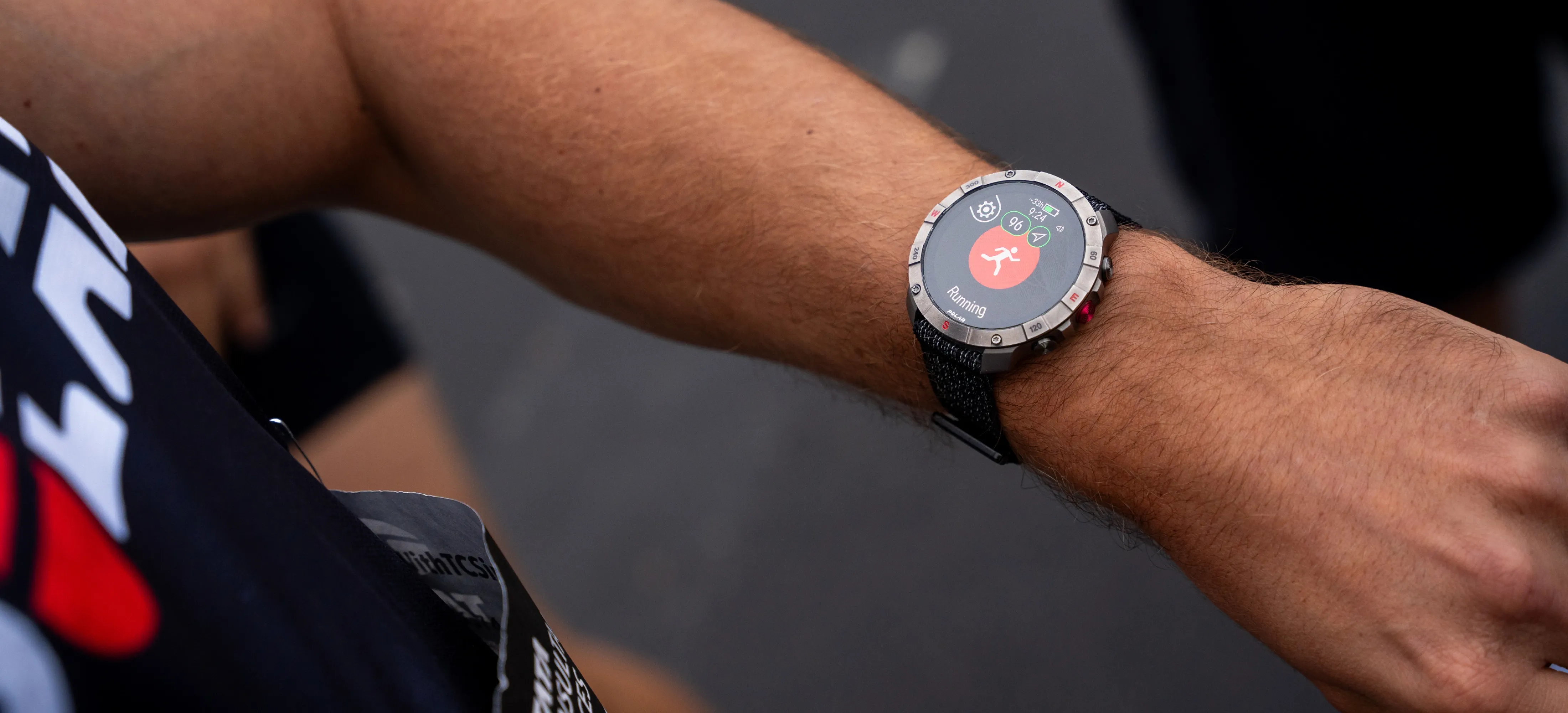
An ensemble of biosensing instruments, AMOLED display, dual-frequency GPS, maps, and the most comprehensive suite of training and recovery tools on the market. The stage is set, and the Polar Vantage V3 smart sports watch is ready to put in the performance of a lifetime.
Playbook
Following a 5k training plan requires discipline. Here are some key guidelines to help ensure your success on the road to completing a 5K.
- Warm up: Is a 5min walk/5min jog then some dynamic stretching (3-5min) then 2 x 80m strides (faster running in a straight line) at about 5km pace feel (walk back after each). Warm down: 5-10min walk.
- Cross training: All cross training is optional. It can be anything you enjoy including walking, riding, swimming, elliptical, strength training etc. It’s important to keep it easy as it is included to supplement your aerobic base conditioning while keeping impact to a minimum to prevent injuries.
- Stick to the plan: If you miss a training session, resist the temptation to cram it in or double up on your next workout. Trying to "make up" for lost training time can lead to burnout and increased injury risk. When you skip a session, simply pick up where the plan indicates and continue forward. If you miss several sessions, ease back into the plan.
- Prioritize rest: Recovery is training, too. Prioritize consistent sleep and listen to your body. If you're exhausted, skipping a workout isn't failure - it's smart training. Rest allows your body to repair, rebuild, and come back stronger.
- Training to heart rate: You will see in the program below, that the training sessions relate to Heart Rate Zones. Tracking your heart rate is the best way during a run (and for recovery) to ensure success, and that you are following the coach’s plan.
Marathon Training Plan
This program assumes you can run a half marathon comfortably and have been running for at least a few months before starting week 1 and currently running three or four times per week along being active on most days.
Week 1
| Day | Workout |
|---|
| Monday | Rest |
|---|
| Tuesday | 30min easy run zone 2 |
|---|
| Wednesday | Easy cross train 30-40min |
|---|
| Thursday | Rest |
|---|
| Friday | Easy jog 35-50min zone 2 |
|---|
| Saturday | Rest day |
|---|
| Sunday | Long run: 12-15km zone 2 |
|---|
Week 2
| Day | Workout |
|---|
| Monday | Rest |
|---|
| Tuesday | 30min easy run zone 2. At the end of your run do 5min of 15sec fast stride zone 3-4 (@ 5km pace feel)/ 15sec slow jog (so in 5min you’ll do 10 x 15sec strides). Easy jog 5min zone 2 cool down. |
|---|
| Wednesday | Easy cross train 30-40min |
|---|
| Thursday | Rest |
|---|
| Friday | Easy jog 30-40min zone 2 |
|---|
| Saturday | Long run 15-20km zone 2-3 incl. a parkrun as a tempo run effort zone 3-4 (tempo effort is just faster than jogging BUT not as hard as you can (half marathon pace feel or slower)) |
|---|
| Sunday | Rest |
|---|
Week 3
| Day | Workout |
|---|
| Monday | Easy cross train 30-40min or rest day |
|---|
| Tuesday | Interval session: 1 x 3min effort @ 10km pace zone 3-4 (90sec jog); 2 x 90sec efforts @ 5km pace zone 4 (90sec jog after each); 3 x 60sec efforts faster as you feel zone 4 (60sec jog after each) |
|---|
| Wednesday | Easy jog 30-40min zone 2 or cross train 30-50min |
|---|
| Thursday | Rest |
|---|
| Friday | Easy jog 45-60min zone 2 |
|---|
| Saturday | Rest |
|---|
| Sunday | Long run 15-18km zone 2 |
|---|
Week 4
| Day | Workout |
|---|
| Monday | Rest |
|---|
| Tuesday | Interval session: 4min, 3min, 2min, 1min efforts zone 4 with 2min very slow jog recovery after each. Start slower then 5km pace for the 4min effort (at least 15sec/km) and get faster as the interval duration gets shorter. |
|---|
| Wednesday | Easy jog 30-40min zone 2 |
|---|
| Thursday | Rest |
|---|
| Friday | Easy jog 45-60min zone 2 |
|---|
| Saturday | Rest |
|---|
| Sunday | Specific long run 20-24km zone 2-3. Easy jog 8-10km then 8km where you run about marathon pace feel zone 3-4 (first 3km is slower as you feel). Rest of your run is slow jogging zone 2 |
|---|

Week 5
| Day | Workout |
|---|
| Monday | Rest |
|---|
| Tuesday | 45-60min easy run. Try to do this run over hills zone 2-3 |
|---|
| Wednesday | Easy jog 30-40min zone 2 |
|---|
| Thursday | Rest |
|---|
| Friday | Easy jog 20min zone 2 then stop briefly (quick stretch) then 4-6 x 80m strides a little faster then 5km pace zone 3-4 (but not flat out sprinting). Walk back after each. Easy jog 5min zone 2 at the end. |
|---|
| Saturday | Solid 5km race or parkrun zone 4-5 (not quite flat out but about 90% max effort). Total 25-28km zone 2-3 for the day (including the race, warm up + warm down). Do a long warm down but usual warm up as you do for other races. OR if you don’t race, easy jog 25-28km zone 2-3. |
|---|
| Sunday | Rest |
|---|
Week 6
| Day | Workout |
|---|
| Monday | Easy cross train 30-50min |
|---|
| Tuesday | Interval session: 4min effort @ half marathon pace zone 3-4 (2:30min jog); 5 x 45sec efforts faster as you feel – 5km pace or so zone 4 (75sec jog after each); 4min effort @ half marathon pace zone 3-4. |
|---|
| Wednesday | Easy jog 45-60min zone 2 |
|---|
| Thursday | Easy cross train 35-50min |
|---|
| Friday | Easy jog 20-30min or cross train 30-40min |
|---|
| Saturday | Rest |
|---|
| Sunday | Specific long run 30km – Easy jog 4-6km zone 2-3 then 10-14km where you run 1km @ 5-10sec/km faster than marathon pace then 1km @ 5-10sec / km slower then marathon pace zone 3-4. Keep surging/ slowing down like this for 12-14km. Rest of your run is slow jogging zone 2. |
|---|
Week 7
| Day | Workout |
|---|
| Monday | Rest |
|---|
| Tuesday | Easy jog 30-40min zone 2 |
|---|
| Wednesday | Easy jog 45-60min zone 2 |
|---|
| Thursday | Rest |
|---|
| Friday | Interval session: 2 sets of (3min, 2min, 1min, 30sec efforts zone 4 with 90sec very slow jog recovery after each). Start at 10km pace for 3min efforts and get faster as reps get shorter. Take 3min rest between sets (standing recovery or slow jog). |
|---|
| Saturday | Rest |
|---|
| Sunday | Long run: 15-18km zone 2-3 |
|---|
Week 8
| Day | Workout |
|---|
| Monday | Rest |
|---|
| Tuesday | Hills: Longer warm up (20-30min jog zone 2) then: 8 x 40-50sec hills @ 5km pace feel zone 4 (slow jog down recovery) |
|---|
| Wednesday | Easy jog 45-60min zone 2 |
|---|
| Thursday | Rest |
|---|
| Friday | Easy jog 30min zone 2 |
|---|
| Saturday | Rest |
|---|
| Sunday | Specific long run – 30-34km zone 2-3. Easy jog 4-6km zone 2 then: 3-5 x 4km efforts zone 3-4 with 2min jog after each. Aim for each 4km to be at marathon pace (first one can be slightly slower and last one slightly faster). Rest of your run is slow jogging. |
|---|
Week 9
| Day | Workout |
|---|
| Monday | Rest |
|---|
| Tuesday | 40-50min easy run zone 2 |
|---|
| Wednesday | Interval session: 4 x 3min efforts zone 4 at 10km pace feel with 90sec jog recovery; 4 x 20sec fast efforts zone 4 (5km pace feel) with 40sec jog after each. |
|---|
| Thursday | Rest |
|---|
| Friday | Easy jog 20-30min zone 2. At the end of your run do 3-5 x 80m strides at 5km - 10km pace feel zone 3-4. Walk back after each |
|---|
| Saturday | Rest |
|---|
| Sunday | Race: Half marathon or 20km solid effort zone 2-3 (aim to run the first 10-15km @ marathon pace then surge last part). Practice pre race nutrition (same routine as you’ll do for the marathon i.e. day/ night before + morning of the race) as well as nutrition/ hydration during the race. |
|---|
Week 10
| Day | Workout |
|---|
| Monday | Rest |
|---|
| Tuesday | Easy jog 30min zone 2 (as long as you feel ok after Sunday) |
|---|
| Wednesday | Easy jog 45-60min zone 2 |
|---|
| Thursday | Rest |
|---|
| Friday | Interval session: 5 x 2min efforts zone 4 with 90sec-2min slow jog recovery after each. First 1min of each rep at 10km pace feel with a light surge last 1min. |
|---|
| Saturday | Rest |
|---|
| Sunday | Long run. Easy jogging 1hr30min – 1hr50min zone 2 |
|---|
Week 11 Taper week
| Day | Workout |
|---|
| Monday | Rest |
|---|
| Tuesday | 40min easy run zone 2 |
|---|
| Wednesday | Easy jog 30min zone 2 |
|---|
| Thursday | Rest |
|---|
| Friday | 6min tempo run zone 3-4 (first 2min @ marathon pace, last 4min faster as you feel (HM pace or so); 2min jog then 6 x 20sec efforts zone 4 @ 5km pace feel (40sec jog after each). Take 2min jog after the last effort; 6min tempo zone 3-4 – similar to your first effort. |
|---|
| Saturday | Rest |
|---|
| Sunday | Long run. Easy jog 60-70min zone 2-3 |
|---|
Week 12 Taper week
| Day | Workout |
|---|
| Monday | Rest |
|---|
| Tuesday | Light session: 8-10min at marathon pace zone 3 (2min jog); 4-5 x 30sec efforts at 10km pace feel zone 3-4 (45-60sec jog after each) |
|---|
| Wednesday | Easy jog 20min zone 2 or rest day |
|---|
| Thursday | Rest |
|---|
| Friday | Easy jog 15-20min zone 2 + 4 x 80m efforts at marathon to half marathon pace (nice and relaxed) zone 3. Walk back after each. |
|---|
| Saturday | Rest |
|---|
| Sunday | Marathon. You got this! |
|---|
Personalize your training plan
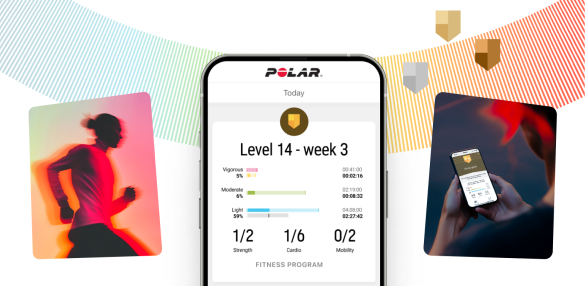
With Polar Flow and your Polar watch, you’ll have access to a personal running plan tailored to your fitness level and goals. Simply select your race distance and event date—it’s that easy.
Designed around your fitness level, this adaptive plan evolves as you progress, guiding you through every run. Sync daily targets to your Polar watch and let it lead the way. With added strength, core, and mobility exercises, plus finish-time predictions, you’ll have everything you need to crush your goals.
More about Polar Running Program



 Polar Vantage M3
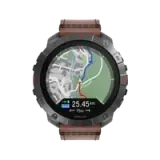 Polar Grit X2 Pro Titan
 Polar Grit X2 Pro
 Polar Grit X2
New
Polar Grit X2
New
 Polar Vantage V3
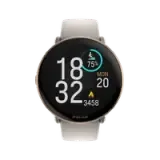 Polar Ignite 3
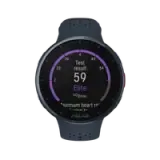 Polar Pacer Pro
 Polar Pacer
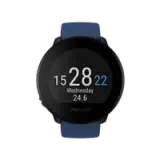 Polar Unite
Grit X Series
Vantage Series
Pacer Series
Ignite Series
Polar Unite
Grit X Series
Vantage Series
Pacer Series
Ignite Series