Most training content pushes toward intensity. Zone 5 intervals, sprint protocols, maximum effort — the assumption being that harder equals more effective. Low-intensity interval training (LIIT) challenges that assumption directly.
LIIT alternates moderate work intervals with active recovery, keeping heart rate in zones 2 and 3 (60–80% of maximum heart rate) rather than the maximal zones that define HIIT. A study comparing the two approaches found comparable fat-loss outcomes — with LIIT requiring less recovery and placing less strain on the body. The tradeoff is time, not results.
Quick takeaways:
- LIIT alternates work intervals in heart rate zones 2–3 (60–80% MHR) with active recovery in zone 1 — effective for fat loss without the recovery cost of HIIT
- Sessions run 40–60 minutes versus 20–30 for HIIT — longer duration compensates for lower intensity
- Lower injury risk makes LIIT appropriate for beginners, older adults, and active recovery sessions
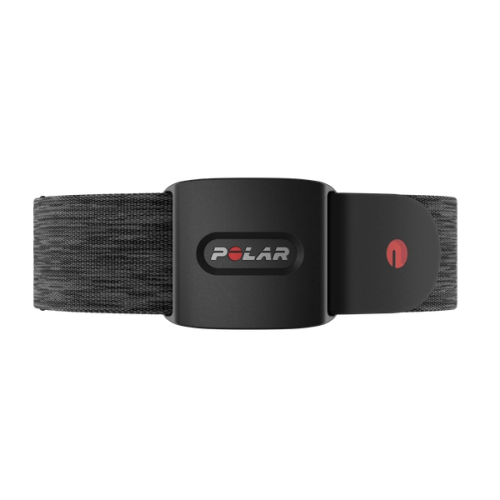
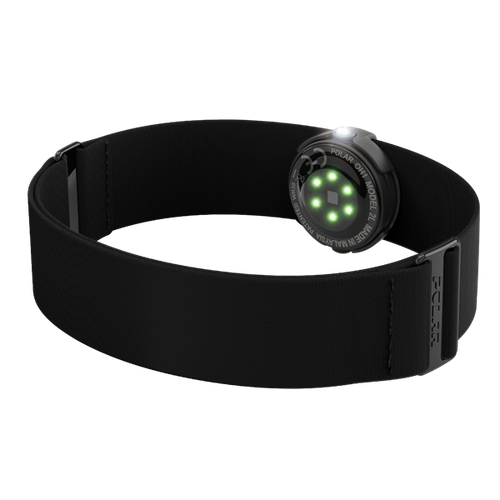
- A heart rate monitor is the key tool: you're training zones, not perceived effort
What is low-intensity interval training?
Low-intensity interval training uses the same structure as HIIT — alternating harder work periods with easier recovery periods — but caps intensity in the moderate zones. Where HIIT pushes into zones 4 and 5 (80–100% of maximum heart rate), LIIT stays in zones 2 and 3 (60–80% MHR).
LIIT is focused on zones 2 (60–70% MHR) and 3 (70–80% MHR).
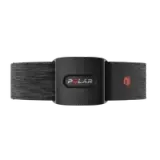
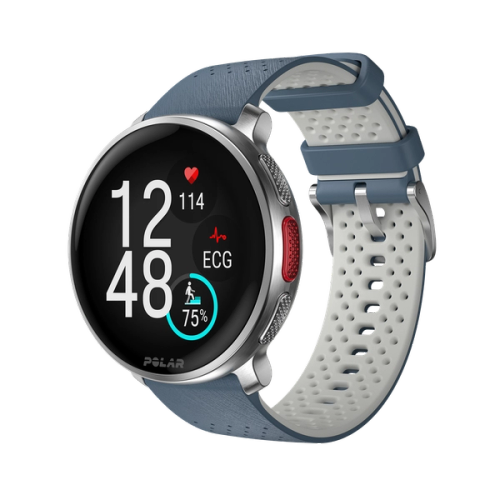
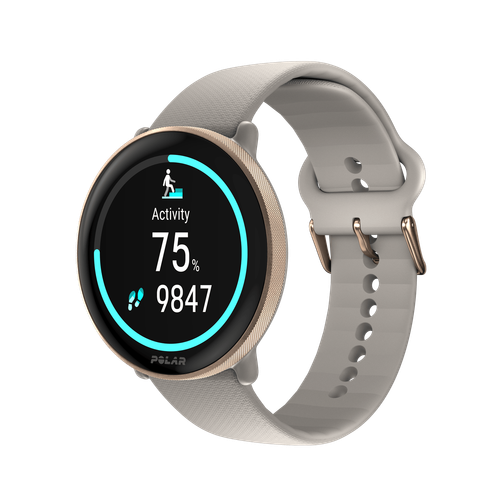
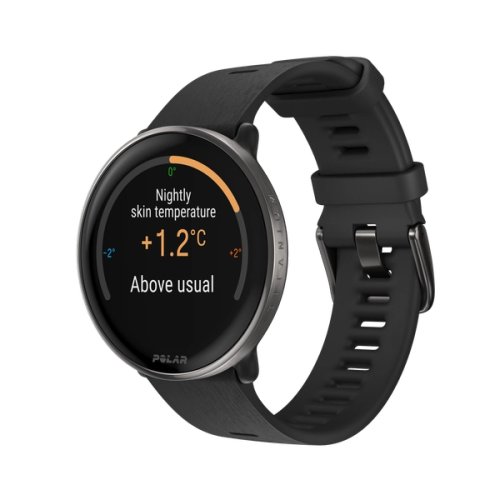
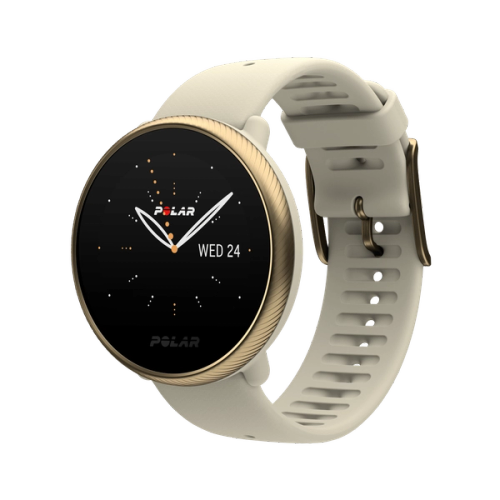
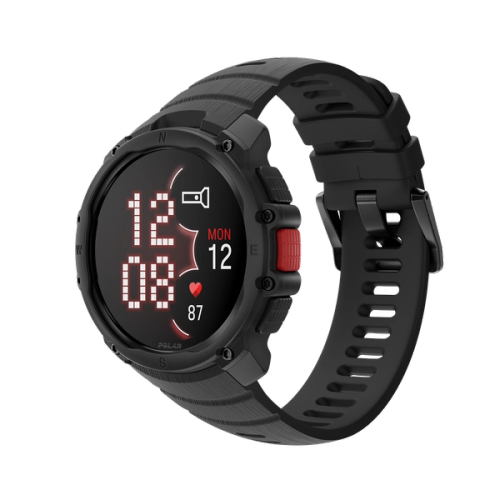
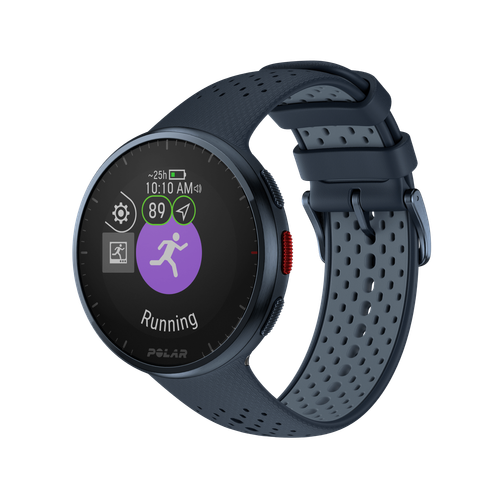
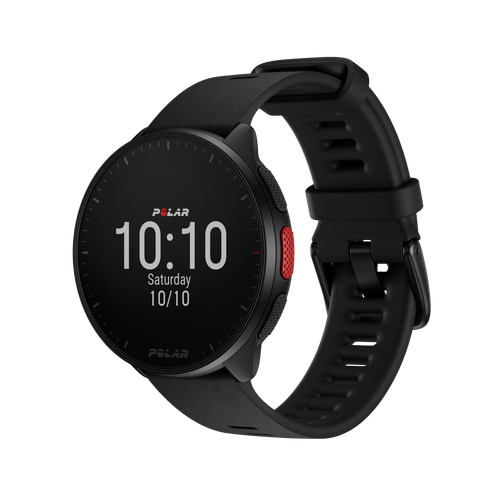
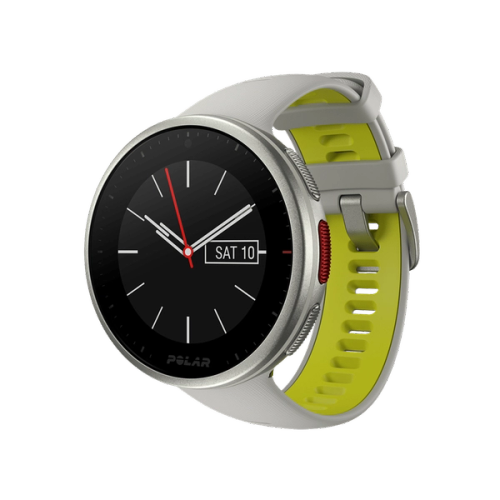
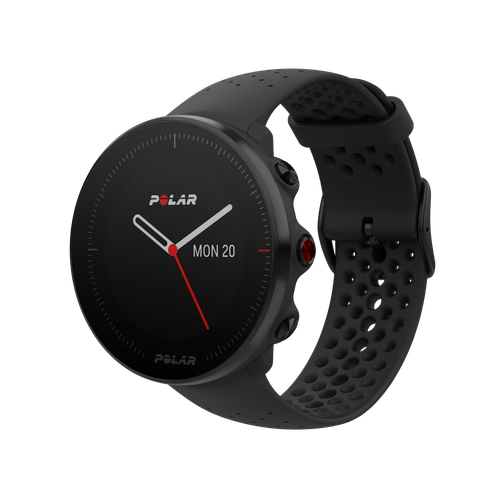
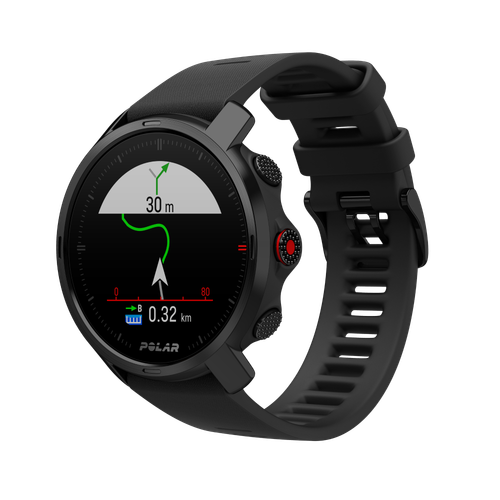
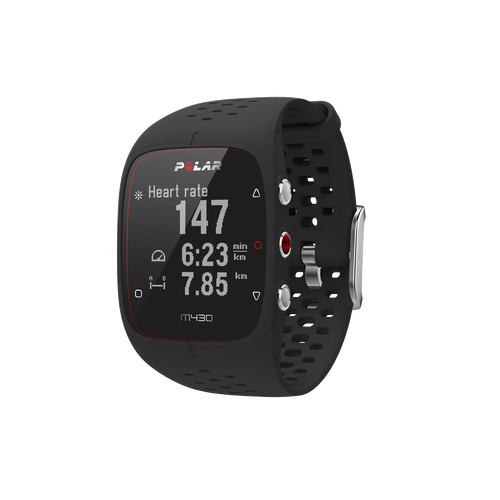
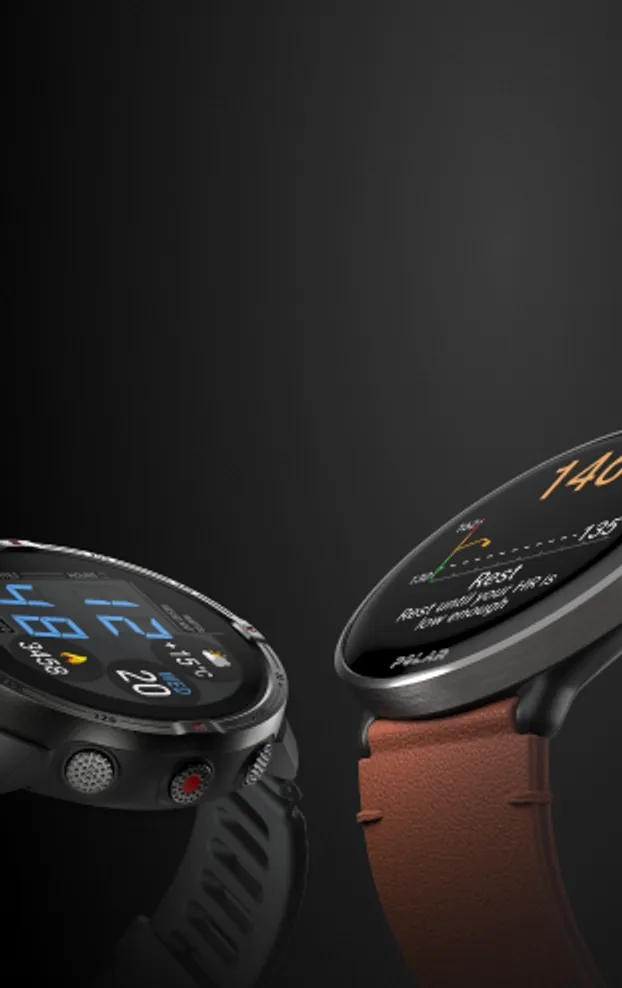
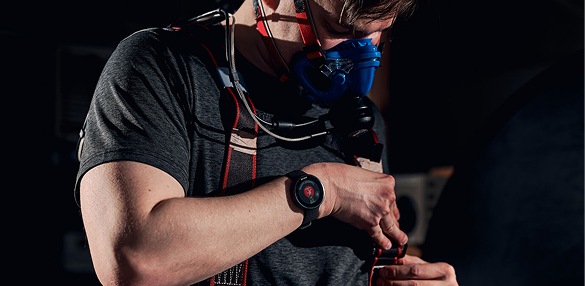
The intervals are defined by heart rate, not by feel. Work until you hit the upper end of zone 3, recover until your heart rate drops back to zone 1, then go again. A heart rate monitor or sports watch makes this practical to track in real time.
Don’t know your maximum heart rate? Use our calculator.
For a full breakdown of how the zones work, see the heart rate zones guide.
LIIT vs. HIIT
The core difference is intensity. HIIT pushes to maximum effort in short bursts; LIIT sustains a moderate pace across a longer session. Both are interval-based, but the physiological demands — and the recovery cost — are different. LIIT sessions run 40–60 minutes (versus 20–30 for HIIT), working in zones 2–3 with active zone 1 recovery throughout.
While HIIT will push you to your absolute limit in terms of exertion, LIIT has a gentler pace.
A study published in the Annals of Internal Medicine compared groups doing LIIT-style and HIIT workouts and found comparable effects on fat loss. (1) Researchers observed separate groups at Queen’s University in Kingston, Ontario, and found results across both training approaches to be similar — which challenges the assumption that effective exercise has to be intense.
Benefits of LIIT
LIIT is suitable for anyone, no matter your age, exercise experience, or fitness level.
Accessible regardless of fitness level. Because LIIT never demands maximal effort, there’s no fitness floor required. It works for beginners, older adults, and athletes returning from injury or a training break.
Lower injury risk. Working in zones 2–3 places substantially less stress on joints, tendons, and ligaments than high-intensity training. For anyone building a base or managing accumulated load, this makes consistent training more sustainable.
Fat loss with lower recovery cost. LIIT sessions run long enough to tap fat as a primary fuel source and produce fat-loss outcomes comparable to HIIT. The advantage is what follows: less muscle damage, less fatigue, and the ability to train again sooner.
Cardiovascular and muscular endurance. Sustained moderate-intensity work builds both cardiovascular and muscular endurance, improving blood circulation and efficient oxygen delivery over time.
Cognitive benefits in older adults. Moderate-intensity training has been shown to reduce fatigue and support cognitive health in older adults. (2) LIIT’s zone 2–3 structure sits precisely in that effective range.
A practical recovery session. For athletes already doing HIIT, tempo work, or hard strength training, LIIT provides active recovery that keeps adaptation happening without adding to cumulative fatigue.
How to do a LIIT workout
The format is simple: work until your heart rate reaches zone 2–3, recover until it drops to zone 1, repeat for 40–60 minutes.
Almost any movement works. The most accessible version: jog for 90 seconds on a treadmill, walk for 3–5 minutes, repeat. Yoga, barre, and pilates translate well too — alternate between postures that raise your heart rate into zone 2 with stretching sequences that bring it back down.
For a simple at-home circuit with no equipment:
- 10 squats
- Rest for 90 seconds
- 10 push-ups
- Rest for 90 seconds
- 30-second plank
- Rest for 90 seconds
- 10 sit-ups
- Rest for 90 seconds
Start with a short warm-up — a few minutes of easy walking or gentle movement. During rest intervals, keep moving lightly. You’re recovering, not stopping: a slow walk or easy stretch keeps circulation up while your heart rate drops.
Two rules to hold: don’t go above zone 3 during work intervals, and don’t start the next interval until your heart rate is back in zone 1. Both signals come from your heart rate monitor.
Start with three circuits. When that feels manageable across multiple sessions, add a fourth. Extend work intervals only after the current format feels easy — gradual progression keeps injury risk low and adaptation consistent.
Start where you are
LIIT’s main requirement isn’t fitness. It’s patience. Sessions are longer than HIIT, the intervals feel manageable, and results are cumulative rather than immediate.
If you’re building training for the first time — or returning to it — LIIT gives you structure that produces results without demanding everything in the first session. Start three days a week, watch the zones rather than the clock, and add complexity only when the current session feels easy. The heart rate zones guide explains how to set up your zones before your first session.
References
(1) Effects of exercise amount and intensity on abdominal obesity and glucose tolerance in obese adults. Annals of Internal Medicine. [Editor: verify full APA citation — original links to http://annals.org/aim/article/2173500]
(2) [Editor: add citation supporting cognitive and fatigue benefits of moderate-intensity training in older adults — claim present in original article without direct citation]
Enjoying this article? Subscribe to the Polar Newsletter and get notified when new articles are out.
Subscribe



 POLAR Street X
New
POLAR Street X
New
 Polar Vantage M3
 Polar Grit X2 Pro Titan
 Polar Grit X2 Pro
 Polar Grit X2
 Polar Vantage V3
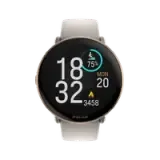 Polar Ignite 3
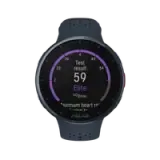 Polar Pacer Pro
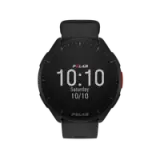 Polar Pacer
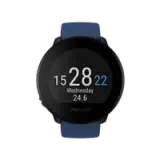 Polar Unite
Grit X Series
Vantage Series
Pacer Series
Ignite Series
Polar Unite
Grit X Series
Vantage Series
Pacer Series
Ignite Series