Physical fitness for women over 40 is an important and often underestimated topic. At the same time, there are an enormous number of myths and misconceptions around training, muscle building, and running for women in this life phase. In this article, you’ll learn what really matters for your fitness at this stage — and how you can further support your recovery.
Fitness for Women Over 40 — What Changes in This Life Phase?
What Does Declining Estrogen Mean?
The hormones estrogen and progesterone will take you on quite a rollercoaster ride — and that doesn’t always make things easy.
Change is part of life — the human body is constantly evolving, and the female body especially so. For women over 40, this means that the transition toward menopause — the end of fertility — begins slowly and gradually. Forty is not a magic age at which everything suddenly changes overnight.
On average, the so-called perimenopause (the menopausal transition) begins between ages 40 and 44 and lasts for several years. This phase ends with the last menstrual period — menopause itself — which typically occurs between ages 48 and 52.
This phase begins slowly and imperceptibly. In the first months or years, you may not notice any changes, or may not be able to attribute them to hormones. Other women experience very strong and limiting symptoms.
What happens in your body during this time is that the hormones estrogen and progesterone gradually decline. But they don’t do so in a linear way — instead, you may experience wild swings in these hormone levels, which explains many of the symptoms of perimenopause.
Estrogen is one of the most important hormones in the female body. It influences, among other things:
- Brain: body temperature regulation, memory, mood, concentration, libido
- Heart: heart rate, blood vessel elasticity, cholesterol reduction
- Liver: cholesterol regulation
- Bones: bone mineral density
- Skin: collagen production
- Muscles and joints: strength, muscle mass, flexibility, joint lubrication
- Gut: maintaining function
- Nerves: important for signal transmission
- Bladder: controls function and infection risk
- Intimate area: moisture and bacterial balance
- Body fat: distributes fat toward the lower body rather than the abdomen and visceral region
Since this article is primarily about training and fitness for women over 40, I’ll focus specifically on those aspects.
Fitness for Women Over 40 — Changes in Body Fat Distribution
As estrogen declines, body composition changes. This primarily affects how body fat is distributed — with more accumulating in the abdominal area. During this phase, both visceral fat (the fat surrounding your organs) and subcutaneous fat in the abdomen increase.
The average woman also experiences a weight gain of 5–10 kilograms over the course of the full transition to menopause.
Loss of Muscle Mass and Bone Density
Beyond changes in fat storage, women over 40 also lose muscle mass and muscle function. This means muscles become somewhat less efficient and produce less output. The proportion of valuable Type II muscle fibers also declines — those are the fibers responsible for speed and explosive power, rather than long endurance-based activities.
In addition, the hormonal transition also causes a reduction in bone density, which is why many women in their 50s and 60s develop osteoporosis.
Changes in Metabolism
Estrogen supports fat metabolism and helps store fat in the lower body rather than centrally. This has a protective effect against cardiovascular disease — which is why we see significantly lower rates of such conditions in women prior to perimenopause. This makes it all the more important to actively maintain this metabolic health through training.
To maintain metabolic health, women should actively train for it.
Although many women feel their metabolism is “slowing down” during this phase, there is no clear evidence of an actual reduction in basal metabolic rate beyond the loss of muscle mass. If anything, this amounts to up to around 100 kilocalories per day — if you maintain the same muscle mass as before perimenopause. But this can add up over time.
In addition, unconscious daily movement often decreases, and it’s possible that the body handles a caloric surplus differently than it did at a younger age.
Reduced Recovery Capacity
You may also notice a reduced recovery capacity during this phase. You may need more time between intensive sessions to recover — something that can be further exacerbated by potential disruptions to sleep, mood, and other factors during perimenopause.
Fitness for Women Over 40 — What Matters in Your Training
All of these potential negative effects of declining sex hormones on health and fitness for women over 40 can feel alarming and demotivating at first.
But the good news is: through training, you can make an incredible difference — and actively support your body during this phase. Although it’s often hardest to maintain a regular exercise routine at precisely this time, it’s exactly when it matters most — and can even have a positive effect on symptoms. Please don’t treat the following recommendations as rigid rules — and do seek support from your doctor if you’re dealing with severe symptoms.
The three most important components of fitness for women over 40 are:
Strength Training for Women Over 40
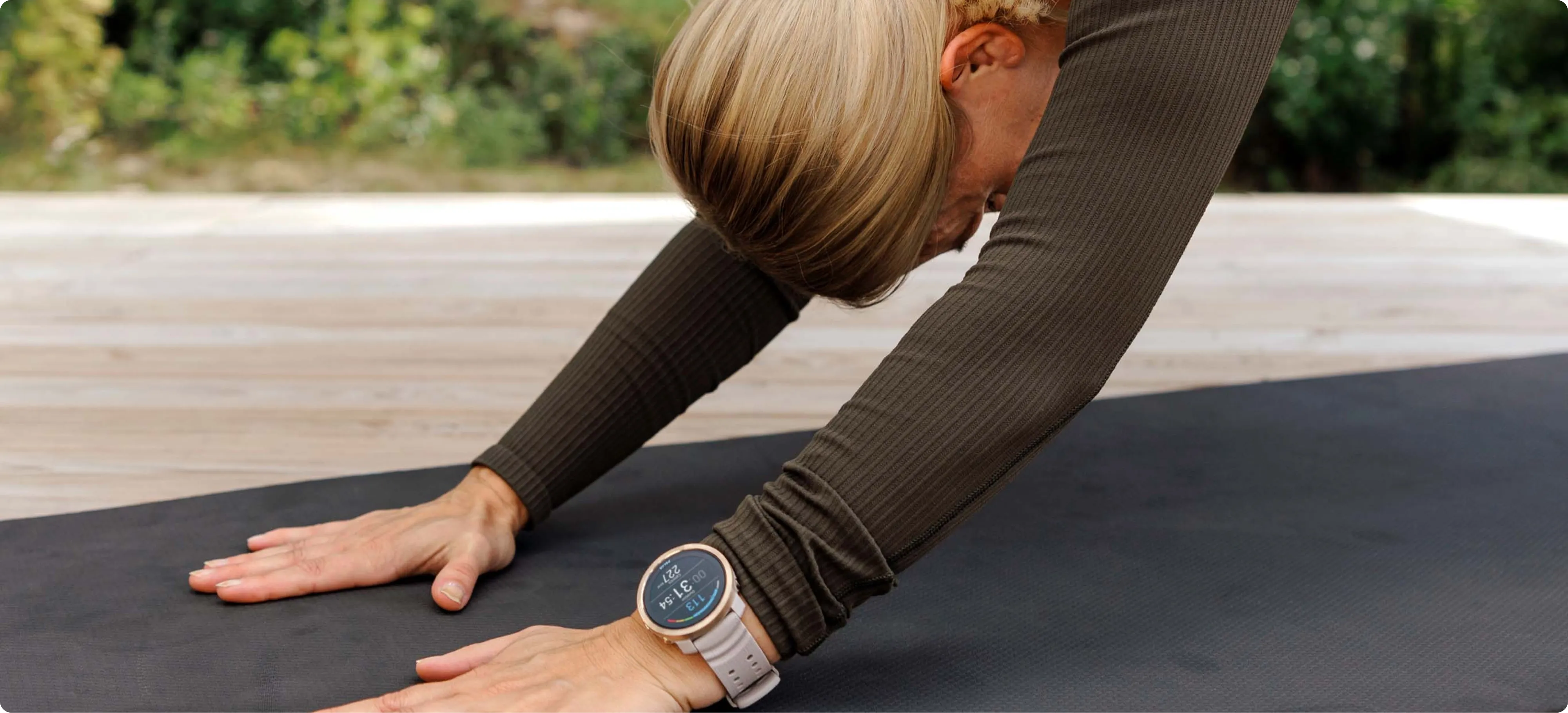
Women over 40 need strength training to maintain or even build muscle mass and bone density. The focus should be on heavy strength training with high intensity — particularly for the lower body. If you’re a beginner, start with your own body weight and gradually progress to training with external load.
Find a training dose you can motivate yourself for — one that’s manageable for you. It doesn’t need to be optimal from day one. Even one strength session per week at home is better than nothing.
Long-term, aim to cover these core principles:
- Train your whole body 2x per week.
- Train through full range of motion.
- Prefer lower rep ranges (e.g., 2–3 sets of 3–12 reps).
- Train close to muscular failure — leaving a maximum of 1–3 reps in reserve at a given weight.
Plyometrics
Alongside classic strength training, plyometric training is essential for fitness in women over 40. It supports the performance and resilience of your muscles and connective tissues, helps improve speed, and trains the valuable Type II muscle fibers. Plyometric training is also excellent for maintaining bone density.
- Integrate jumps, hops, and quick direction changes into your training several times per week.
- Start with a very low dose — for example, small two-legged hops (pogo hops), 2–3 sets of 10 reps per session.
- Progress gradually toward more challenging variations.
- Prioritize high movement quality, low fatigue, and short ground contact times.
Fitness for Women Over 40 — Endurance Training
Of course, women over 40 also need endurance training for their fitness. During this life phase, you can benefit even more from HIIT and sprints. But that doesn’t mean you should avoid aerobic Zone 2 training — it won’t harm you.
Please don’t believe social media claims that Zone 2 training makes you gain weight, spikes cortisol excessively, and should be avoided entirely by women over 40. That’s simply not true — endurance training is incredibly important at this age too.
- Do 1–2 sessions of high-intensity interval training per week, or integrate 2–3 intensity spikes into your easier sessions each week.
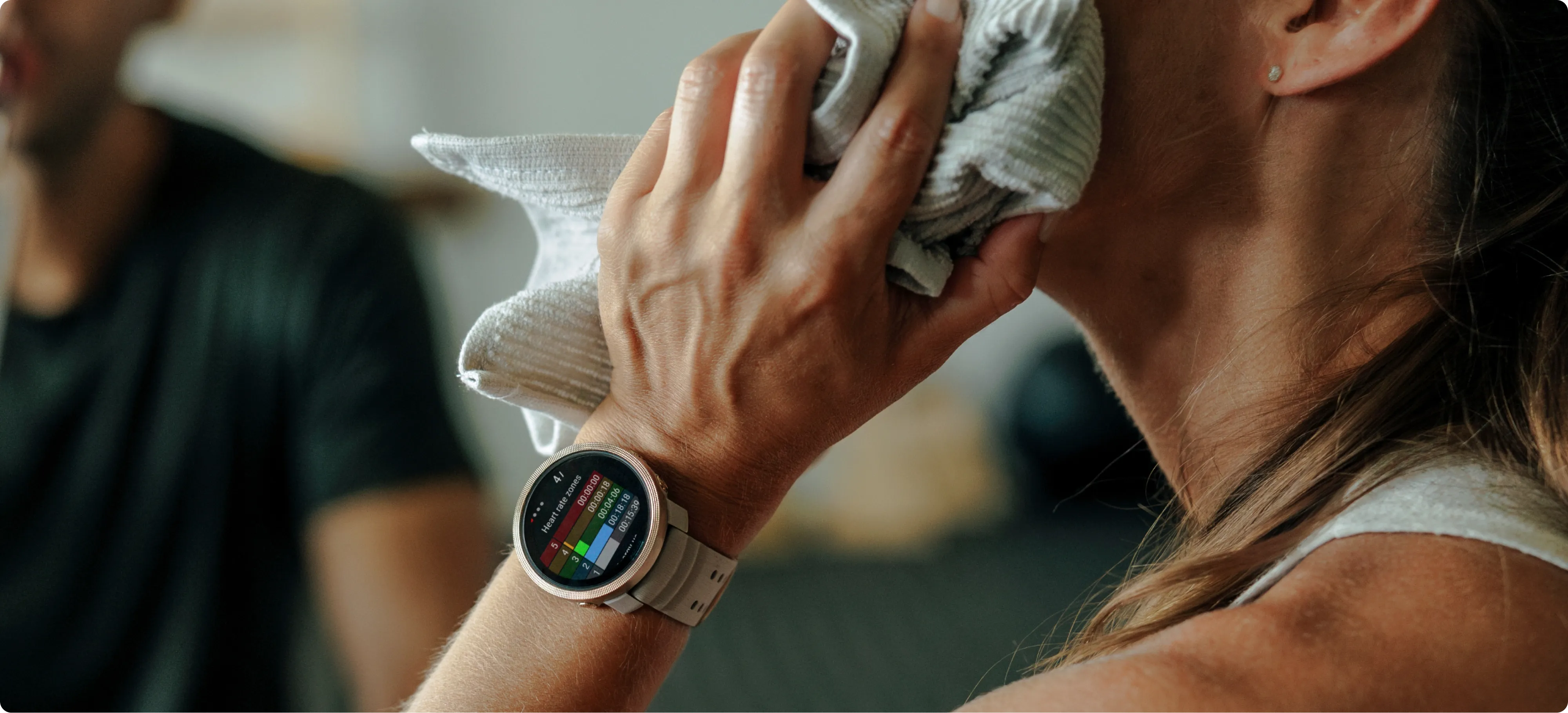
- During those intervals, aim to push your heart rate to 85% of your maximum heart rate or higher.
- Start with low training volume and increase only gradually. Ease in carefully.
- Avoid high-intensity running sessions if you don’t yet have a solid running base. Opt instead for equipment like an air bike, rowing machine, or spinning bike.
- Complement your high-intensity training with 1–3 easy cardio sessions per week at low intensity — approximately 60–75% of your maximum heart rate.
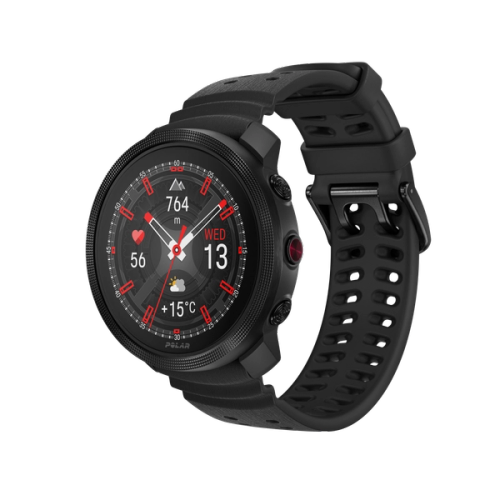
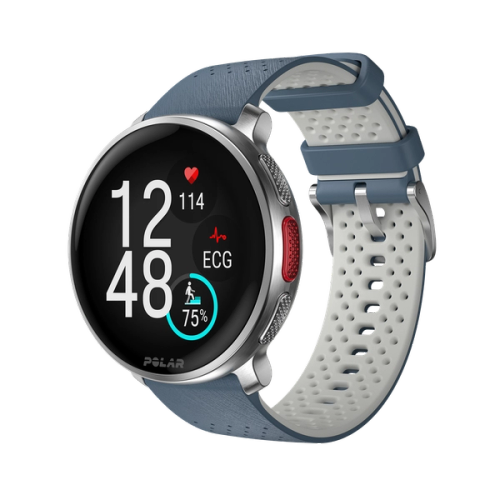
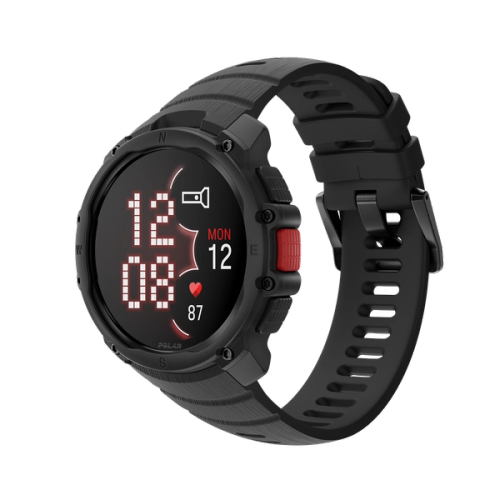
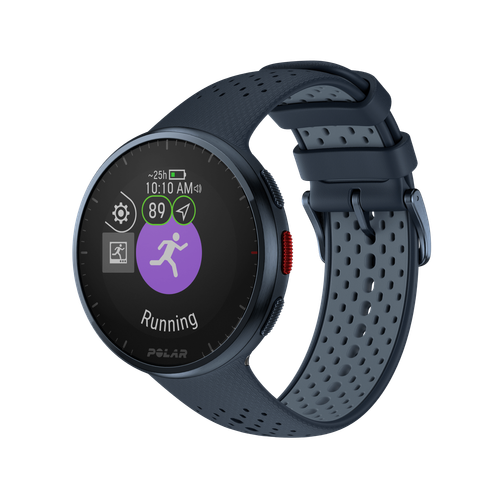
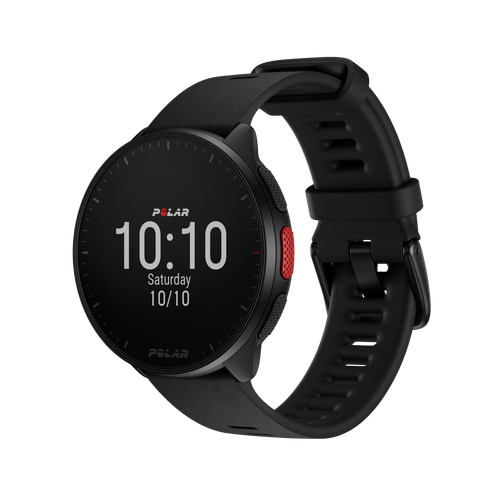
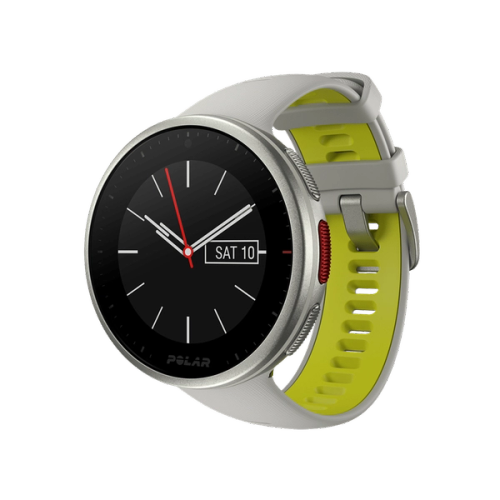
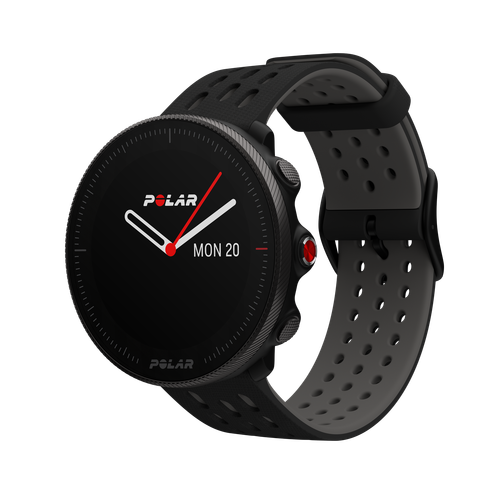
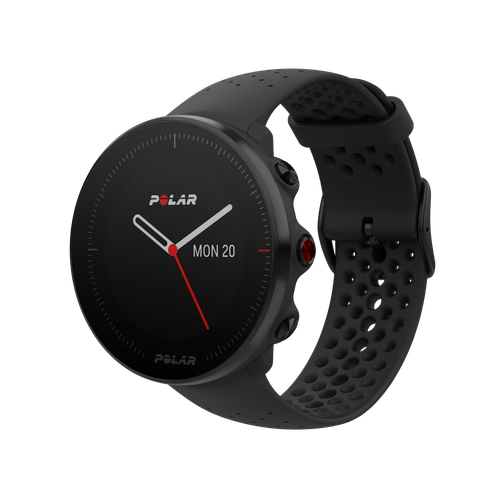
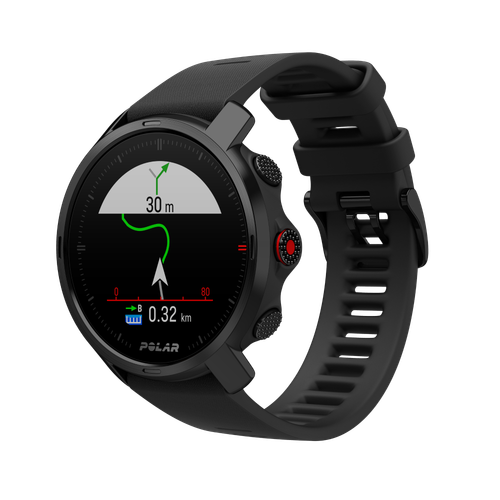
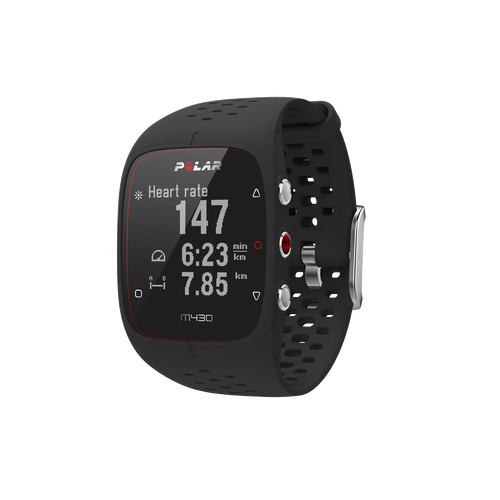
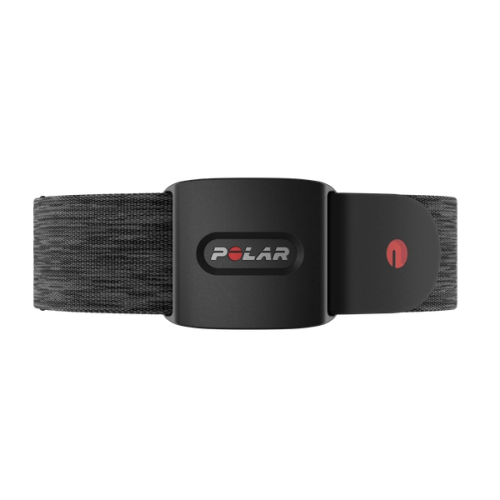
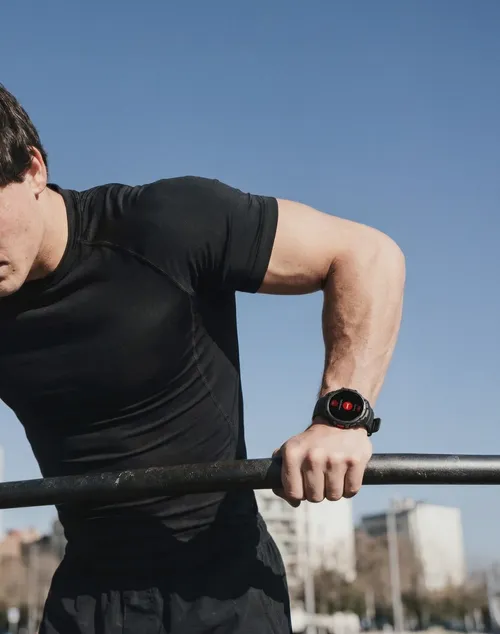
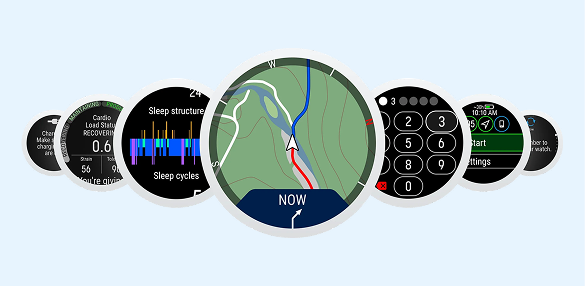
- Use heart rate monitoring to make every minute of training count — for example with the Polar Vantage M3.
undefined
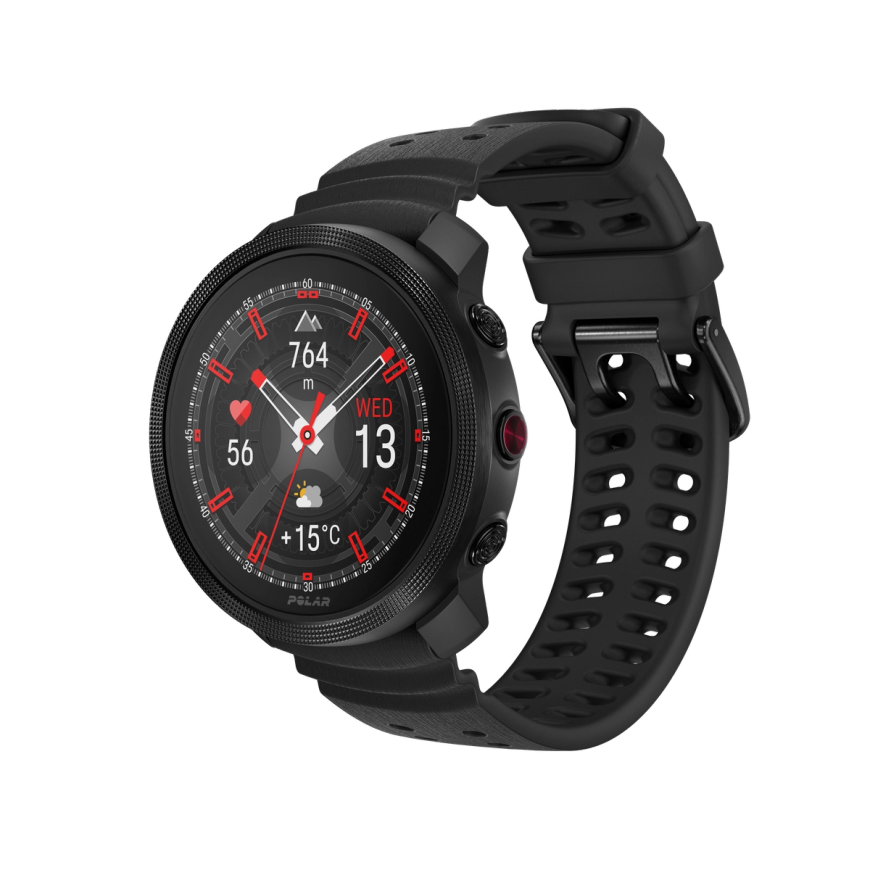
Polar Vantage M3
Smart Multi-Sport Watch
Polar Vantage M3 is a smart multi-sport watch for multi-sport athletes that’s compact yet powerful, stylish yet strong, and designed to bring extraordinary training, sleep and recovery tools into everyday life.
Remember: you don’t have to follow any of these tips if they add pressure or make you uncomfortable. Think of them as suggestions and ideas.
Summary
As the transition to menopause begins, estrogen levels decline — shifting fat distribution toward the abdomen and visceral region, and contributing to the loss of muscle mass and bone density.
That’s why strength training, plyometric exercises, and cardio workouts are so important — to maintain muscle mass and promote overall fitness. Complementary strategies such as adequate protein intake, daily movement, and active recovery support can also make a real difference.
Through training and lifestyle adjustments, women over 40 can effectively support their physical fitness and health — even in this demanding life phase.
Enjoying this article? Subscribe to the Polar Newsletter and get notified when new articles are out.
Subscribe



 POLAR Street X
New
POLAR Street X
New
 Polar Vantage M3
 Polar Grit X2 Pro Titan
 Polar Grit X2 Pro
 Polar Grit X2
 Polar Vantage V3
 Polar Ignite 3
 Polar Pacer Pro
 Polar Pacer
 Polar Unite
Grit X Series
Vantage Series
Pacer Series
Ignite Series
Polar Unite
Grit X Series
Vantage Series
Pacer Series
Ignite Series