Found yourself wondering, "What is a good swimming pace?" It’s a common question, and the answer isn’t always straightforward. Is paddling comfortably your goal, or are you aiming to turn into a speed demon? Maybe you're training for a triathlon and need to find that perfect balance of speed and endurance.
Don't worry, we've got you covered. In this guide, we'll dive into what factors influence your swim pace, from your stroke to the water temperature. We'll also break down different swimming styles, compare them to world records, and even talk about how your heart rate plays a role. Let's get swimming!
What’s a good swimming pace?
What's the difference between cruising or crawling in the pool? It’s like trying to figure out if you should walk, jog, or sprint – it all depends on what you're aiming for.
Average Swimming Pace
First off, let's talk average. Now, everyone's different, and factors like your age and ability will affect your pace. So there's no one-size-fits-all answer.
But to give you a general idea, most people take between 2 and 3 minutes to swim 100 meters. If you're clocking in around there, you're in the ballpark. Based on your ability, the distance you'll cover when swimming for 30 minutes (continuously) will probably look something like this:
- Beginner Swimmer: 1,000m in 30 minutes (3:00/100m pace)
- Average Swimmer: 1,500m in 30 minutes (2:00/100m pace)
- Strong Swimmer: 2,000m in 30 minutes (1:30/100m pace)
- Elite Swimmer: 2,500m in 30 minutes (1:12/100m pace)
- World Record Pace: 3,000m in 30 minutes (1:00/100m pace)
Different styles, different paces
Here's the thing: not all strokes are created equal. Freestyle is generally the fastest stroke. Think of it as a sports car. Butterfly is next, demanding a ton of power and coordination – like a race car. Backstroke is a bit slower but still pretty zippy, like a sporty sedan. Breaststroke is the leisurely cruiser of the swimming world, perfect for relaxing and enjoying the ride.
So, while an elite swimmer might cover 50 meters in about 30 seconds freestyle, it could take them closer to 40 seconds for butterfly, 45 seconds for backstroke, and maybe even a minute for breaststroke.
That means when comparing paces, it's important to stick to the same swimming stroke. Don't compare your leisurely breaststroke to someone's freestyling frenzy.
World Record Breakers
Want to know who's the fastest swimmer on the planet? For the 100-meter freestyle, that title changes every now and then.
As of right now, the men's world record is held by Pan Zhanle. The Chinese swimming superstar recently broke the world record in a blistering time of 46.40 seconds at the 2024 Paris Olympics. He's insanely fast!
And for the women? Sarah Sjöström from Sweden has held the 100m freestyle world record since 2017 with a time of 51.71 seconds. The five-time Olympian also holds the 50 butterfly and 50 freestyle world records.
Enjoying this article? Subscribe to Polar Journal and get notified when a new Polar Journal issue is out.
Subscribe
Factors that affect swimming pace
If you're trying to hit your target pace, but something’s off, don’t worry. It happens to the best of us. Let's break down some things that can impact your swim speed.
Stroke Technique
Your stroke is like your car's engine – it's what propels you forward. If it's not tuned up, you're going to burn more fuel and go slower. Even small tweaks to your arm pull, kick, or body position can make a big difference. Think of it like this: a smooth, efficient stroke is like gliding through the water, while a choppy one is like swimming uphill.
Water Temperature
Believe it or not, the temperature of the water can affect your swim pace. Water that’s too cold can make your muscles tense up and slow you down. On the other hand, water that’s too warm can make you feel sluggish. The Goldilocks zone – not too hot, not too cold – for competitive or fitness swimming is usually somewhere between 75–84°F (24-28°C).
Open Water vs. Pool
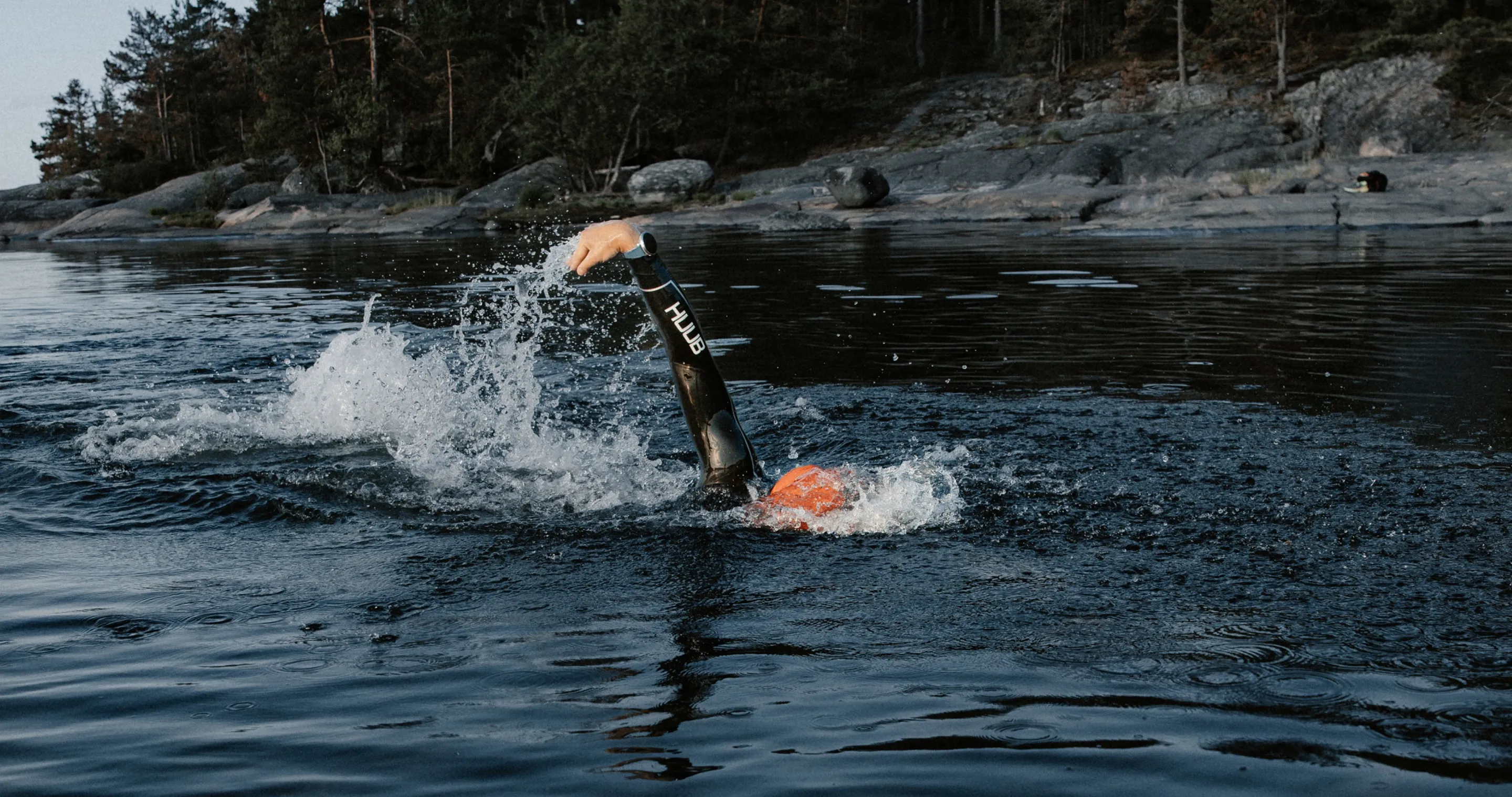
Swimming in a pool is like running on a track – predictable and consistent. Open water swimming is more like a trail run – full of surprises. Waves, currents, and other swimmers can all impact your pace. Plus, you're using more energy to stay afloat and navigate your way. So, don’t be too hard on yourself if your open water pace is slower than your pool time.
undefined

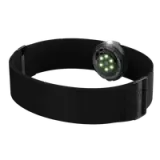
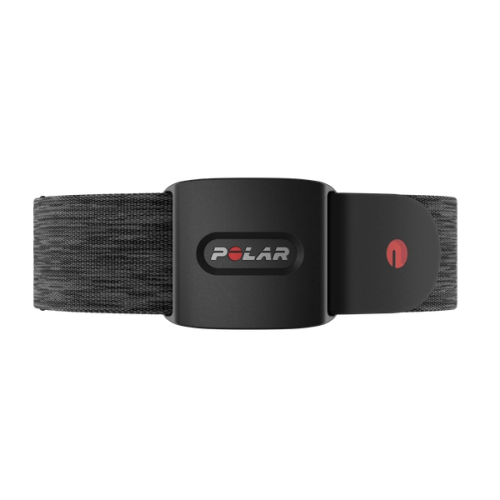
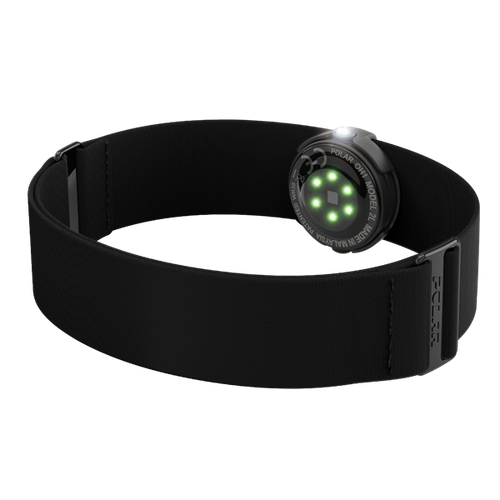
Polar Verity Sense
Optical Heart Rate Sensor
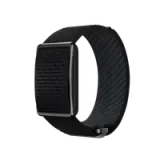
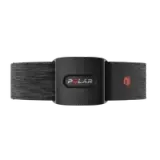
Polar Verity Sense is an optical heart rate monitor that provides you with maximum freedom of movement and multiple options for viewing and recording your workouts. With Bluetooth®, ANT+, and internal memory, you can connect Polar Verity Sense to a sports watch or app to see your workout in real time, or view your data afterwards.
Heart rate and swimming pace
It's no surprise that when you swim faster, your heart works harder to pump blood to your muscles, causing your heart rate to go up. So, a high-intensity sprint will have your heart pounding, while a gentle float will keep it steady.
But how fast should you be swimming for training or exercise? That comes down to your goals. Here is a brief guide to Heart Rate Training Zones for swimming:
| Zone | Description | Effort | Concentration | Breathing | Use Cases | Recovery |
|---|
| Zone 1: Recovery | Easy swim or cool down. Very low intensity. | Minimal sensation of muscular effort/fatigue. Easy conversation possible. | No concentration required. | - | Active recovery, between intervals, recreational/social swimming. | Not required |
|---|
| Zone 2: Endurance | Classic long slow distance (LSD) training. | Generally low sensation of effort, may rise with training aids. | Concentration required to maintain effort, especially at higher intensity or longer sessions. | More regular than Zone 1. | Frequent training, long-distance triathlons (IRONMAN). | More than a day |
|---|
| Zone 3: Tempo | Typical intensity of fartlek workout. | Greater sensation of effort/fatigue than Zone 2. | Concentration needed to maintain pace, especially at higher intensity. | Deeper and more frequent than Zone 2. | intensity training, middle-distance triathlons (IRONMAN 70.3). | Possible, but requires rest |
|---|
| Zone 4: Threshold | Continuous sensation of moderate or even greater effort/fatigue | Very demanding mentally. | Sustained concentration required. | - | Interval training, standard distance triathlons (Olympic Distance). | Requires rest/recovery before next session |
|---|
| Zone 5: VO2 Max | Interval intensity to increase VO2 max or swimming speed. | Strong to severe sensations of effort/fatigue. Difficult to sustain for more than a few minutes | Extreme concentration required. | - | Speed training, should be attempted when well-rested. | Consecutive days not recommended |
|---|
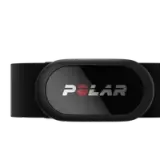
It's important to remember that everyone's heart rate zones are different. What's easy for one person might be moderate for another. That's why it's helpful to use a heart rate monitor. It can give you real-time feedback on how hard you're working and help you tailor your workouts to your goals.
Swimming pace and triathlon
Ready to tackle a triathlon and you're wondering what kind of swim pace you should aim for? Well, the truth is, it depends on a few things: the distance of the race, your overall fitness level, and your goals.
Half Ironman (70.3 miles, including a 1.2-mile swim)
Professional triathletes typically finish the 1,900-meter swim in 23–28 minutes, or about 1:15 per 100 meters. Elite age-groupers usually finish in 31–33 minutes, or about 1:38 per 100 meters. The average middle-aged man swims at 2.06 per 100 meters, while the average middle-aged woman swims at 2.12 per 100 meters.
Ironman (140.6 miles, including a 2.4-mile swim)
The average middle-aged man swims at 2.02 per 100 meters, while the average middle-aged woman swims at 2.09 per 100 meters. The top 10% of Ironman swimmers average around 1:35 per 100 meters, while professional triathletes can swim under 1:15 per 100 meters for men and under 1:20 per 100 meters for women.
Swimming pace chart
Want to know how fast you should be swimming? Check out this handy chart. It gives you a rough idea of what pace you should aim for, from a quick 100 yards to a full-hour swim.
Here's how to use it:
- Time yourself: Swim 100 yards (or meters) at a steady pace.
- Check the chart: Find your time and see what the chart suggests for longer distances.
Remember, this is just a guide. Everyone's different, so don't stress if you're a bit faster or slower. The main thing is to enjoy your swim.
| 100 | 200 | 300 | 400 | 500 | 600 | 800 | 1000 | 1500 | 1650 | Hour |
|---|
| 1:00 | 2:00 | 3:00 | 4:00 | 5:00 | 6:00 | 8:00 | 10:00 | 15:00 | 16:30 | 6 000 |
|---|
| 1:05 | 2:10 | 3:15 | 4:20 | 5:25 | 6:30 | 8:40 | 10:50 | 16:15 | 17:52 | 5 535 |
|---|
| 1:10 | 2:20 | 3:30 | 4:40 | 5:50 | 7:00 | 9:20 | 11:40 | 17:30 | 19:15 | 5 140 |
|---|
| 1:15 | 2:30 | 3:45 | 5:00 | 6:15 | 7:30 | 10:00 | 12:30 | 18:45 | 20:37 | 4 800 |
|---|
| 1:20 | 2:40 | 4:00 | 5:20 | 6:40 | 8:00 | 10:40 | 13:20 | 20:00 | 22:00 | 4 500 |
|---|
| 1:25 | 2:50 | 4:15 | 5:40 | 7:05 | 8:30 | 11:20 | 14:10 | 21:15 | 23:22 | 4 235 |
|---|
| 1:30 | 3:00 | 4:30 | 6:00 | 7:30 | 9:00 | 12:00 | 15:00 | 22:30 | 24:45 | 4 000 |
|---|
| 1:35 | 3:10 | 4:45 | 6:20 | 7:55 | 9:30 | 12:40 | 15:50 | 23:45 | 26:07 | 3 785 |
|---|
| 1:40 | 3:20 | 5:00 | 6:40 | 8:20 | 10:00 | 13:20 | 16:40 | 25:00 | 27:30 | 3 600 |
|---|
| 1:45 | 3:30 | 5:15 | 7:00 | 8:45 | 10:30 | 14:00 | 17:30 | 26:15 | 28:52 | 3 425 |
|---|
| 1:50 | 3:40 | 5:30 | 7:20 | 9:10 | 11:00 | 14:40 | 18:20 | 27:30 | 30:15 | 3 270 |
|---|
| 1:55 | 3:50 | 5:45 | 7:40 | 9:35 | 11:30 | 15:20 | 19:10 | 28:45 | 31:37 | 3 130 |
|---|
| 2:00 | 4:00 | 6:00 | 8:00 | 10:00 | 12:00 | 16:00 | 20:00 | 30:00 | 22:00 | 3 000 |
|---|
| 2:05 | 4:10 | 6:15 | 8:20 | 10:25 | 12:30 | 16:40 | 20:50 | 31:15 | 34:22 | 2 880 |
|---|
| 2:10 | 4:20 | 6:30 | 8:40 | 10:50 | 13:00 | 17:20 | 21:40 | 32:30 | 35:45 | 2 765 |
|---|
| 2:15 | 4:30 | 6:45 | 9:00 | 11:15 | 13:30 | 18:00 | 22:30 | 33:45 | 37:07 | 2 665 |
|---|
| 2:20 | 4:40 | 7:00 | 9:20 | 11:40 | 14:00 | 18:40 | 23:20 | 35:00 | 28:30 | 2 570 |
|---|
| 2:30 | 5:00 | 7:30 | 10:00 | 12:30 | 15:00 | 20:00 | 25:00 | 37:30 | 31:15 | 2 400 |
|---|
| 2:40 | 5:20 | 8:00 | 10:40 | 13:20 | 16:00 | 21:20 | 26:40 | 40:00 | 44:00 | 2 250 |
|---|
| 2:50 | 5:40 | 8:30 | 11:20 | 14:10 | 17:00 | 22:40 | 28:20 | 42:30 | 46:45 | 2 115 |
|---|
| 3:00 | 6:00 | 9:00 | 12:00 | 15:00 | 18:00 | 24:00 | 30:00 | 45:00 | 49:30 | 2 000 |
|---|
Pace yourself
So, there you have it. Finding your ideal swimming pace is part of the journey, not the destination. It's about understanding your body, your goals, and the nuances of different strokes. Remember, it's okay to experiment and adjust your pace as needed.
And if you're serious about improving your swimming performance, consider incorporating heart rate training into your routine. Your heart rate is a fantastic indicator of intensity, helping you avoid the pitfalls of overtraining or undertraining. By understanding your heart rate zones, you can optimize your workouts and achieve your swimming goals.
Happy swimming!
undefined
Polar Vantage M3
Smart Multi-Sport Watch
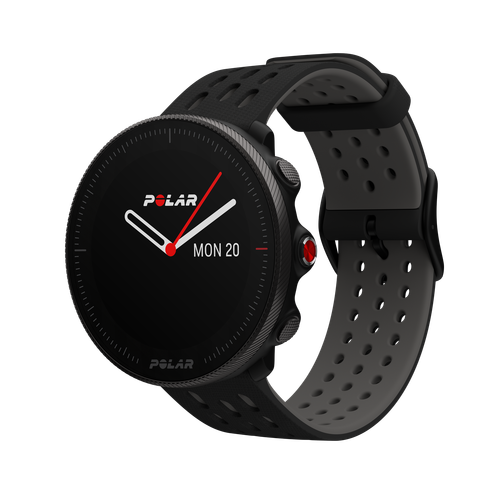
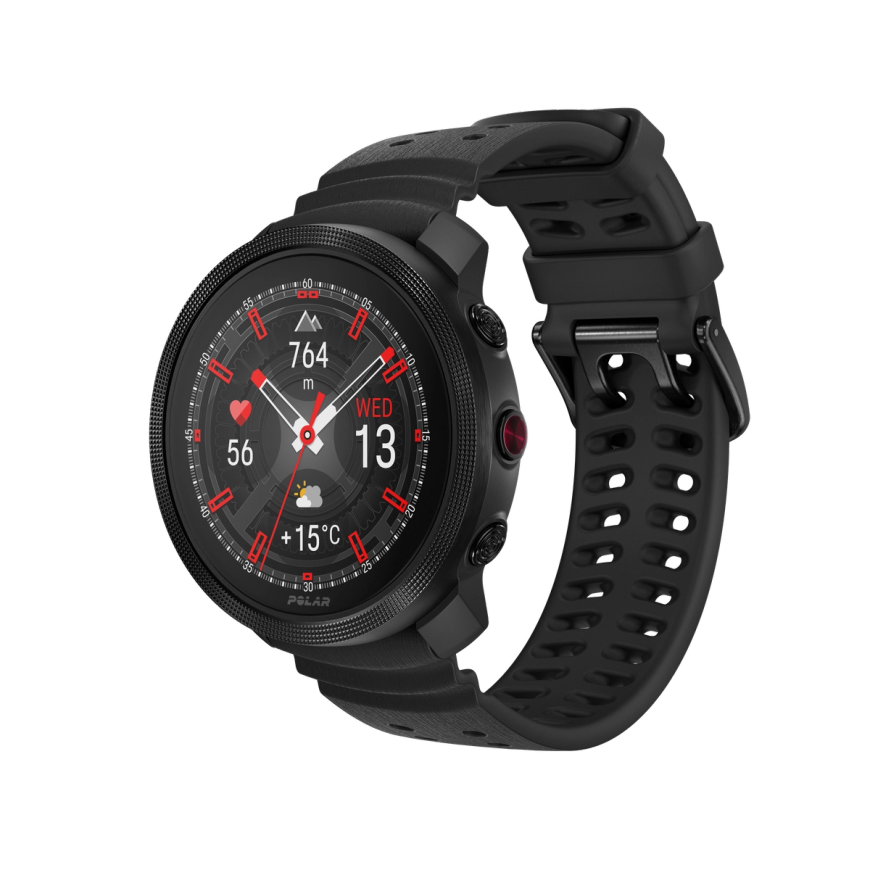
Polar Vantage M3 is a smart multi-sport watch for multi-sport athletes that’s compact yet powerful, stylish yet strong, and designed to bring extraordinary training, sleep and recovery tools into everyday life.
Polar Vantage V3
Premium Multisport Watch
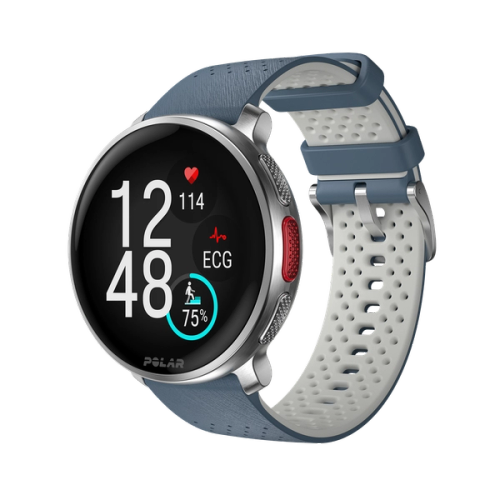
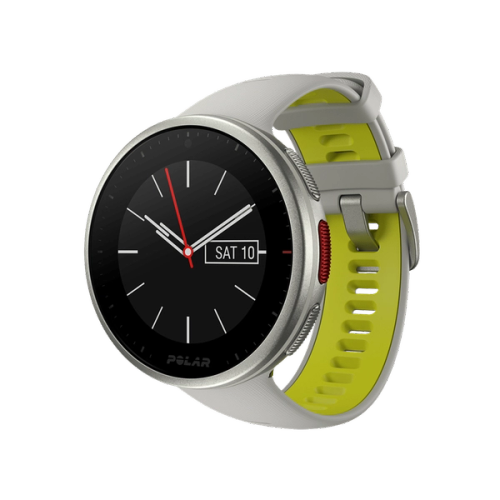
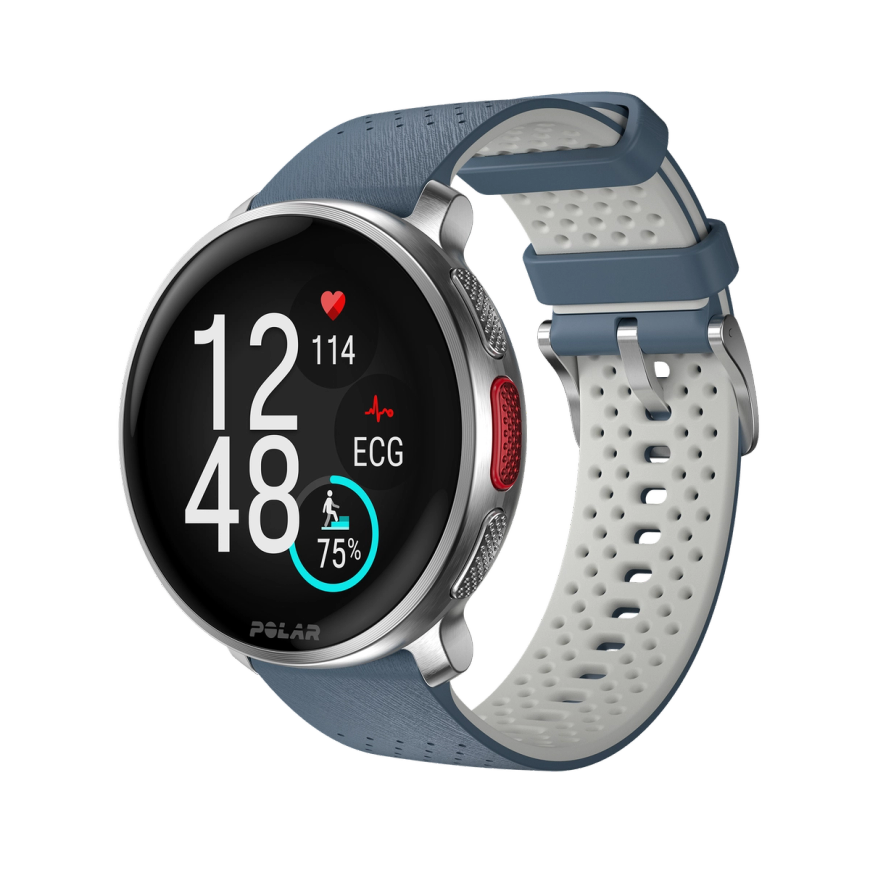
An ensemble of biosensing instruments, AMOLED display, dual-frequency GPS, maps, and the most comprehensive suite of training and recovery tools on the market. The stage is set, and the Polar Vantage V3 smart sports watch is ready to put in the performance of a lifetime.



 Polar Vantage M3
 Polar Grit X2 Pro Titan
 Polar Grit X2 Pro
 Polar Grit X2
New
Polar Grit X2
New
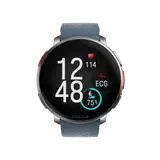 Polar Vantage V3
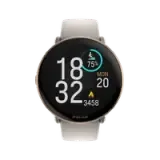 Polar Ignite 3
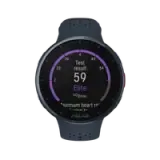 Polar Pacer Pro
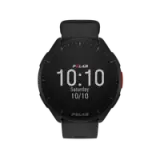 Polar Pacer
 Polar Unite
Grit X Series
Vantage Series
Pacer Series
Ignite Series
Polar Unite
Grit X Series
Vantage Series
Pacer Series
Ignite Series