Monitoring your running cadence can be a powerful tool in helping you to become a better runner.
Let’s get one thing straight. There’s no such thing as a universal, ideal cadence for running. There is no one stride rate everyone should aim for.
But while going after a specific number is not advisable, keeping an eye on your cadence does have many benefits: it can help you improve your running efficiency, reduce the risk of injury, lessen muscle damage in training and enhance recovery.
What is running cadence?
In running, cadence is often defined as the total number of steps you take per minute. One easy way to measure your cadence for running is to count the times your feet hit the ground in 60 seconds.
Cadence can also be defined as the number of steps one foot takes per minute. For example, in Polar running watches and other products, a cadence of 180 steps per minute is shown as 90.
Cadence is one of the two factors that make up a runner’s speed. The other is stride length.
Good runners usually have a higher cadence because they usually go faster than beginners. Top marathoners typically run with a cadence above 90, whereas most beginners will run at 78–82.
How do I determine my running cadence?
So, if you want to go faster, you have two options: either you increase your cadence – your stride rate – or you take longer strides.
Your cadence is determined by your training history, running ability and anatomy. For example, taller runners will naturally have slightly lower cadences.
Every runner has their personal cadence style. One runner might take long strides and run economically, another runner might take more steps per minute and also run economically.
There is little point in only increasing your cadence in order to become a better runner. That’s just not the way it works. When you become a better runner by working on your speed, strength, and coordination, you may notice a change in your cadence.
As you become stronger and faster – and find your optimal cadence and stride length – you will be able to run at the same speed with less effort. When you improve your stamina, you will be able to keep up that pace and your optimal cadence and stride length for longer.
How can I monitor my cadence for running?
There are several ways to find out what your cadence is. You can use a stopwatch and count your steps per minute.
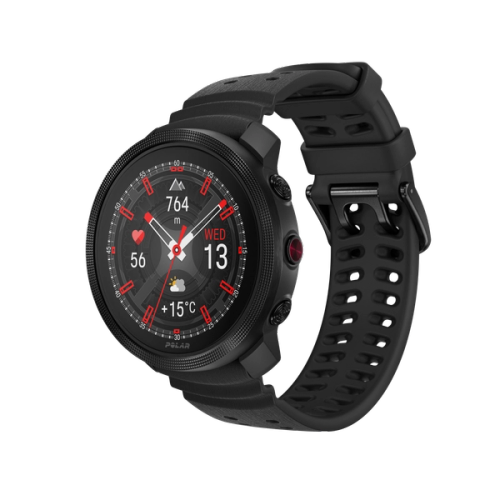
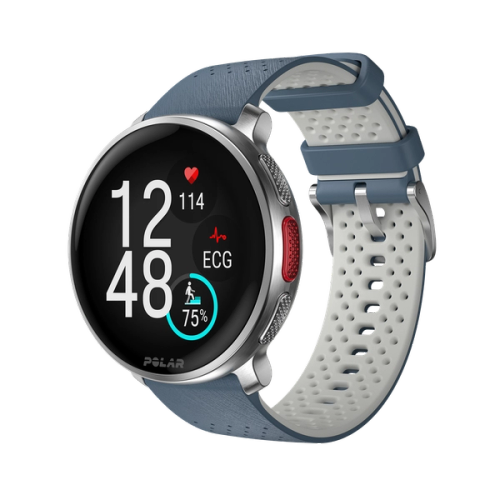
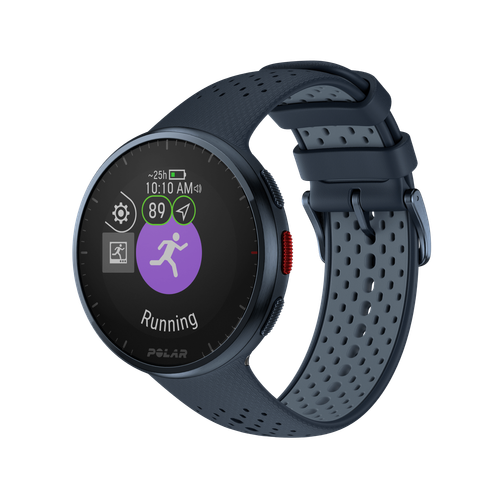
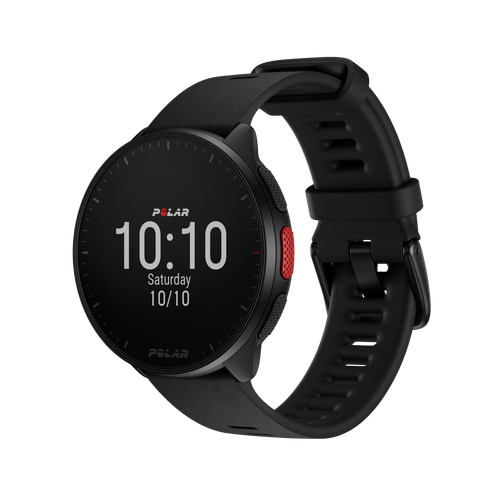
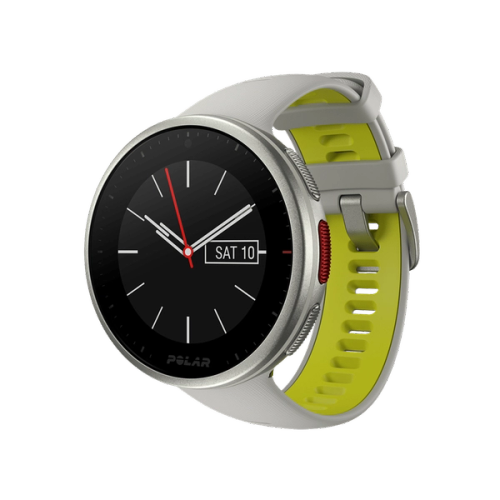
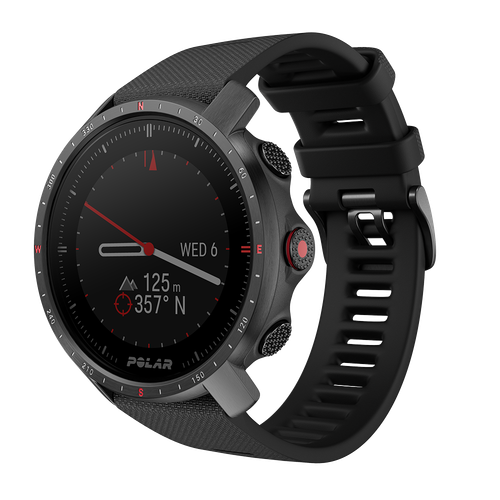
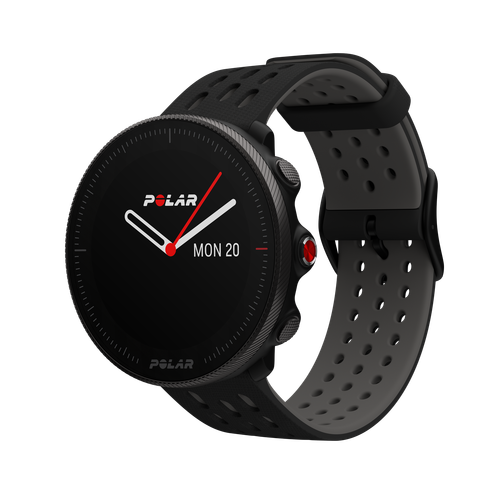
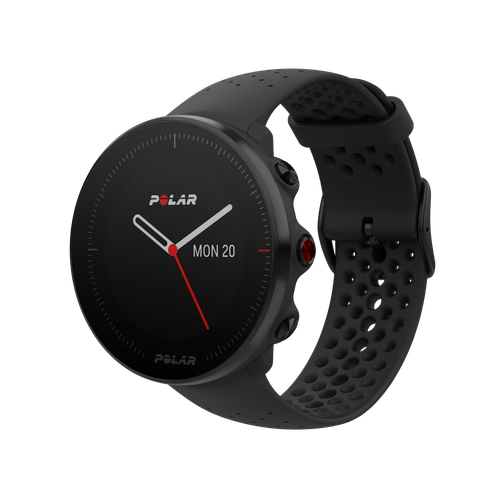
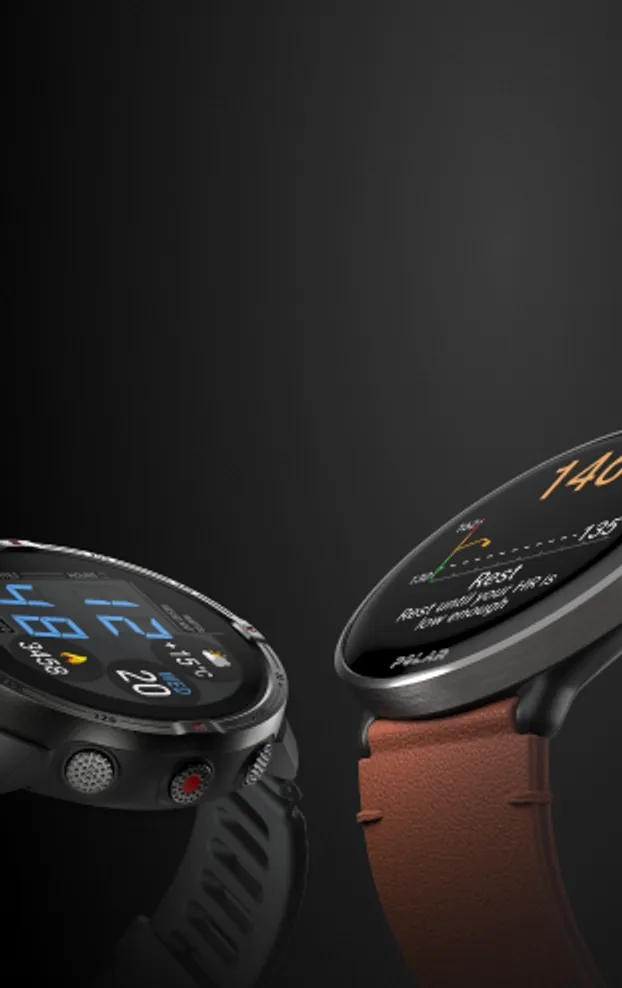
To keep an eye on your cadence during a running event or during training, it will be easier to use a running watch, such as the Polar Vantage V2 and the Polar Pacer Pro, that shows your live running cadence.
Why should I monitor running cadence?
1. To avoid overstriding
If your cadence is low, it could mean that you’re taking long strides, landing heel first and effectively braking against your forward motion.
You should aim to land your feet closer to your center of gravity. Increasing your cadence is one way to do this, but in the long term, you should address the root cause and increase muscle strength in your legs.
2. To vary improve your running
Variety is the key to improvement.
You can use cadence to guide you during training sessions. Run sections of your workout at different cadences, low and high, so that your body has to respond to different exercise stimuli. Over time you’ll notice an increase in strength, coordination, and speed.
3. To spot needs for improvement
You can also use your running cadence as a diagnostic tool.
During a long run, you’ll get tired and that’ll affect your running technique. Most often you won’t notice the changes yourself because your body will try to maintain the same pace automatically.
Go for a run and keep an eye on your cadence. Does it change as you begin to tire? If you notice that your cadence begins to fall, it’s a sign that you cannot sustain your current running form long enough and need to add variety to your training.
Key takeaways
If you want to become a better runner, you should add variety to your training and not focus blindly on changing your cadence for running to meet some predetermined number.
However, monitoring running cadence for the right reasons is one powerful instrument in your journey to become a better runner. Use it wisely.
Enjoying this article? Subscribe to the Polar Newsletter and get notified when new articles are out.
Subscribe



 POLAR Street X
New
POLAR Street X
New
 Polar Vantage M3
 Polar Grit X2 Pro Titan
 Polar Grit X2 Pro
 Polar Grit X2
 Polar Vantage V3
 Polar Ignite 3
 Polar Pacer Pro
 Polar Pacer
 Polar Unite
Grit X Series
Vantage Series
Pacer Series
Ignite Series
Polar Unite
Grit X Series
Vantage Series
Pacer Series
Ignite Series