You’ve banked the miles. You’ve woken up before dawn for those long, slow distance runs. You've done the most challenging part of marathon training—the sheer volume and commitment—and you have the Training Load Pro metrics on your Polar watch to prove it. Now, as you approach the final two or three weeks before race day, you’re suddenly hit with a new, unsettling challenge: the marathon taper.
If you’re a first-time marathoner, the taper can feel like a contradiction. You’ve been trained to push through fatigue, and now we’re asking you to do less. Your mind screams, "Am I losing fitness? Should I squeeze in one last hard workout?" Stop right there. We're here to bust those myths and give you a clear, confident strategy. So, if this is a new challenge or if you felt strangely 'off' on a previous race day, here's how to make the taper work for you, without descending into 'maranoia'.
What is Tapering and Why It Matters
In the simplest terms, the taper is a strategic phase of reduced training load leading up to your marathon. The purpose of the taper is simple: to remove the fatigue without sacrificing the fitness.
Think of your marathon training like making artisan bread. During the months of hard work—the long runs and strenuous workouts— you were the mixing, kneading, and adding all the quality ingredients. You’ve built the perfect structure (your fitness), but right now, the dough is dense and needs one final, crucial step: to rest.
Your taper is your fermentation period. You don’t need to add more ingredients or knead it harder; you simply allow the dough to sit, relax, and expand. This rest removes the tightness and transforms the raw ingredients into the light, strong, and fully proofed final product.
If you skip the taper and race tired, it's like trying to bake the un-rested dough—it will be heavy, dense, and won't rise to its full potential. The taper lets you remove the 'tightness' (fatigue) so you can hit your peak performance on race day.
Of course, unlike the bread, you shouldn't sit down and just do nothing. So, let's find out exactly what you should be doing and why.
How Tapering Works
At first glance, reducing your training might seem like a losing strategy. How can less work produce better results? It all boils down to two things: adaptation and fatigue management.
Your body needs to process the hard work you put in. During a training block, your fitness increases, but so does your overall tiredness. So, you need to pull back a little so that you can surge forward on the day. But don't worry: You spent months building this base, so you will not lose your fitness in two or three weeks. Instead, doing less is about protecting the work you've done. An extra-long run a week before won’t make you faster on race day; it will only increase the fatigue you are trying so hard to eliminate.
So how does a taper work? A proper taper means you will carefully manipulate two variables:
- Progressively Reduce Volume: Your runs will get shorter in a gradual 'step-down' fashion. Rather than a sudden crash in mileage, you’ll slowly decrease the total distance of your runs each week. This gives your body a consistent, predictable path toward recovery.
- Maintain Intensity (Keep the Pace): While you are running less, you shouldn’t necessarily run slower. You want to maintain your goal race pace to keep your legs feeling sharp and your neural pathways firing. For example, if your peak training included a workout with 16k at race pace, a taper version might be 10k or 12k at that exact same pace. You’re getting the same high-quality stimulus, just in a smaller, less fatiguing dose.
The Science of the Taper
Your anxiety tells you that cutting your mileage means losing fitness, but science tells a different story. The taper isn't downtime; it's a phase of profound, necessary biological upgrades. You've earned the fitness; now your body just needs the opportunity to cash in those gains. Here’s what the research says is happening inside your body during those crucial final weeks.
The Supercompensation Effect
When you taper correctly, you’re not just recovering—you are inducing supercompensation. This is the peak biological state that maximizes performance.
In a meta-analysis published in Medicine and Science in Sports and Exercise (2007), Bosquet and colleagues looked at the results of dozens of studies involving competitive athletes. Their findings, which remain foundational, established that a well-executed taper produces significant physiological changes that lead directly to faster times:
- Fuel Stockpile: Tapering leads to a remarkable increase in muscle glycogen, with studies reporting increases of 13–34%. This extra stored carbohydrate is literally the high-octane fuel that powers you through the final miles of the marathon.
- Oxygen Delivery: You get better at using oxygen. The taper enhances red blood cell production, increases plasma volume (hypervolemia), and boosts oxidative enzyme activity. All of this contributes to an increased oxygen extraction and VO2 max, making your running more efficient.
- Power and Strength: Even with reduced volume, you don't lose strength. In fact, studies show a measurable increase in muscle strength and power as your muscles recover from accumulated fatigue.
undefined

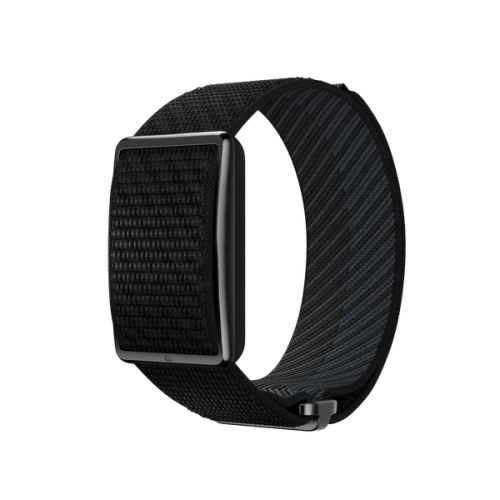
Polar Vantage M3
Smart Multi-Sport Watch
Polar Vantage M3 is a smart multi-sport watch for multi-sport athletes that’s compact yet powerful, stylish yet strong, and designed to bring extraordinary training, sleep and recovery tools into everyday life.
The Ideal Taper
You might wonder if you should just reduce your volume steadily or cut it all at once. Modern research suggests that the 'shape' of your training drop matters just as much as the amount.
While several models exist, a 2021 study of 158,000 recreational runners, published in Frontiers in Sports and Active Living (Smyth & Lawlor)anda 2022 comprehensive review in Sports Medicine (Haugen et al.), confirm that the exponential taper with 'fast decay' is an ideal taper for performance.
Here’s what this research says about the three main taper profiles:
- The Exponential Taper (Fast Decay): You make a significant, 'strict' reduction in mileage right at the start of the taper, and then the volume stabilizes as you get closer to the race. This 'fast decay' clears the bulk of your fatigue early, giving your body the maximum amount of time to adapt and supercompensate while you’re fresh.
- The Linear Taper: This is a steady, straight-line decrease (e.g., 5 miles less every few days). While it feels organized, the 2021 data showed that this relaxed approach is less effective because it keeps the training load higher for longer, meaning you’re still carrying residual fatigue into your final week.
- The Step Taper: This is a sudden, one-time drop in volume that stays flat until race day. While easy to plan, it lacks the progressive refinement your muscles need to stay 'awake' and responsive.
The 2021 Smyth & Lawlor study found that runners who followed a strict, progressive exponential taper (the fast-decay model) saw significantly better performance than those who were less disciplined. On average, those who committed to this taper shape saw finish times that were five minutes faster than those who tapered inconsistently.
Maintaining Intensity and the Final Surge
A critical part of the taper is preserving your neuromuscular connections—keeping your legs feeling fast.
- Same Pace, Shorter Distance: You must maintain intensity to avoid feeling sluggish. This means that while your total mileage drops, your pace on ‘quality’ segments should stay exactly the same as it was during your hardest training weeks. For example, if your plan calls for marathon-pace intervals, you should run them at your target race pace, just for fewer repetitions or shorter durations. This provides the necessary stimulus to keep your fast-twitch fibers active and ready without adding any meaningful fatigue.
- The Final Polish: Interestingly, some research suggests a tiny increase in training load right at the very end of your taper might be beneficial. Mujika noted that Thomas et al. (2009) found that increasing the training load by 20–30% in the final three days of the taper may also improve performance. However, this should be approached cautiously and is likely more applicable to highly competitive athletes.
How Long Should I Taper Before a Marathon?
The short answer is two to three weeks. Unlike training mileage, which is highly personal, science has established a tight, effective window for the marathon.
The Standard: Two or Three Weeks
For a full marathon, the sweet spot for the taper is typically 14 to 21 days.
Before that should come your marathon training peaks, the most challenging weeks, which usually involve long runs of 18 to 22 miles (29 to 35 km). These runs are designed to build monumental endurance, but they also leave you drained—physically and mentally. To make sure you don't carry that accumulated fatigue to the start line, you need those final weeks to recover and refine your body.
- The Three-Week Taper: This is the most common and often begins immediately after your final, longest training run (typically around 20–22 days before the race). This gives you the most time to reduce volume and ensure deep recovery progressively.
- The Two-Week Taper: This maintains slightly higher volume for one more week before the drastic reduction begins. While still effective, you need to be confident that you can shed fatigue quickly in those 14 days.
A reminder that the above research supports this timeline. The analysis by Bosquet and colleagues (2007) found that a taper duration of two weeks was highly efficient for maximizing performance improvements. Furthermore, the 2021 study in Frontiers in Sports and Active Living suggested that a strict taper of up to three weeks was associated with significantly better finish times among recreational runners.
In short, there’s no significant negative to choosing either two or three weeks; it largely comes down to personal preference and how quickly you know your body sheds fatigue.
Tapering Shorter or Longer Races
It’s important to remember that tapering is an essential tool for any race that matters, but the timeline adjusts based on the distance:
| Race Distance | Recommended Taper Length | Final Long Workout Timing |
|---|
| Marathon | 2–3 Weeks (14–21 days) | ≈ 20–22 days before race |
|---|
| Half Marathon | 7–14 days | ≈ 14 days before race |
|---|
| 5K or 10K | 5–7 days | ≈ 7 days before race |
|---|
| Ultramarathon | 3 Weeks | ≈ 21–28 days before race |
|---|
The ultimate goal remains the same: reduce volume by 40–60% while keeping frequency and intensity (those short, snappy strides!) nearly the same. Stick to the familiar routines you’ve established over the past few months—just replace your massive weekly mileage with deep rest and confidence.
undefined

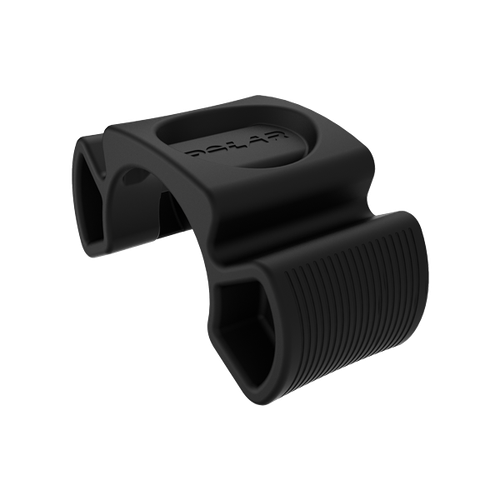
Polar H10
Heart Rate Sensor
When it comes to accuracy and connectivity, Polar H10 heart rate sensor is the go-to choice. Monitor your heart rate with maximum precision and connect your heart rate to a great variety of training devices with Bluetooth® and ANT+.
3-week Marathon Taper Plan: Managing Volume vs. Intensity
This is where the rubber meets the road—literally. We recommend a three-week plan as it offers the most controlled, gradual descent from your peak mileage, minimizing psychological anxiety and maximizing recovery.
If you completed your final long run (20–22 miles) three weeks before race day, your taper begins the very next day. Here is your clear, confidence-building guide to reducing your volume by approximately 60% over three weeks:
| Taper Week | Volume Reduction (from Peak) | Long Run (L-R) Example | Workout Strategy | Priority Focus |
|---|
| Week 3 | Reduce by 20–25% | 12–16 miles (20–25 km) | Maintain two key workouts, but reduce repeats (e.g., 6 x 800m instead of 8 x 800m). | Shed the initial fatigue. Add one extra rest day. |
|---|
| Week 2 | Reduce by 40–50% | 8–10 miles (13–16 km) | Cut workout volume drastically. Focus on short, fast intervals (e.g., 4 x 800m at goal pace). | Deep physiological repair. Focus on sleep and hydration. |
|---|
| Week 1 (Race Week) | Reduce by 60–75% | | Focus on short, easy efforts. Include only 2–3 short bursts at marathon pace (e.g., 3 x 4 min blocks). | Mental readiness and carb-loading. Two extra rest days. |
|---|

Key Adjustments Week-by-Week
Week 3: The Initial Cut (20–25% Reduction)
This week is about taking the first decisive step back from the grind. You are still running regularly, but every run is shorter.
- Easy Runs: If your usual easy run was 40 minutes, it becomes 30 minutes.
- Workouts: Keep your normal schedule, but reduce the repetitions or distance within the workout. If you were doing 8x400m, now you do 6x400m.
- The Goal: Begin shedding the physical and mental debt from your longest runs. Your Training Load Pro on your Polar watch should show a significant, intentional drop.
Week 2: The Core Reduction (40–50% Reduction)
This is the week where the magic of supercompensation truly kicks in. You are cutting volume in half, allowing your muscles to repair and your glycogen stores to begin replenishing.
- Long Run: Your long run is now a medium-long run, typically 8–10 miles (13–16 km). This is simply to remind your legs what running feels like, not to build endurance.
- Intensity: You should still include one or two runs that incorporate brief blocks at your goal marathon pace. This keeps your legs sharp and efficient without adding fatigue.
- The Goal: This is your time to dial in sleep. Focus intensely on maximizing your Nightly Recharge™ and Sleep Score—these are the metrics that confirm the physiological repair is happening effectively.
Week 1 (Race Week): Rest and Refinement (60–75% Reduction)
This final week is for maintenance and mental preparation. Do not try to cram in any fitness now; an extra workout will only add fatigue.
- Easy Runs: Focus on very short, easy jogs. Think 15–20 minutes.
- Pace Practice: Include a single controlled workout in which you run at your race pace for just a few short blocks (e.g., 3x4 minutes). This boosts confidence and reinforces your goal pace.
- The Race Day Rehearsal: It's a great habit to do strides (4-6 short bursts of near-max effort) after every easy run in this final week. This is the simple key to feeling sharp, not sluggish, on the start line.
- The Goal: Optimize hydration and begin carb-loading. Maximize your recovery metrics and check out the final guardrail below.
What Should I Do During My Marathon Taper?
By now, you know the science, and you have the plan. But the taper is as much a mental game as a physical one. To get to the starting line in peak condition, you need to treat these final weeks as an active part of your training—not a vacation from it.
Think of the taper as the final 'fine-tuning' phase. Your goal isn't to build new fitness; it's to polish the fitness you already have while ruthlessly protecting your energy.
Your Taper To-Do List
This is the time to be selfish with your recovery. Use the extra hours you’ve gained from running less to focus on these three pillars:
- Prioritize Sleep and Stress Management: Your body does its best repair work while you sleep. Use your Polar Sleep Plus Stages™ to track your cycles and aim for consistency. Try to clear your schedule of stressful deadlines or mentally taxing projects. Even reducing social media intake can help lower 'mental fatigue,' ensuring your brain is as fresh as your legs.
- Fuel for the Finish: It’s common to worry about weight gain because you’re burning fewer calories, but now is not the time for a calorie deficit. Your muscles need those carbohydrates to reach that 13–34% increase in glycogen stores we mentioned earlier. Focus on high-quality fuel, plenty of protein for muscle repair, and hydration.
- Boost Your Immunity: Heavy training can temporarily suppress the immune system. In these final weeks, load up on Vitamin C (think kiwis, red bell peppers, and citrus) to ensure a sniffle doesn't derail your hard work.
Common Taper Mistakes (and How to Avoid Them)
Even seasoned runners can fall into these traps. Keep your nerve and watch out for:
- Should I stop running the week before a marathon? No! The last week of your taper is not an excuse to put your feet up. If you stop running entirely, you’ll likely feel flat, heavy-legged, and lethargic. Aim to maintain your usual frequency (the number of times you run per week) while slashing the duration. Two to four short, snappy runs in the final week will keep your neuromuscular system 'awake' and ready to move.
- Avoid the 'Panic Training' Trap: You might wake up ten days before the race and think, "I didn't do enough hill repeats." Resisting the urge to cram a final hard session is vital. You won't get fitter in the eleventh hour, but you can get injured or exhausted. Trust the work you’ve already banked—even if your training wasn't your idea of 'perfect.'
- Don't Play the Comparison Game: Don't worry if your running partner is doing more than you, or if a pro athlete’s taper looks different. Your Polar Training Load Pro™ data is your source of truth—if your recovery metrics are trending upward, you are doing it right. And if it says you’re Detraining, there’s no need to panic either. Remember, there is no such thing as perfect and the vast majority of runners at the start line will have trained like you, including any sessions you missed. So relax, you are in good company.
Trust the Science, Trust Yourself
As you enter the final stretch of your taper, there is one last hurdle to clear: your own mind. It is perfectly normal (in fact, it's almost expected) to feel a little 'off' during these final weeks.
You might wake up with a strange tightness in your calf that wasn't there yesterday, or feel unexpectedly sluggish during a simple 20-minute jog. These are known as 'phantom pains,' and they are rarely a sign of injury. Instead, they are often just your nervous system recalibrating as your body shifts from work mode into repair mode. So, if you feel heavy, tired, or even a bit stiff, don't panic. You aren't losing your fitness; you are simply in the middle of a massive internal renovation.
Let the Data Be Your Anchor
When your brain starts to whisper that "you’re getting slower," let your Polar metrics shout back. This is where your data becomes more than just numbers—it becomes your confidence booster.
- Keep an eye on your Recovery Pro™ and Nightly Recharge™: Seeing your recovery status move into the green or Fully Recovered zone is the objective proof that the taper is working.
- Trust your Cardio Load Status: Seeing your status move from Productive toward Recovery in the final days is exactly what you want. It means you’ve successfully shed the fatigue that was masking your true potential.
If your watch says you’re recovered, believe it. Your data doesn’t have the 'maranoia' (the worries you face in the final days before running a marathon) that your brain does.
Stay Calm and Confident
To navigate these final days with a clear head, try these simple mental strategies:
- Review Your Training Log: Look back at your peak weeks. Look at the long runs you conquered and the intervals you smashed. That work hasn't disappeared; it’s just waiting to be unleashed.
- Visualize the Finish: Instead of worrying about a phantom niggle, spend five minutes a day visualizing yourself crossing the finish line feeling strong.
- Stick to the Script: You have a plan. You have the data. All that's left to do is protect your peace and your energy.
You’ve done the hard work. You’ve prepared the dough and let it rest. Now, all that’s left is to step up to the start line with the quiet confidence of a runner who is fully recovered and ready to fly. Because you’re not just ready for race day—you’re prepared to excel. So, good luck out there!
Enjoying this article? Subscribe to the Polar Newsletter and get notified when new articles are out.
Subscribe



 POLAR Street X
New
POLAR Street X
New
 Polar Vantage M3
 Polar Grit X2 Pro Titan
 Polar Grit X2 Pro
 Polar Grit X2
 Polar Vantage V3
 Polar Ignite 3
 Polar Pacer Pro
 Polar Pacer
 Polar Unite
Grit X Series
Vantage Series
Pacer Series
Ignite Series
Polar Unite
Grit X Series
Vantage Series
Pacer Series
Ignite Series