Knowing how hard you’re exercising can help you get the most out of your physical activity, ensuring you’re not pushing too hard or too little - just the right amount of effort. And there isn’t a better tool to measure the intensity of your exercise than your heart.
Your heart rate offers an objective look at exercise intensity, and that’s what makes heart-rate training ideal for everyone, from first-timers to world-record breakers. It’s personal, unique, and about your own effort.
What are heart rate zones?
In simple terms, heart rate zones can be described as specific percentages of your maximum heart rate. Each person has their own resting heart rate, a minimum heart rate, and a maximum heart rate. The range between these values is divided into various heart rate zones, which correspond to different training intensities and benefits.
Consider this example: Moderate-intensity exercise, such as brisk walking, requires your heart to work at about 60–70% of its maximum capacity (i.e., your maximum heart rate). This heart rate range corresponds to heart rate zone 2. Therefore, when your personal trainer or instructor tells you to hit zone 2, you know that the intensity of the exercise shouldn’t be harder than brisk walking.
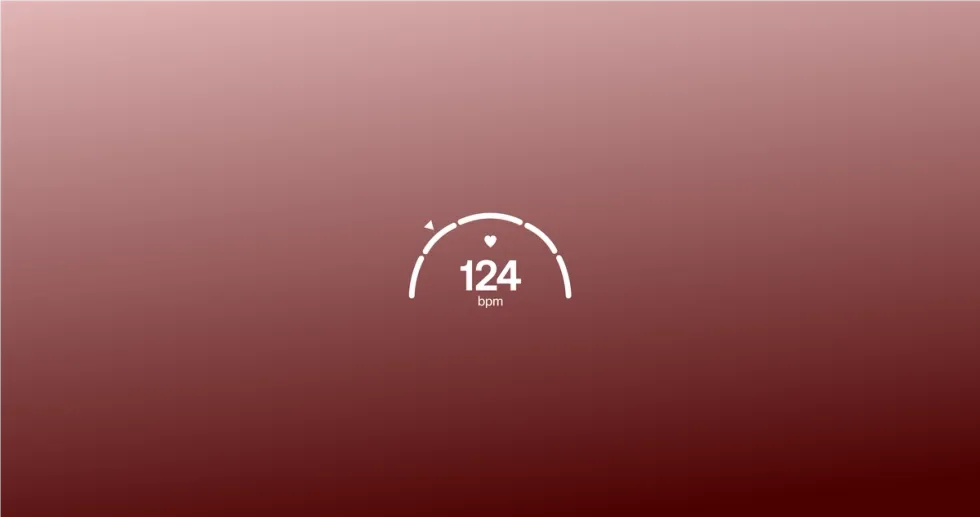
Heart rate is highly personal and varies from person to person. Moreover, factors like age can affect heart rate. For some, heart rate zone 2 will be 120–140 bpm, and for others, it will be 108–126 bpm. In both cases, however, the intensity of the exercise will be the same. That's why referring to percentages of maximum heart rate is the best way to estimate the intensity of physical activity rather than talking about exact beats per minute.
Discover Polar Journal
Polar Journal is a space for stories that inspire movement. Each edition blends practical training tips, sports science, and inspiring journeys from athletes and those who live and breathe an active life.
Read Polar Journal
Heart rate training
An effective running or workout plan will include different types of workouts with varying frequency, duration, and intensity spaced out so that you have time to recover. This means that some workouts should be short and intense, some long and light, some can even be long and tough.
Heart rate zones are intimately linked to your aerobic and anaerobic thresholds. Understanding this connection can be highly beneficial when contemplating heart rate zone exercises, such as heart rate zones for running or heart rate zone training for weight loss.
But first, let’s look at what the different zones are.

Five heart rate zones
There are five heart rate training zones that categorize every intensity level. Here’s the level of intensity and percentage of maximum heart rate used in each heart rate zone.
| Zone | Intensity | Percentage of HRmax |
|---|
| Zone 1 | Very Light | 50–60% |
|---|
| Zone 2 | Light | 60–70% |
|---|
| Zone 3 | Moderate | 70–80% |
|---|
| Zone 4 | Hard | 80–90% |
|---|
| Zone 5 | Maximum | 90-100% |
|---|
Whatever your goals, your training plan can (and should) include workouts in all five zones. That’s because each training intensity triggers a specific physiological process and adaptation in the body. For example, running in zone 2 will help you build endurance, improving your body’s capacity to supply oxygen to your muscles.
Heart rate zone 1: 50–60% of HR Max
Very light
The low-intensity training zone is best suited for improving your recovery and priming your body for higher heart rate zones in your workout routine. To efficiently train in this zone, select a physical activity that allows you to regulate your heart rate with minimal effort, like cycling or walking.
Heart rate zone 2: 60–70% of HR Max
Light
Heart rate zone 2 is characterized by a light exertion level, enabling you to engage in physical activity for an extended period with relative ease. This zone is particularly effective at enhancing your overall endurance, as it promotes fat oxidation, muscular fitness, and capillary density. Most running training plans for common distances (5K to marathon) emphasize plenty of zone 2 easy runs, which are key to building aerobic capacity and endurance.
This type of low-intensity exercise isn't just beneficial for training and performance—it also helps with managing everyday life challenges and enhancing overall well-being.
Heart rate zone 3: 70–80% of HR Max
Moderate
Heart rate zone 3 is highly beneficial for enhancing the efficiency of blood circulation in both the heart and skeletal muscles, improving aerobic endurance. However, pushing harder doesn't always produce better results. Sitting between easy endurance efforts and high-intensity work, heart rate zone 3 falls into a gray area that may lead to plateauing. That's because excessive time spent in this zone can cause fatigue without maximizing aerobic gains and may compromise day-to-day recovery. For this reason, zone 3 workouts should be balanced with easy zone 2 exercise. Ideally, 80% of your endurance training should be in zones 1 and 2—more intensity doesn’t always mean better results.
Heart rate zone 4: 80–90% of HR Max
Hard
Heart rate zone 4 is challenging: Exerting yourself in this zone will require you to breathe heavily and engage in aerobic activity.
Workouts at this intensity are tough, but training at this level can yield significant benefits, including enhanced speed endurance, and improved utilization of carbohydrates for energy. It's the basis of threshold training.

Heart rate zone 5: 90–100% of HR Max
Maximum
Heart rate zone 5 is considered your maximum effort zone, where your cardiovascular and respiratory systems are working at full capacity. Oxygen demand far exceeds supply, making it difficult to sustain zone 5 efforts for more than a few minutes.
Hitting this zone, however, will increase anaerobic endurance and increase speed and power. Working at this level challenges your heart and lungs to work at their maximum capacity, potentially improving cardiovascular fitness when balanced with sufficient recovery time.
undefined
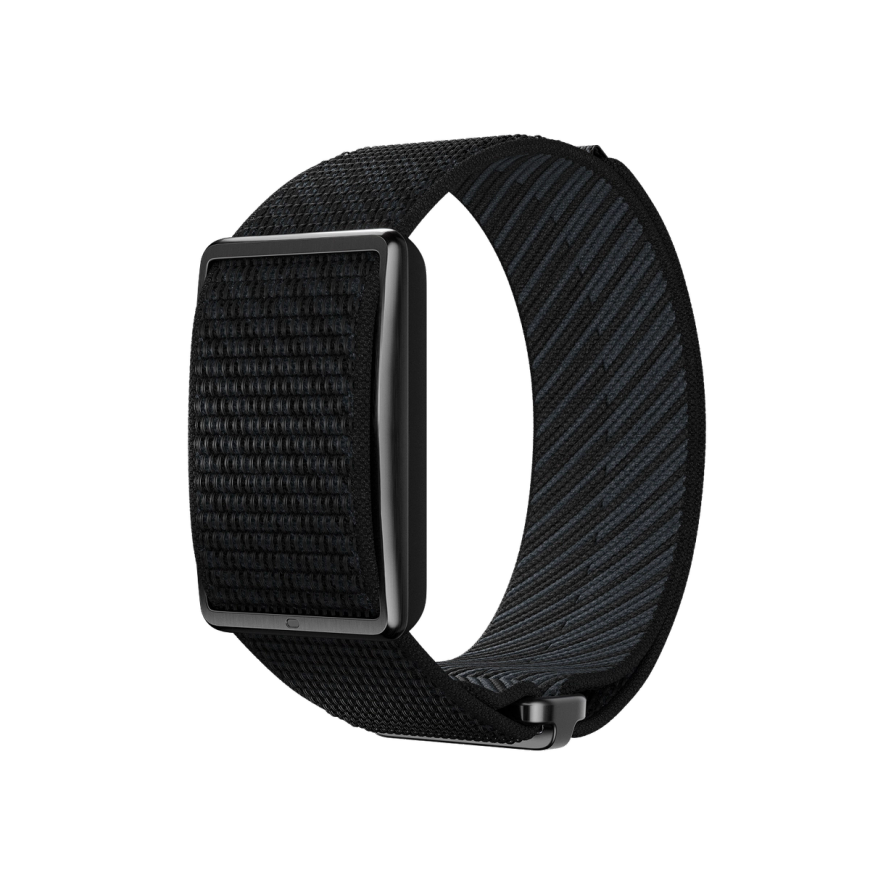
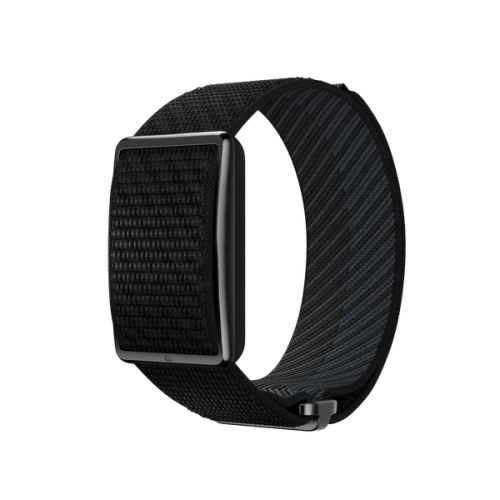
POLAR Loop
Screen-Free Wearable Health Band & Fitness Tracker
POLAR Loop is a screen-free, subscription-free fitness band that helps you sleep better, recover smarter, and stay active—without distractions.
How to calculate your heart rate zones
As percentages of your maximum heart rate, the simples way to determine your heart rate zones is to first establish your maximum heart rate.
Heart rate is personal and everyone has their own. This is also what makes heart rate training a very suitable and scalable training method for anyone. Regardless of your age, you will always know the right heart rate zone to target. If you take medication or have a heart condition, consult your healthcare provider before establishing your heart rates and exercising.

Your maximum heart rate
There are different methods to calculate your maximum heart rate. Most simple way to use the rule 220-your age.
More details: Calculate your maximum heart rate
Heart rate zones by age
Does your age affect your HR zone? Yes, this is often the case although other factors will affect it as well. Although the above heart rate zone calculator doesn’t ask for your age, it does use your HRmax, which is estimated by using your age.



 Polar Vantage M3
 Polar Grit X2 Pro Titan
 Polar Grit X2 Pro
 Polar Grit X2
New
Polar Grit X2
New
 Polar Vantage V3
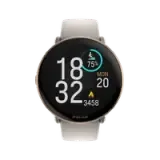 Polar Ignite 3
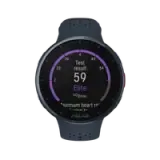 Polar Pacer Pro
 Polar Pacer
 Polar Unite
Grit X Series
Vantage Series
Pacer Series
Ignite Series
Polar Unite
Grit X Series
Vantage Series
Pacer Series
Ignite Series