If you’ve ever woken up feeling like you fought a bear in your dreams—only to discover you technically got “eight hours”—you already know the problem with sleep: it’s weirdly hard to judge from the inside.
You can’t improve what you can’t see. And for a lot of us, sleep is the hardest habit to “fix” because the feedback loop is fuzzy. You try going to bed earlier for two nights, nothing feels different, and suddenly you’re back to revenge bedtime procrastination and a morning (and afternoon) coffee that tastes like survival.
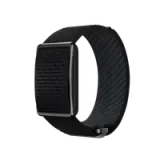
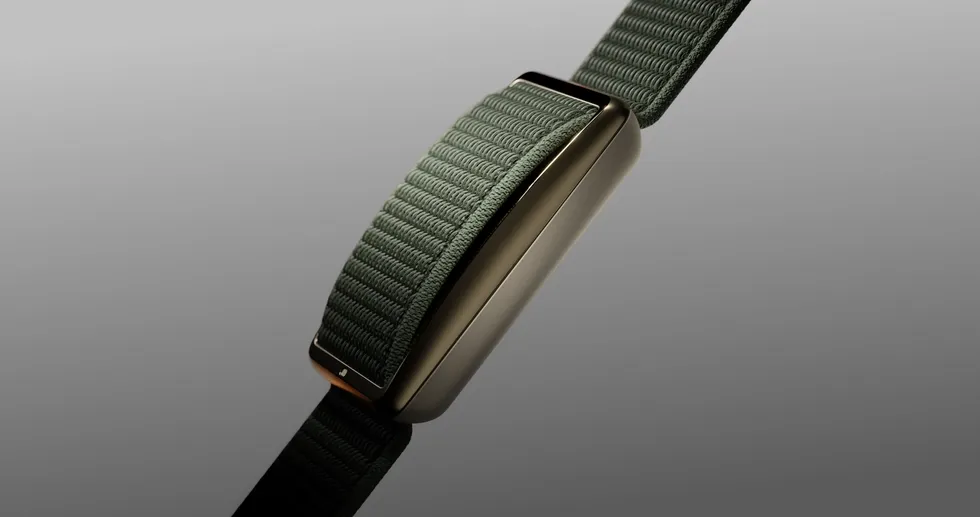
If you’ve gone down this rabbit hole before, it might be time to stop guessing and add a little data. And for sleep, Polar Loop is the ideal companion: screen-free, comfortable enough to wear all night, and it tracks your nights automatically—so you can stop guessing and start noticing patterns that actually matter.
Why good sleep starts with awareness
Most sleep advice is… fine. “Keep a routine.” “Avoid late caffeine.” “Make your room cool.” Sure. But the real challenge is personal: what’s your baseline, and what’s quietly messing with it?
That’s what Polar Loop gives you: a simple mirror. Not a judgement. Not a medical verdict. Just a reliable record of your nights, so you can connect your routines to your recovery over time.
And it’s not just one number. In Polar Flow, Polar Loop gives you a few key sleep metrics, so you can actually learn from your nights:
- Sleep time: the total time between when you fell asleep and woke up.
- Sleep score (1–100): a single, glanceable summary of how much and how well you slept.
- Sleep score themes + components: six components grouped into three themes:
- Amount: sleep time
- Solidity: long interruptions, continuity, actual sleep
- Regeneration: REM sleep, deep sleep
- Sleep structure: your sleep stages (light, deep, REM), plus interruptions and the number of full sleep cycles.
- Usual level comparisons: after a few nights, you can compare your sleep components to your own usual level (so you’re tracking you, not “perfect sleep”).
- Optional self-rating: you can rate how you felt you slept; it’s saved for comparison, but it’s not used in the sleep score calculation.
- Heart rate (during sleep): your nightly heart rate trend, which can help you spot nights that were more “revved up” vs. calmer than usual.
- Heart rate variability (HRV): your beat-to-beat variation during sleep (shown as an overnight trend), a helpful window into how recovered—or stressed—your system may have been.
undefined
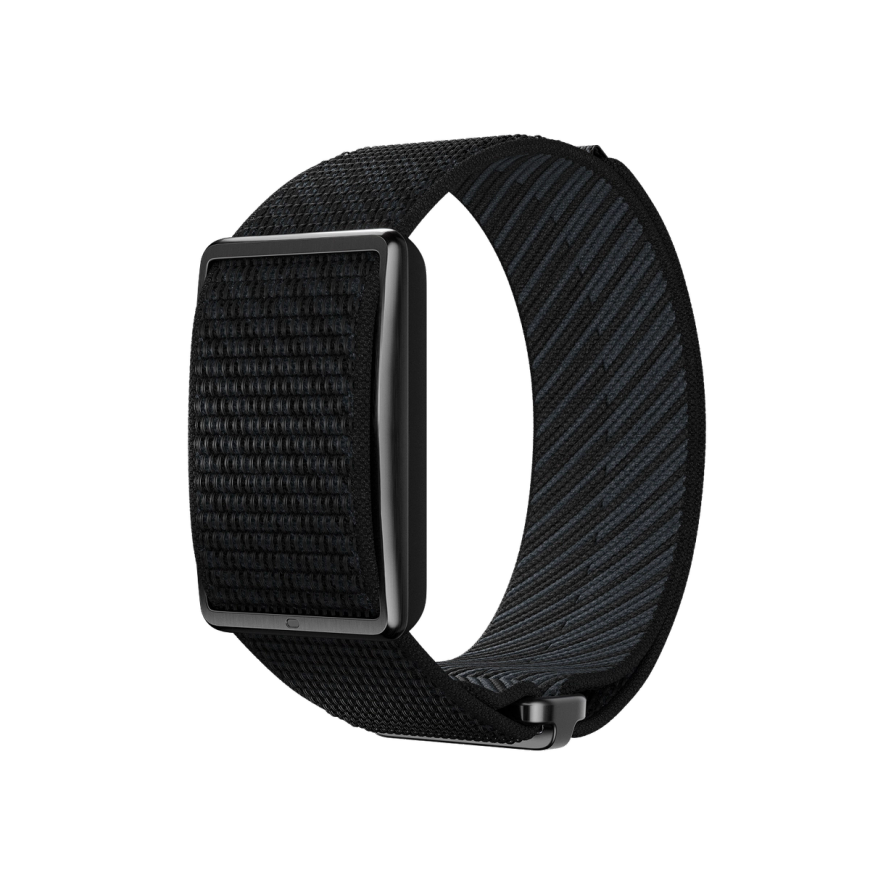
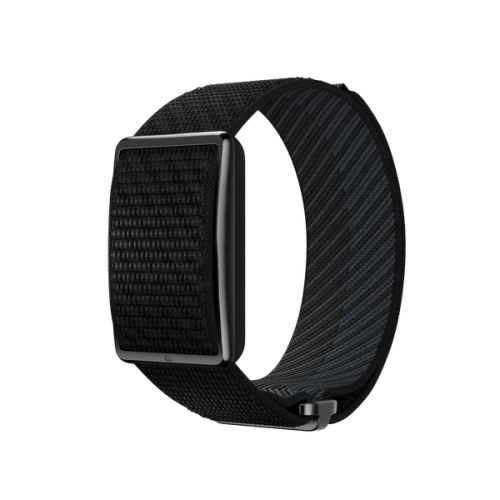
POLAR Loop
Screen-Free Wearable Health Band & Fitness Tracker
POLAR Loop is a screen-free, subscription-free fitness band that helps you sleep better, recover smarter, and stay active—without distractions.
How Polar Loop tracks sleep automatically
There’s nothing to press. No “sleep mode.” No bedtime checklist. You just wear Polar Loop to bed, and it automatically detects from your wrist movements when you fall asleep and wake up.
Under the hood, Polar Loop’s sleep tracking is based on two signals: movement from a built-in 3D acceleration sensor and your heart’s data measured from the wrist via optical heart rate technology. That combo is what enables the Sleep Plus Stages™ insights.
Understanding your sleep graphs in Polar Flow
This is where sleep goes from vibes to ohhh, that’s what happened.
Open the Sleep view in Polar Flow and you’ll see your night laid out as a sleep structure graph: how your sleep progressed through stages (light, deep, REM) and where it got interrupted. The orange bars mark interruptions, while the purple bars show the moments of deep sleep.
A couple of reassuring truths while you’re looking at the graph
Sleep isn’t a flat line. A normal night includes multiple cycles that typically move from light to deep to REM, repeated several times. It’s also normal to have brief interruptions—even on good nights. What matters most is the pattern you see over weeks, not whether Tuesday had one extra blip.
Sleep score
Your sleep score is a single number on a 0–100 scale that indicates how well you slept. It’s based on three themes:
- Amount (sleep time)
- Solidity (interruptions, continuity, actual sleep)
- Regeneration (REM and deep sleep)
The average sleep score for Polar users is 73 according to the latest year in review report.
Why sleep matters for energy, mood, and recovery
Sleep is where your body does the unglamorous work that makes you feel like yourself again: nervous system downshifts, tissue repair, memory processing, mood regulation, the whole behind-the-scenes crew.
It’s also tied to your circadian rhythm—your internal clock—which helps coordinate when you feel alert, sleepy, hungry, and resilient to stress. When your circadian rhythm gets pushed around (late nights, irregular schedules, too little morning light), sleep and recovery tend to wobble.
That’s why sleep isn’t just “rest.” It’s active recovery.
How daytime activity affects nighttime sleep
Here’s the part people don’t want to hear (but always recognize): sleep doesn’t begin at bedtime. It starts in the morning, then gets shaped by everything that happens after.
Your daily movement and stress levels can show up at night in the form of restlessness, interruptions, or a sleep rhythm that drifts later and later. Research continues to find links between physical activity, stress, and sleep outcomes—especially when you look at patterns over time.
Polar Loop helps because it tracks both sides of the equation: your activity during the day and your sleep at night—so you can see the relationship in your own life instead of relying on generic rules.
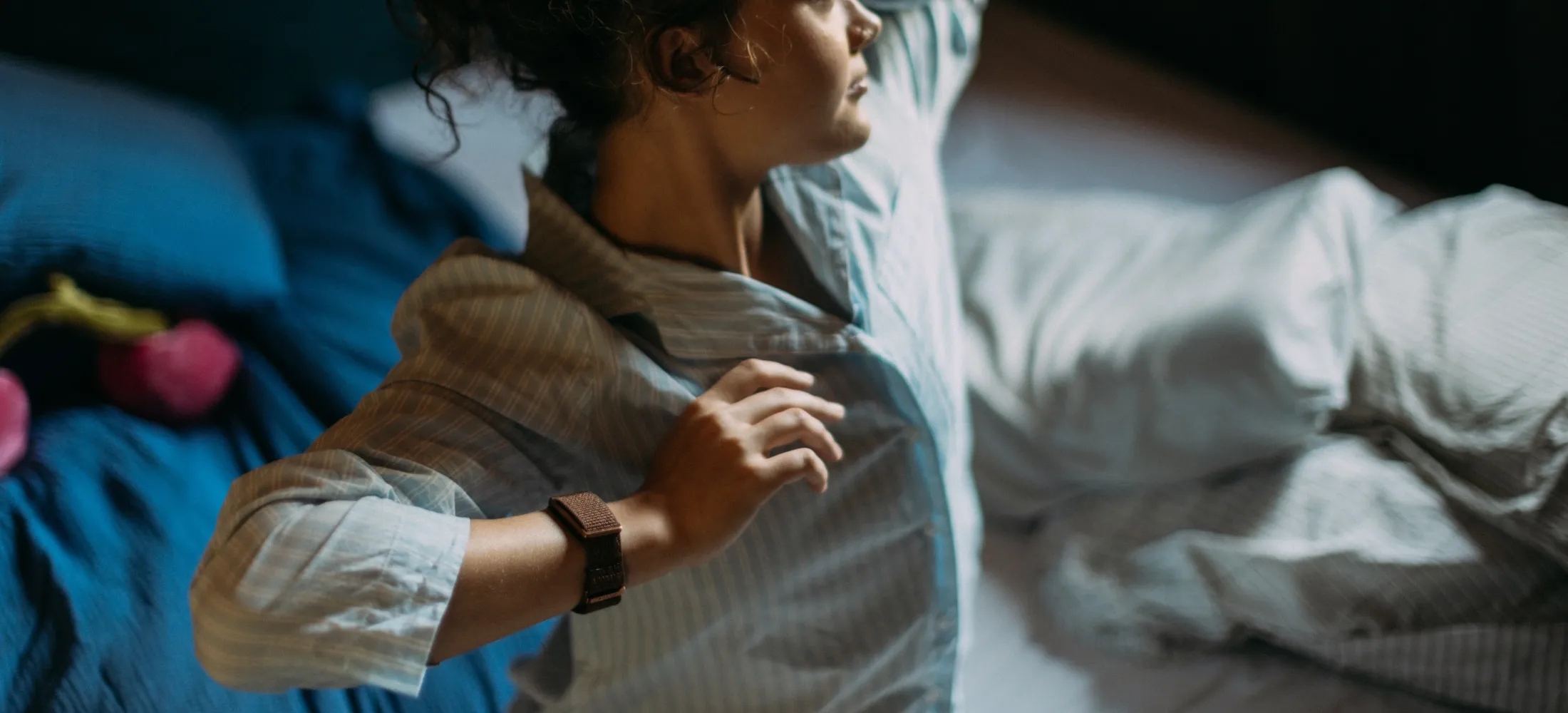
Nightly Recharge: How did your body recovered?
Sleep tracking tells you what happened last night: how long you slept, how continuous it was, and how your sleep stages played out. Nightly Recharge adds the next layer: how well your body actually calmed down and recovered from the day’s load—training, stress, late meals, travel, alcohol, you name it.
Nightly Recharge is built from two parts:
- Sleep charge: based on your sleep measurement, it reflects how well you slept by comparing your sleep score to your usual level.
- ANS charge: shows how well your autonomic nervous system (ANS) calmed down in the early night. It’s formed by measuring heart rate, heart rate variability, and breathing rate during roughly the first four hours of sleep, then comparing those values to your 28-day baseline (your “usual level”).
Why the first four hours? Because those early hours are especially sensitive for showing whether your system can shift from “day mode” to “recovery mode.” If you had a demanding day (physical or mental), trained late, feel run-down, or had alcohol, it can show up as a higher heart rate and lower HRV early in the night—meaning recovery didn’t kick in as smoothly as usual.
The nice part is that Nightly Recharge is meant to be actionable, not anxiety-inducing. After a few nights (typically three successful measurements) it establishes your usual level, and then you can start using it as a simple daily compass:
- If your Nightly Recharge is lower than usual, treat it as permission to keep the day a bit lighter (more easy movement, earlier wind-down).
- If it’s better than usual, it’s a good sign your system handled yesterday well—go ahead and follow your plan with confidence.
Small habit shifts for better sleep
No dramatic reinvention required. The best sleep habits are the boring ones you can repeat.
Try one of these “tiny but mighty” experiments for two weeks, then check what happens in Polar Flow:
Keep your wake-up time boring
Same-ish wake-up time is often more powerful than obsessing over bedtime. It stabilizes rhythm and makes sleep pressure work for you.
Make evenings less bright and less intense
Dim lights earlier, reduce stimulating content, and give your brain a clear “we’re landing the plane” signal.
Move a little more during the day (especially if you sit a lot)
Not as punishment. As a sleep investment. Even light activity can help your night feel smoother over time.
Create a 10-minute wind-down ritual you actually enjoy
Stretch, shower, book, breathwork, whatever feels calming. The best ritual is the one you’ll do on imperfect days.
And keep the goal realistic: you’re not trying to win sleep. You’re trying to make it more consistent.
How sleep impacts your day
Sleep tracking is great at answering the first question: What happened last night? SleepWise answers the next one: So… how will that likely affect my day?
SleepWise shows how your recent sleep is expected to boost your daytime alertness and readiness to perform—what we call Boost from sleep. It looks at more than just last night: it factors in the amount and quality of your recent sleep, and it also considers your sleep rhythm by checking how well your sleep–wake rhythm aligns with your body’s internal circadian rhythm.
Here’s why that’s useful in real life: a single good (or bad) night doesn’t always tell the truth. SleepWise helps you see how sleep effects accumulate over time, making things like sleep debt and an irregular sleep–wake rhythm more visible—so you’re not surprised when your energy feels off even after one “decent” night.
What you’ll see in Polar Flow
In the Flow app, SleepWise gives you a daily Forecast graph that shows how your recent sleep is expected to boost you throughout the day—higher/lighter bars suggest higher boost, lower/darker bars suggest lower alertness. It’s intentionally sleep-based only (so yes, coffee and cold showers don’t magically rewrite the forecast).
You also get weekly views that make the “why” clearer:
- Boost from sleep graph (how sleep has affected your days lately)
- Sleep & Internal rhythm graph (how your actual sleep rhythm deviates from your internal circadian rhythm)
- Sleep gate (the time your body is naturally most ready to fall asleep) and how recognizable it is based on your consistency
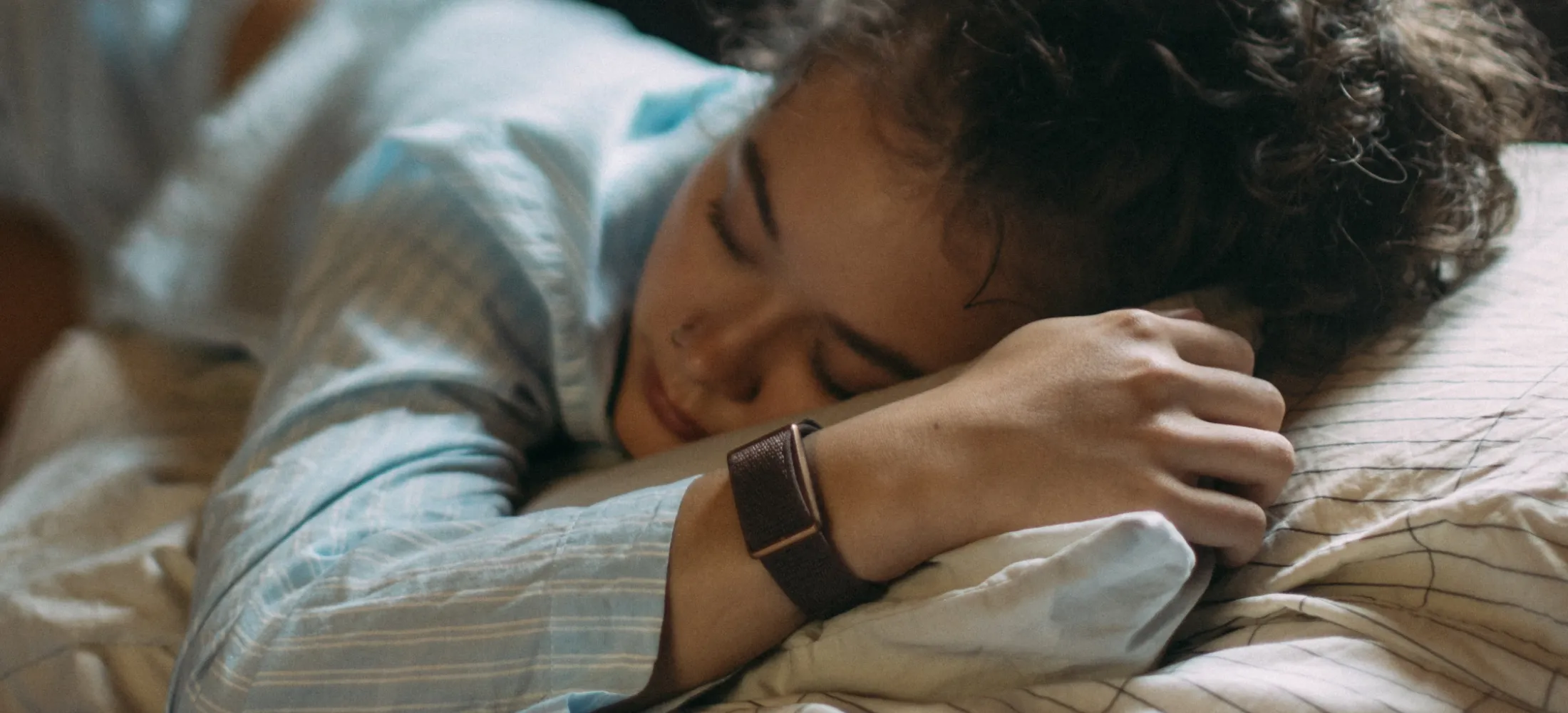
How it complements sleep tracking
If Polar Loop sleep tracking helps you understand your nights, SleepWise helps you plan your days. It’s the difference between:
- “My sleep score was low.”
and
- “My boost is likely to dip mid-afternoon—so I’ll schedule the hardest task earlier, keep training easy today, or prioritize an earlier wind-down tonight.”
That’s the magic: sleep data that doesn’t just sit there—it helps you make smarter choices while the day is still happening.
Polar Loop as a minimalist sleep companion
Polar Loop is for people who want sleep tracking that doesn’t come with extra noise. No bulky smartwatch. No constant screen checking. Just a comfortable band you can wear all day and night, with your sleep automatically captured and summarized in Polar Flow.
One important note on “accuracy”. Polar Loop is excellent for spotting trends and consistency in your own sleep over time. It’s not designed to diagnose sleep disorders or replace clinical tools. Use it as a coach for habits, not a doctor.
Polar Loop for sleep tracking: FAQs
Does Polar Loop track sleep automatically?
Yes. Wear Polar Loop to bed—no manual activation needed. Polar Loop detects sleep from your wrist movements and summarizes it in Polar Flow.
How accurate is Polar Loop for sleep tracking?
Polar Loop is designed to track sleep patterns and trends over time using wrist movement plus optical heart rate signals. It’s great for habit-building and consistency, but it’s not a medical diagnostic device.
How do I check my sleep data in Polar Flow?
Open the Sleep view in the Flow app to see sleep structure, interruptions, sleep score themes, and weekly rhythm. For long-term sleep reporting, the Flow web service includes dedicated sleep reports.
Is Polar Loop good for improving sleep habits?
Yes—because it makes your patterns visible. Once you can see your sleep rhythm, interruptions, and consistency across weeks, it gets much easier to choose one realistic habit shift and stick with it.
Enjoying this article? Subscribe to the Polar Newsletter and get notified when new articles are out.
Subscribe



 POLAR Street X
New
POLAR Street X
New
 Polar Vantage M3
 Polar Grit X2 Pro Titan
 Polar Grit X2 Pro
 Polar Grit X2
 Polar Vantage V3
 Polar Ignite 3
 Polar Pacer Pro
 Polar Pacer
 Polar Unite
Grit X Series
Vantage Series
Pacer Series
Ignite Series
Polar Unite
Grit X Series
Vantage Series
Pacer Series
Ignite Series