On a recent Sunday morning, the sun beat down with an almost comical intensity as I found myself on a pickleball court. My prior experience with racket sports was essentially zero, a blank slate about to be scribbled upon by the peculiar rules and satisfying thwack of the paddle. After a whirlwind fifteen minutes of basic instruction – something about the 'kitchen' and the double bounce rule – I was thrust into a game. To my surprise and despite my initial awkwardness, this strange sport was actually… pretty fun.
Beyond the increasingly frequent pronouncements about pickleball being America's fastest-growing athletic phenomenon, my primary cultural touchpoint for the game resided in the character of Helen Hunt's fiercely competitive TV network executive in the third season of Hacks. Her enthusiastic advocacy for conducting power meetings amidst volleys and dinks sparked a flicker of recognition. Growing up in the 1980s, during the waning years of squash's moment in the sun, this onscreen portrayal left me wondering: was pickleball the new squash? Another much-hyped competitive fitness trend destined to fade from the collective consciousness as swiftly as it had arrived? Or, I pondered, is its inherent simplicity and accessibility – the very qualities that allowed a racket-sport novice like myself to pick it up with relative ease – the key to more enduring popularity and a lasting place in the sporting landscape?
What exactly is pickleball?
Pickleball is a curious concoction, often described by its devotees, the enthusiastic 'picklers,' as a playful mashup of tennis, ping-pong, and badminton. Imagine the smaller court of badminton, the net height of tennis, and paddles reminiscent of oversized table tennis bats. Now picture a lightweight wiffle ball zipping back and forth with a distinctive pop.
Why is it called pickleball?
The meteoric rise of pickleball is all the more intriguing when you discover its rather humble, almost accidental origins. Picture this: 1965, a back garden in Washington state, the setting for what was supposed to be a leisurely game of badminton hosted by Joel Pritchard, a Republican congressman. But as fate, or perhaps a lack of foresight regarding racket availability, would have it, they were short on equipment.
Necessity, as they say, is the mother of invention. Annoyed by the racket shortage, Pritchard and his companions, businessman Bill Bell and their friend Barney McCallum, did what any resourceful group would do: they improvised. Grabbing a couple of table tennis bats and a perforated plastic ball – the precursor to the now ubiquitous wiffle ball – they started knocking it around. Initially, the badminton net stood tall, around 1.5 meters, but it wasn't long before it was lowered to approximately 0.9 meters, inching closer to its current height.
As they continued their impromptu game, they began to formulate some rules, drawing inspiration mainly from badminton. But how did this backyard creation acquire its quirky moniker? According to Joel Pritchard’s wife, Joan, the name 'Pickle Ball' came about because the mishmash of equipment and rules reminded her of a 'pickle boat' in rowing, where oarsmen were chosen from the leftovers of other boats. And so, much like that eclectic crew, the game of pickleball was born from the 'leftovers' of various sports – a badminton court, paddleball paddles, a wiffle ball, and a tennis-height net – a charmingly haphazard beginning for America's fastest-growing obsession.
What's the difference between pickleball and padel, squash and badminton?
How exactly does this burgeoning sport stack up against its racket-wielding cousins – the intense thwack of squash, the elegant flights of badminton, and the increasingly popular padel?
My fleeting experience with a pickleball paddle revealed a game played on a relatively compact court, the perforated wiffle ball reacting with a distinct, less powerful bounce than a tennis ball. Squash, as I vaguely recall from its 80s heyday, unfolds within enclosed walls, a relentless, high-energy battle against both opponent and rebounding ball. Badminton, on the other hand, always struck me as a graceful dance across a net, the shuttlecock soaring and dipping with an airy lightness far removed from pickleball’s staccato volleys. Padel, the other newcomer, seems to share some court similarities with tennis but incorporates walls as part of the playing dynamic, adding a strategic dimension akin to squash, though played with paddles and a depressurized tennis ball. While pickleball borrows elements from all three – the net and court dimensions hinting at tennis and badminton, the paddle contact echoing table tennis – its unique blend of smaller court, slower-moving ball, and the quirky 'kitchen' rule carves out its own distinct identity. Each sport, it seems, offers a different rhythm and strategic challenge, a unique flavor in the racket sports smorgasbord – though the uninitiated should probably prepare for unexpectedly sore quads and glutes across the board.
undefined
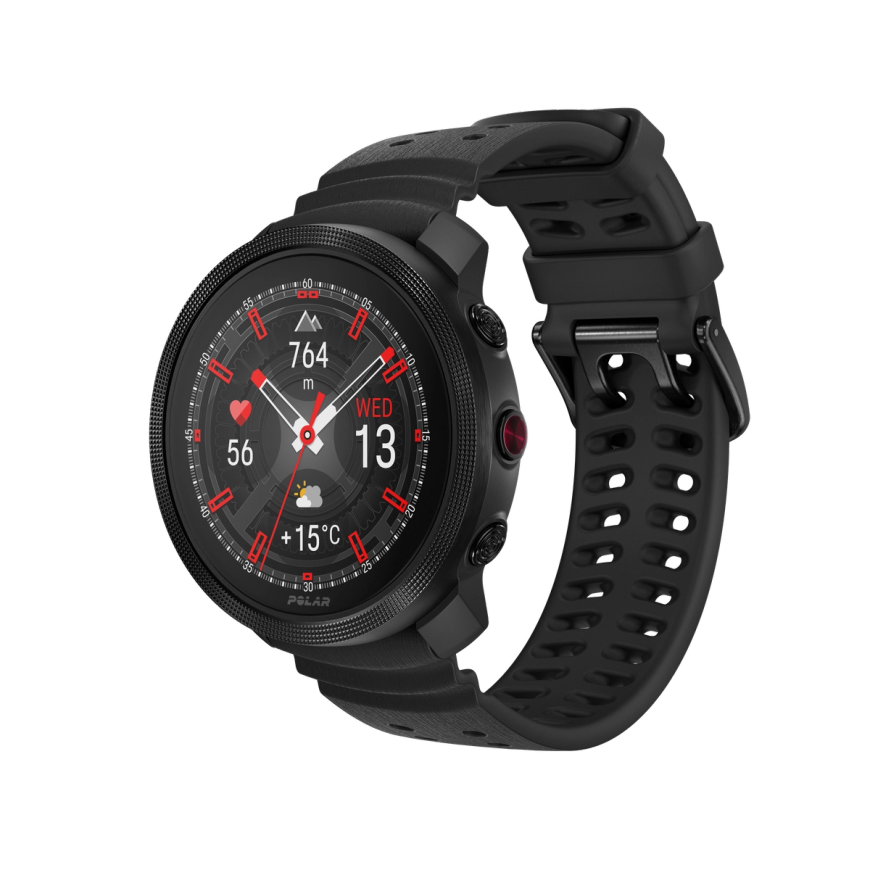
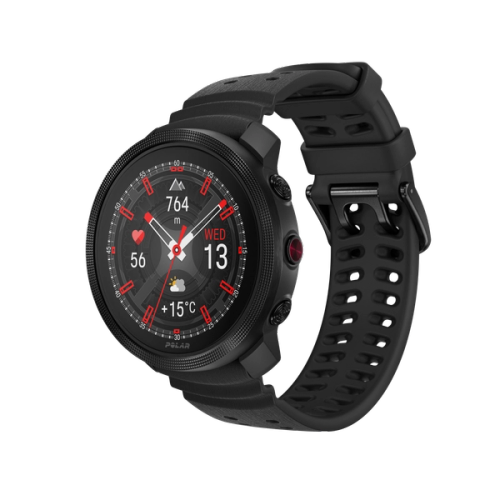
Polar Vantage M3
智能多功能運動手錶
專為多項運動愛好者而設,Polar Vantage M3 智能多功能運動手錶外型精巧時尚,性能強大,耐久堅固,旨在為日常生活帶來超凡出色的訓練、睡眠和恢復工具。
Enjoying this article? Subscribe to Polar Journal and get notified when a new Polar Journal issue is out.
Subscribe
Is pickleball easy?
From my admittedly novice perspective, the whispers of pickleball's low barrier to entry seem to hold significant weight. Unlike the fleeting memories I have of tennis balls rocketing off into the stratosphere during my one and only school session, the pickleball behaved with a far more agreeable temperament.
So, is it easy? The very nature of pickleball's equipment contributes to this accessibility. The lightweight plastic wiffle ball, measuring around 2.9 inches/74mm, is indeed less bouncy and travels through the air at a more manageable pace. The paddle, shorter and lighter than a tennis racket, felt surprisingly intuitive to wield, even for someone like myself with little to no prior racket sport experience. Even the underhand serve felt less intimidating, a gentle introduction compared to those scary overhand launches in tennis.
Furthermore, the court dimensions (20 by 44 feet /6.1 by 13.4 m) and the low net (36 inches/0.91 m on the ends and 34 inches/0.86 m at the center) themselves seem to contribute to the ease of play. The fact that you could almost squeeze four pickleball courts onto a single tennis court speaks volumes about the reduced ground coverage required. Coupled with the prevalence of doubles play, the game feels less like an individual athletic feat and more like a social, manageable activity.
While the risk of sprains and strains exists (a reminder to perhaps stretch before my next Sunday morning encounter), the initial impression is one of surprising approachability. Pickleball, it seems, welcomes newcomers with a gentle nudge rather than a forceful shove onto the court.
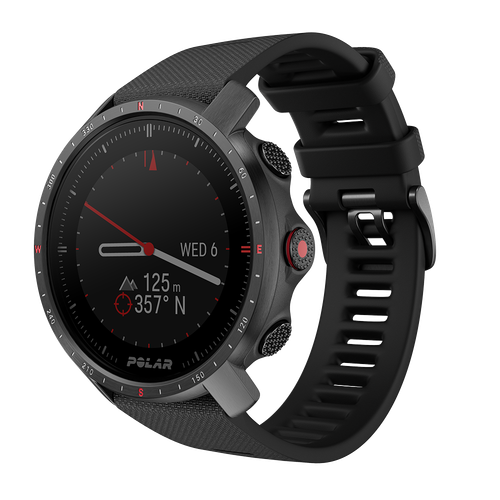
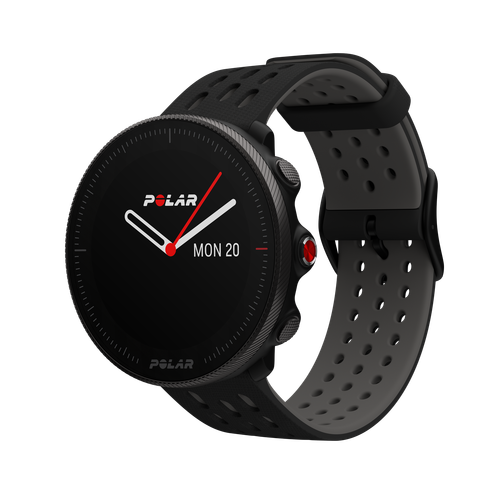
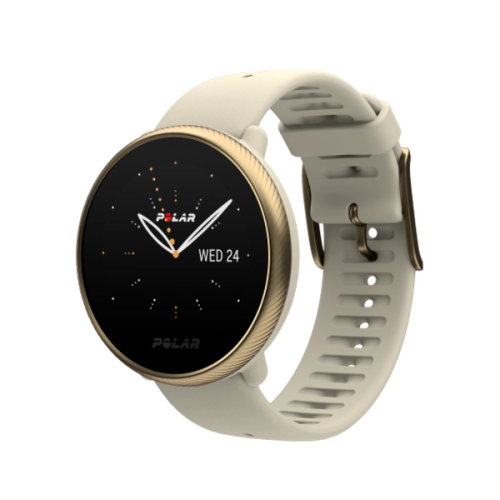
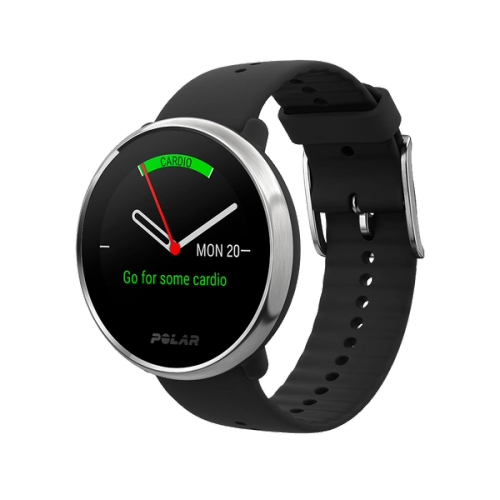
Tip: Pickleball is one of the 170+ sports supported by Polar Watches. With Polar Sport Profiles, you get relevant metrics for each sport and can customize the training views to have information at a glance. Check out the full list of sports available on Polar Flow and Polar Watches.
Who plays pickleball?
The statistics surrounding pickleball are rather staggering. Apparently, this unassuming sport has ballooned in popularity, boasting an incredible 311% growth in participation over the last three years, officially earning it the title of America’s fastest-growing sport. The sheer number of courts popping up across the US – a reported 70,641 and counting – is equally mind-boggling.
Interestingly, pickleball wasn't always the domain of the young and spry. It initially leaned towards an older demographic, with half of the serious players in 2021 being 55 and over. Yet, the tide is turning. The 25-34 age bracket now boasts the largest number of picklers, and a million more children have picked up a paddle. This begs the question: how does this seemingly simple game manage to bridge such a generational gap, appealing to both retirees and a burgeoning legion of younger devotees?
Perhaps it's the low-impact nature that resonates with older players, combined with the quick learning curve and social element that draws in the younger crowd. Whatever the magic ingredient, pickleball is clearly having a moment, and I am starting to understand the buzz.
Pickleball and heart rate
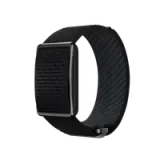
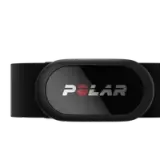
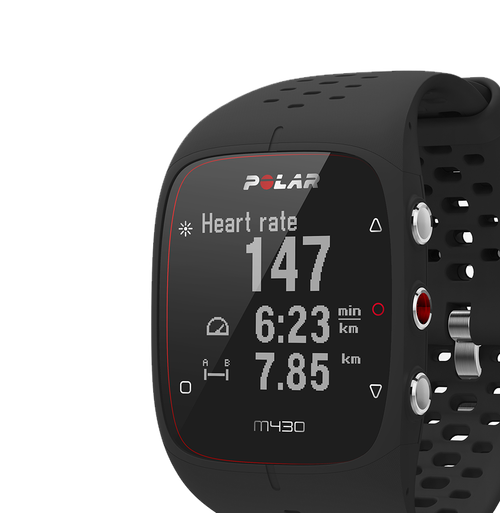
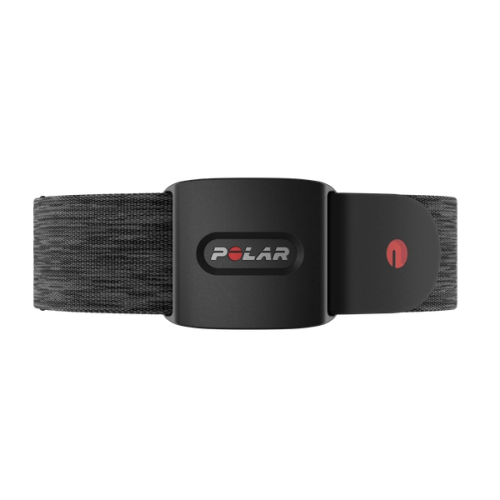
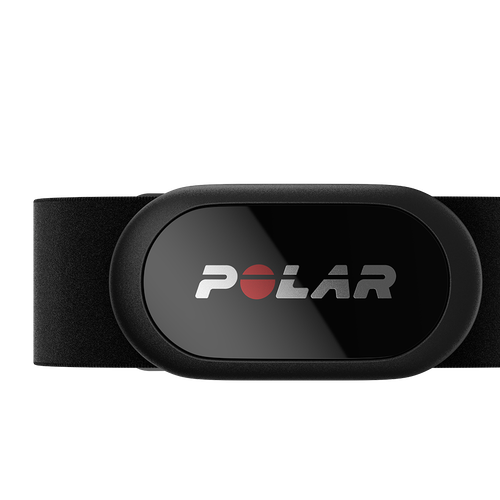
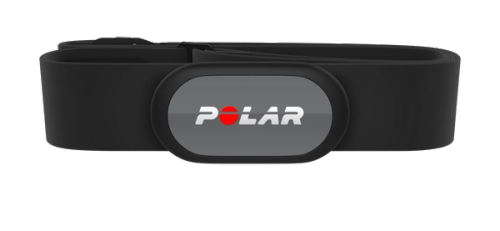
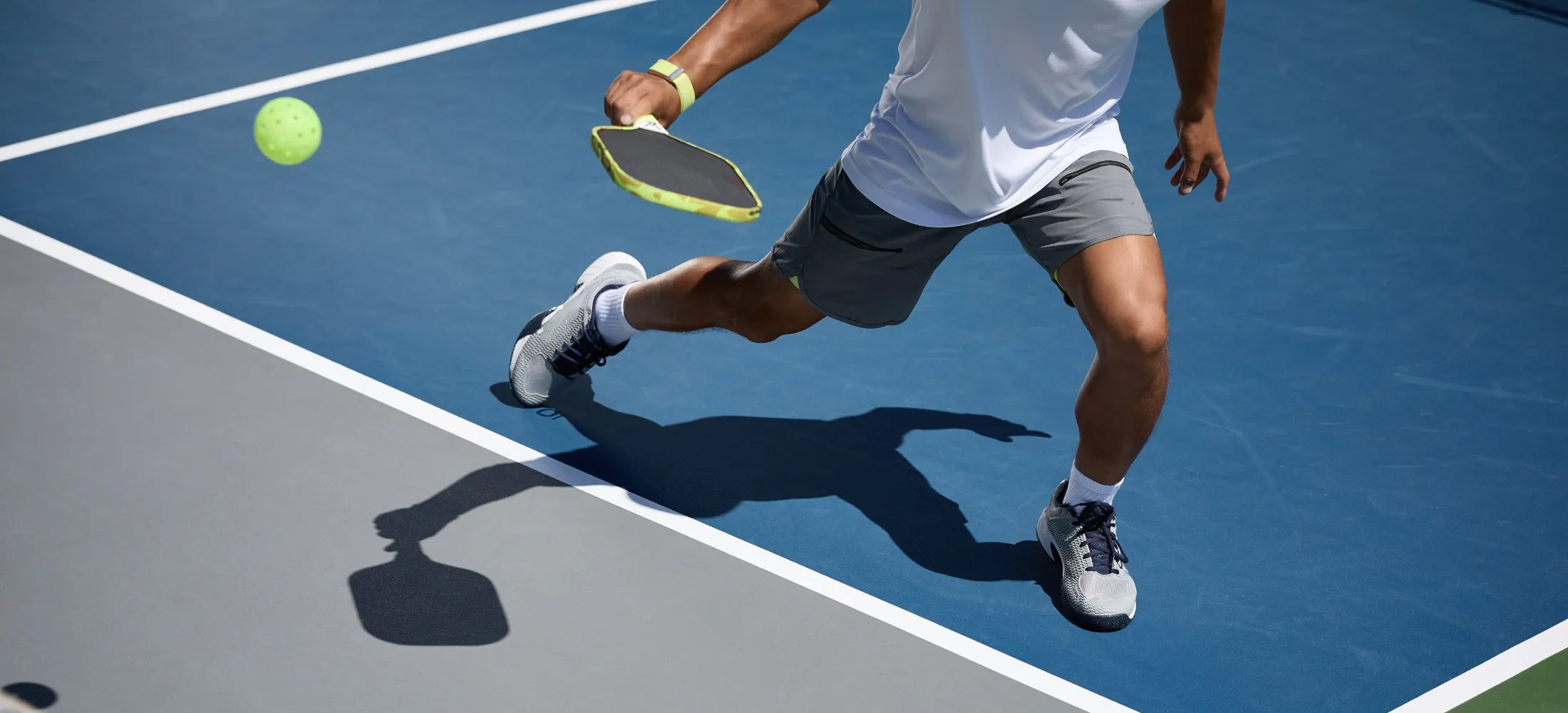
Naturally, I quickly added pickleball to the sports profiles on my Polar sportswatch once I began playing. What I observed during each of my brief games (each lasting around 10 minutes) was rather telling: my heart rate consistently hovered in zone 3, occasionally venturing into the realms of zone 2 or even a brief spike into zone 4. This was certainly more than a leisurely stroll in the park.
While the low barrier to entry is undoubtedly a key to pickleball's widespread appeal, it seems this accessibility doesn't equate to a lack of physical exertion. This piqued my interest, prompting a deeper dive into the science behind the sweat. Studies appear to corroborate my anecdotal experience. One such investigation reported in Science & Sports revealed that a mere half-hour of doubles pickleball elicited a 14 percent higher heart rate and burned 36 percent more calories compared to a thirty-minute walk at one's own pace.
Another study from Western Colorado University reported an average heart rate of 109 beats per minute and an estimated 354 calories burned per hour for pickleball players, classifying it alongside activities like hiking and yoga in the moderate-intensity category. Furthermore, these researchers noted improvements in cholesterol levels, blood pressure, and cardiovascular fitness after regular play. Finally, research from Brigham Young University underscores these cardiovascular benefits, suggesting that pickleball not only elevates heart rate during play but may also contribute to sustained heart health in younger participants, fostering longer-lasting heartbeats as a result of the moderate yet significant cardiovascular activity it provides.
It seems the smaller court and perhaps the stop-start nature of rallies contribute to this sustained heart rate elevation. As experts point out, the quick movements in multiple directions enhance agility and engage the core alongside the arms and legs. And for those seeking a more vigorous workout, the intensity can be readily ramped up through competitive play or by engaging in drills. Even switching to singles play, requiring greater court coverage, promises a significant increase in calorie burn. So, while pickleball may feel deceptively gentle at first glance, the data and my own heart rate monitor suggest it’s far from a sedentary pastime. This ‘easy' game might just be a surprisingly effective way to get the heart pumping.
Read Polar Guides to learn more about heart rate training.
Polar Guides: Heart Rate Training
Pickleball rules
As a complete novice to the world of racquet sports, the intricacies of scoring and service sequences initially felt a tad perplexing, a sentiment I suspect might resonate with other newcomers. But fear not, fellow pickleball initiates, for while the rules have indeed evolved over time, the current framework, as laid out by USA Pickleball, is decipherable with a bit of patience.
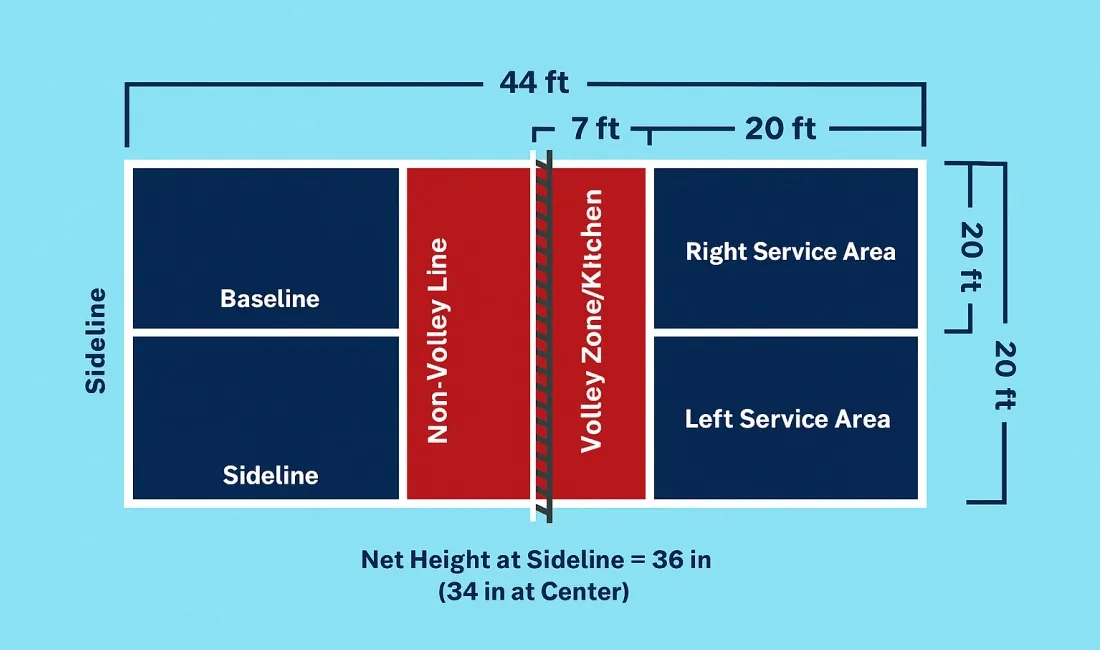
Image by USA Pickleball
Serving
At its core, pickleball can be played as either doubles (the more common format) or singles, both utilizing the same court dimensions and rules. The game commences with a serve, an underhand affair where the server’s paddle must ascend in an upward arc, making contact with the ball no higher than waist level and with the paddle head below the wrist.
Intriguingly, a ‘drop serve,' where these constraints are waived, is also permitted. At the moment of contact, the server’s feet must remain behind the baseline, not touching the court or its imaginary extensions. The serve must then travel diagonally across the net, landing within the confines of the opposite diagonal service court. Only one serve attempt is allowed.
Service Sequence
This is where things get a little less intuitive for the uninitiated, at least it initially was for me. In doubles, both players on the serving team get a chance to serve and score points until they commit a fault (with a slight exception for the very first serve of a new game, where only the first server gets a turn).
The first serve of each ‘side-out' (when the serve goes to the other team) always originates from the right-hand court. If a point is scored, the server switches sides and serves again from the left-hand court. This back-and-forth continues until a fault occurs, and the first server loses their turn. Then, their partner takes over, serving from their correct side.
This continues until the serving team commits another fault, at which point the serve passes to the opposing team. When the opposition gains service, the first serve again comes from the right-hand court, and both their players get a chance to serve (until two faults are committed). In singles, the serving pattern is simpler: serve from the right when your score is even and from the left when it’s odd. That initial ‘one server only' rule at the start of each new game for the first serving team certainly adds a unique twist.
Scoring
Scoring in pickleball traditionally follows a 'side-out' system, meaning only the serving team can score points. Games typically go to 11 points, with a two-point win margin. Tournament play might extend to 15 or 21. A more straightforward 'rally scoring' system, where a point is awarded after every rally regardless of who served, is also gaining traction. Adding another layer is the 'two-bounce rule’: the receiving team must let the initial serve bounce, and then the serving team must also let the return bounce before either team can volley (hit the ball before it bounces) or play it off a bounce. This rule aims to neutralize the serve-and-volley advantage and prolong rallies.
The Kitchen
Finally, there’s the intriguing 'non-volley zone,' affectionately known as 'the kitchen,' a seven-foot area on either side of the net where volleying is strictly prohibited. Stepping into the kitchen, or even having your momentum carry you there after a volley, results in a fault. However, players can be in the kitchen at any other time. A ball landing on any line (except the non-volley zone line on a serve, which is a fault) is considered ‘in.’ Faults, which halt play, can occur for various reasons, from a serve landing out of bounds to volleying in the kitchen or even touching the net while the ball is in play. Determining the initial serving team is usually done through a simple method like flipping a coin or drawing numbers.
It’s a lot to digest initially, especially if racket sports are new to you, but with a bit of practice and perhaps a patient pickleball partner, the rules quickly begin to make a surprisingly logical kind of sense.
undefined

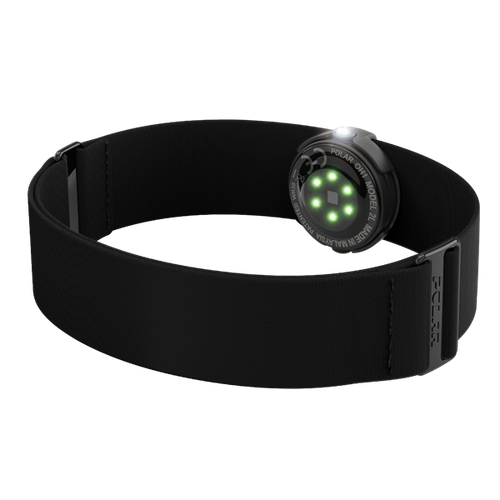
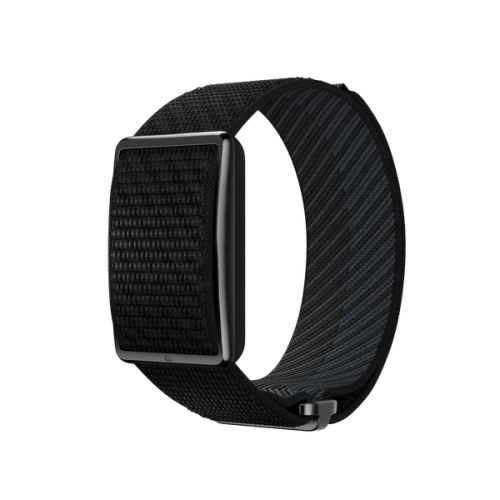
Polar Verity Sense
光學心率傳感器
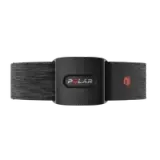
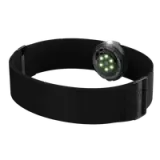
Polar Verity Sense 是光學心率監測器,讓您全方位靈活活動,同時提供多項檢視及記錄鍛煉的選項。憑藉 Bluetooth®、ANT+ 和內建記憶體,您可將 Polar Verity Sense 連接至運動手錶或應用程式,以實時檢視鍛煉,或在鍛煉之後檢視您的數據。
Enjoying this article? Subscribe to Polar Journal and get notified when a new Polar Journal issue is out.
Subscribe
Time to pickle
From initial bewilderment at the rules and the curious name to the surprising discovery of its cardiovascular benefits and the undeniable fun of that satisfying thwack, my experience has been nothing short of… well, pickling. While the scoring and serving intricacies might initially seem like a foreign language, especially to us racquet-sporting novices, the accessibility of the game and the welcoming community of "picklers" seem to outweigh any initial confusion.
And while the echoes of squash's fleeting boom during my youth still linger, I suspect pickleball's trajectory will be different. Its inherent simplicity, the ease with which even someone like myself could pick up a paddle and have some fun, feels like a crucial distinction. This isn't a sport demanding an aggressively competitive attitude or years of practice to achieve even a basic level of enjoyment. Pickleball throws open its court doors to almost anyone, regardless of age or athletic background. This accessibility, I believe, is the key to its enduring appeal, making it far more than just a passing fitness fad.
So, if you're looking for a new way to get active, have a laugh, and maybe even discover a hidden competitive streak, I wholeheartedly encourage you to give pickleball a try. You might just find yourself surprisingly, and delightfully, pickled.
undefined
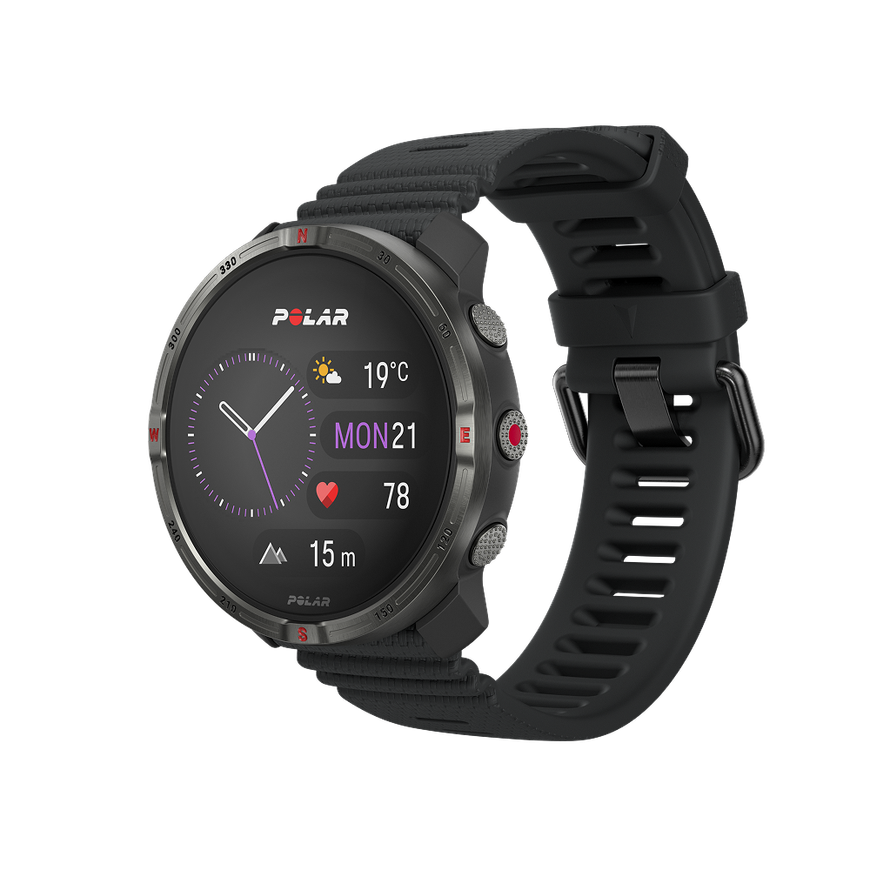
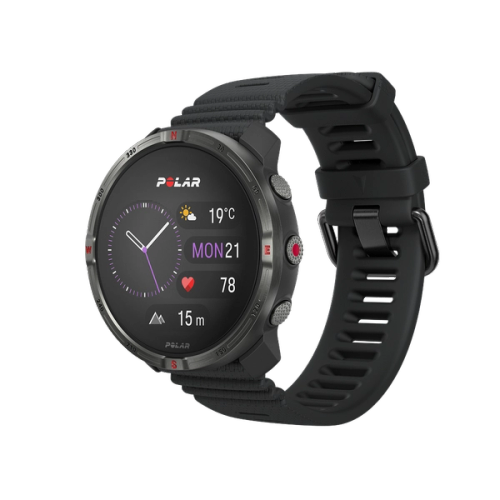
Polar Grit X2
戶外手錶
Polar Grit X2 是一款小巧堅固的戶外手錶,精心打造,無論極限冒險挑戰,還是日常活動,皆能完美應對。擁有先進的訓練工具、藍寶石玻璃 AMOLED 螢幕,以及配備全彩地圖的精準導航功能,無論行山越野,還是日常生活,這款手錶都能完全勝任。



 Polar Vantage M3
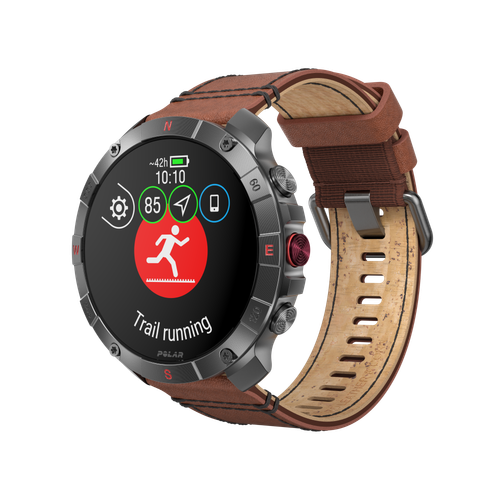
 Polar Grit X2 Pro Titan
 Polar Grit X2 Pro
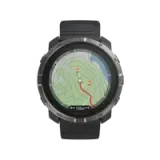 Polar Grit X2
新品上市
Polar Grit X2
新品上市
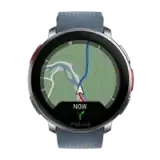 Polar Vantage V3
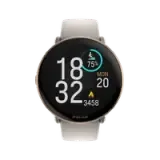 Polar Ignite 3
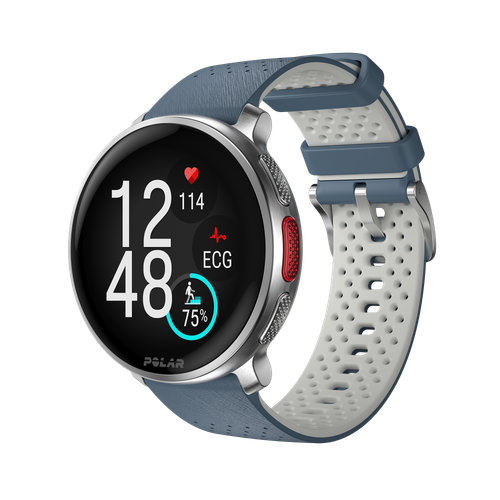
 Polar Pacer Pro
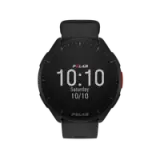 Polar Pacer
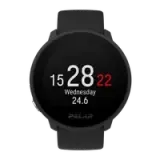 Polar Unite
Grit X 系列
Vantage 系列
Pacer 系列
Ignite 系列
Polar Unite
Grit X 系列
Vantage 系列
Pacer 系列
Ignite 系列