While trail running is all about enjoying the moment and having fun, taking a low-key approach to trail running doesn’t necessarily equal no preparation whatsoever.
Trail running is an easy way to explore and enjoy nature, suitable for just about everyone, but there are a few key things to keep in mind before heading out on such an adventure.
Everyone can give it a try – just make sure you’ve done the right trail running preparation.
1. Pick a trail in a familiar area
Especially if you’re new to trail running, stay in an area you’re familiar with or stick to well-marked trails and bring an offline map.
Also prepare for the possibility of getting lost by bringing along some extra water and snacks. Stick to well marked trails unless you have a solid knowledge of the area and make sure you have the gear and skill set needed for where you plan to go.
2. Prepare for getting lost
Whether you plan to run trails nearby or somewhere more remote you’ve never been before, make sure you know where you’re going and can find you’re way back.
Marked hiking trails are a safe way to start, but as it can be tricky to find your way around in new places. Also, the markings on trails are not always the best, so make sure you have some sort of a backup (like an offline map) in case you get lost. This is essential for trail running preparation.

3. Bring extra water and snacks
Before trail running, you don’t need any specific pre-run nutrition – fuel as you normally would. What you can do before you hit the trail is find out if there’s water in wells along the way or if the water in streams is drinkable.
If not, you’ll need to bring enough water to cover your run and then some. Same goes for nutrition – pack a lot of calories in small size, like gels or bars, and make sure you bring enough to carry you through the run and some extra calories for unexpected situations. There’s always the possibility of getting lost or the environment may slow you down and the run can get a lot longer than planned.
4. Be realistic about your fitness level
Before you head out into the wild, you need to be honest to yourself and realistically assess your experience and fitness level.
Exposed and extreme environments require great outdoor experience and specific fitness – of course, this depends on where you plan to run.
Going for a couple of hours run on a well-marked trail in a recreational area doesn’t pose quite as much challenge as climbing some serious mountains.
If you plan to run in a hilly area, it will be harder than running on flat road. But, the beauty of trail running is that it’s about enjoying the experience so keep in mind that you’re not in a hurry and just take it easy.
5. Adjust the length of your run
If you plan to run in a hilly area, it will be harder than running on flat road. But, the beauty of trail running is that it’s about enjoying the experience so keep in mind that you’re not in a hurry and just take it easy.
Soft trails and hills are easier on the joints than hammering the tarmac, but you’ll still see your heart rate climbing if you’re wearing an outdoor sports watch.
6. Adjust your expected training time to the terrain
Hilly running takes time and the terrain will slow you down. Even if you’re an experienced runner, you may still need to hike some of the longest and steepest hills.
Hilly terrain is great for strengthening your running in general. The soft surface of trail running is not as tough on the joints as road running, but your heart and lungs still get to work hard (if you want).
7. Take weather conditions into account
You also need to plan for changing weather conditions, rain and/or wind, maybe bring a jacket. This all adds up and if you plan a longer trail run a running backpack is a great option.
Remember that the weather changes quick in some places, especially in the mountains.
8. Tune into the right mood
Mental prep for trail running means getting ready to relax and enjoy. Don’t obsess about running pace or distance, just focus on connecting with the nature.
Trail running is a chance to experience running wild and free in a more unstructured way than on the road.
It’s a playful form of running so the way to approach it could be: You have this amazing ability to run, so put it to some fun use!
- Bring a camera, stop and take pictures.
- Pick the top of a hill or peak of a mountain and make that the goal of your run.
- If you get tired, it's totally fine to mix hiking and running in a hilly terrain – even if you alternate between hiking and running, it’s still a great workout.
9. Essential gear for trail running preparation
Trail running shoes
Buy a pair of durable trail running shoes that offer a better grip than road running shoes. With trail running, it’s all about the grip, as you’ll need to be able to run in mud, on slippery wet stones and gravel.
Outdoor apparel
Depending on weather conditions, bring a small windproof jacket, a full-on rain jacket, rain pants, gloves and buff.
Rescue blanket
If you’re going to a wild area, bring a rescue blanket.
Running pack
If you plan to go for a long run, take a running pack with you. For short runs, the pockets on your running clothes might be enough to carry what you need.
10. Last, but not least, enjoy!
Most importantly, just go out there and enjoy!
Trail running isn’t supposed to be complicated or hard – you can allow yourself to let go of the pressure to perform.
Instead of thinking about the training benefit, focus on enjoying the fresh air and being outdoors alone with your thoughts (or in great company).
Polar Grit X2 Pro
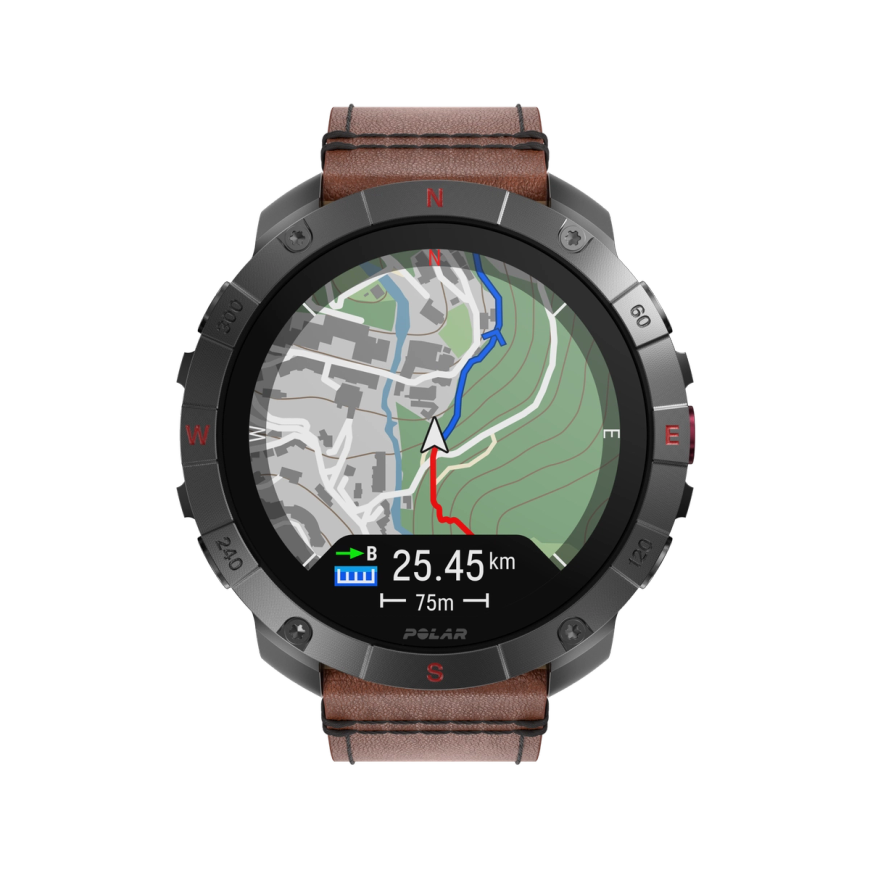
Polar Grit X2 Pro Titan
Premium Outdoor Watch
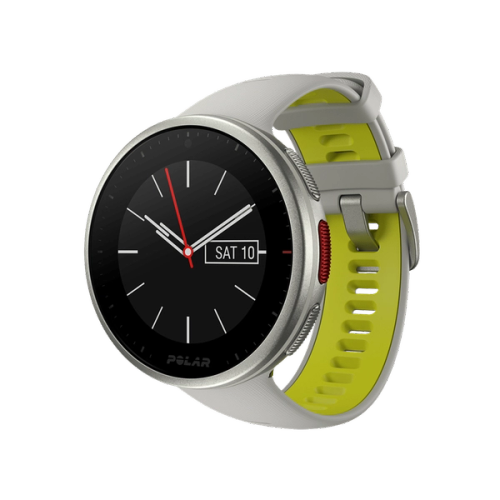
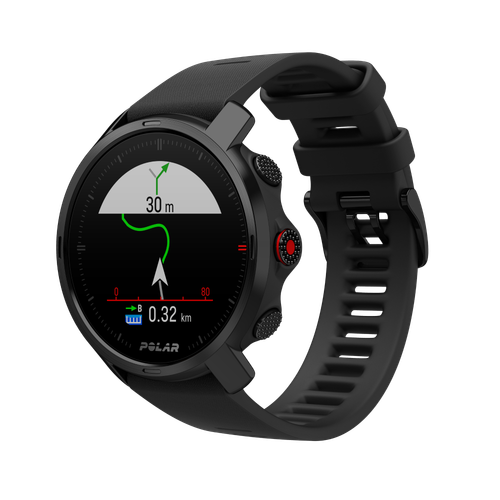
Polar Grit X2 Pro Titan is a rough and rugged outdoor sports watch crafted for adventure with sapphire glass AMOLED display in titanium casing, and a hi-tech toolkit of navigation and performance features for exploring the wonders of the world, and the body.

Polar Pacer Pro
Advanced GPS Sports Watch
This is an ultra-light, new-generation sports watch with integrated barometer that equips athletes with advanced tools to improve running economy, training sessions, and sports performance.



 Polar Vantage M3
 Polar Grit X2 Pro Titan
 Polar Grit X2 Pro
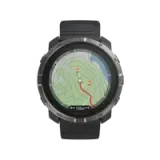 Polar Grit X2
New
Polar Grit X2
New
 Polar Vantage V3
 Polar Ignite 3
 Polar Pacer Pro
 Polar Pacer
 Polar Unite
Grit X Series
Vantage Series
Pacer Series
Ignite Series
Polar Unite
Grit X Series
Vantage Series
Pacer Series
Ignite Series